
Klocha Sare Sale: The Ezidi Cake Tradition “Kloch” 🥮

Klocha Sare Sale is a traditional Ezidi New Year cake celebrated mainly among Ezidis from the former Soviet Union. Marking renewal and the arrival of spring, the ritual involves baking a special cake with a hidden bead or coin. During a family gathering, the cake is cut with a symbolic “plough” line and divided—first as offerings to holy beings, then among family members. The person who receives the hidden piece is believed to be blessed for the coming year. Rooted in Sharfadin, the tradition reflects both spiritual meaning and the natural cycle of rebirth.

Investigation Launched Against Journalist Reporting Tree Cutting in Ezidi Village

Authorities in Turkey have opened an investigation into journalist Zeynep Durgut after she reported allegations that trees were cut on land belonging to residents of the Ezidi village of Kiwex. The report, which highlighted local concerns about environmental damage linked to a planned police station project, has sparked debate about press freedom and the right to report on issues affecting minority villages.

International Women’s Day: The Strength and Role of Ezidi Women in Society

Ezidi women have long played a central role in preserving the traditions, faith, and social life of the Ezidi people. After the genocide of August 3, 2014, their voices also emerged on the global stage, as survivors and activists began speaking publicly about the crimes committed against their people. This article explores the historical role of women among the Ezidis, the profound changes that followed the genocide, and how a new generation of women is shaping the future of the Ezidi people through resilience, education, and leadership. Read more.

Since When Did an Ezidi Religious Holiday Become a “Kurdish Tradition”?

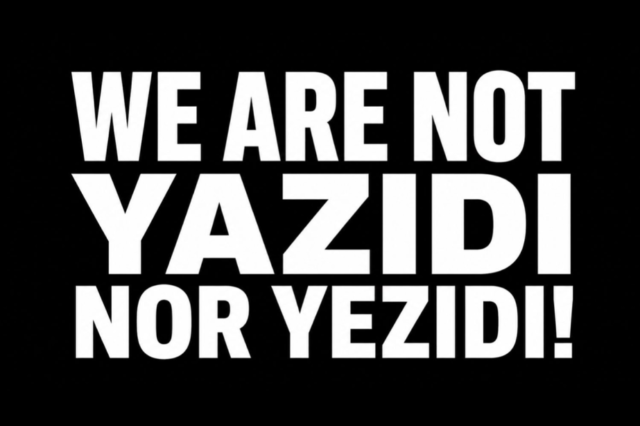
Ezidi Times criticizes Kurdish media outlet Kurdistan24 for referring to Ezidis as “Yazidi Kurds” in its coverage of the Khidr Elias holiday. The article argues that such language spreads misinformation, erases the distinct identity of the Ezidi people, and attempts to appropriate the sacred traditions of the Ezidi religion, Sharfadin, by falsely presenting them as Kurdish cultural practices.

My Mother Tongue Is Ezdiki

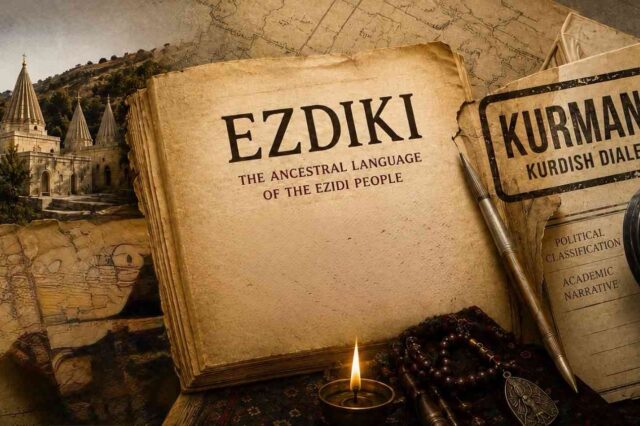
Historical sources show that Ezidis have long referred to their language as Ezdiki, meaning “the language of the Ezidis.” Kurdish is a new term and is the result of political influence and aspirations of creating a “kurdish” nationalistic identity.

Ultimatum Over Shingal: Ezidis Face Renewed Uncertainty as March 10 Deadline Looms

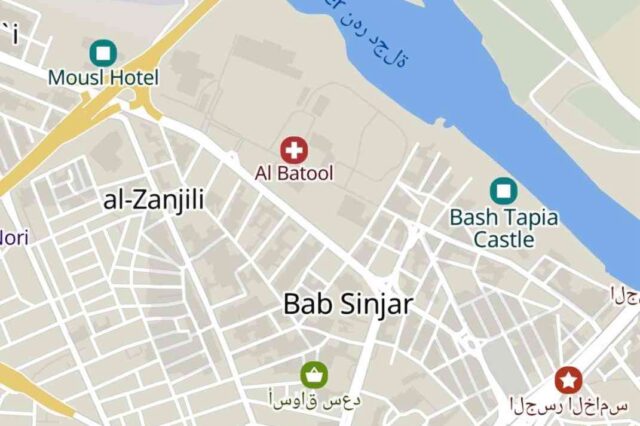
Dissolve by 10 March—or face attack. That was the message delivered to the YBŞ in Mosul, placing Shingal’s Ezidis at another crossroads. For a people still rebuilding after genocide, the prospect of imposed security decisions revives a familiar and dangerous pattern. Ezidi leaders warn that dismantling local defense forces without a binding administrative and security agreement could force new displacement and leave the homeland of Sharfadin exposed once again.

The Hasna A. Appeal and Crimes Against the Ezidi People

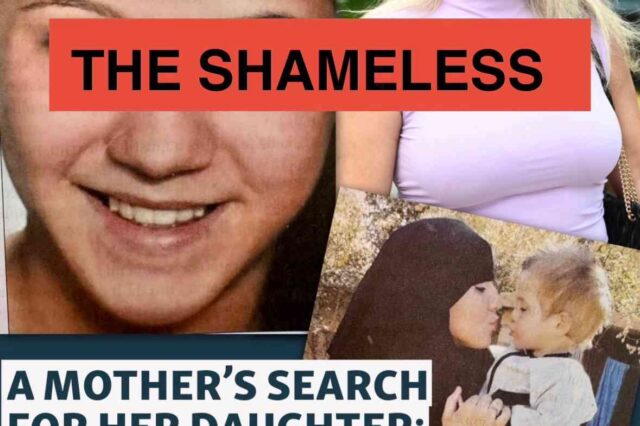
The appeal case of Hasna A. has become a critical test of whether European courts are prepared to fully acknowledge and prosecute crimes committed under ISIS rule. For Ezidi survivors, the hearings were not an abstract legal exercise but a painful confrontation with lived trauma. The recognition of enslavement in a European courtroom carries profound meaning, affirming that crimes committed against the Ezidi people are neither forgotten nor beyond accountability.

Kurds Returning to Armenia: A Grave Security Risk

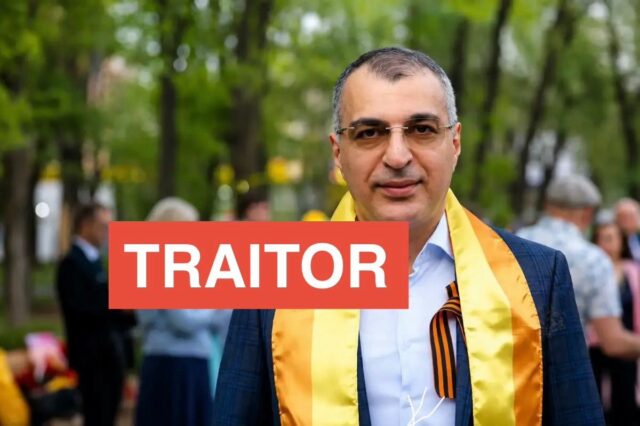
In the late 1980s, during the Armenia–Azerbaijan war, many Kurds left Armenia, openly stating they would not fight against their Muslim brothers. They relocated to Kazakhstan and remained there for decades, removed from the political and military realities Armenia faced. This development raises legitimate security concerns. Individuals who once refused to defend the state on religious grounds demonstrated that their loyalty was conditional. If loyalty is defined by religion rather than citizenship, the implications are serious. In any future conflict involving a Muslim-majority country, where would such actors stand? Armenia cannot ignore this question.

Rudaw’s Obsession with Ezidis: Twisting Truth Across Languages

Rudaw recently published two versions of the same story about a fire at an Ezidi camp—one calling them “Ezidi Kurds” in Turkish, the other “Yazidi” in English. Beyond the inconsistency, the facts differ, raising serious questions about journalistic ethics. Why is there such an obsession with Ezidis, their religion, language, and history? It’s time for media to stop politicizing truth and start reporting honestly.

The Holiday of Xidir Êliyas and Xidir Nebî in Sharfadin

The holiday of Xidir Êliyas and Xidir Nebî is a sacred Ezidi holiday honoring the immortal saints Xidir Êliyas and Xidir Nebî, guardians of life, love, and protection. Observed each year in February, the days combine voluntary fasting, preparation of symbolic foods called the Sacred Seven, and rituals that invite blessings into the home. From the mystical hoofprint sign to the making of Pekhûn, the holiday celebrates healing, divine guidance, and the renewal of both body and spirit.