
The Hasna A. Appeal and Crimes Against the Ezidi People

The appeal case of Hasna A. has become a critical test of whether European courts are prepared to fully acknowledge and prosecute crimes committed under ISIS rule. For Ezidi survivors, the hearings were not an abstract legal exercise but a painful confrontation with lived trauma. The recognition of enslavement in a European courtroom carries profound meaning, affirming that crimes committed against the Ezidi people are neither forgotten nor beyond accountability.

ISIS Woman on Appeal Trial in the Netherlands

The Hasna A. case returns to court in the Netherlands after the defendant appealed the first verdict.From 9–12 February 2026, judges at the Schiphol Judicial Complex will review the case, which addresses ISIS crimes committed against Ezidis.
The hearings are public and will be livestreamed, with translation available.

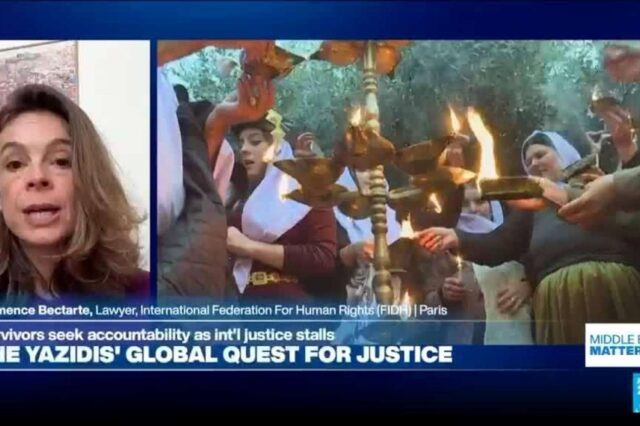
The International Day of Genocide Commemoration: A Reminder the Ezidi Genocide Is Not Over

On 9 December, the world marks the International Day for the Victims of Genocide — established in 2015 on Armenia’s initiative. For Ezidis, this day is a reminder that the 2014 genocide is not history. Nearly 200,000 Ezidis remain displaced, more than 2,500 are still missing, and mass graves in Sinjar await proper identification. remembrance must lead to justice, accountability, and real prevention.

Belgium to hold first genocide trial for crimes against Ezidis

Belgium is set to hold its first-ever trial for genocide against the Ezidi people, as IS fighter Sammy Djedou faces charges in absentia for murder, rape, and sexual enslavement. For the survivors who will testify, the courtroom is more than a legal stage — it is a rare space to confront the violence that shattered their lives and to assert that the world cannot forget the genocide against the Ezidis.

Trial Regarding Ezidi Genocide to Begin in Munich

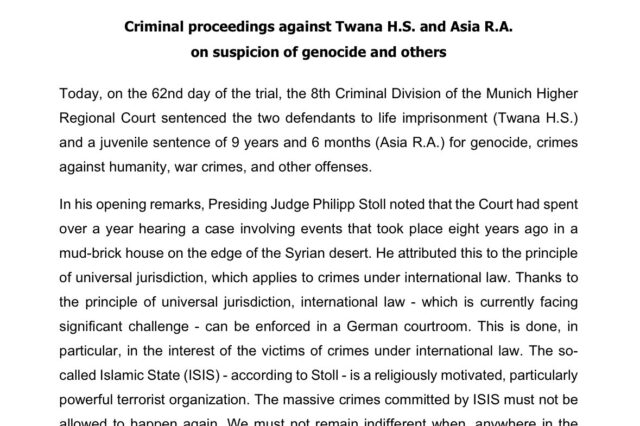
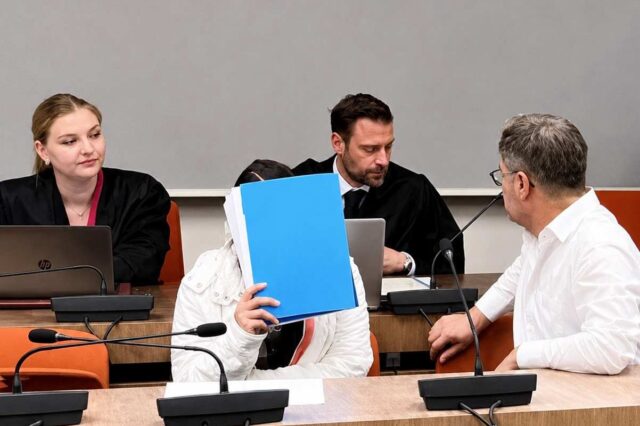
Trial Against Couple Accused of Enslaving and Abusing Ezidi Children Under IS to Begin Tomorrow in Munich (München), Germany, for keeping two Ezidi girls aged five and twelve under the rule of the so-called Islamic State (IS). The crimes took place between 2015 and 2017 in Iraq and Syria. The charges include genocide, reflecting IS’s targeted campaign against the ancient Ezidi people, who follow the Sharfadin religion.