
Latest
Front Page
Ezidi News

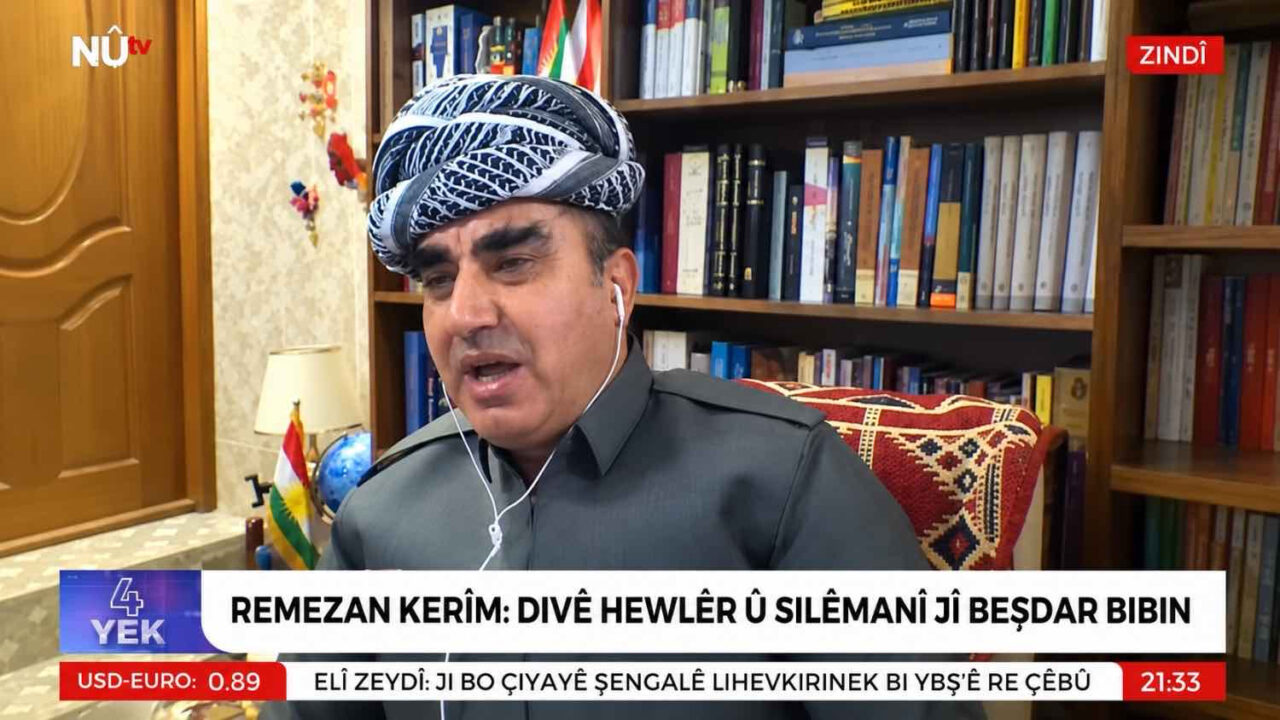

Beyond Armenia’s monasteries and geopolitical headlines lies another story: Ezidi villages beneath Mount Aragats, where memory, faith and…
The Canadian Museum for Human Rights in Winnipeg will present Nobody’s Listening, an immersive exhibition about the 2014…
Ezidi MP Murad Ismael called on Prime Minister Ali al-Zaidi on 13 October 2026 to address the complete…
Ezidi MP Khalid Sido called on Iraq’s federal government on 11 October 2026 to place concrete measures for…
Culture & Sport
Sport, Arts & Culture
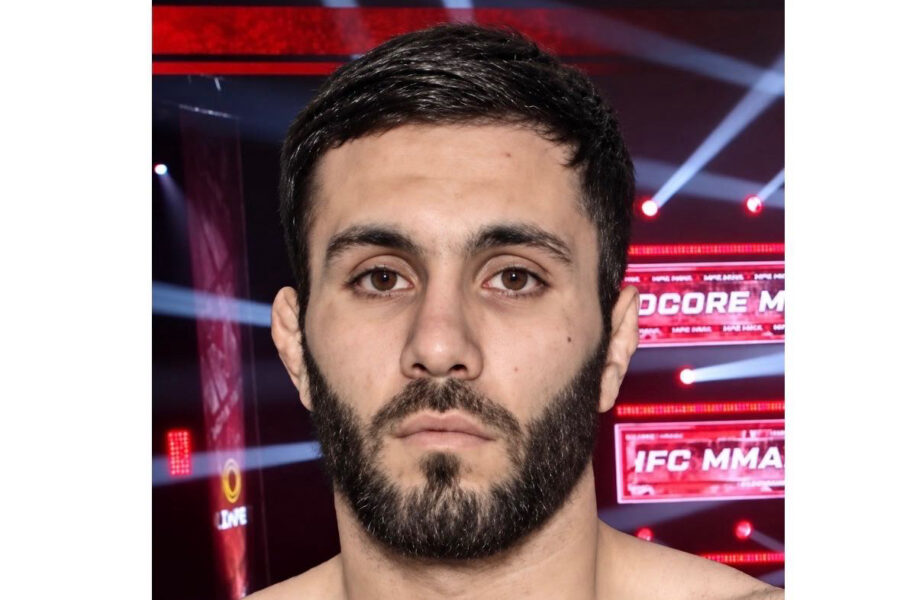
Ezidi MMA Fighter Rafik Avdoyan Secures First-Round Victory in Yerevan
Ezidi mixed martial artist Rafik Avdoyan defeated Iranian opponent Aref Ansari by first-round submission during an international MMA event at Tashir Arena in Yerevan on 26…

Undefeated Ezidi Fighter David Mgoyan Signs With Georgian MMA Promotion RKENA
Undefeated Ezidi MMA fighter David Mgoyan is taking the next step in his professional career after signing with Georgian promotion RKENA. The 7–0 fighter, who trains…

Ezidi Boxer Ruslan Selimyan Wins IBF Youth Welterweight Title
Undefeated Ezidi boxer Ruslan Selimyan has captured the vacant IBF Youth welterweight title after defeating Uganda’s Ivan Kambagire by unanimous decision.
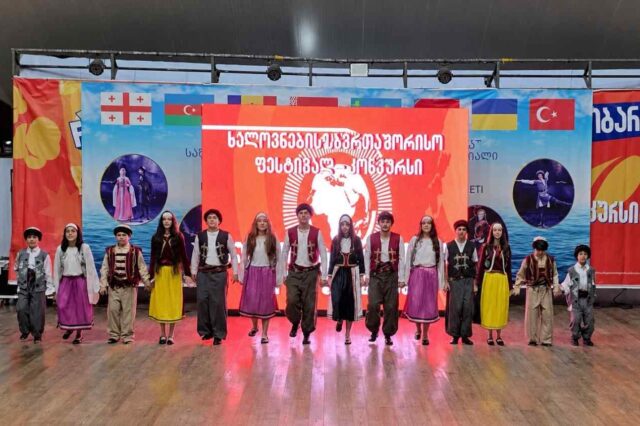
Ezidi Dance Ensemble Êzdîxan Awarded at International Festival in Kobuleti
The Ezidi dance ensemble Êzdîxantook part in the international “Orange Kobuleti” festival in Georgia and received an award for its participation.

Ezidi Heavyweight Temur Mamoyan Extends Undefeated Record with Knockout Victory
Ezidi heavyweight boxer Temur Mamoyan extended his unbeaten professional record to 12–0 after defeating Todorche Tsvetkov by knockout in Germany.
Conversations
Interview

Nasrin’s Path to Civil Engineering in Germany
Nasrin arrived in Germany in 2017 at the age of 14 with the ambition of going to university. Now studying civil engineering, the Ezidi student recalls…
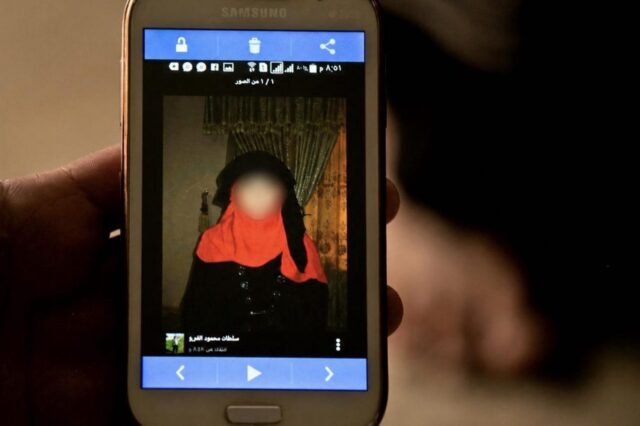
Pari Ibrahim on WORLD Radio: “The Ideology Remains”
Pari Ibrahim, founder and director of the Free Ezidi Foundation, appeared on WORLD Radio’s WORLD History Book segment to speak about the 2014 Ezidi Genocide, the…
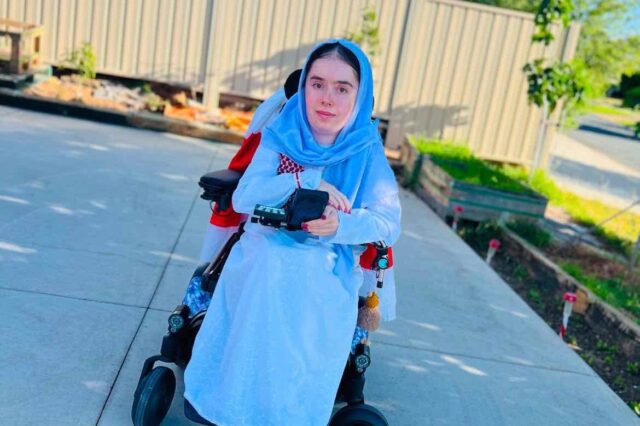
Ezidi Translator Recognised in Wagga Wagga Youth Spotlight Series
Ezidi translator and research assistant Nagham M. has been recognised in Wagga Wagga City Council’s 2026 Youth Spotlight Series for her work supporting local Ezidis and…
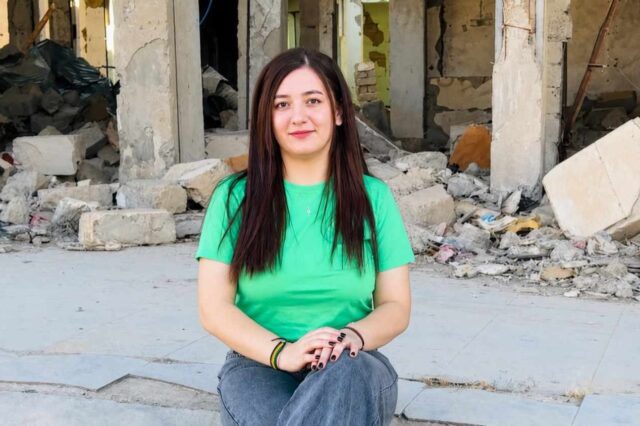
From Sinjar to Idaho: Ezidi Student Shares a Story of Resilience, Education and Hope
Inas K., an Ezidi student who survived the 2014 genocide and years of displacement, has shared her journey from Sinjar to higher education in Germany and…
Identity & Heritage
Ezidi Identity
Upcoming Ezidi Holidays
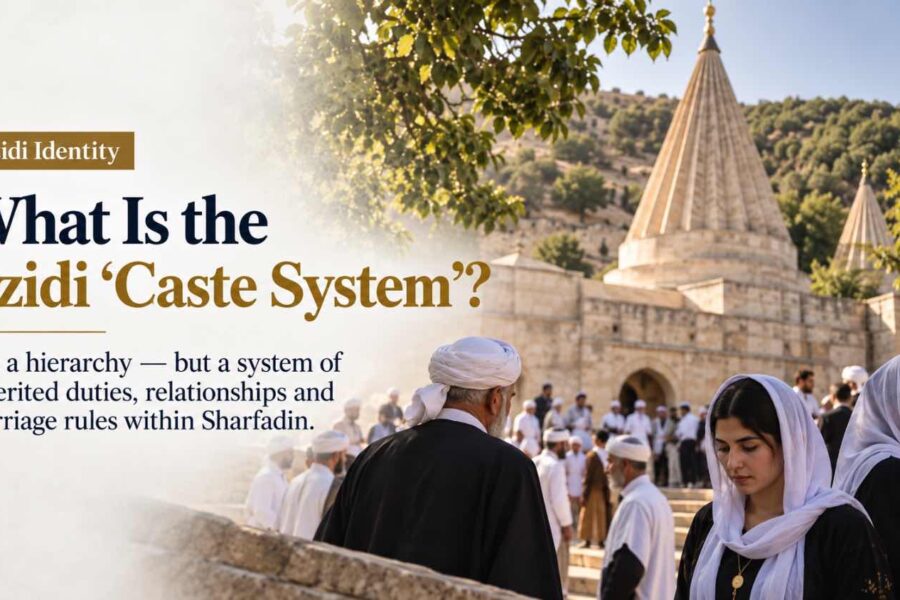
Beyond the ‘Caste System’ Label: Understanding Hereditary Groups in Sharfadin
For generations, the hereditary groups of Şêx, Pîr and Mirîd have been misunderstood by outsiders and too often reduced to the misleading label of a “caste…

4 September: Ezidi Flag Day Honours the Defenders of Shengal
4 September marks Ezidi Flag Day, honouring the Ezdixan flag and remembering the Ezidi fighters who defended their people and homeland against IS. The observance brings…
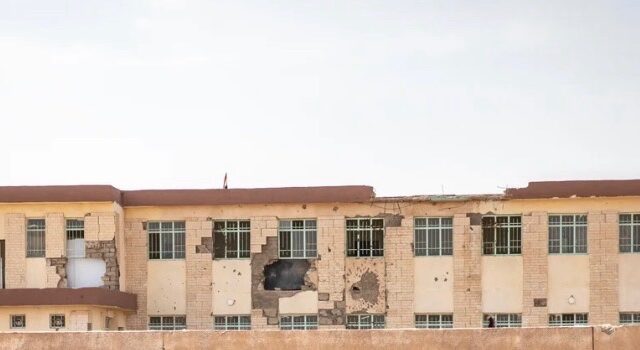
Kocho: The Day a Village Was Forced to Choose Between Its Faith and Its Life
On 15 August 2014, ISIS separated the Ezidis of Kocho, murdered men and boys, and abducted women and girls into slavery. Twelve years later, the village…
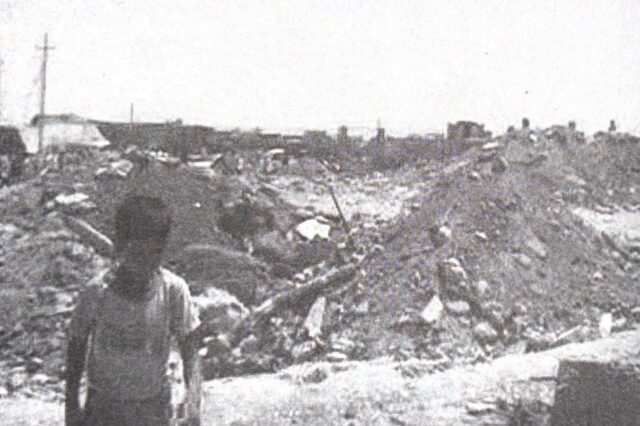
The 2007 Ezidi Genocide – A Warning the World Failed to Hear
On 14 August 2007, coordinated truck bombings devastated the Ezidi towns of Tel Azer and Siba Sheikh Khidir in Sinjar, killing hundreds. Nearly two decades later,…
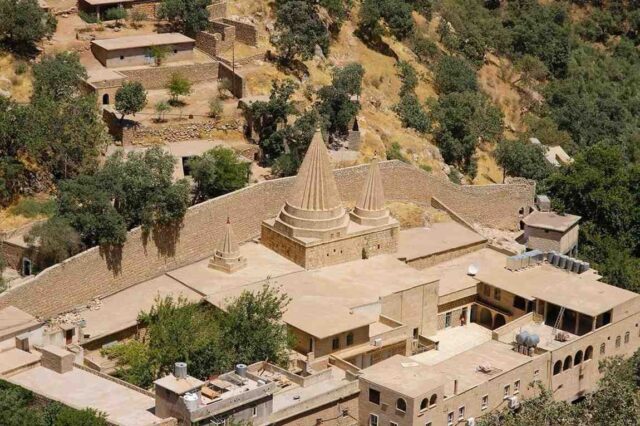
Çilê Havînê: The Forty Days of Summer in Sharfadin
Çilê Havînê marks the completion of a forty-day period of fasting, seclusion and spiritual discipline in Sharfadin. The ancient practice remains part of Ezidi religious life…
Legal

French Court Awards Damages to Ezidi Survivors, but Compensation Remains Out of Reach
A French court has awarded damages to three Ezidi women and their eight children following Sabri Essid’s genocide conviction. But with Essid still unlocated and the…
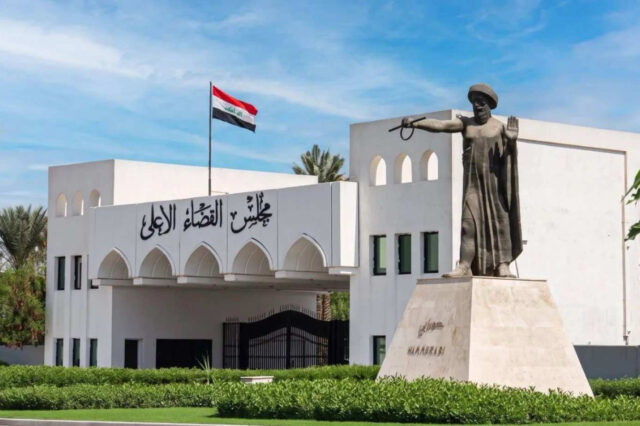
French ISIS Suspects Go on Trial in Baghdad as Iraq Investigates Crimes Against Ezidis
Six men accused of ISIS membership have gone on trial in Baghdad as wider Iraqi investigations examine the enslavement of Ezidi women. The proceedings raise questions…

Iraqi Man Goes on Trial in Munich Over Alleged IS Membership
A 48-year-old Iraqi man went on trial in Munich on 8 September 2026, accused of membership in Islamic State. Prosecutors allege that he worked for the…
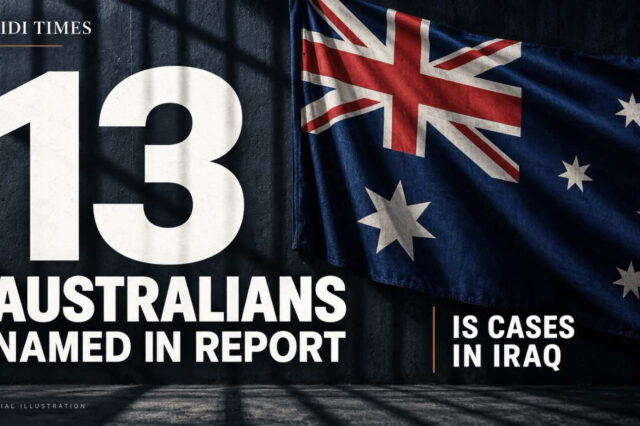
Report Names Australians Detained in Iraq as IS Cases Move Toward Trial
On 1 September 2026, Iraq’s Supreme Judicial Council announced that the Al-Karkh First Investigative Court had completed interrogations of 5,704 suspected IS members transferred from north-east…
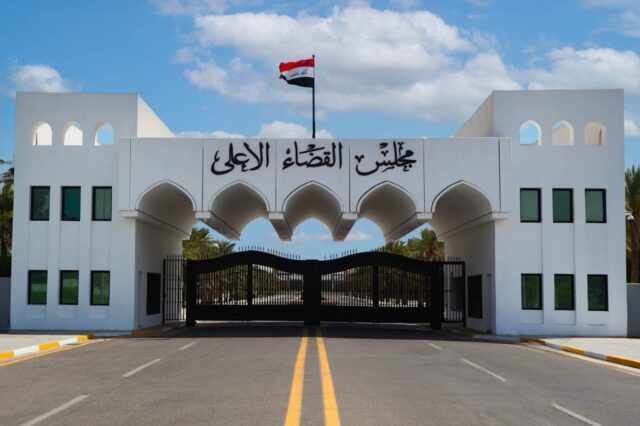
Iraqi Court Moves 5,704 IS Cases Toward Trial; Six Files Linked to Ezidi Enslavement
In a statement issued on 1 September 2026, the Media Centre of Iraq’s Supreme Judicial Council said the First Karkh Investigative Court had completed interrogations in…
Events
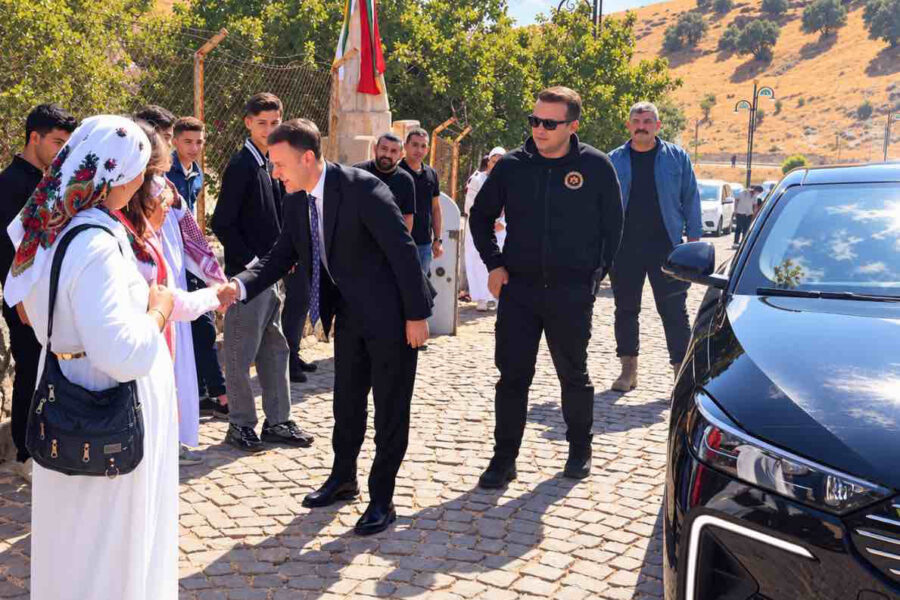
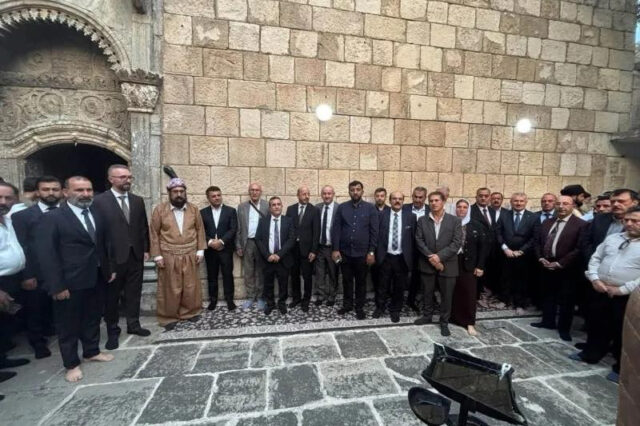
Ezidis in Mağara Mark Feast of Assembly as İdil Governor Visits
Ezidis in Mağara village in southeastern Turkey marked the Feast of Assembly locally on 7 October 2026 while the festival’s principal pilgrimage was taking place at…
NÇMÊ Delegation Meets Mir Hazim Tahsin Beg at Lalish During Feast of Assembly
A delegation from the Ezidi Culture and Rights Centre visited Lalish during the Feast of Assembly, meeting Mir Hazim Tahsin Beg and representatives of the Şerfedîn…
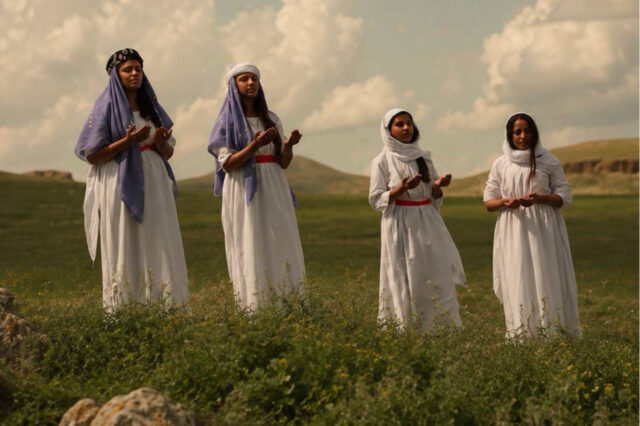
Haizebegi Festival in France to Present Three Days of Ezidi Culture, Memory and Music
The 13th Haizebegi Festival begins in southwestern France on 8 October 2026 and will devote its final three days to Ezidi history, music, art and testimony.…
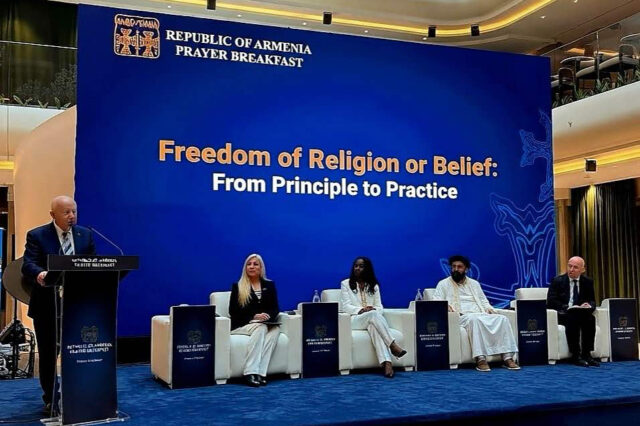
Dimitri Pir Bari on Ezidi Identity, Faith, and Spiritual Heritage
Dimitri Pir Bari, Chairman of the Spiritual Council of the Ezidis of Georgia, called for stronger protection of Ezidi religious freedom, security and cultural heritage during…
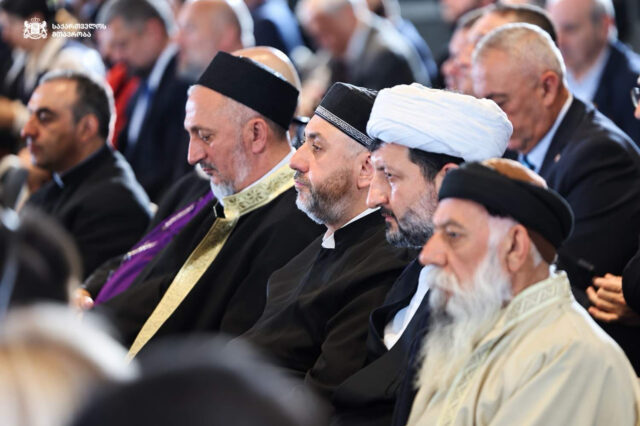
Ezidi Spiritual Leader Attends Conference Marking Georgia’s 1,700 Years of Christianity
Şêx Nûrî Şêxnamatî, a leader of the Spiritual Council of Ezidis in Georgia and custodian of the Ezidi temple in Tbilisi, participated in an international conference…
Opinion
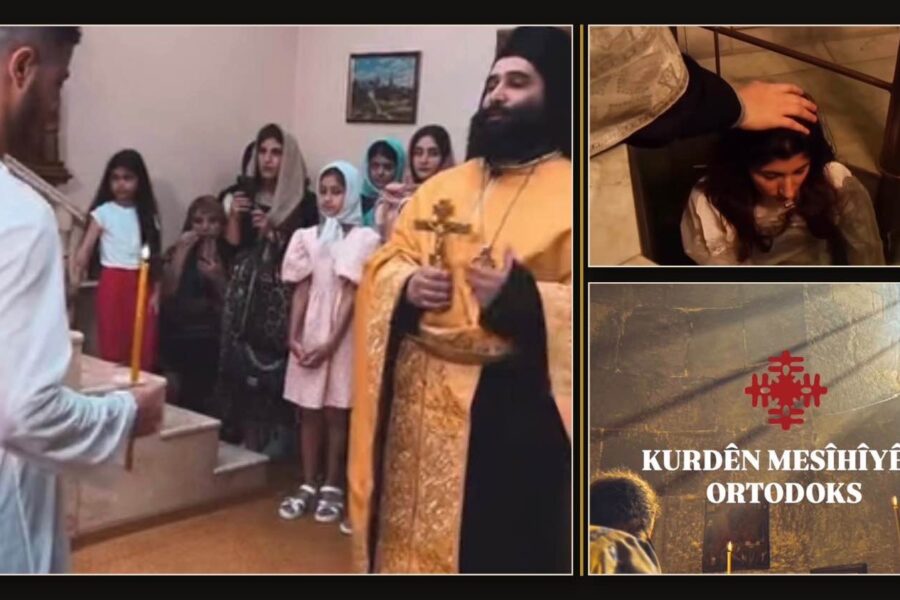
Is That Your Religion?
Choosing another religion is one thing. Using that choice to humiliate Ezidis and demonise their sacred places is another. When someone creates demonic fantasies about Ezidi…
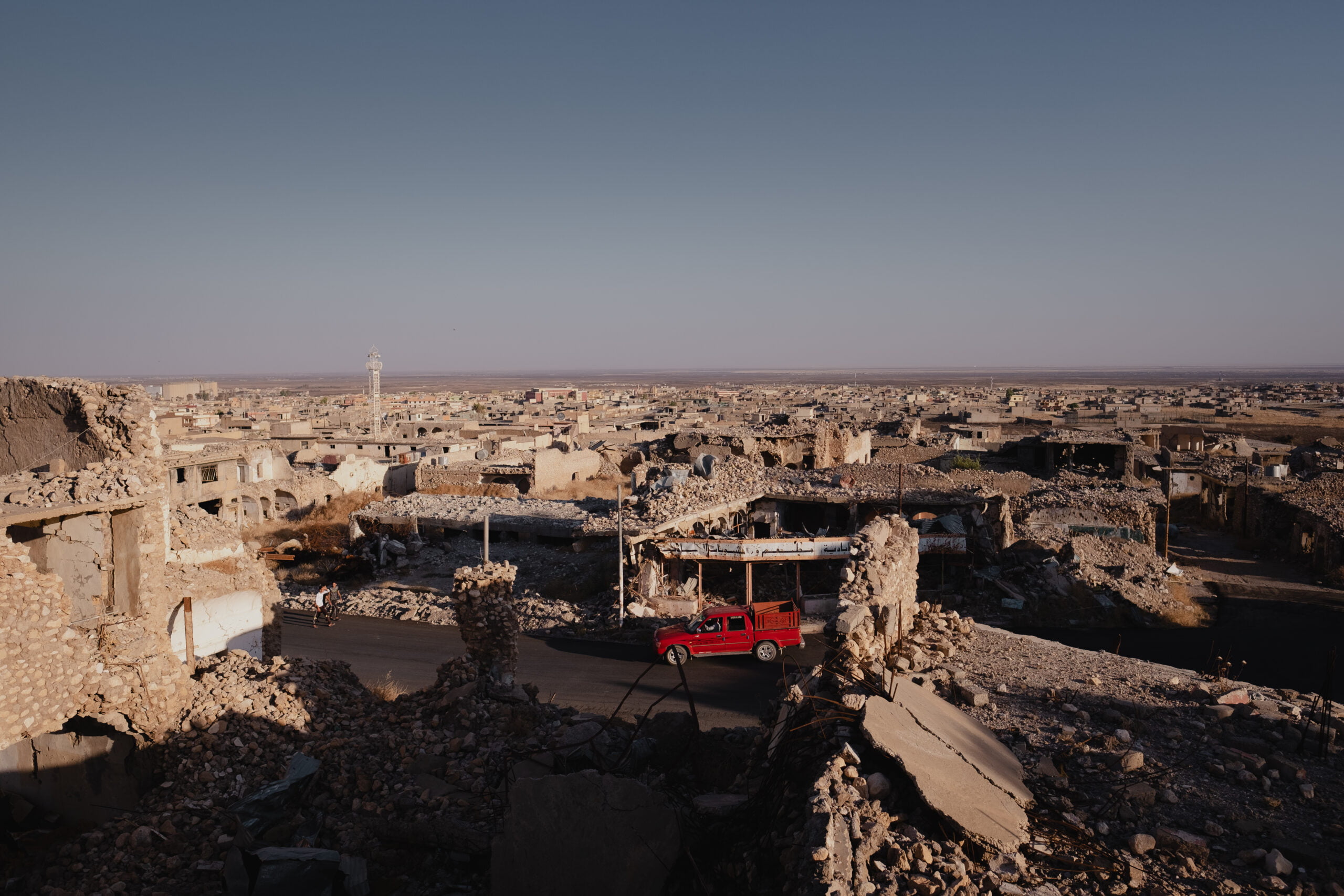
MP: Sinjar Crisis Has Become an Existential Issue for the Ezidi People
Nearly 12 years after the 2014 Ezidi Genocide, hundreds of thousands of Ezidis remain displaced, thousands are still listed as abducted or missing, and fewer than…
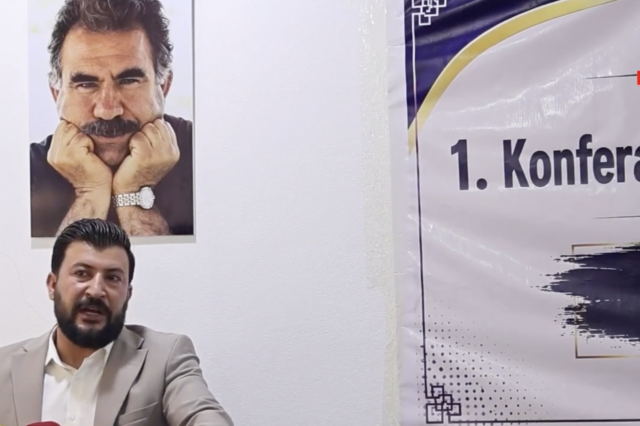
An Ezidi Name Does Not Make a Kurdish-Funded Project Ezidi
If “support” means that you may be attacked simply for stating that your ethnicity is Ezidi—not Kurd—that your language is Ezdiki, and that your religion is…
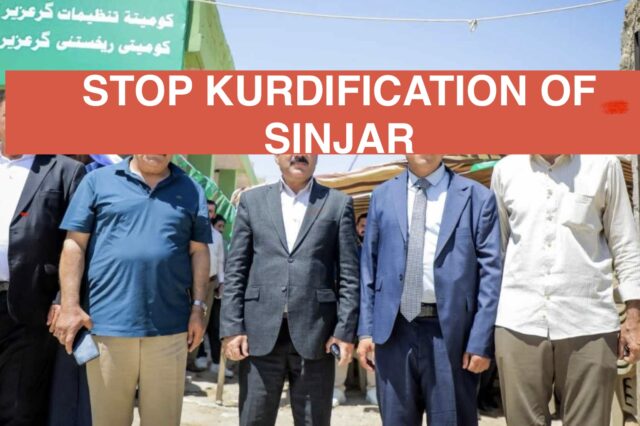
Stop the Kurdification of Sinjar
The PUK says its reopened headquarters in Gir Ozer will serve local residents. In reality, it gives another Kurdish political party a permanent base from which…
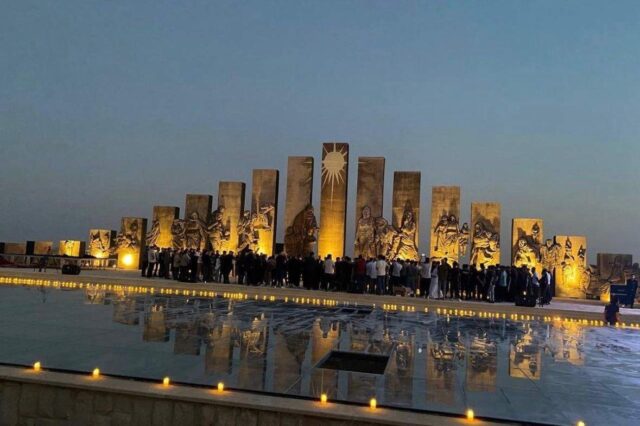
3 August Is a Day of Remembrance – Not An Opportunity for Kurdish Self-Validation
Twelve years after the Ezidi genocide, this opinion piece argues that 3 August should remain a day of remembrance for the victims; not a platform for…
Books & Reviews
Book Review
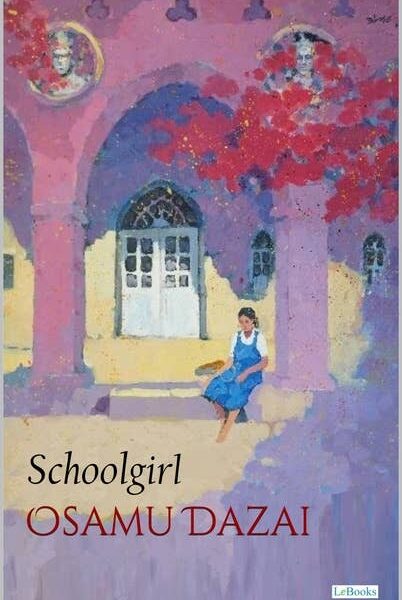
Schoolgirl – Osamu Dazai
Osamu Dazai’s Schoolgirl follows the restless inner voice of a teenage girl as she moves through an ordinary day filled with grief, insecurity, ambition and questions about freedom.…

The Bell Jar – Sylvia Plath
Published shortly before Sylvia Plath’s death, The Bell Jar follows Esther Greenwood as ambition, opportunity and social pressure give way to depression and psychological confinement. Through its haunting…

The Metamorphosis – Franz Kafka
Franz Kafka’s The Metamorphosis begins with a man waking to find himself transformed into an insect, but its real subject is what follows: isolation, rejection and the collapse…

The Last Girl by Nadia Murad
In this personal review of Nadia Murad’s The Last Girl, Jumana Omar reflects on the memoir as both the testimony of one survivor and the story…
Ezidi Times Scholarly Archive