

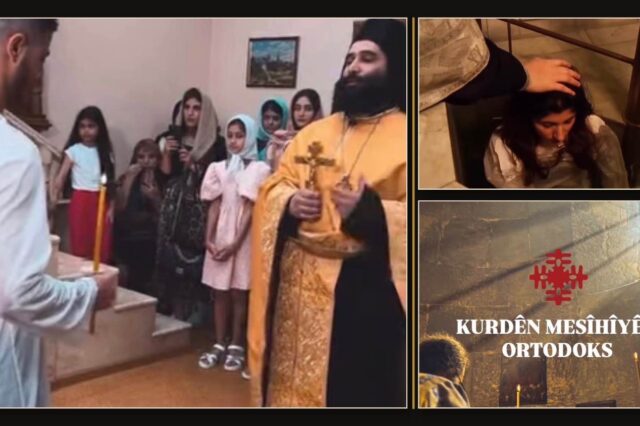
Is That Your Religion?
Choosing another religion is one thing. Using that choice to humiliate Ezidis and demonise their sacred places is another. When someone creates demonic fantasies about Ezidi temples, spreads false theories about Sharfadin…
Section
Choosing another religion is one thing. Using that choice to humiliate Ezidis and demonise their sacred places is another. When someone creates demonic fantasies about Ezidi temples, spreads false theories about Sharfadin…
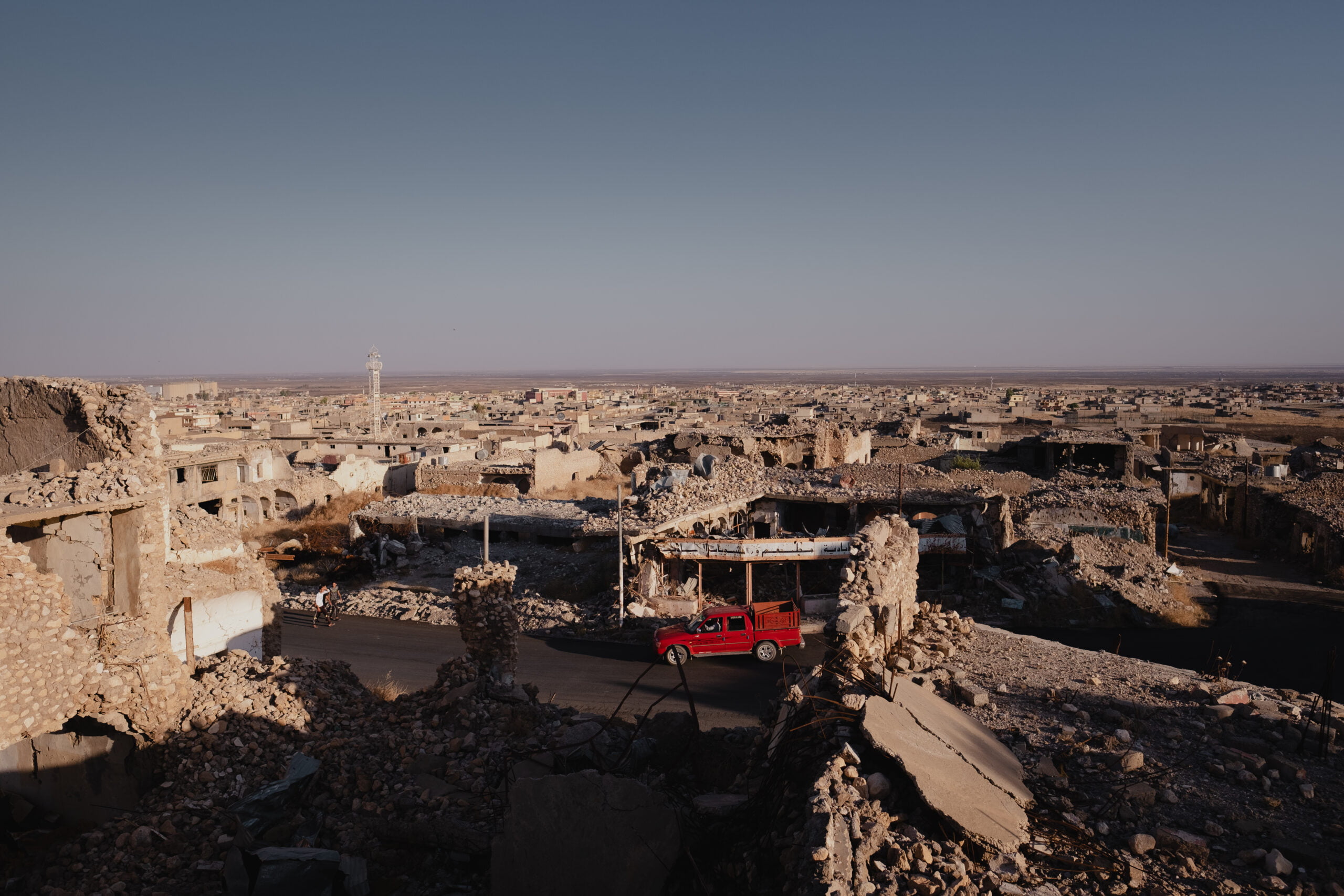
Nearly 12 years after the 2014 Ezidi Genocide, hundreds of thousands of Ezidis remain displaced, thousands are still listed as abducted or missing, and fewer than 10% of those affected have received…
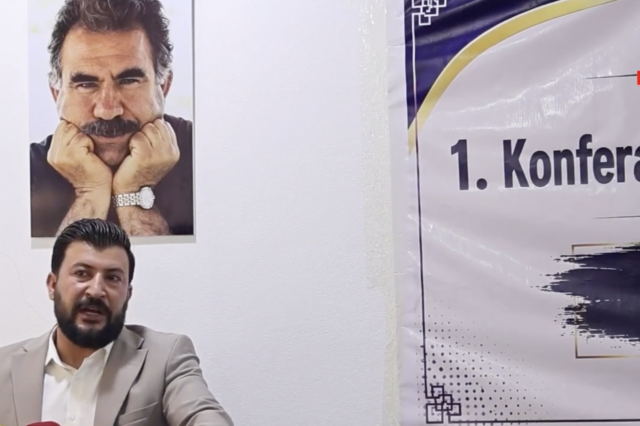
If “support” means that you may be attacked simply for stating that your ethnicity is Ezidi—not Kurd—that your language is Ezdiki, and that your religion is Şarfadin, then it is not support.…
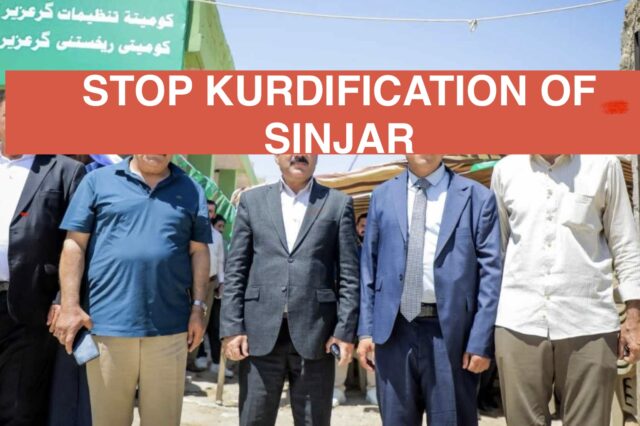
The PUK says its reopened headquarters in Gir Ozer will serve local residents. In reality, it gives another Kurdish political party a permanent base from which to expand its influence over Sinjar.
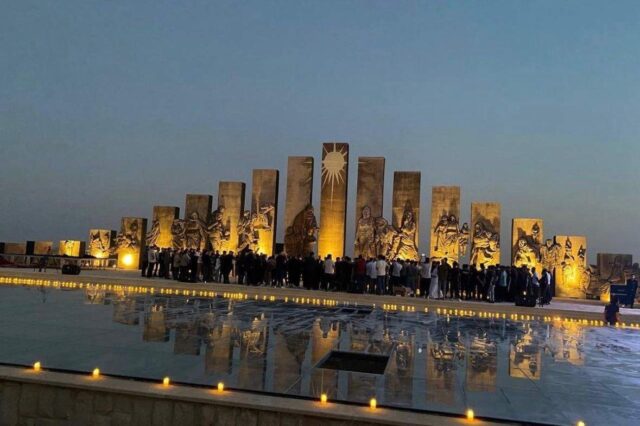
Twelve years after the Ezidi genocide, this opinion piece argues that 3 August should remain a day of remembrance for the victims; not a platform for political narratives. It calls for justice,…
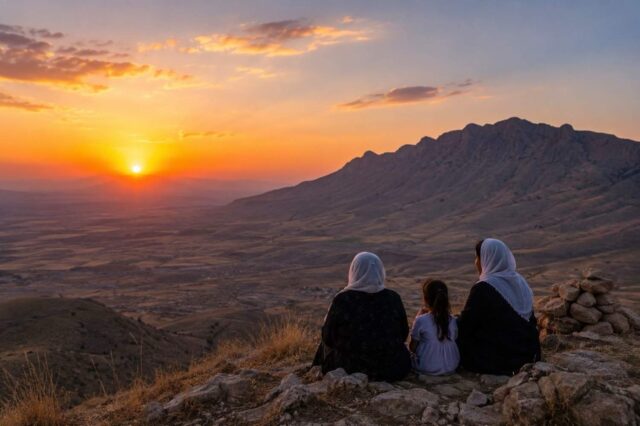
Twelve years after the genocide against Ezidis, thousands of survivors are still waiting for justice, the return of their loved ones and the rebuilding of Sinjar. In this opinion piece, Jumana Omar…
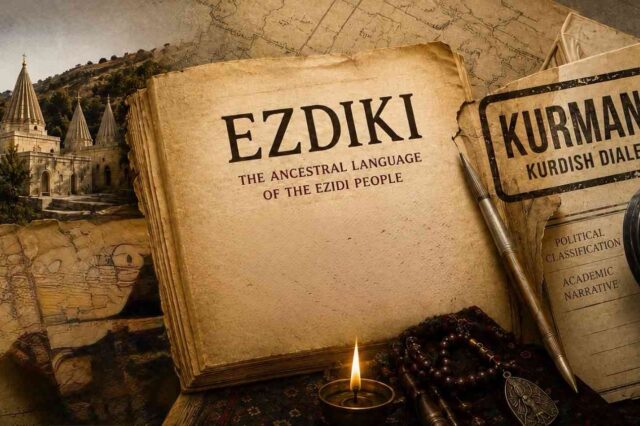
Ezidis and Kurds are two distinct peoples, and speaking related forms of language does not erase that distinction. This opinion article examines how Kurdish political parties, curricula and nationalist narratives have used…
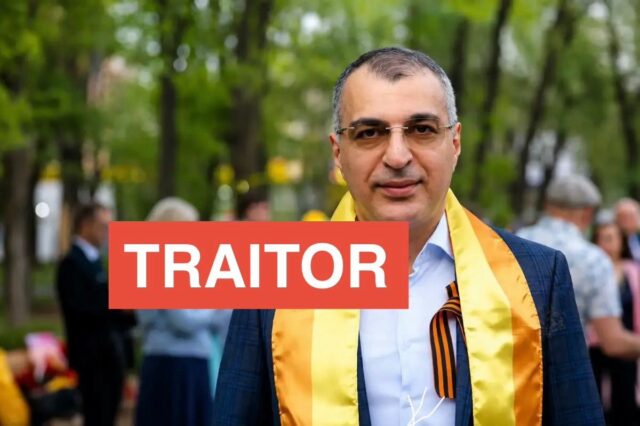
Russian lawyer Yuri Nabiyev has built his political career around Kurdish nationalism while repeatedly referring to himself as an “Ezidi Kurd.” This opinion article examines the contradictions in his public statements and…

Former Iraqi MP Moha Khalil has warned that anti-Ezidi hate speech is preserving the ideology that produced the 2014 genocide. His comments follow renewed controversy over the media treatment of an Ezidi…
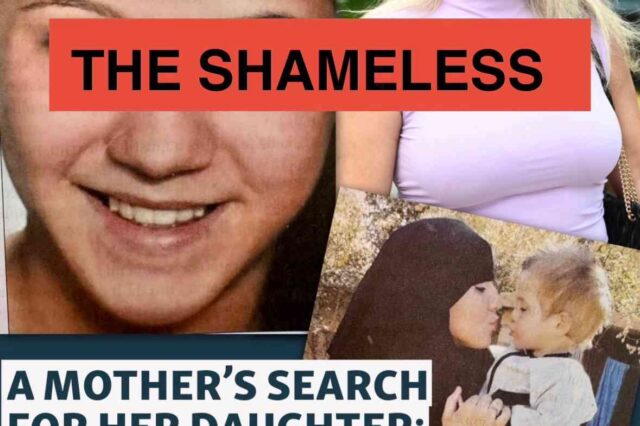
An Austrian woman of Bosnian herring who voluntarily joined isis is being portrayed as the victim of her own story, while the victims of the terrorist organisation she joined remain largely forgotten.…
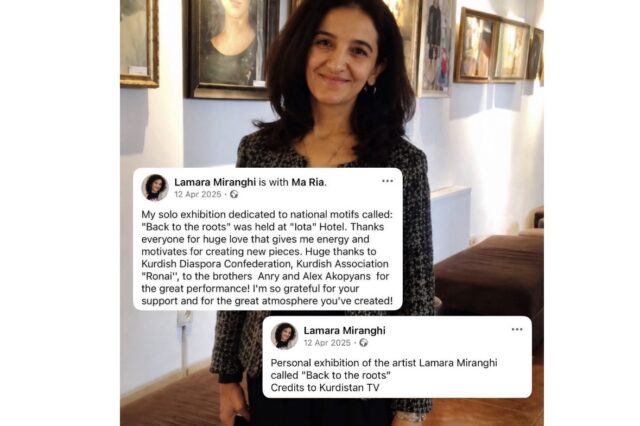
Lamara Mirangi has repeatedly displayed paintings of Ezidi children, traditional clothing and sacred Sharfadin imagery in exhibitions and political settings that present them as Kurdish culture. Her public statements, partnerships with Kurdish…
Reports published in July used [“Yazidi”] as hostile references connected to Yazid ibn Muawiya, although neither report concerned the Ezidi people. Ezidi Times calls on Ezidis to reject imposed spellings beginning with…
Twelve years after the Ezidi genocide, many survivors remain in displacement camps in Iraq, while Ezidi families in Europe continue to face deportation despite unresolved insecurity, trauma and the absence of a…
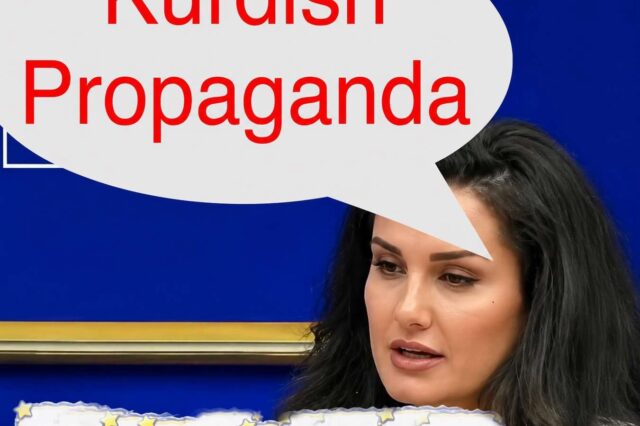
At a European Parliament hearing on women’s rights, Jino Victoria Doabi presented Ezidis, Jews, Christians and others as part of the Kurdish people. Ezidis reject this claim, condemn the use of our…
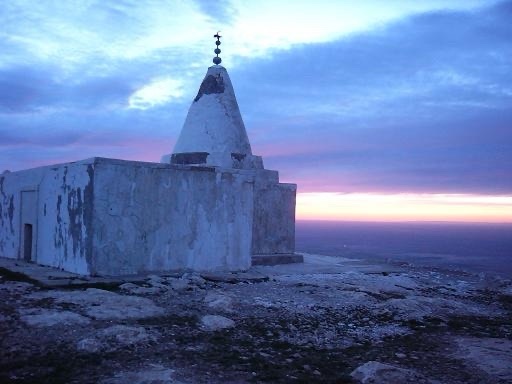
Giorgi (“George”) Gigauri reflects on whether displacement, migration, and integration may threaten the long-term survival of the Ezidi people by weakening the bonds between identity, memory, and ancestral place.
In this opinion piece, Hyman Krasafi reflects on Ezidi political representation in northern Iraq, the demand for a quota seat, and whether political forces will continue to treat Ezidi rights with the…
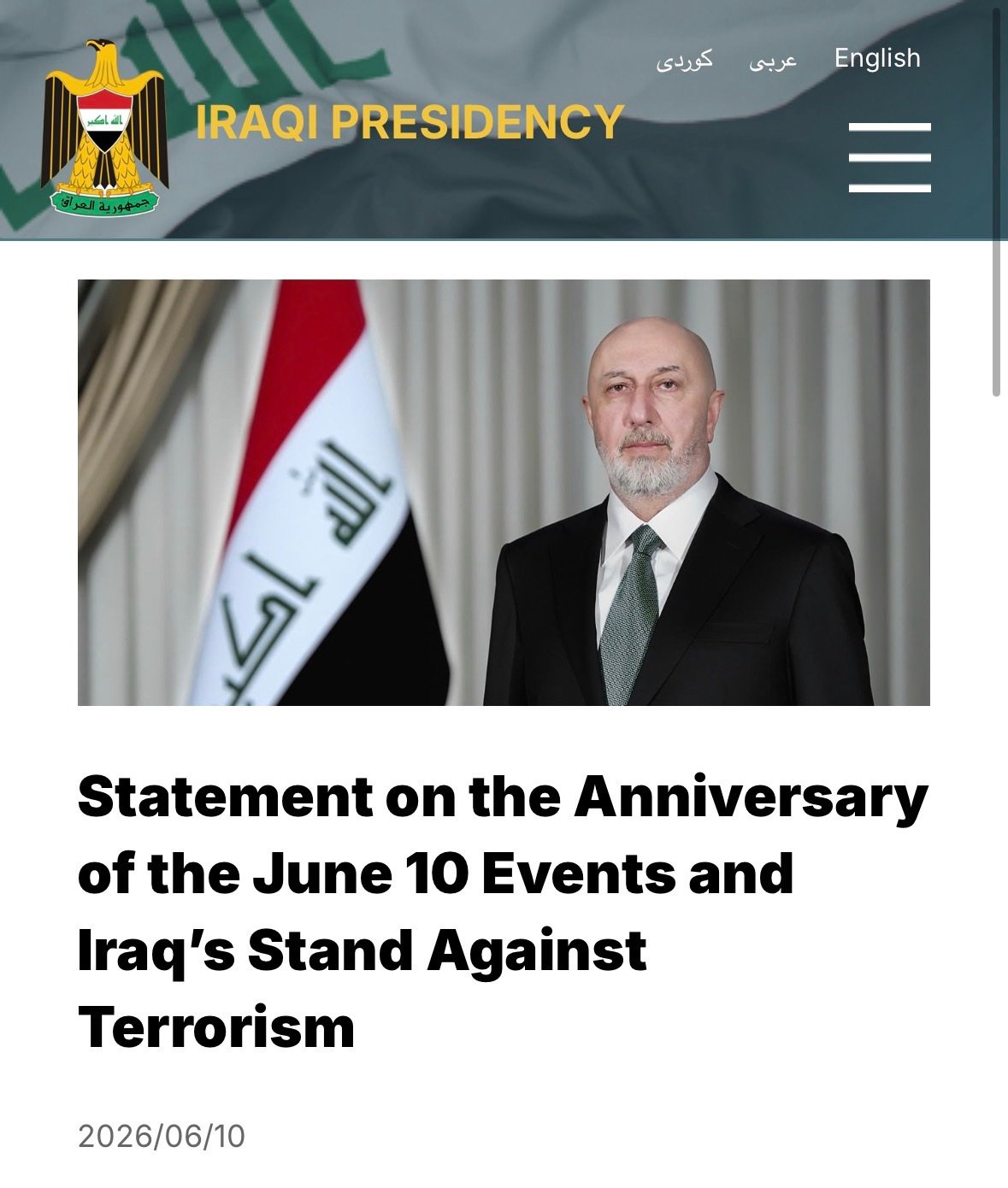
President Nizar Amedi’s statement remembering the Ezidi genocide is not enough. Ezidis need reconstruction, safe return from IDP camps, security guarantees and trials for the perpetrators — not another annual statement.
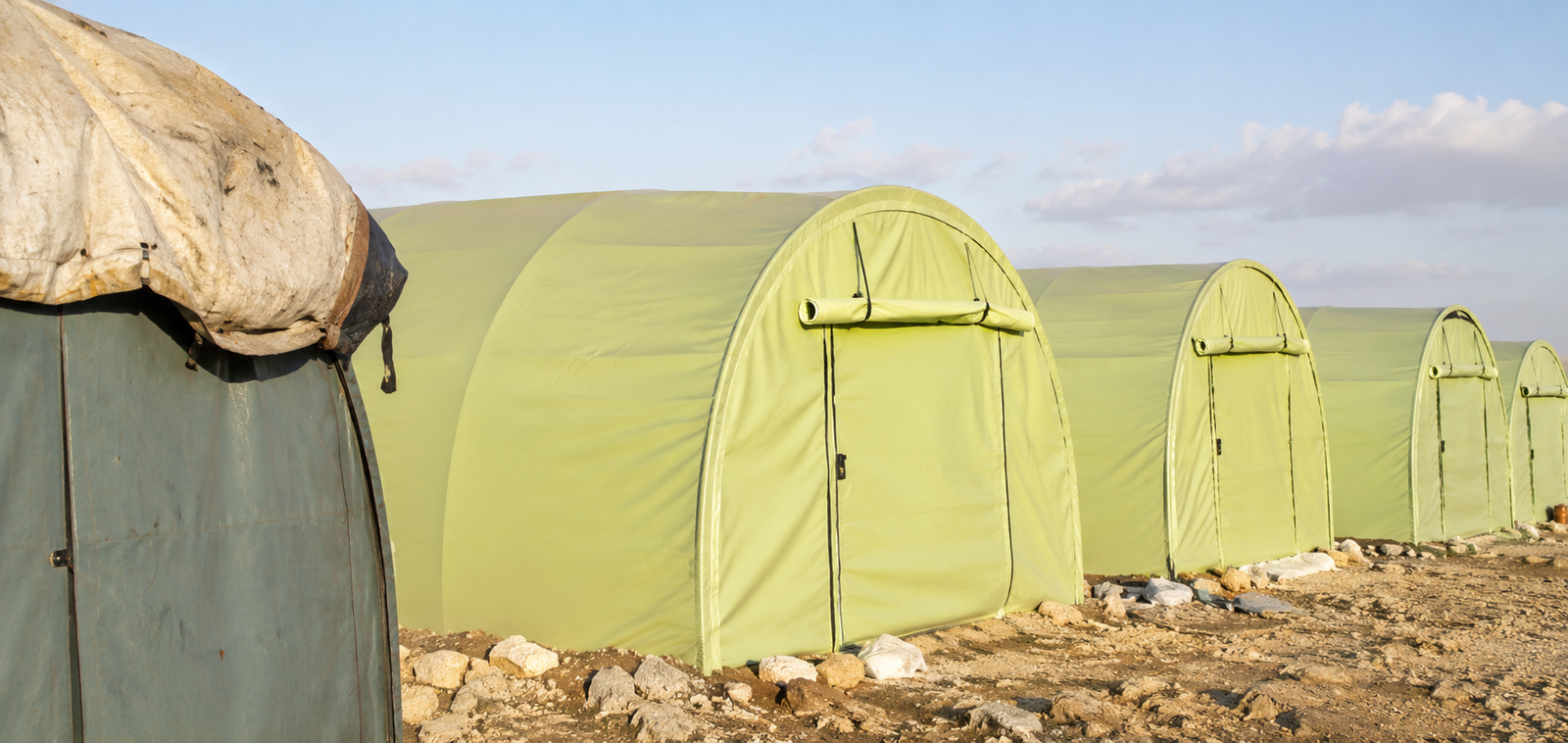
The return remains impossible for many Ezidis despite signs of reconstruction, as insecurity, destroyed homes, political uncertainty and lack of rights continue to shape life after genocide.
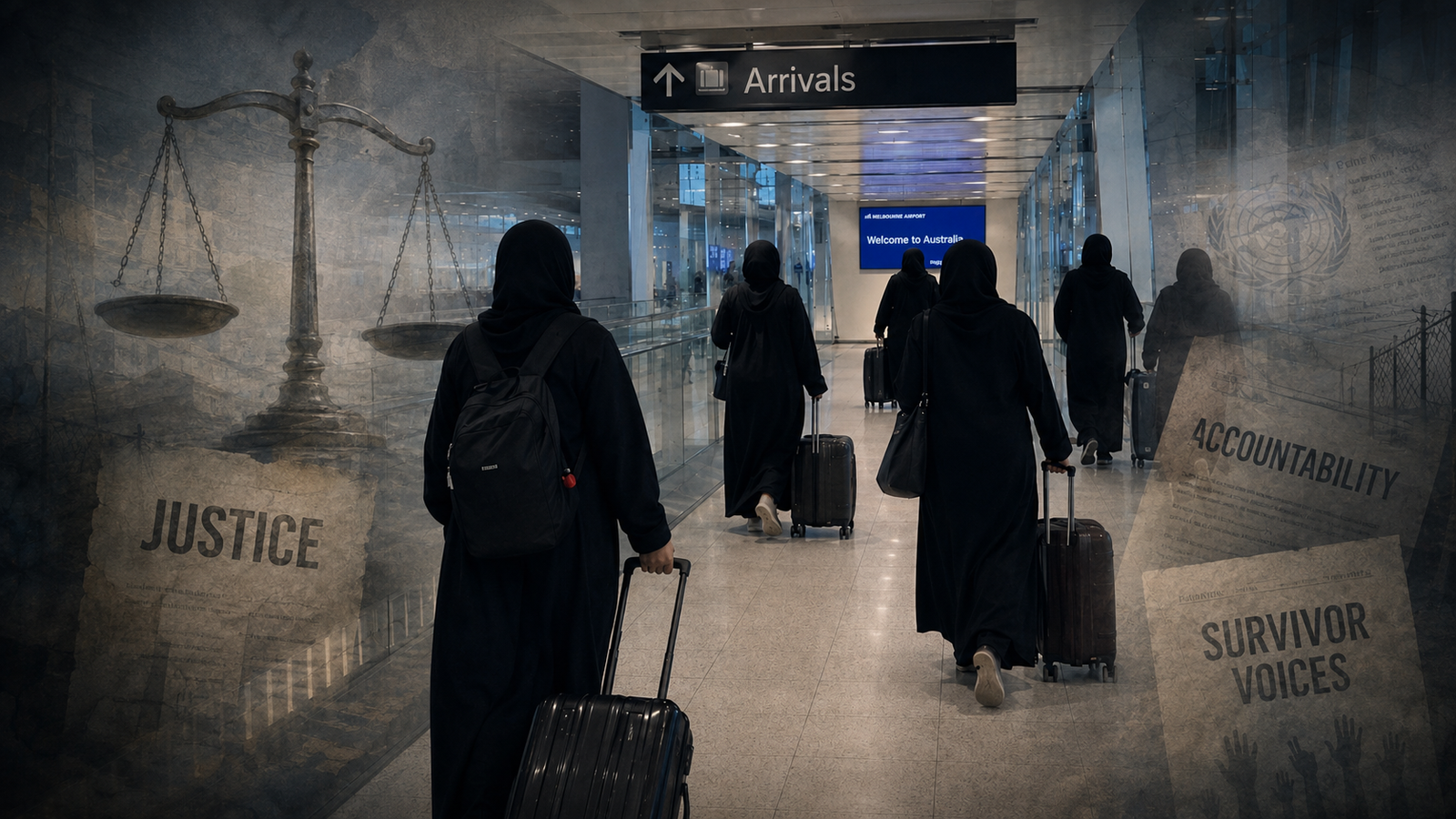
The return of ISIS-associated individuals to Australia has renewed difficult questions about justice, accountability, and survivor recognition. From an Ezidi perspective, the issue is not only about national security or legal process,…
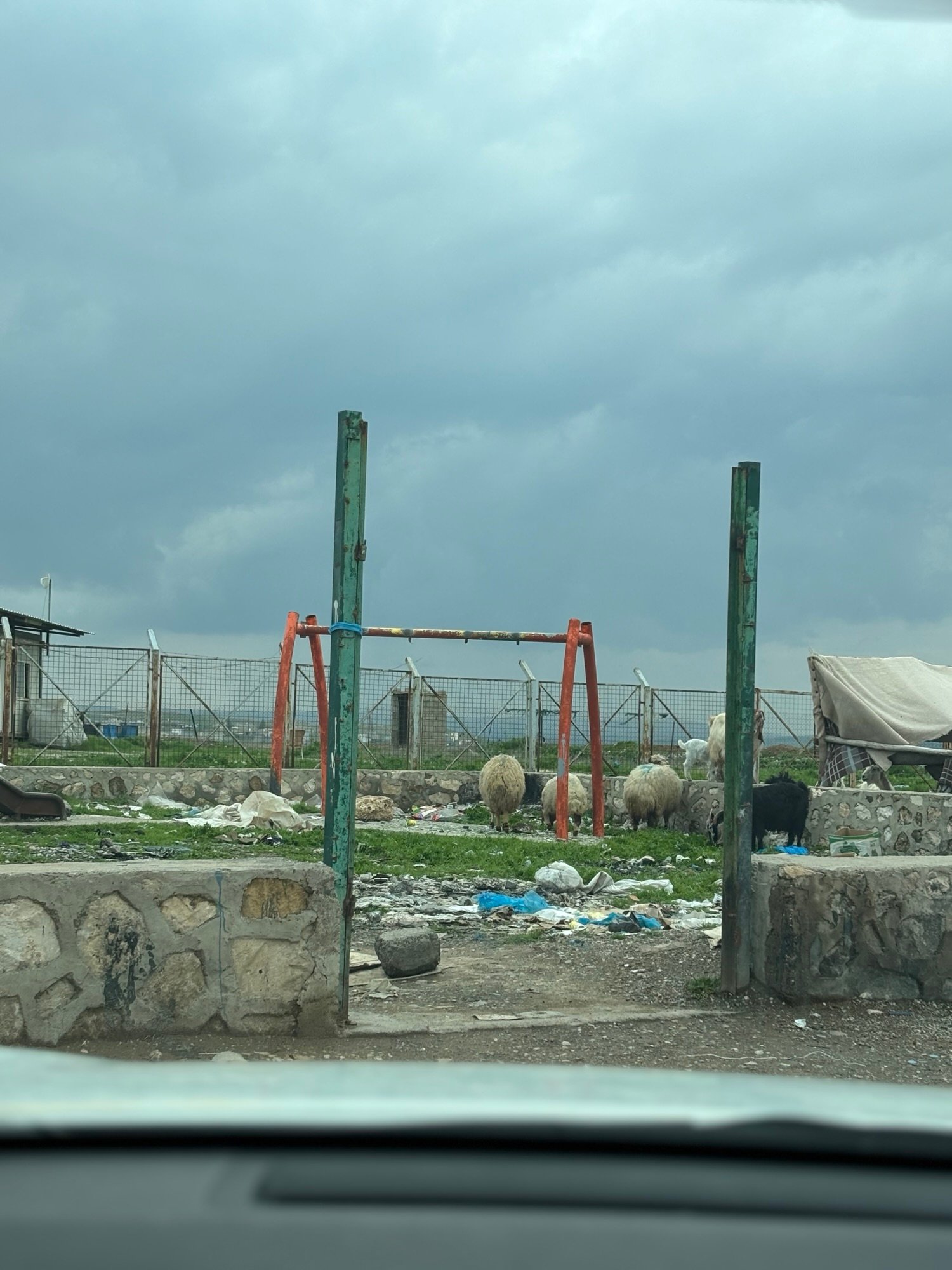
On International Children’s Day, Ezidi Times extends its thoughts to all children affected by war, displacement, and hardship, with special attention to Ezidi children still living in camps in Iraq and growing…