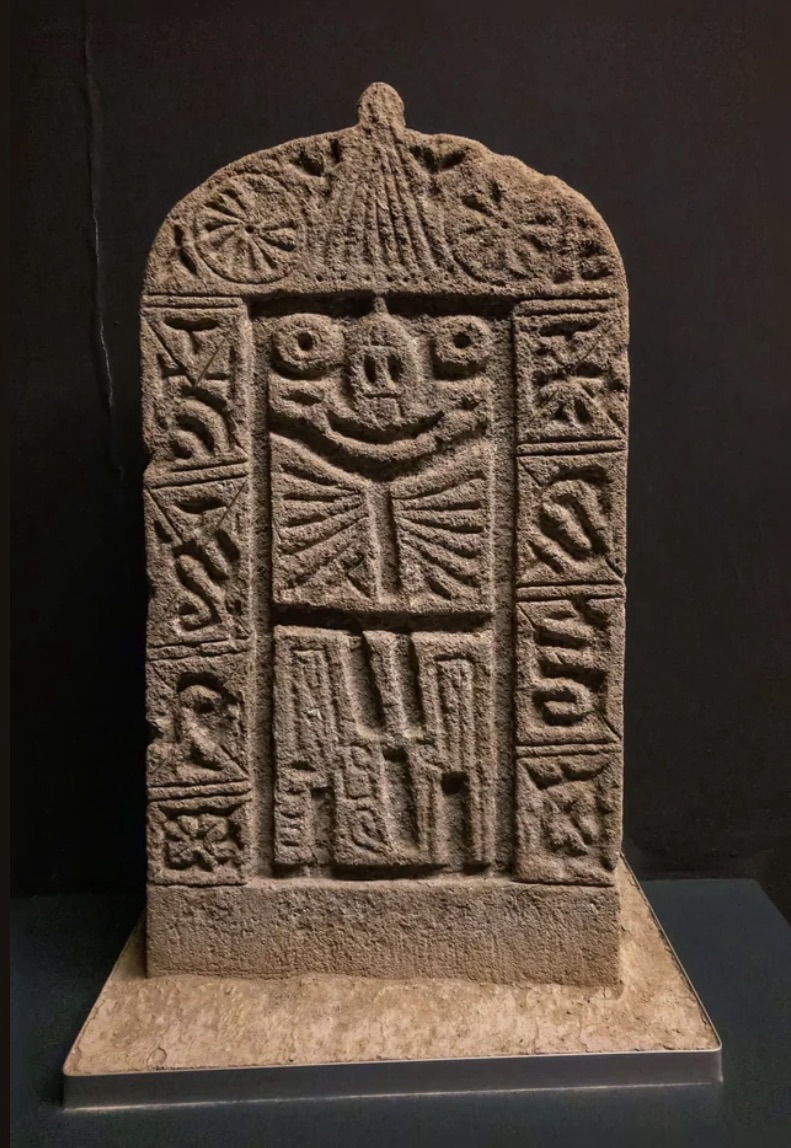
Ezidi Tombstone from the Ottoman Period in Van Museum
A limestone Ezidi tombstone from the Ottoman period is preserved at the Archaeology and Ethnography Museum in Van.
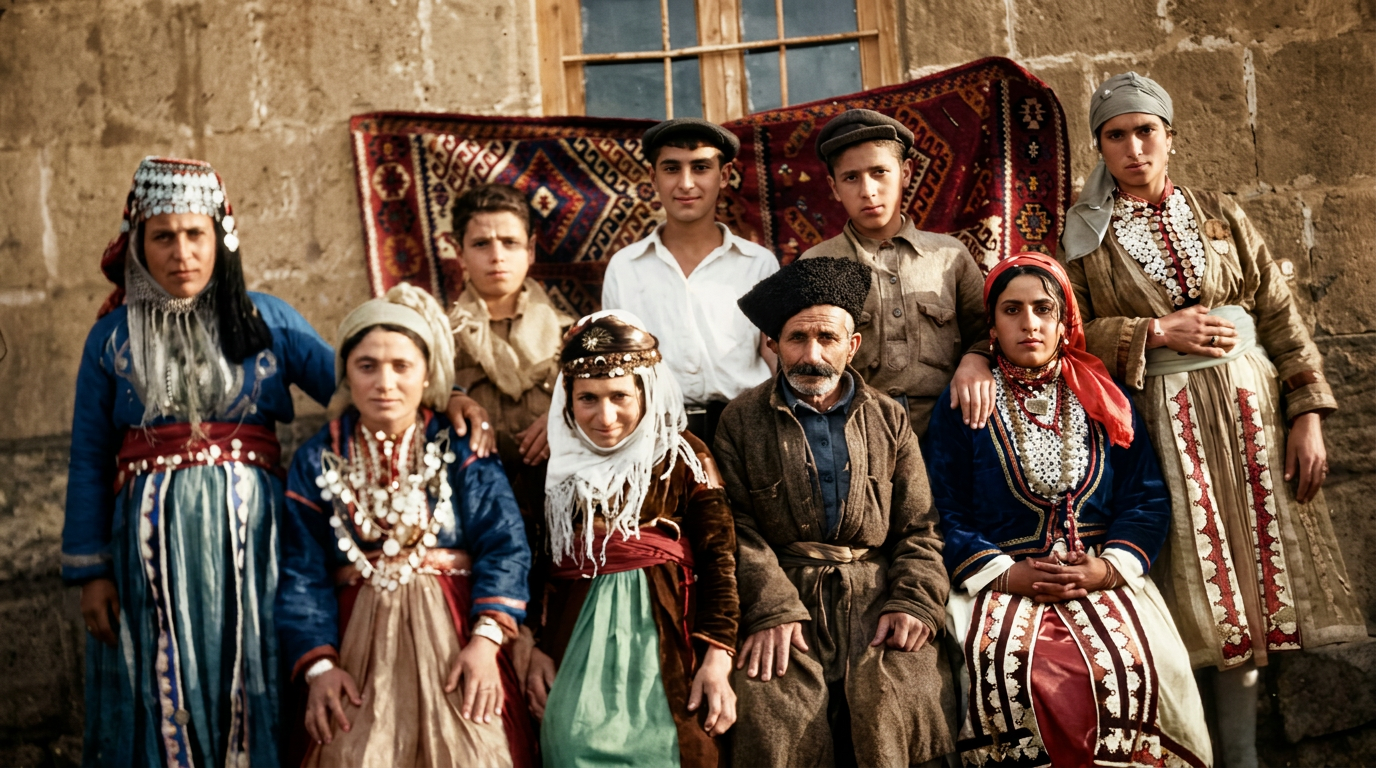
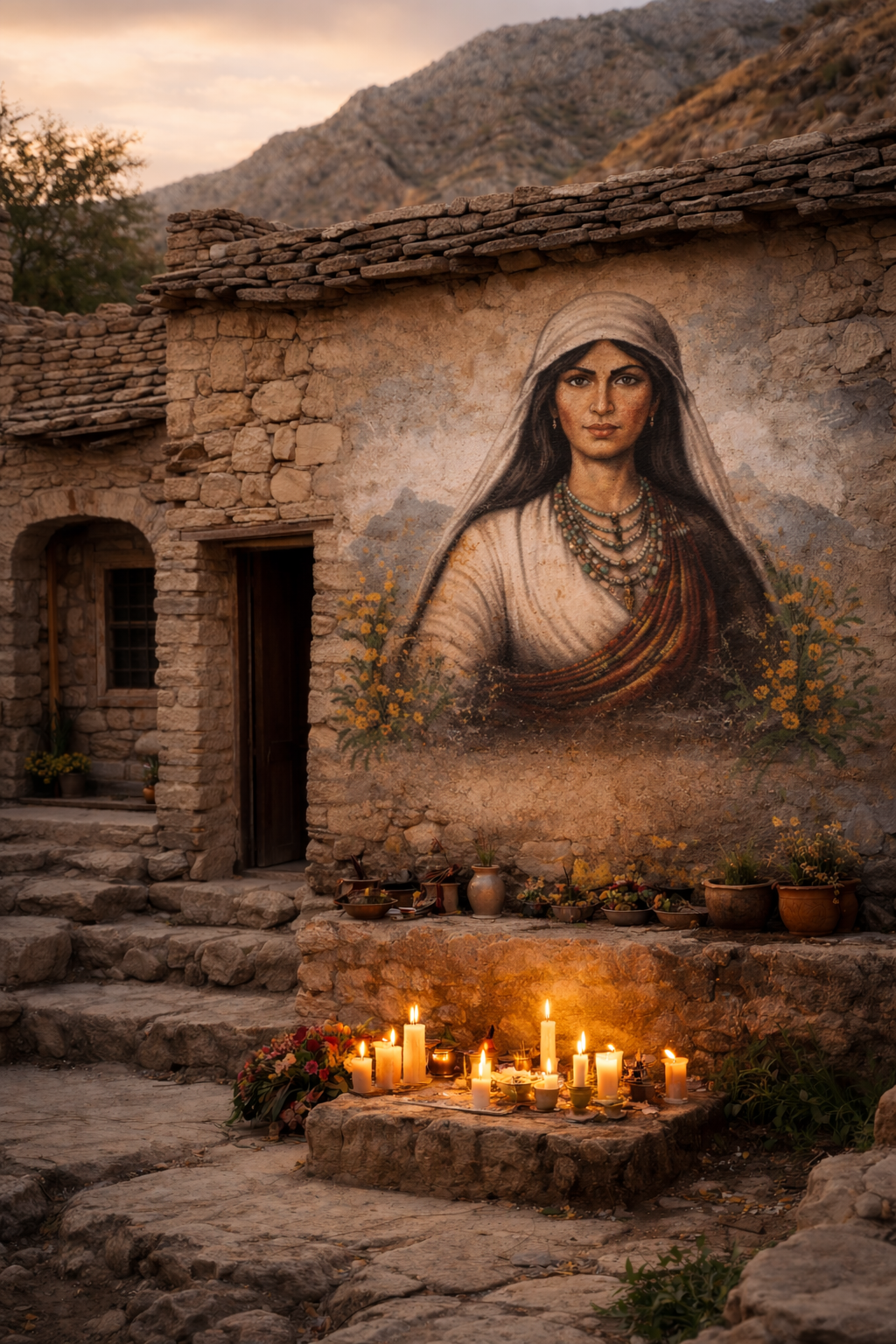
Zerîfe Ûsê, a historic Ezidi resistance figure from Şengal, continues to inspire generations as a symbol of courage, identity, and the enduring strength of Ezidi women and Sharfadin.
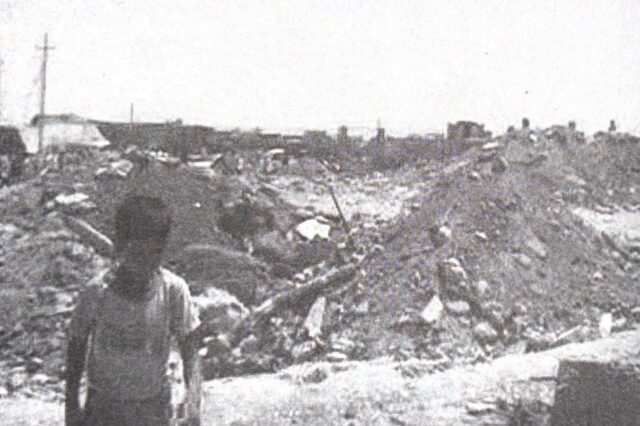
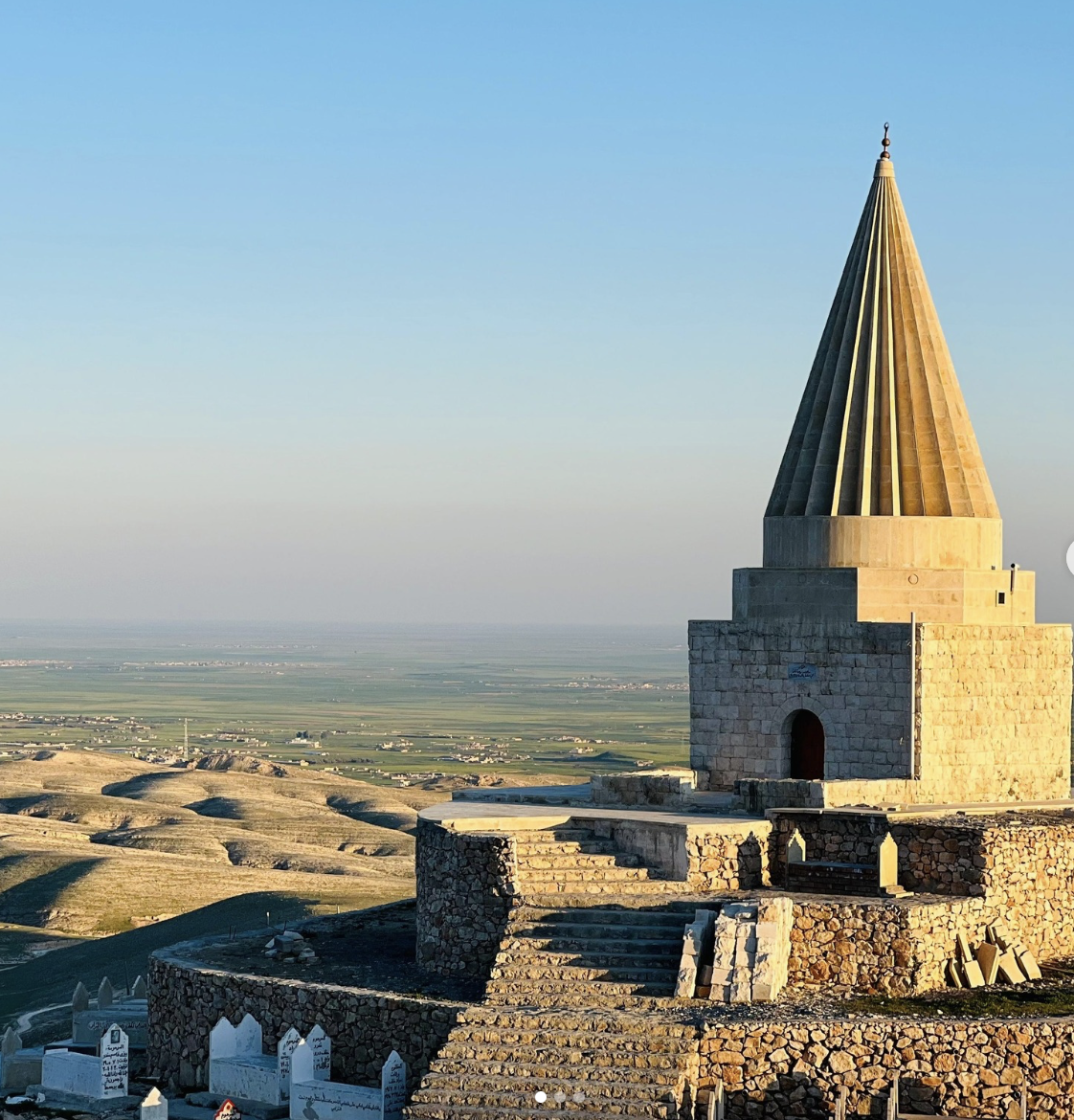
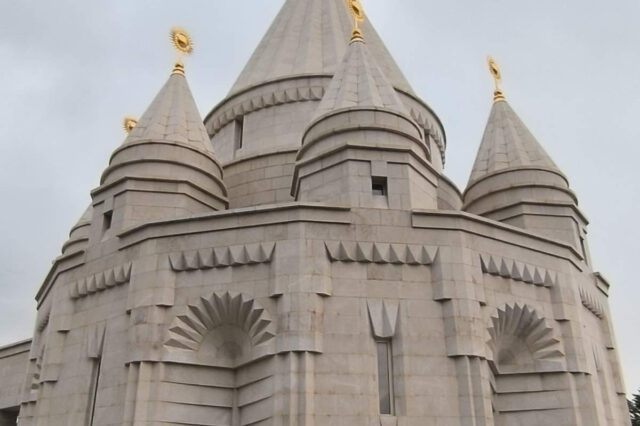
In 2014, the Mam Rashan Shrine on Mount Sinjar was destroyed in a campaign aimed at erasing Ezidis and their faith, Sharfadin. Its demolition was meant to sever a people from their sacred ground. Rebuilt on its original site, the shrine now stands as proof that destruction did not succeed. It is not only stone restored, but continuity reclaimed.
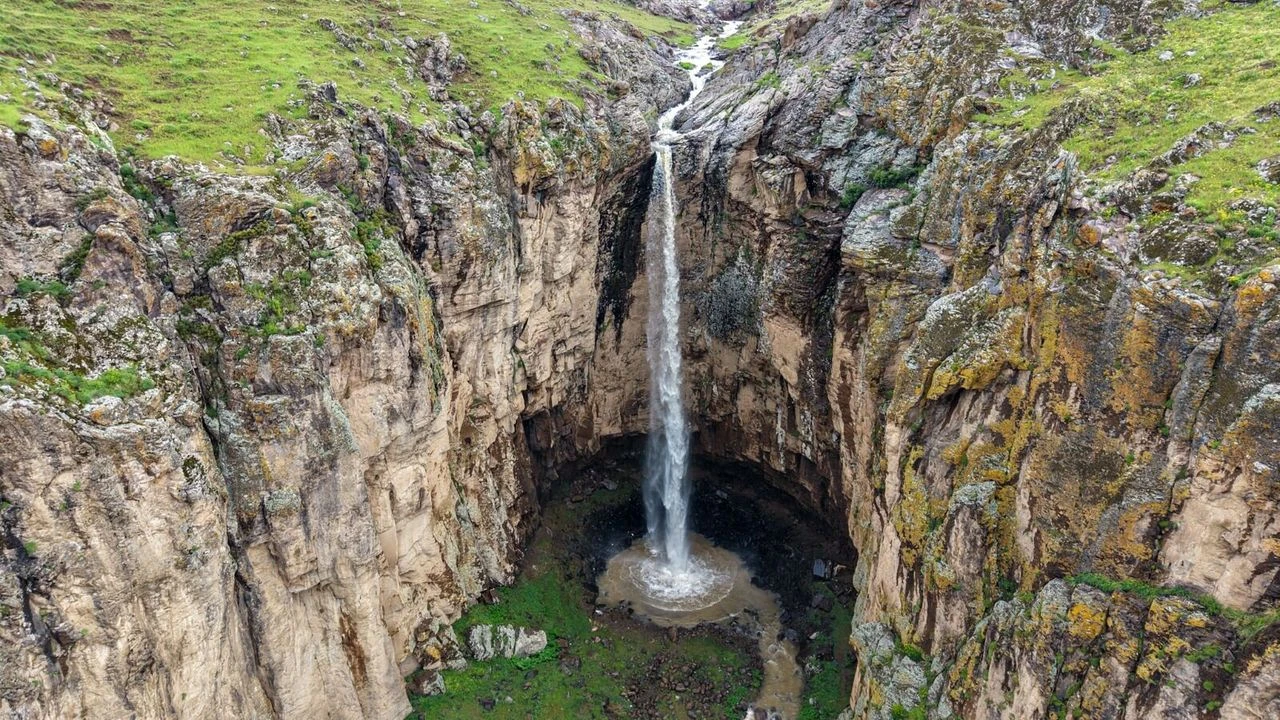
Mağara (Ezidi) Village, once abandoned during decades of violence, is reopening to tourists. The village offers a rare insight into the Ezidis, followers of Sharfadin, and their centuries-old traditions—finally shedding light on a history often misunderstood.
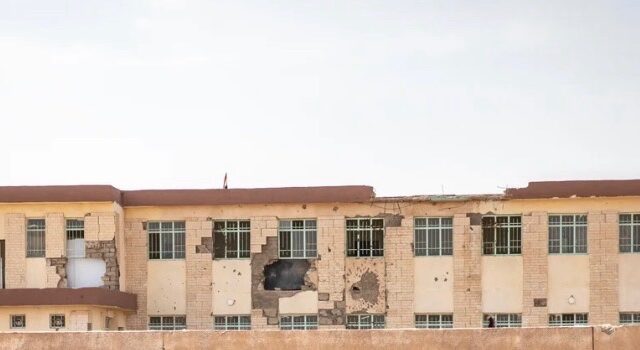
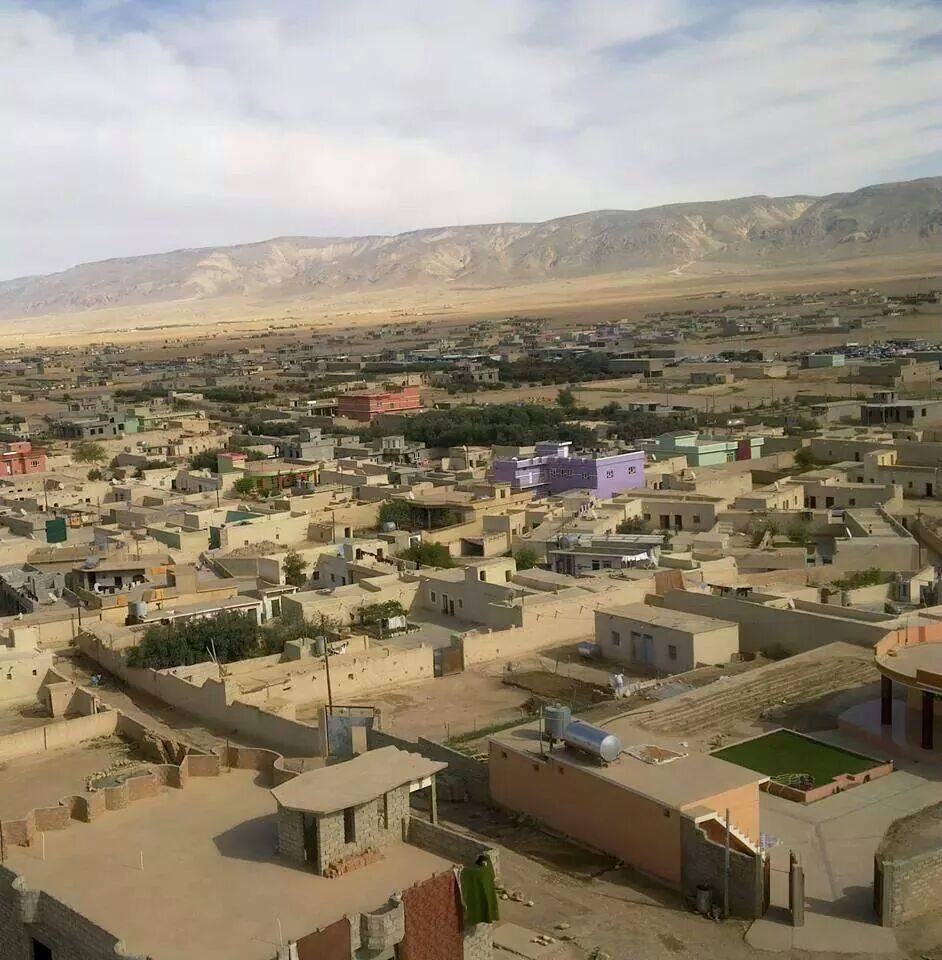
Sinuni, whose name means “our spring” in the Ezidi language, is one of the central towns of the Sinjar region. Once known for its quiet rural life, it was devastated during the 2014 ISIS genocide. Today, Ezidis continue to rebuild it house by house, field by field. Sinuni stands as a place where loss, memory, and resilience meet — a reminder that even after destruction, renewal is possible.