
Stop Using “Devil” Myths About Ezidis

Why are Ezidis still introduced through the false label of “devil worship”? Why are they wrongly presented as part of a Kurdish identity, despite a long history that shows otherwise? And why is the term “Yezidism” used when it does not exist within the religion itself? This article addresses these questions and challenges the narratives that continue to misrepresent the Ezidi people and their religion, Sharfadin.

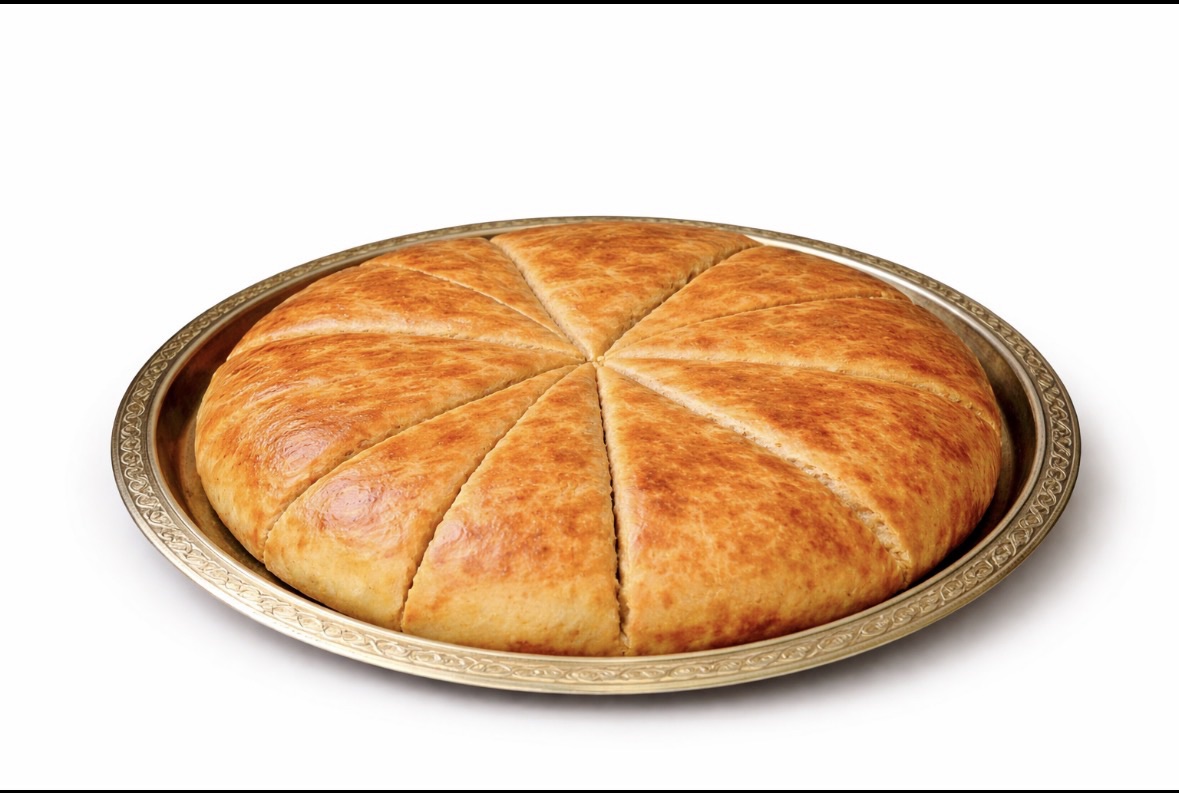
Klocha Sare Sale: The Ezidi Cake Tradition “Kloch” 🥮

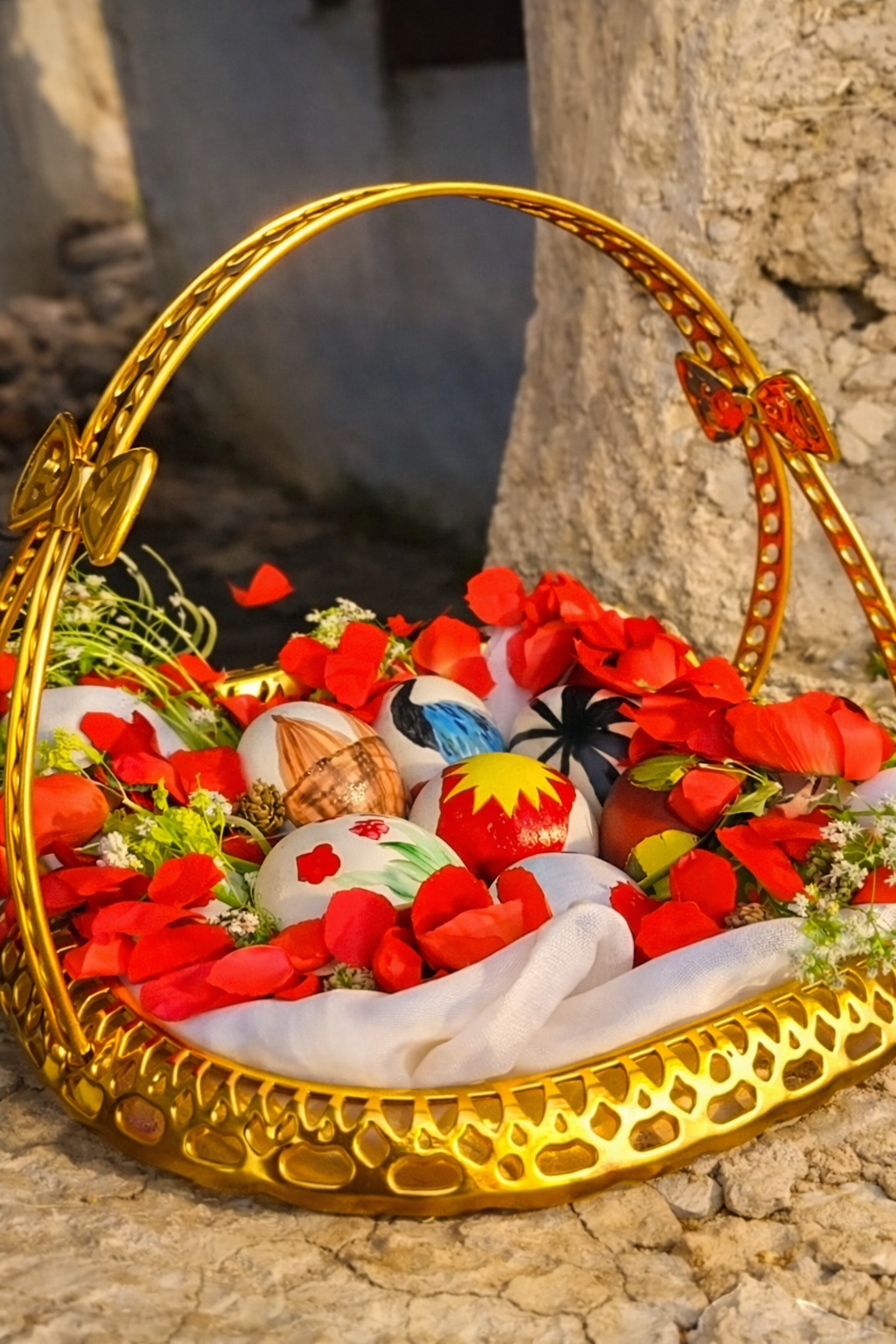
Klocha Sare Sale is a traditional Ezidi New Year cake celebrated mainly among Ezidis from the former Soviet Union. Marking renewal and the arrival of spring, the ritual involves baking a special cake with a hidden bead or coin. During a family gathering, the cake is cut with a symbolic “plough” line and divided—first as offerings to holy beings, then among family members. The person who receives the hidden piece is believed to be blessed for the coming year. Rooted in Sharfadin, the tradition reflects both spiritual meaning and the natural cycle of rebirth.

The Holiday of Xidir Nebî and Xidir Êlyas

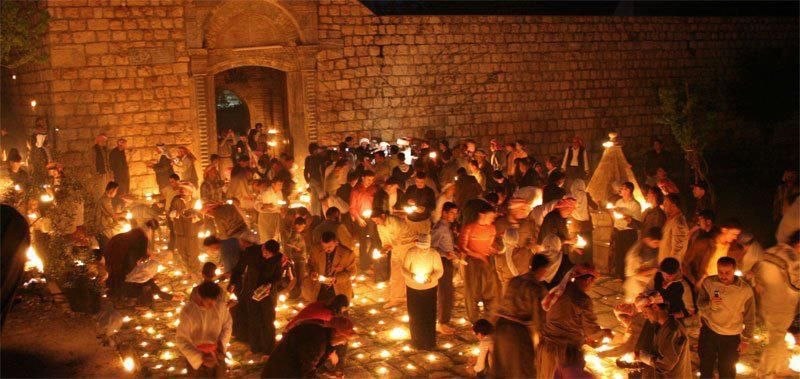
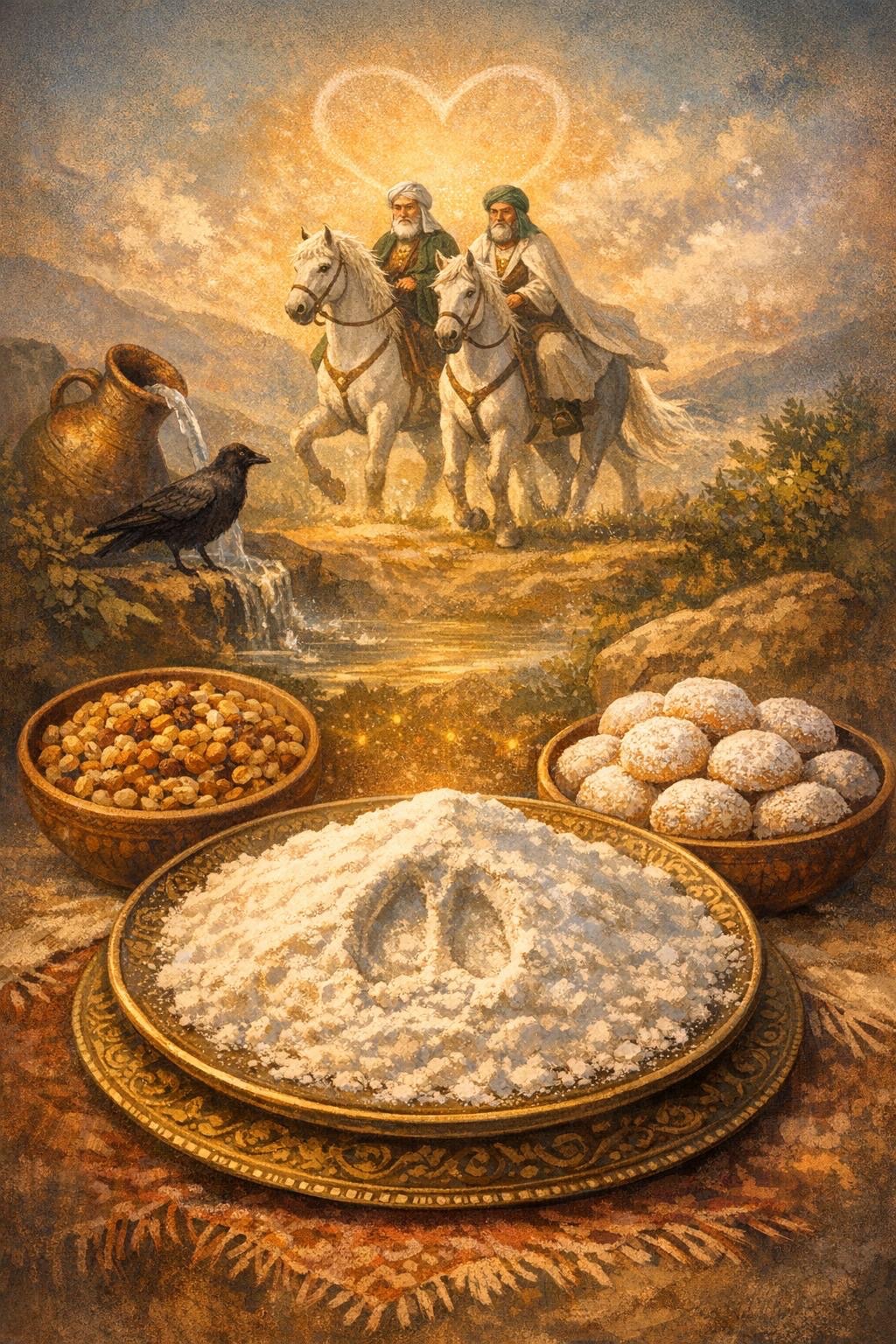
The holiday of Xidir Nebî and Xidir Êlyas is one of the most important religious celebrations among Ezidis, honoring two revered saints associated with protection, love, and life. Though venerated across multiple cultures—from Iran to Armenia and beyond—Ezidis maintain distinct traditions that blend sacred texts, local legends, and ancient rituals. The festival involves fasting, special plant-based dishes, and symbolic practices such as pêxûn preparation, hair-cutting for blessings, and matchmaking customs rooted in dreams. Folk celebrations include communal gatherings, ceremonial songs, and playful rituals like dolidang, connecting spiritual devotion with social cohesion. Across history, Xidir and Êlyas have absorbed traits from pre-Islamic and pre-Christian myths, linking Ezidi practice to ancient regional narratives of divine guidance and the quest for life-giving waters.

The Holiday of Xidir Êliyas and Xidir Nebî in Sharfadin

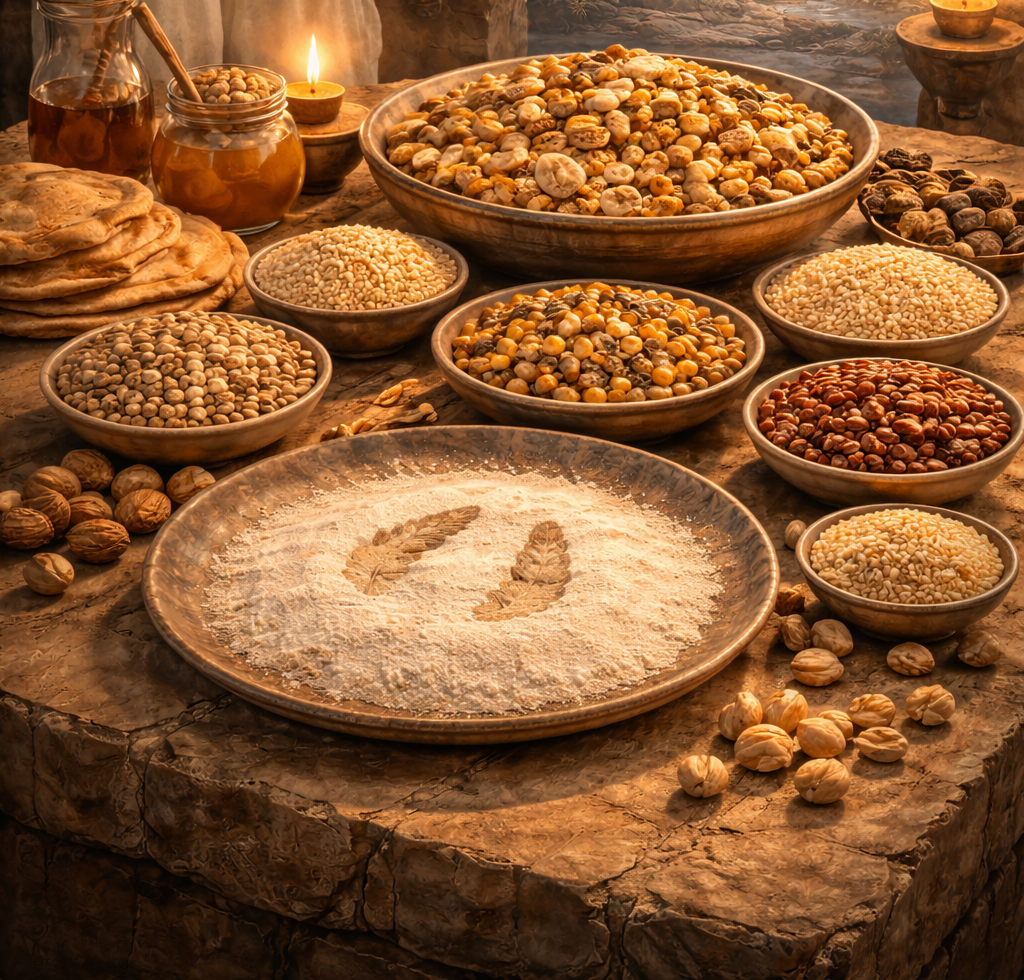
The holiday of Xidir Êliyas and Xidir Nebî is a sacred Ezidi holiday honoring the immortal saints Xidir Êliyas and Xidir Nebî, guardians of life, love, and protection. Observed each year in February, the days combine voluntary fasting, preparation of symbolic foods called the Sacred Seven, and rituals that invite blessings into the home. From the mystical hoofprint sign to the making of Pekhûn, the holiday celebrates healing, divine guidance, and the renewal of both body and spirit.