

Ezidi Holidays

Разоблачение курдской лжи о «поддержке езидов»

Езиды отвергают попытки представлять их как «курдов» и требуют уважения к своей идентичности. Истинная поддержка и безопасность для Шенгала зависят только от самих езидов, а не от политиков или внешних акторов.

Езиды отвергают неправильное представление и защищают суверенитет Синджара

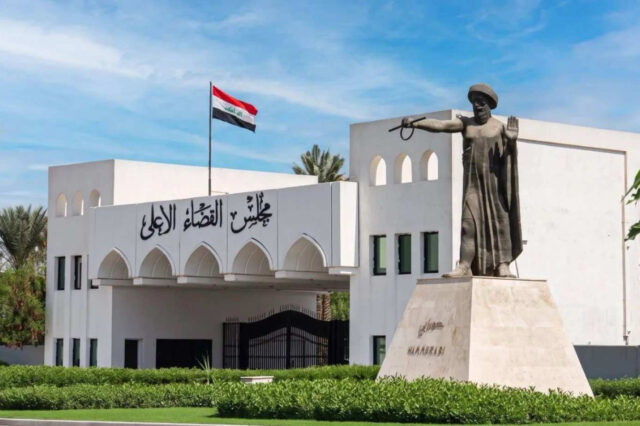
Езиды отвергают любое представление без согласия сообщества. Альянс за Езидское Дело подчеркивает, что Синджар — исключительно иракское дело, и его безопасность, возвращение и политическое представительство должны решаться самими езидами, без внешнего вмешательства.

Exposing the Kurdish Lies About “Ezidi Support”

Rudaw claims that Ezidis are “Kurds,” repeating the long-standing attempt by Neçirvan Barzani and the KRG to co-opt our identity. Ezidis are our own people, followers of Sharfadin, with our own history, rights, and voice. Germany supports displaced Ezidis because it is their responsibility, not because of Barzani. Calling us “Kurdish Ezidis” erases our identity, hides decades of marginalization, and tries to use us for political gain. Ezidis are independent, and no politician or media outlet can rewrite our history or take away our future.

Nadia Murad Meets European Parliament President, Renewing Focus on Accountability for Crimes Against Ezidis

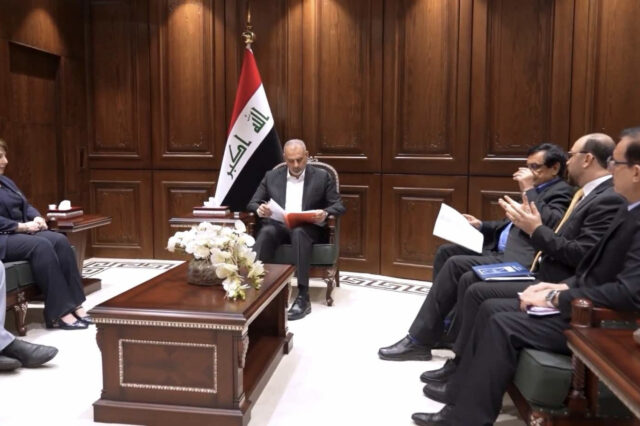
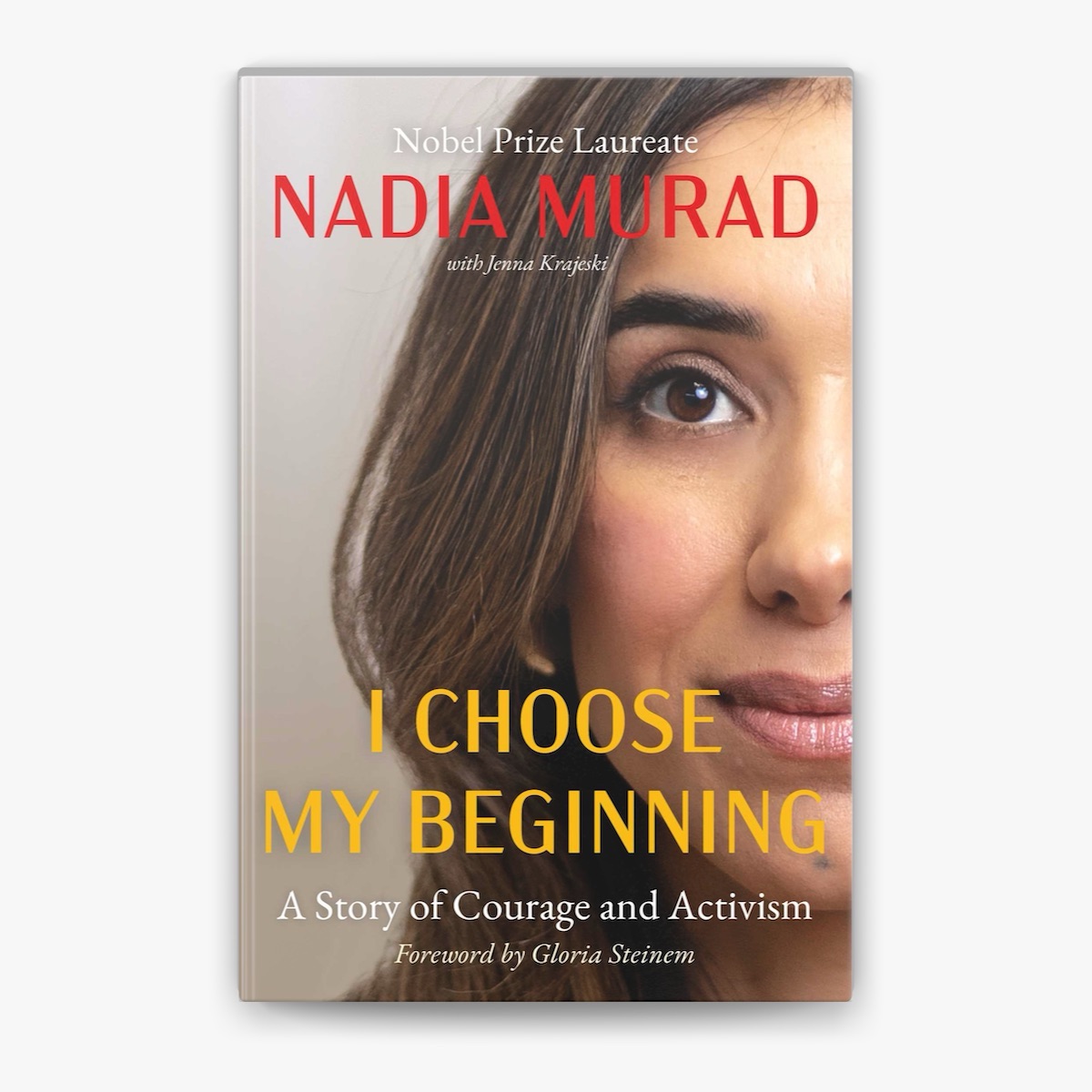
Nadia Murad met with European Parliament President Roberta Metsola in a discussion reinforcing international attention on accountability for the 2014 genocide against Ezidis in Iraq. A survivor of the genocide, Murad has spent the past decade advocating for justice, recognition, and protection for survivors of sexual violence in conflict. The meeting highlights continued engagement between European institutions and global advocates working to ensure that crimes committed against Ezidis and their Sharfadin faith remain recognised and addressed at the international level.

Military Shifts at the Syrian Border Raise Concerns in Sinjar

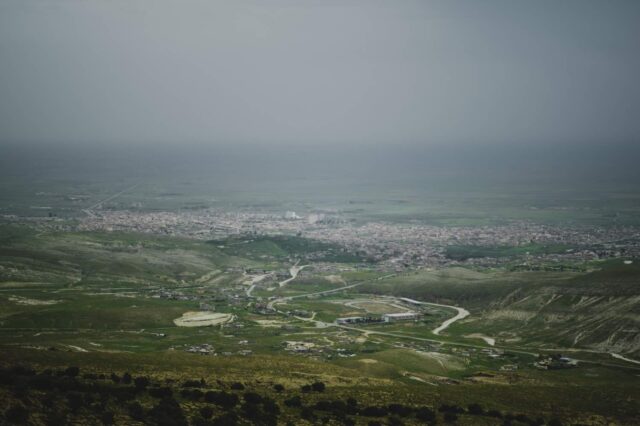
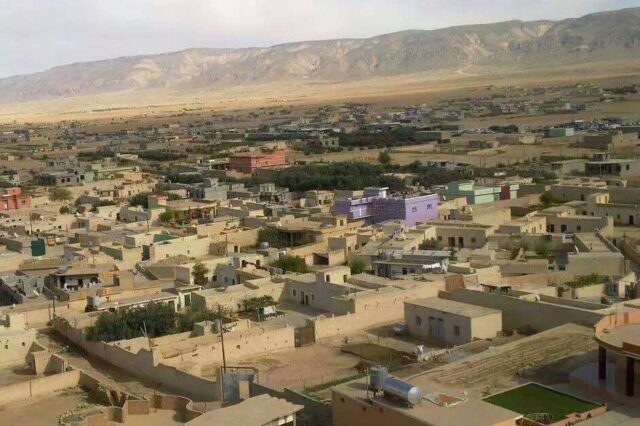
Recent military developments along the Syrian-Iraqi border have drawn significant attention in Sinjar, an area that remains deeply marked by the events of 2014. The arrival and positioning of forces aligned with the Syrian state near the border has prompted heightened alert among local defense groups and residents, reflecting longstanding fears shaped by past violence against Ezidis.

‘They Were Our Friends’ — Betrayal in Iraq

Trust between neighbors can be as fragile as it is sacred. In northern Iraq, lifelong bonds between Ezidi families and their Arab neighbors unraveled in the face of ISIS violence. What once was a relationship built on shared meals, trade, and mutual support turned into fear and pursuit, forcing families to flee overnight. Stories like these reveal not only the brutality of violence, but also the deep emotional wounds left when trust is broken by those once considered friends.

3–4 февраля 2026 года: езиды отмечают Шевберат

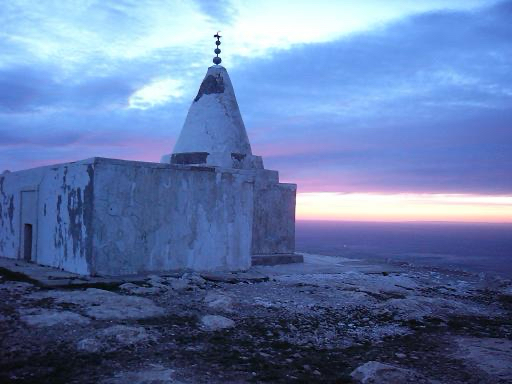
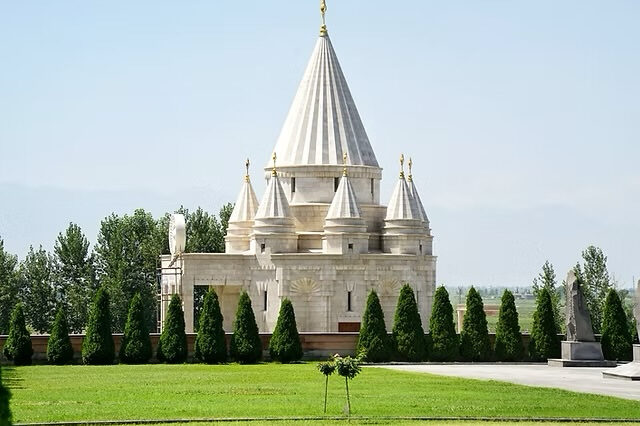
Ночь между 3 и 4 февраля — это Шевберат, священная ночь очищения и прощения для езидов. В эту ночь езиды молятся, слушают кевлы и обращаются к вере Шарфадин, а в Лалише бодрствуют и изготавливают бераты из священной земли и воды Кании Сипи.

Ezidi Girl Receives Citizen of the Year 2026

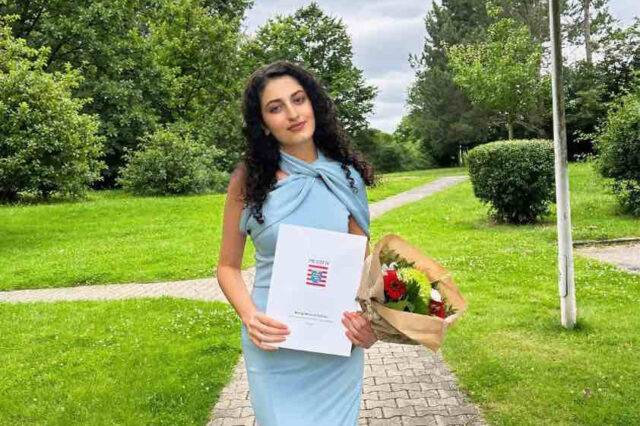
An Ezidi girl has been recognised at the Coffs Harbour Australian Citizen of the Year Awards 2026. Mayada Oso, who arrived in Australia in 2018 after surviving the Ezidi genocide, received the Young Citizen of the Year award for her achievements in education and her work supporting students. Her journey from captivity to leadership and service reflects the resilience of Ezidis and their continued strength after genocide.

Recognition of Bangladesh Genocide: Assessing Through the Lenses of International Criminal Law

Bangladesh’s 1971 genocide remains largely unrecognized internationally, despite clear evidence of mass killings, sexual violence, and attacks on intellectuals. This analysis examines the events through international criminal law, highlighting the urgent need for recognition, justice, and remembrance—lessons that resonate deeply with Ezidis and all peoples who have endured systematic persecution.

Close