
In Germany, the debate over the protection of Ezidis has entered a critical new phase. While the German Bundestag formally recognized the genocide against the Ezidi people in 2023, that recognition has not led to stronger legal protection for Ezidis facing possible return to Iraq.
This gap between political recognition and practical protection is now becoming more visible. In North Rhine-Westphalia, the state government has pushed for a more secure residence perspective for Ezidis, arguing that the consequences of genocide, displacement and persecution continue to shape the lives of survivors and their families. However, the federal government has rejected the idea that the recognition of the Ezidi genocide should automatically affect asylum or residence law.
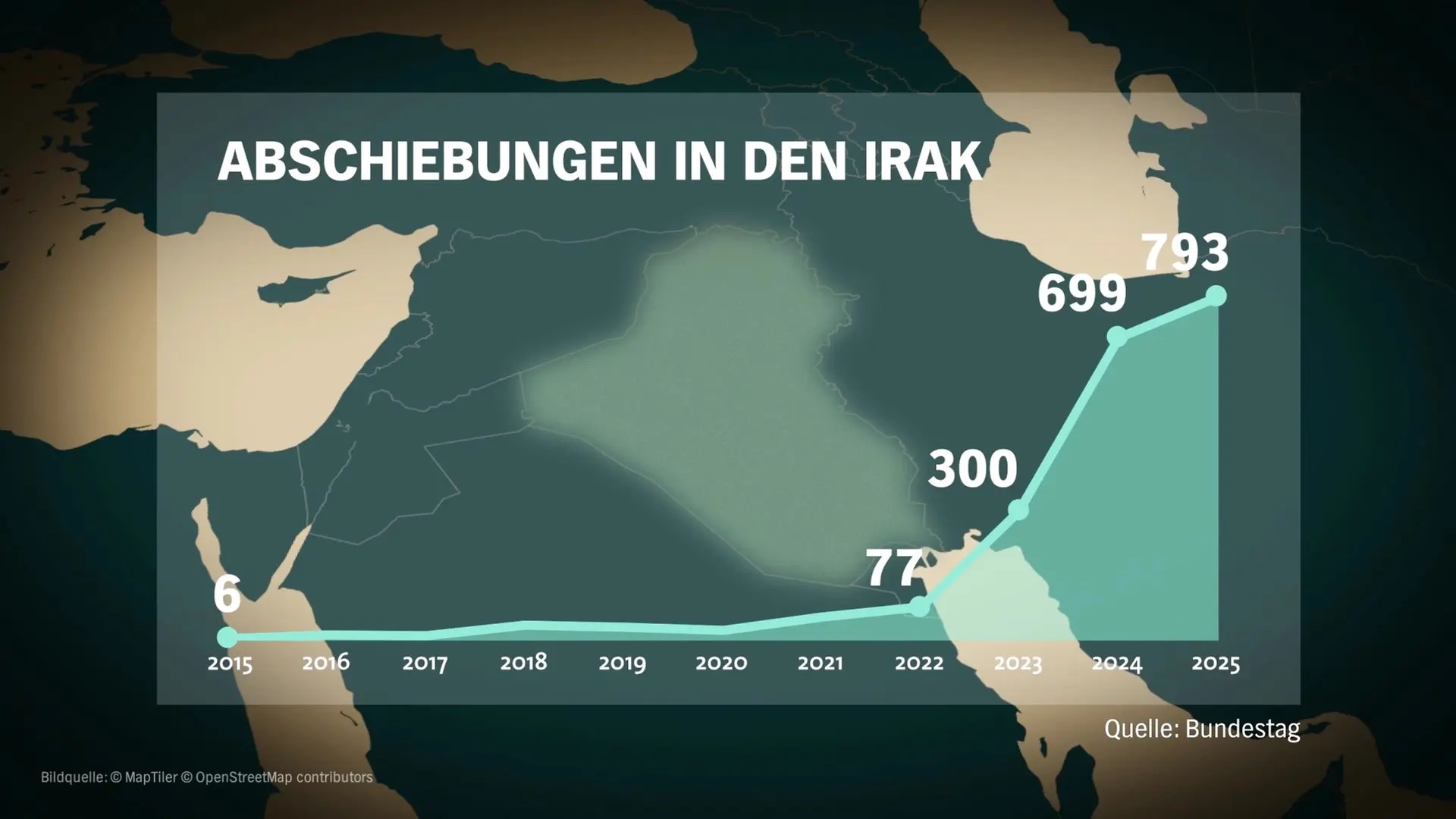
The result is a painful contradiction. Germany has acknowledged that the Ezidi people were targeted for destruction by ISIS, yet many Ezidis from Iraq continue to face uncertainty in their asylum cases. Some may even be threatened with deportation to the same country where the genocide took place.
The situation has become especially alarming because the protection rate for Ezidis from Iraq has declined sharply over the years. In 2014, when ISIS carried out its genocidal campaign, most Ezidi asylum seekers from Iraq received protection in Germany. By 2025, that rate had fallen significantly. For many Ezidi families, this has created fear that Germany’s political recognition of their suffering does not translate into real safety.
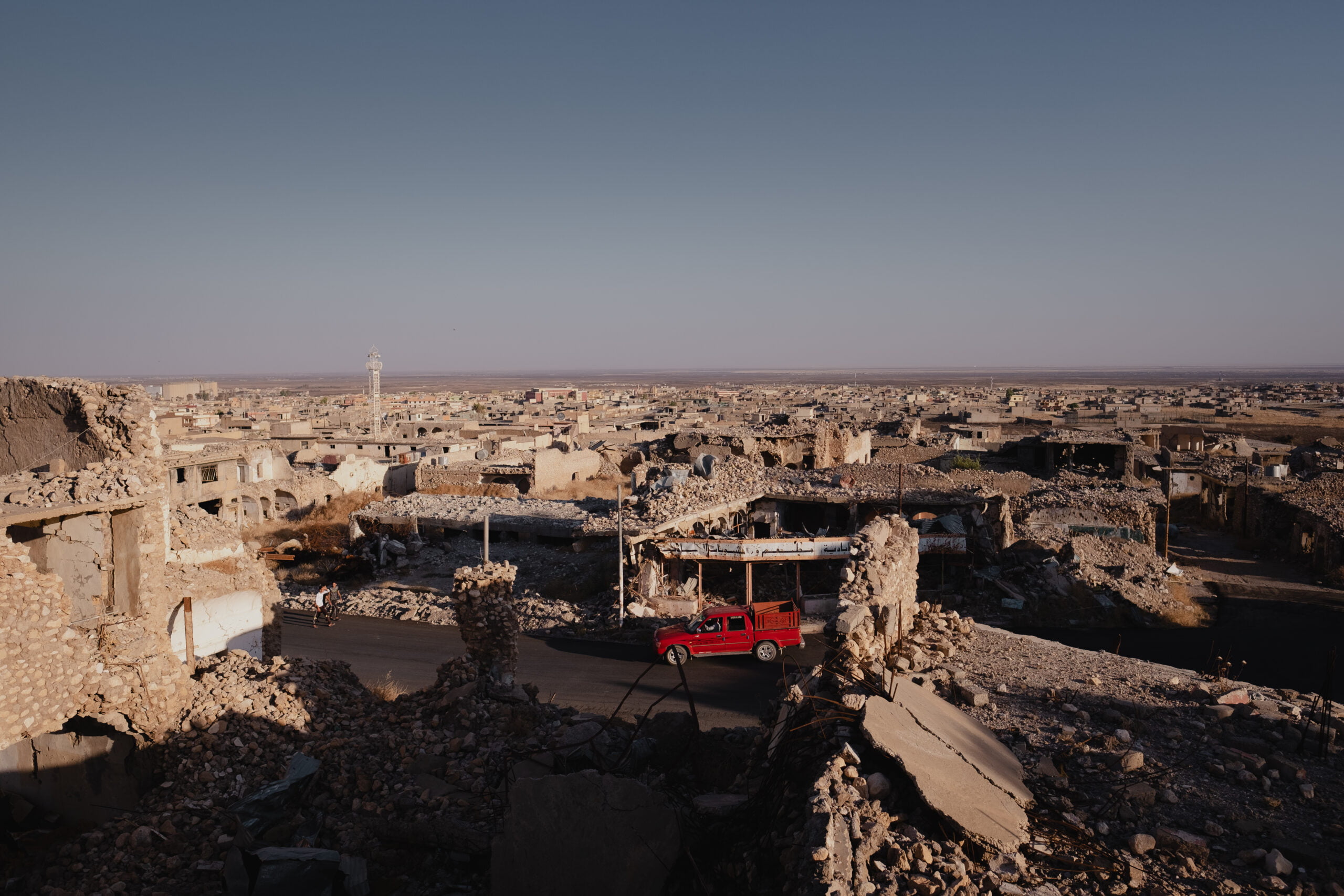
The danger for Ezidis in Iraq has not disappeared. Many survivors remain displaced. Villages have not been fully rebuilt. Some areas remain unsafe, damaged, mined or unstable. Families who fled violence often have no secure home to return to. For survivors of genocide, return is not simply a legal question. It is a question of trauma, safety, dignity and the right to rebuild life without fear.
The issue is also dividing political positions within Germany. Some regional politicians argue that recognition of genocide must carry responsibility. They believe that Germany cannot acknowledge the destruction inflicted on the Ezidi people while at the same time treating their protection as an ordinary migration matter. From this perspective, the state has a moral duty to provide legal certainty, especially for survivors and families who have already built their lives in Germany.
The federal position remains different. Authorities continue to say that each asylum case must be examined individually and that the Bundestag’s recognition of the genocide does not automatically change asylum or residence rules. This means that Ezidi identity, even when connected to genocide survival, does not by itself guarantee protection.
For Ezidi families, this legal approach can have devastating consequences. Some families who fled Iraq as children, reunited with parents years later, and built a new life in Germany are now facing the possibility of being separated again. In some cases, elderly or vulnerable family members who struggle with language requirements or formal integration criteria may be at risk despite the broader historical context of genocide and displacement.
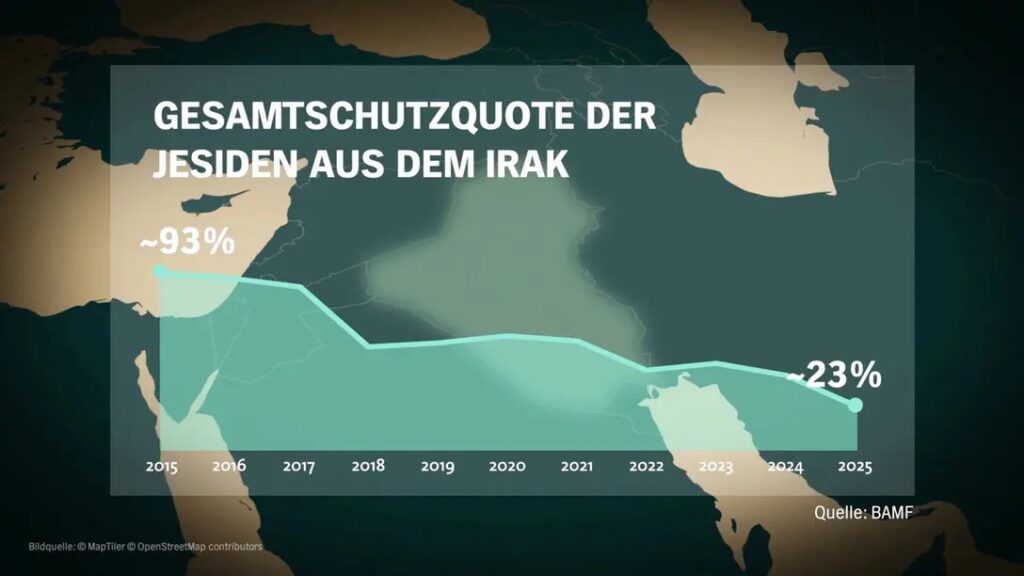
This situation raises a larger question for Germany: what does genocide recognition mean if it does not provide practical protection for the victims?
For Ezidia, the genocide was not only a past event. Its consequences remain present in trauma, family separation, destroyed villages, missing relatives, and the continued insecurity of life after displacement. The Sharfadin faith and Ezidi identity were targeted by ISIS with the aim of destruction. Any protection policy that ignores this reality risks reducing genocide recognition to symbolism.
Germany’s recognition of the Ezidi genocide was an important political step. But recognition without legal security leaves many survivors in fear. If Germany truly acknowledges what happened to the Ezidi people, then protection, residence stability and family unity must become part of that responsibility.