
This article is based on reporting by Alexandra Schaller for the German platform Berliner Morgenpost and the field impressions from journalist Jan Jessen’s reporting in Shingal and the podcast “Im Krisenmodus.”
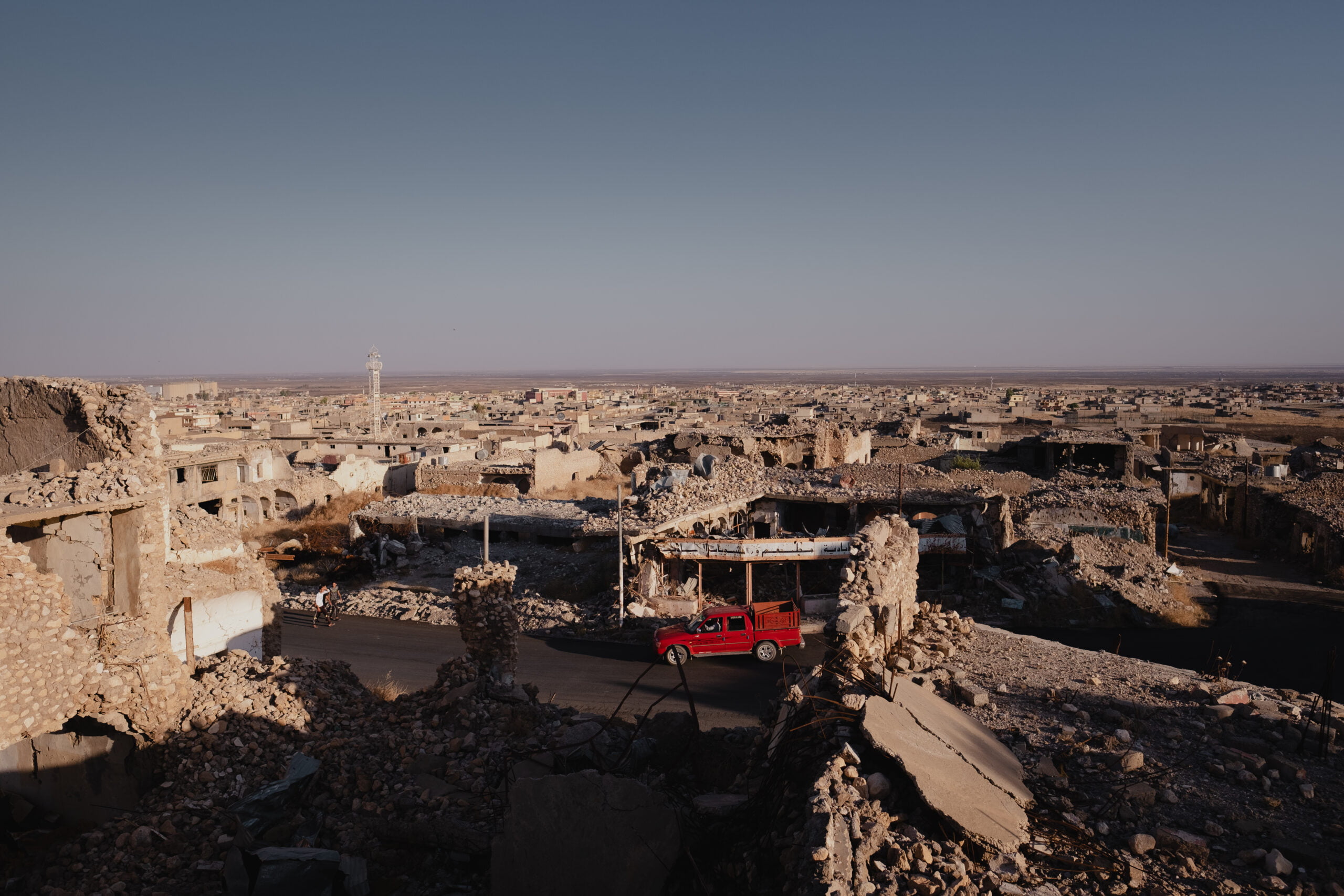
Twelve years after the ISIS genocide against the Ezidi people in Iraq, parts of Shingal show visible signs of life again. Men sit outside tea houses, children walk through the streets with schoolbags, and some families have returned to work their land. At first glance, these scenes may suggest that life is slowly being rebuilt. But behind the signs of return, the consequences of genocide remain deeply present. Many houses are still destroyed, thousands of families remain displaced, and for many Ezidis, returning to Shingal is still not a realistic option.
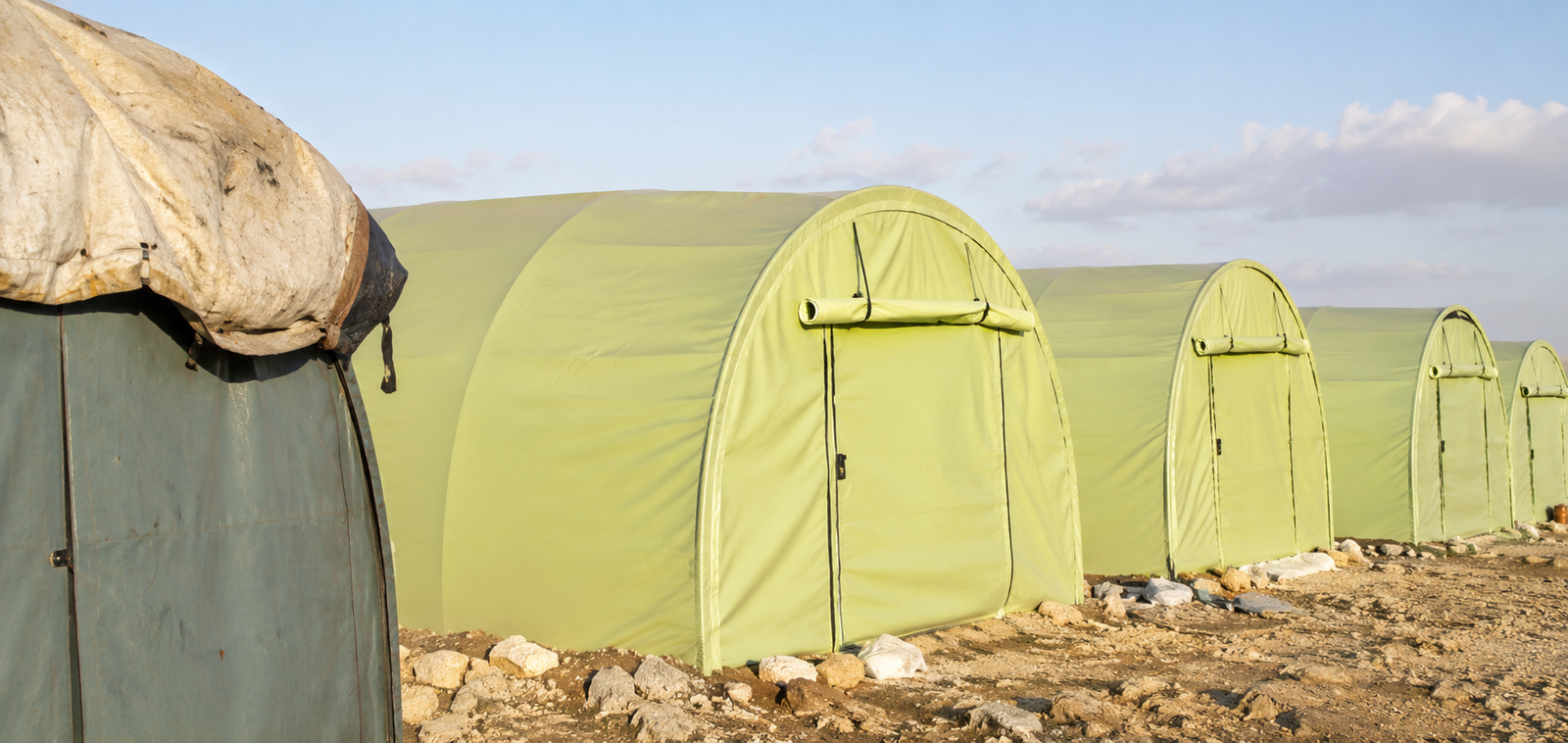
Before the ISIS attack in August 2014, around 250,000 people lived in Shingal, most of them Ezidis. The region has long been one of the historical centres of the Ezidi people and is connected to identity, land, memory and Sharfadin. The ISIS assault was not the first attack against Ezidis, but it became one of the most devastating. Families were killed, abducted, enslaved, displaced and torn apart. Many survivors fled to camps near Duhok, while others escaped to Syria, Turkey or Europe. Germany became one of the most important places of refuge and is now home to the largest Ezidi diaspora outside Iraq.
Although ISIS no longer controls Shingal, the question of return remains unresolved. Many Ezidis want to return to their homeland, but only if the conditions allow them to live safely and with dignity. For many families, that condition has not been met. Destroyed homes, lack of services, weak reconstruction, political power struggles and the absence of reliable security continue to make return impossible or deeply uncertain.
One returnee quoted in the German report described the situation directly: “We are in our own country and we have no rights.” His words reflect a feeling many Ezidis have repeated since 2014. Return is not only about physically going back to Shingal. It is about whether Ezidis can return with protection, legal rights, services, schools, homes, jobs and a future for their children. Without those conditions, return risks becoming another form of survival rather than a real restoration of life.
The continued displacement of Ezidis also shows the failure of the Iraqi authorities to create the conditions needed for safe and dignified return. Many families remain in camps or in exile not because they have forgotten Shingal, but because they cannot return to insecurity, destroyed infrastructure and political uncertainty. For survivors of genocide, the decision to return cannot be reduced to nostalgia or symbolic reconstruction. It depends on whether life in Shingal can be rebuilt in a way that protects the people who suffered there.
Jan Jessen’s reporting from the region raises the central question that still defines Shingal today: why do so many Ezidis not return, even after the end of ISIS rule? The answer lies in the reality left behind by genocide. A few reopened streets or rebuilt homes cannot erase the absence of security, justice and prospects. For many Ezidis, Shingal remains home, but home is not yet safe enough to become a future again.
The Ezidi people have the right to return to Shingal, but return must be more than a political slogan. It must mean reconstruction, protection, accountability, services, compensation, and the restoration of Ezidi life on ancestral land. Until those conditions exist, many Ezidis will remain unable to go back, even if their identity, memory and longing remain tied to Shingal.