
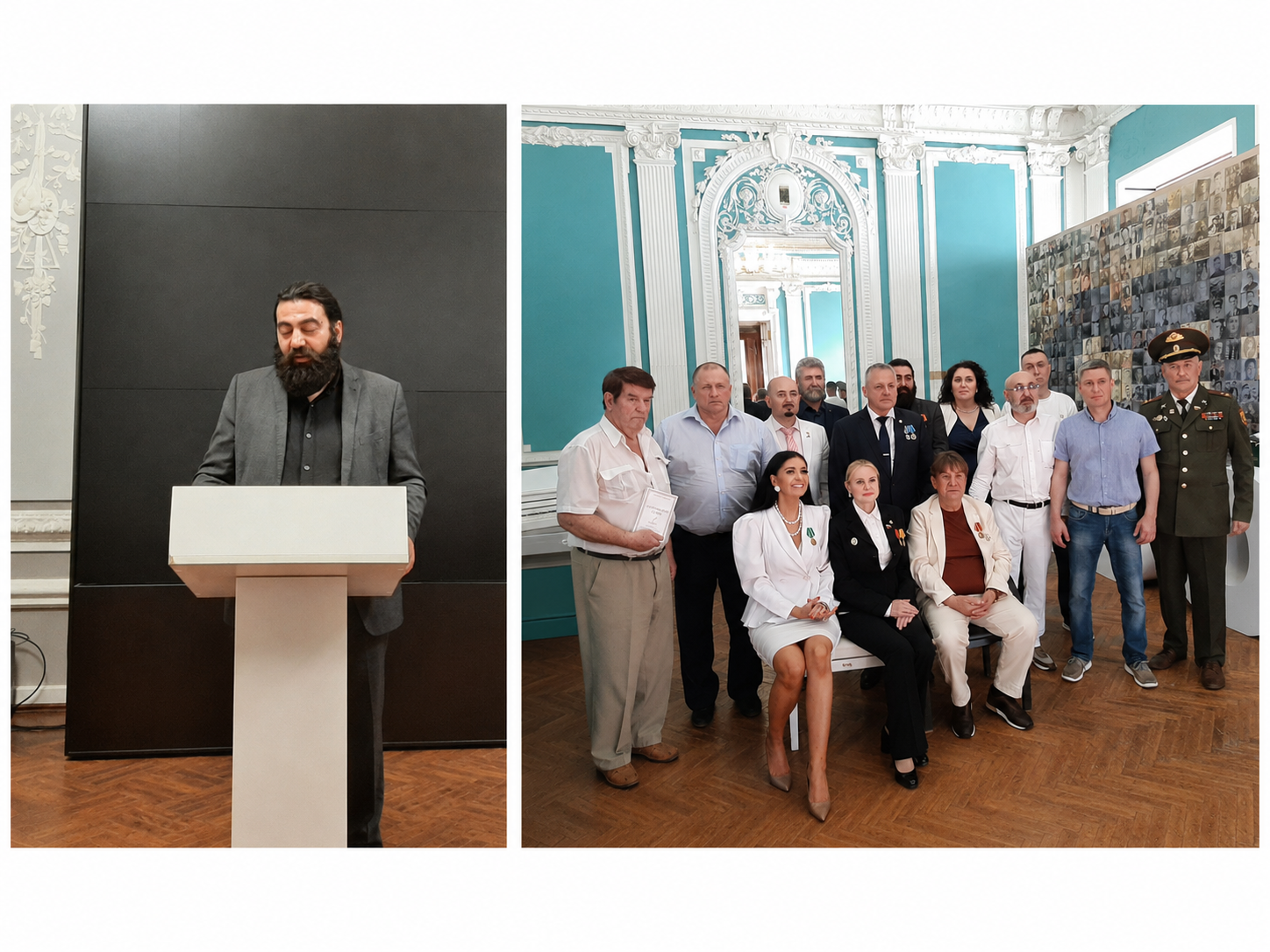
A round table titled “Prospects for Cooperation with the PRC” was held in Moscow on May 19, bringing together speakers and participants to discuss economy, culture, sports, tourism and people’s diplomacy. Although the meeting was formally dedicated to prospects for cooperation with the People’s Republic of China, the discussion also expanded to wider international and cultural questions, including Russian-Italian relations, book projects, public diplomacy and the history of the Ezidi people.
The event was organized by the Association of Veterans of Law Enforcement Agencies, Bodies, Units and Troops of the KGB of the USSR. The meeting was moderated by Dmitry Urazov, chairman of the association, and public figure and philanthropist Lilia Semyonova. Sultan Kyalash Sheh Rzgan and Sergey Vasilyevich Ivanov, assistant to a State Duma deputy and State Councilor of the 1st class, were listed as co-moderators.
During the programme, Tatiana Ivanovna Kiselyova, deputy chair of the association, spoke about possible directions of cooperation with China, describing China as a pragmatic partner acting in accordance with its own national interests. Other participants addressed cultural diplomacy, cooperation between Russia and Italy, educational and publishing projects, and the preservation of historical memory through literature.
For Ezidis, the most relevant part of the meeting was the speech by Sultan Kyalash Sheh Rzgan, who spoke about the ancient history of the Ezidi people and their struggle for self-determination. His remarks placed the Ezidi question within a broader discussion of people’s diplomacy and cultural recognition, reminding participants that Ezidis are not only a people with a long history, but also a people whose rights, identity and future remain central issues in international and public dialogue.
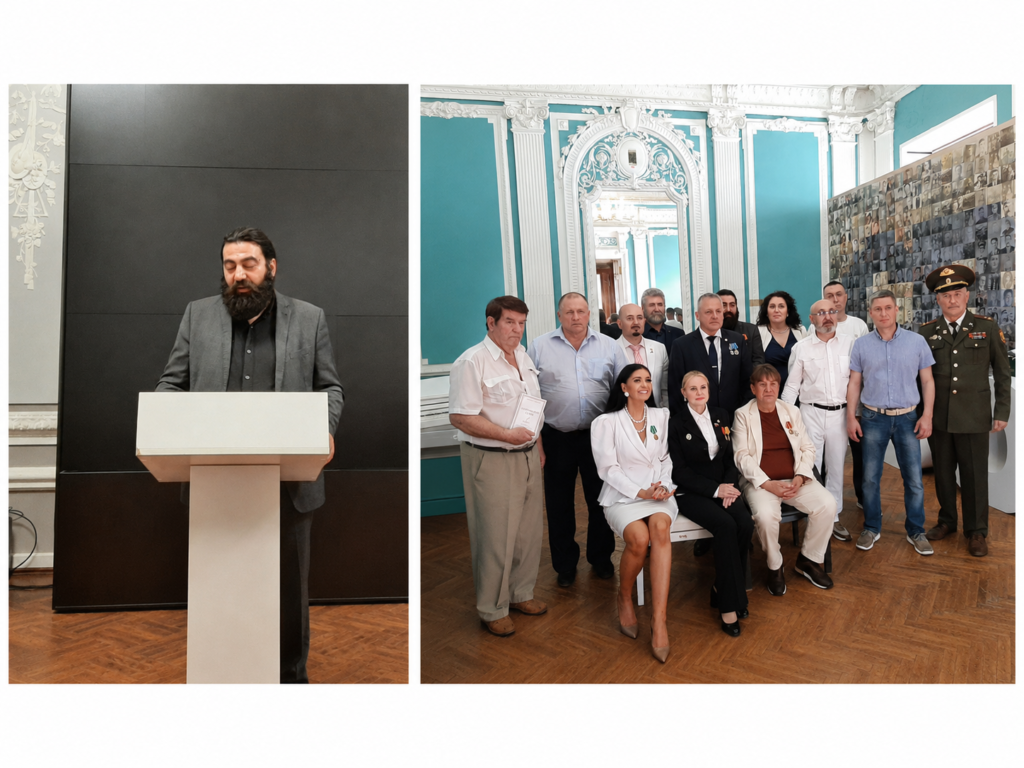
The spiritual and political leader of the Ezidis, Sultan Kyalash.
The event concluded with a musical performance by Kazimir Islamov from Bishkek, Kyrgyzstan. For Ezidis, the significance of the round table lies in the fact that the Ezidi people and their struggle for self-determination were raised in a public setting connected to international cooperation, culture and diplomacy. Such platforms are important when they help keep the Ezidi cause visible beyond narrow regional politics and place Ezidi rights within wider conversations about identity, history and recognition.