
Ultimatum Over Shingal: Ezidis Face Renewed Uncertainty as March 10 Deadline Looms

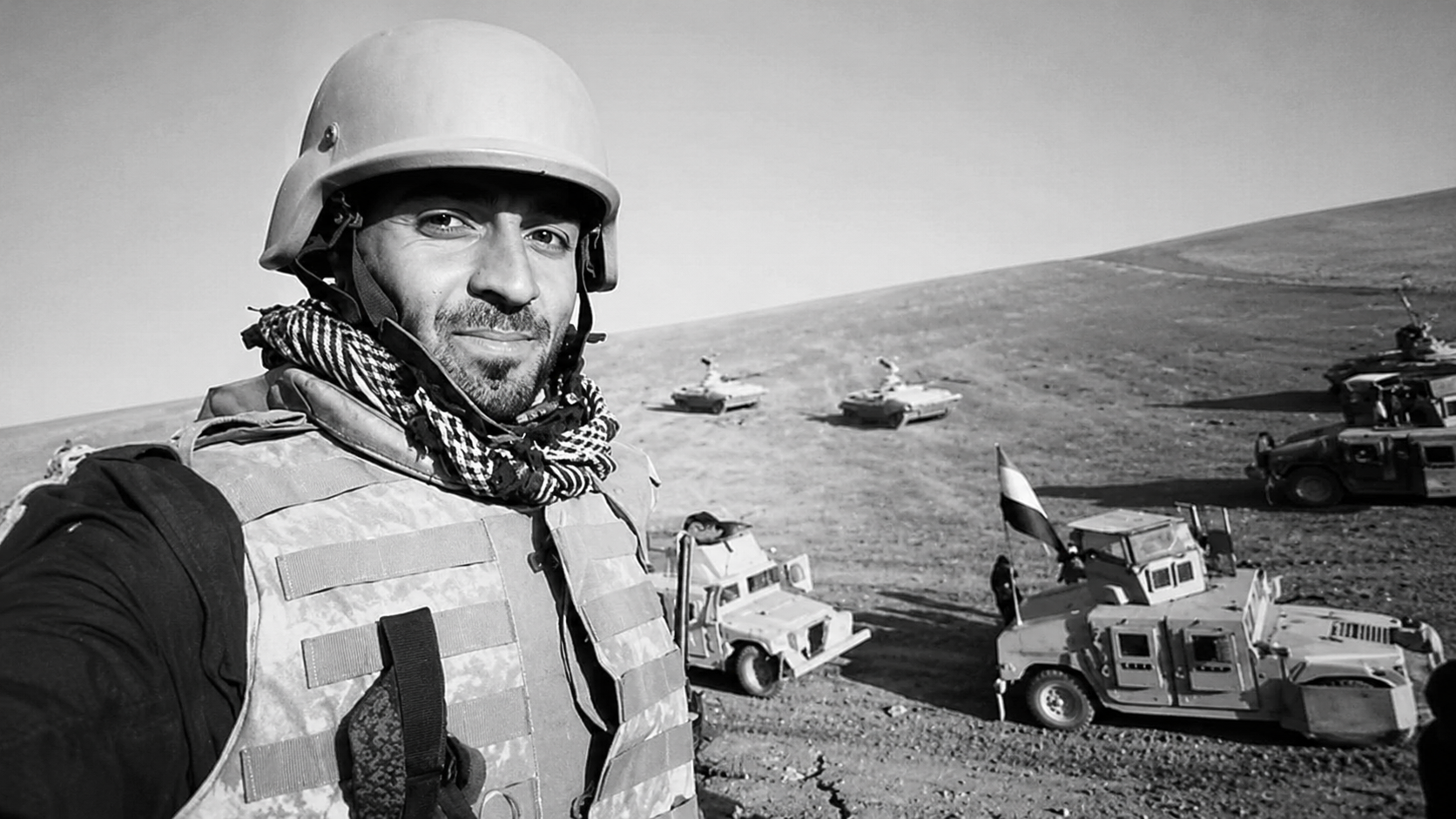
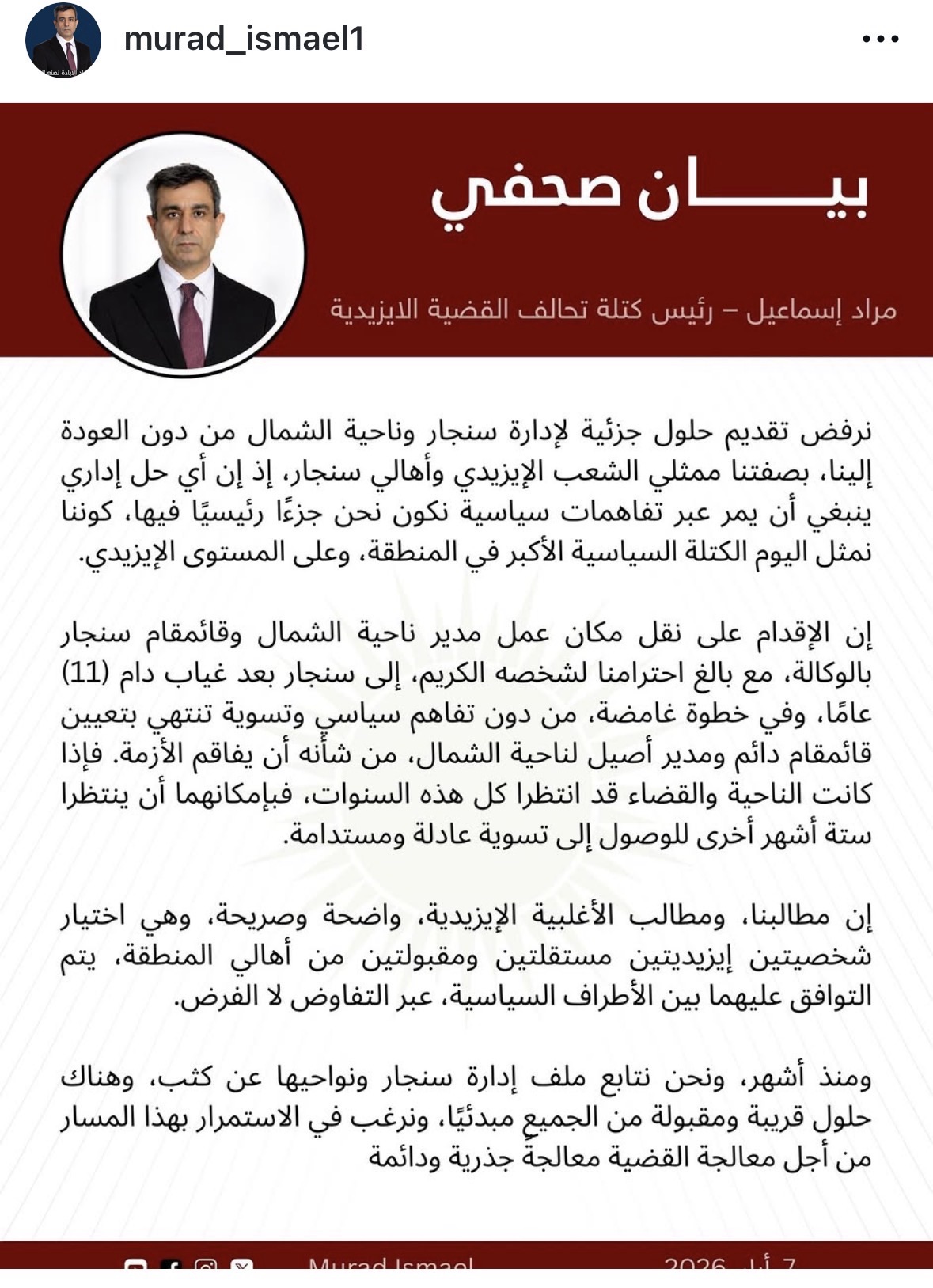
Dissolve by 10 March—or face attack. That was the message delivered to the YBŞ in Mosul, placing Shingal’s Ezidis at another crossroads. For a people still rebuilding after genocide, the prospect of imposed security decisions revives a familiar and dangerous pattern. Ezidi leaders warn that dismantling local defense forces without a binding administrative and security agreement could force new displacement and leave the homeland of Sharfadin exposed once again.

The Hasna A. Appeal and Crimes Against the Ezidi People

The appeal case of Hasna A. has become a critical test of whether European courts are prepared to fully acknowledge and prosecute crimes committed under ISIS rule. For Ezidi survivors, the hearings were not an abstract legal exercise but a painful confrontation with lived trauma. The recognition of enslavement in a European courtroom carries profound meaning, affirming that crimes committed against the Ezidi people are neither forgotten nor beyond accountability.

The Importance of Women in Society

Women are the quiet strength of every society. Even in the face of violence, displacement, and loss, they continue to protect their families, educate their children, and preserve culture. Among the Ezidis, women have shown that survival alone is not enough; they transform suffering into resilience and silence into voice. Their actions prove that the true power of a society is revealed not in how it dominates, but in how it values and listens to its women.

The Holiday of Xidir Nebî and Xidir Êlyas

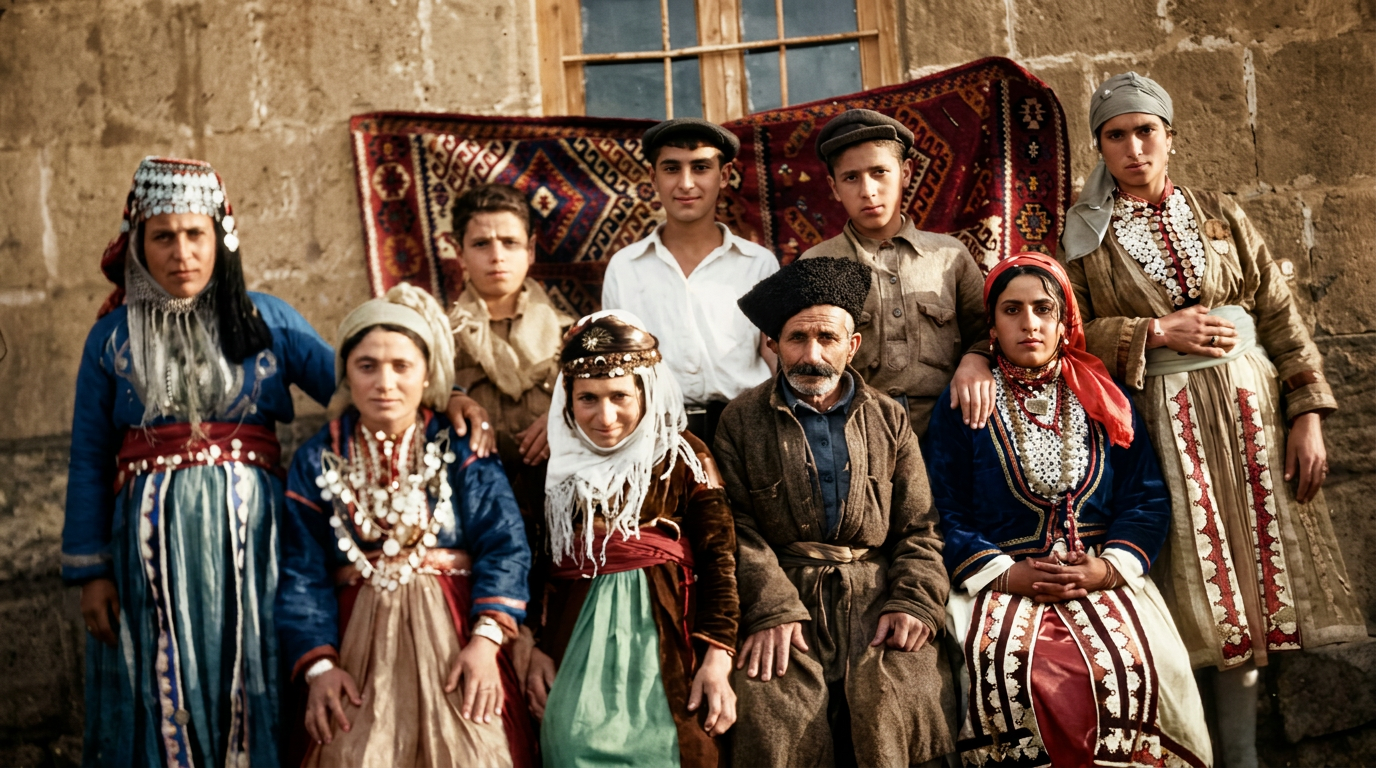
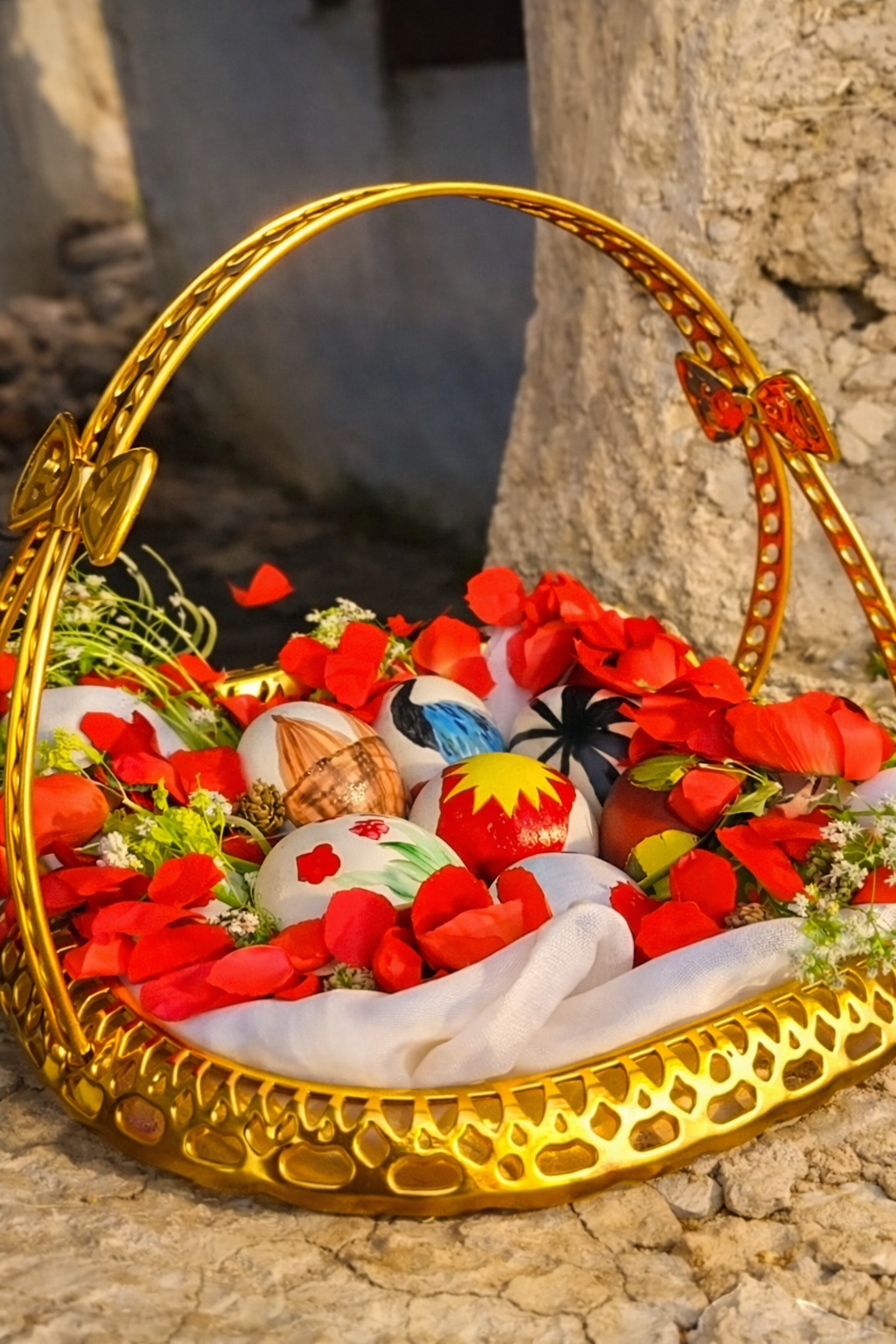
The holiday of Xidir Nebî and Xidir Êlyas is one of the most important religious celebrations among Ezidis, honoring two revered saints associated with protection, love, and life. Though venerated across multiple cultures—from Iran to Armenia and beyond—Ezidis maintain distinct traditions that blend sacred texts, local legends, and ancient rituals. The festival involves fasting, special plant-based dishes, and symbolic practices such as pêxûn preparation, hair-cutting for blessings, and matchmaking customs rooted in dreams. Folk celebrations include communal gatherings, ceremonial songs, and playful rituals like dolidang, connecting spiritual devotion with social cohesion. Across history, Xidir and Êlyas have absorbed traits from pre-Islamic and pre-Christian myths, linking Ezidi practice to ancient regional narratives of divine guidance and the quest for life-giving waters.

Праздник Хидир Элияс и Хидир Неби в Шарфадине

Праздник Хидир Элияс и Хидир Неби — это священный езидский праздник, посвящённый бессмертным святым Хидир Элиясу и Хидир Неби, хранителям жизни, любви и защиты. Отмечаемый ежегодно в феврале, праздник включает добровольный пост, приготовление символических блюд, известных как Священная семёрка, и ритуалы, приглашающие благословение в дом. От мистического знака копыта до приготовления Пехун, этот праздник воспевает исцеление, божественное наставление и обновление как тела, так и духа.

The Holiday of Xidir Êliyas and Xidir Nebî in Sharfadin

The holiday of Xidir Êliyas and Xidir Nebî is a sacred Ezidi holiday honoring the immortal saints Xidir Êliyas and Xidir Nebî, guardians of life, love, and protection. Observed each year in February, the days combine voluntary fasting, preparation of symbolic foods called the Sacred Seven, and rituals that invite blessings into the home. From the mystical hoofprint sign to the making of Pekhûn, the holiday celebrates healing, divine guidance, and the renewal of both body and spirit.

De Koerdische leugens over “Ezidische steun” ontmaskerd

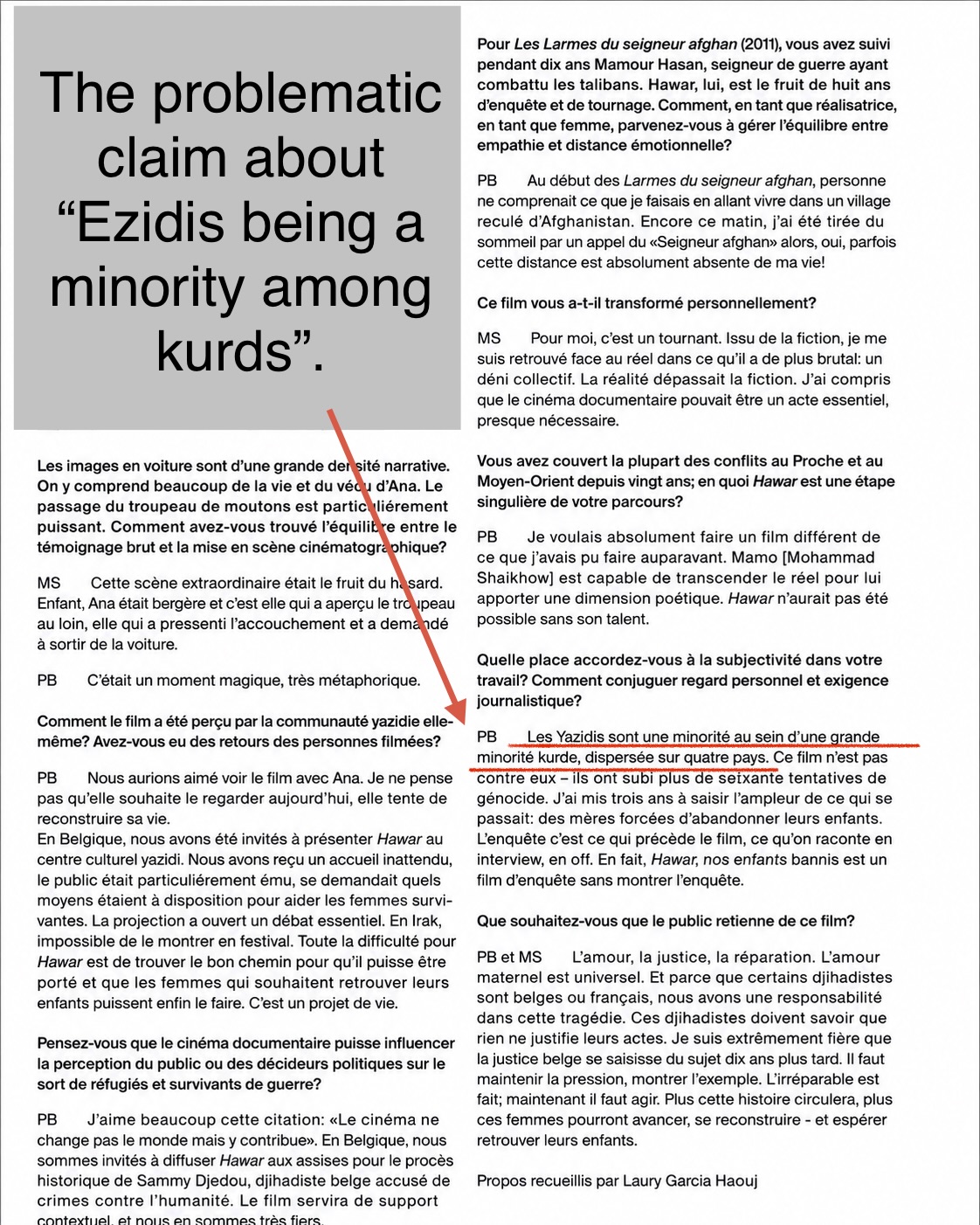
Rudaw beweert dat Ezidi’s “Koerden” zijn, en herhaalt daarmee de langdurige poging van Neçirvan Barzani en de KRG om onze identiteit toe te eigenen. Ezidi’s zijn een apart etnisch volk, volgers van Sharfadin, met een eigen geschiedenis, rechten en stem. Duitsland ondersteunt ontheemde Ezidi’s omdat dit hun verantwoordelijkheid is, niet vanwege Barzani. Ons “Koerdische Ezidi’s” noemen wist onze identiteit uit, verbergt decennia van marginalisering en probeert ons politiek te gebruiken. Ezidi’s zijn onafhankelijk, en geen enkele politicus of mediakanaal kan onze geschiedenis herschrijven of onze toekomst afnemen.

Exposing the Kurdish Lies About “Ezidi Support”

Rudaw claims that Ezidis are “Kurds,” repeating the long-standing attempt by Neçirvan Barzani and the KRG to co-opt our identity. Ezidis are our own people, followers of Sharfadin, with our own history, rights, and voice. Germany supports displaced Ezidis because it is their responsibility, not because of Barzani. Calling us “Kurdish Ezidis” erases our identity, hides decades of marginalization, and tries to use us for political gain. Ezidis are independent, and no politician or media outlet can rewrite our history or take away our future.

‘They Were Our Friends’ — Betrayal in Iraq

Trust between neighbors can be as fragile as it is sacred. In northern Iraq, lifelong bonds between Ezidi families and their Arab neighbors unraveled in the face of ISIS violence. What once was a relationship built on shared meals, trade, and mutual support turned into fear and pursuit, forcing families to flee overnight. Stories like these reveal not only the brutality of violence, but also the deep emotional wounds left when trust is broken by those once considered friends.

ISIS Woman on Appeal Trial in the Netherlands

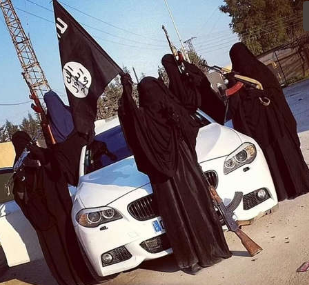
The Hasna A. case returns to court in the Netherlands after the defendant appealed the first verdict.From 9–12 February 2026, judges at the Schiphol Judicial Complex will review the case, which addresses ISIS crimes committed against Ezidis.
The hearings are public and will be livestreamed, with translation available.