
Ezidi Girl Receives Citizen of the Year 2026

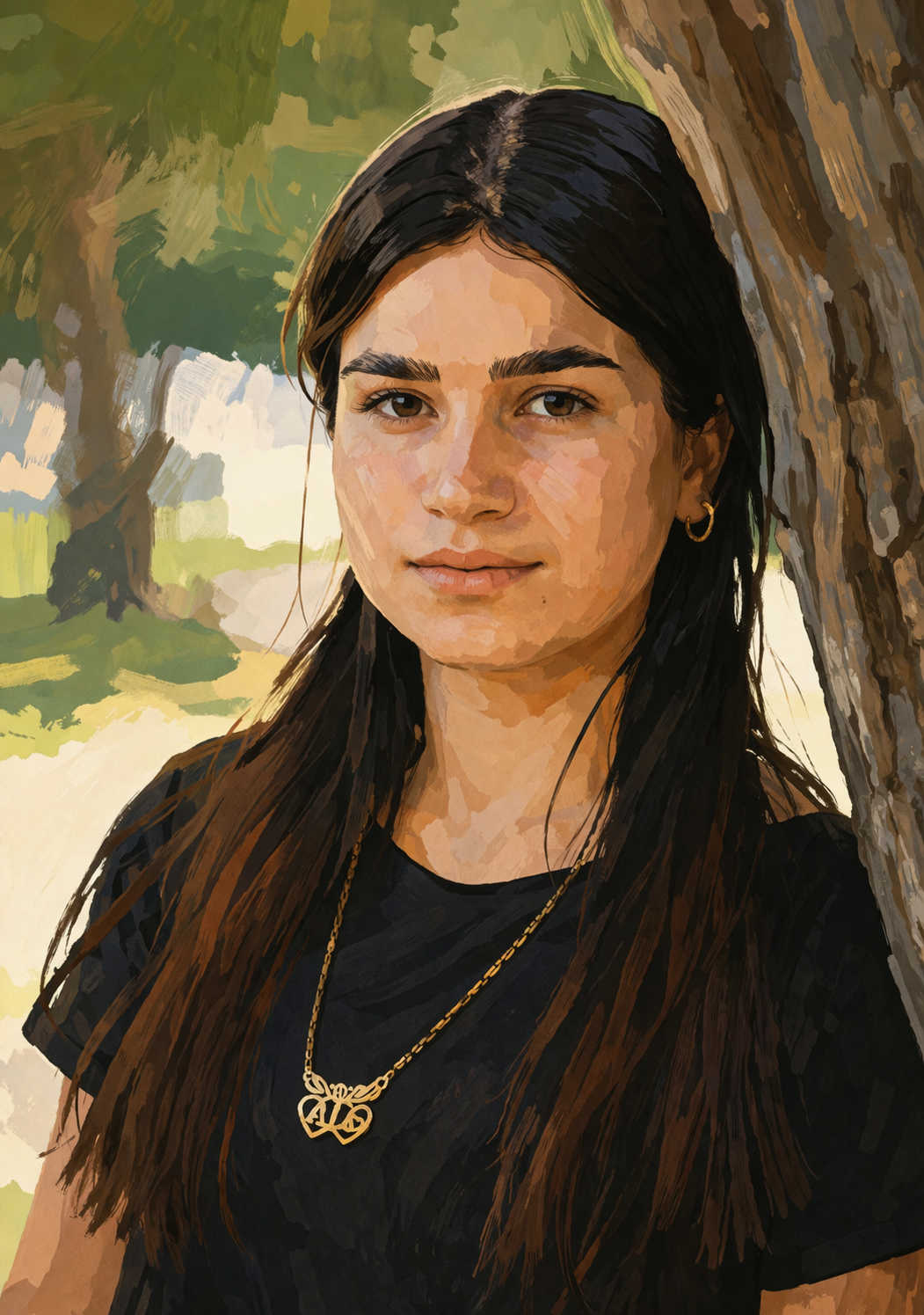
An Ezidi girl has been recognised at the Coffs Harbour Australian Citizen of the Year Awards 2026. Mayada Oso, who arrived in Australia in 2018 after surviving the Ezidi genocide, received the Young Citizen of the Year award for her achievements in education and her work supporting students. Her journey from captivity to leadership and service reflects the resilience of Ezidis and their continued strength after genocide.

Introducing Russian Children to Ezidi Culture Through Fairy Tales

A new Russian-language book, Ezidi Folk Tales, opens a window into the rich culture and traditions of the Ezidi people. Published by Mesopotamia under the leadership of Samvel Saidovich Mstoyan, with illustrations by Aida Mstoyan, the collection brings centuries-old stories and values to life, introducing Russian children to the history, customs, and worldview of one of the world’s oldest peoples.

Tuesdays with Morrie by Mitch Albom – Book Review

Tuesdays with Morrie by Mitch Albom is a heartfelt exploration of life, love, and death, based on the author’s real relationship with his college professor, Morrie Schwartz. Through weekly Tuesday meetings, Morrie shares lessons on what truly matters—love, human connection, and caring for others—reminding readers that life’s meaning comes not from success or possessions, but from giving and receiving love, facing mortality honestly, and living without regret.

Interview exclusif avec SELODEUXSEPT

Ezidi Times ouvre 2026 avec une interview exclusive de l’artiste ezidi SELODEUXSEPT, dont le single Je m’appelle Ezidi a dépassé les 200 000 écoutes sur Spotify. La chanson est à la fois une affirmation artistique de son identité et un message de fierté, de force et d’unité pour les Ezidis à travers le monde. SELODEUXSEPT partage sa vision, son parcours et ses projets

Exklusives Interview mit SELODEUXSEPT

Ezidi Times startet 2026 mit einem exklusiven Interview mit SELODEUXSEPT! Der junge Ezidi-Rapper spricht über die Entstehung seines Hits „Je m’appelle Ezidi“, seine Motivation, die Jugend zu inspirieren, und seine Pläne für die Zukunft. Einblicke in seine Kunst, seine Identität und seine Visionen für die Ezidis weltweit.

Urgente: Ezidis en Alepo atrapados bajo asedio

Los 5.000 ezidis de Alepo están atrapados bajo asedio en Sheikh Maqsoud, Ashrafieh y al-Suryan, enfrentando cortes de electricidad, escasez de medicamentos y desplazamientos forzosos. Casi 1.200 familias ya han huido, mientras miles permanecen en riesgo. Ezidi Times hace un llamado a Alemania y a la comunidad internacional para actuar de inmediato y garantizar que el gobierno de facto sirio proteja a los ezidis.

Fire Destroys Dozens of Shops and Tents in Ezidi Displacement Camps Near Zakho

Fires tore through two Ezidi displacement camps near Zakho, destroying dozens of shops and several tents and leaving hundreds of families without their only source of income. More than eleven years after the Ezidi genocide, repeated camp fires once again expose unsafe living conditions, lack of protection, and the continued failure to ensure dignified, voluntary return for displaced Ezidis.

Cultural and Identity Theft Happening Right in Front of Our Noses

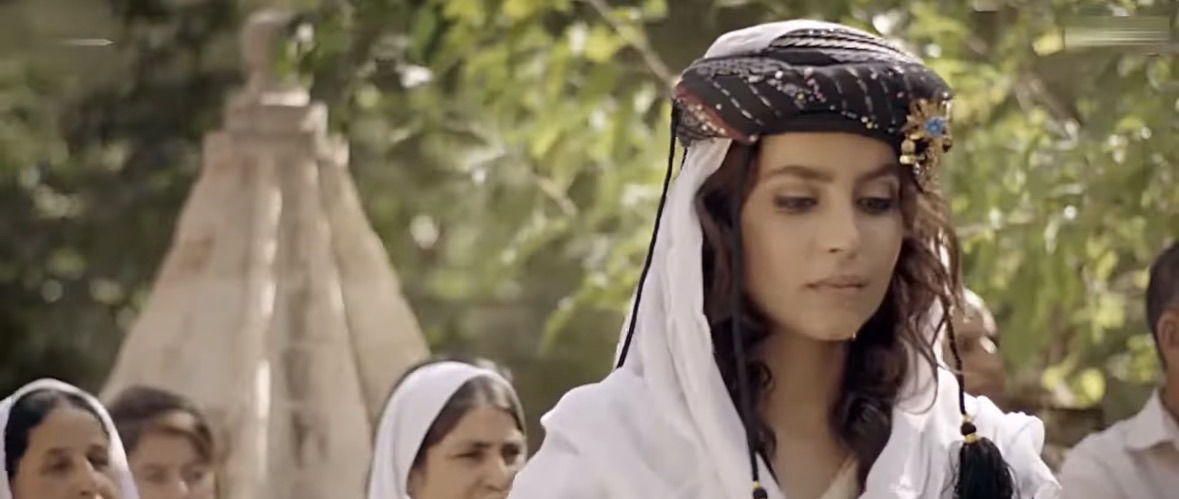
In 2023, Ezidi Times published an article raising concerns about a Kurdish singer using Ezidi traditional clothing in a music video and presenting it as “Kurdish.”
The video shows women in Ezidi attire dancing with weapons, portraying a peaceful and sacred culture in a violent, distorted way — and even attempts to include Ezidis under an artificially constructed “Kurdish” identity.
This is more than cultural appropriation — it is cultural and identity theft happening right before our eyes. The problem still remains and deserves far more attention. The article explores why this matters and is a big issue.

Mieux vaut laisser les enfants avoir faim que d’accepter l’aide des Ezidis

Une vidéo virale montre une femme musulmane refusant nourriture, jouets et bonbons offerts par des femmes Ezidis, révélant la persistance de la discrimination anti-Ezidi. Même des actes de bonté élémentaire sont rejetés en raison de préjugés séculaires à l’encontre des Ezidis, adeptes de Sharfadin. Les images illustrent comment la marginalisation historique — des massacres de 1915 au génocide de 2014 — continue de structurer les interactions sociales, montrant que le sentiment anti-Ezidi reste normalisé dans la vie quotidienne.

Çocukları Aç Bırakmak, Ezidilerden Yardım Almamaktan Daha İyidir

Viral bir video, Müslüman bir kadının Ezidi kadınlardan yiyecek, oyuncak ve şeker almayı reddettiğini göstererek anti-Ezidi ayrımcılığın devam ettiğini ortaya koyuyor. Temel nezaket eylemleri bile, Şerfadin’in takipçileri olan Ezidilere karşı yüzyıllık önyargılar nedeniyle reddediliyor. Görüntüler, 1915 katliamlarından 2014 soykırımına kadar uzanan tarihsel dışlanmanın sosyal etkileşimleri nasıl şekillendirmeye devam ettiğini gözler önüne seriyor ve anti-Ezidi duyguların günlük yaşamda normalleştiğini gösteriyor.

Bedre at lade børnene gå sultne end at modtage hjælp fra Ezidi

En viral video viser en muslimsk kvinde, der afviser mad, legetøj og slik fra ezidiske kvinder og afslører vedvarende anti-ezidisk diskrimination. Selv basale handlinger af venlighed afvises på grund af århundredgamle fordomme mod Ezidi, tilhængere af Sharfadin. Optagelsen fremhæver, hvordan historisk marginalisering — fra massakrerne i 1915 til folkemordet i 2014 — stadig præger sociale interaktioner, og viser, at anti-ezidiske holdninger er normaliserede i hverdagen.

Beter om kinderen honger te laten lijden dan hulp van Ezidi’s te accepteren

Een virale video toont een moslimvrouw die voedsel, speelgoed en snoep weigert van Ezidische vrouwen, waarmee de aanhoudende anti-Ezidische discriminatie wordt blootgelegd. Zelfs basisvriendelijkheid wordt afgewezen vanwege eeuwenoude vooroordelen tegen Ezidi’s, aanhangers van Sharfadin. De beelden laten zien hoe historische marginalisering — van de massamoorden in 1915 tot de genocide van 2014 — sociale interacties blijft beïnvloeden en hoe anti-Ezidische sentimenten genormaliseerd zijn in het dagelijks leven.