

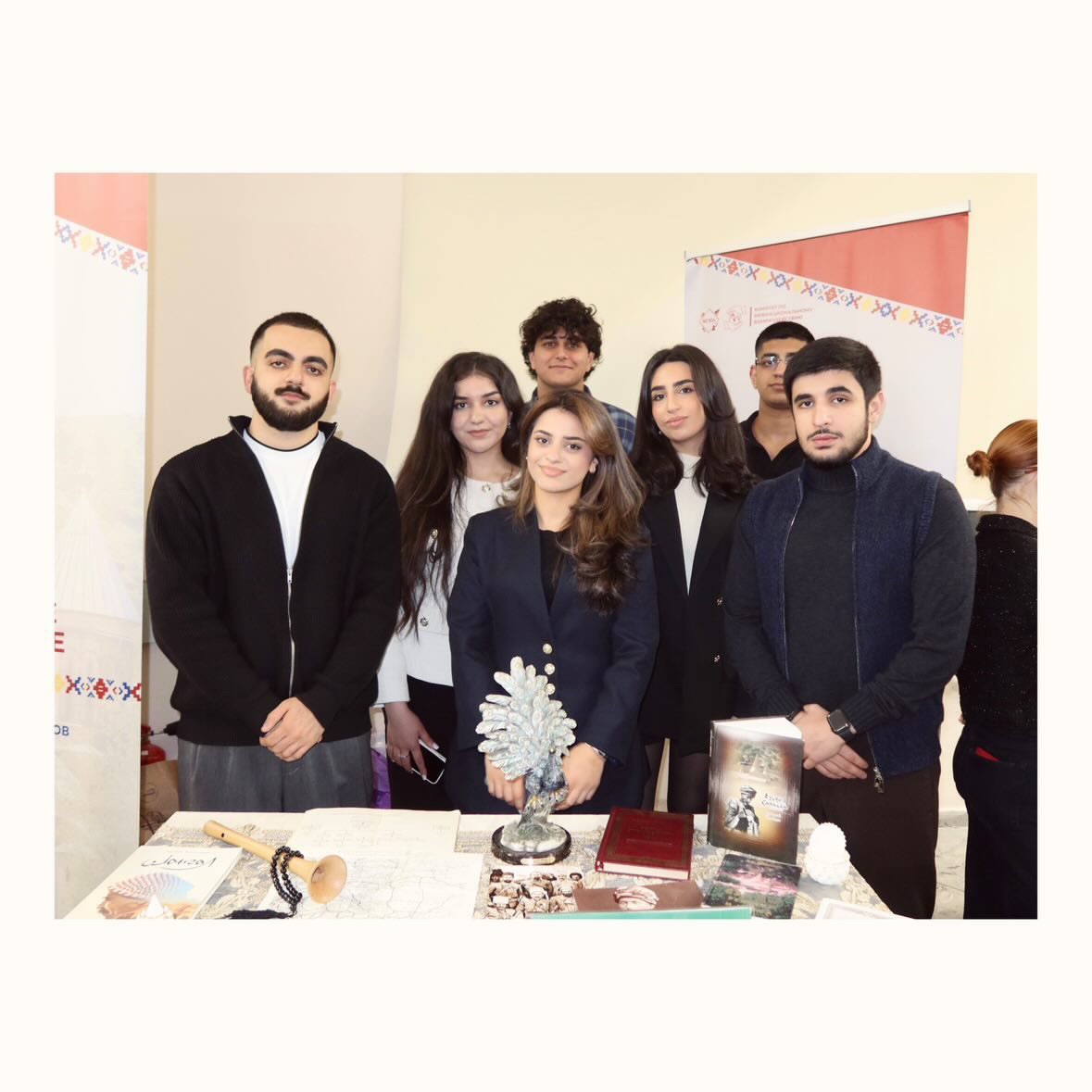
Ezidi Students at RANEPA Build Association to Preserve Culture and Identity
Ezidi students at RANEPA have established an association to unite youth, preserve cultural traditions and strengthen Ezidi identity within the university environment.
Archive
Ezidi students at RANEPA have established an association to unite youth, preserve cultural traditions and strengthen Ezidi identity within the university environment.

Ezidi Times is looking for writers, interns, students, and journalists interested in covering Ezidi news, culture, history, law, society, and global topics relevant to Ezidis. Applications are open until 31 August 2026…
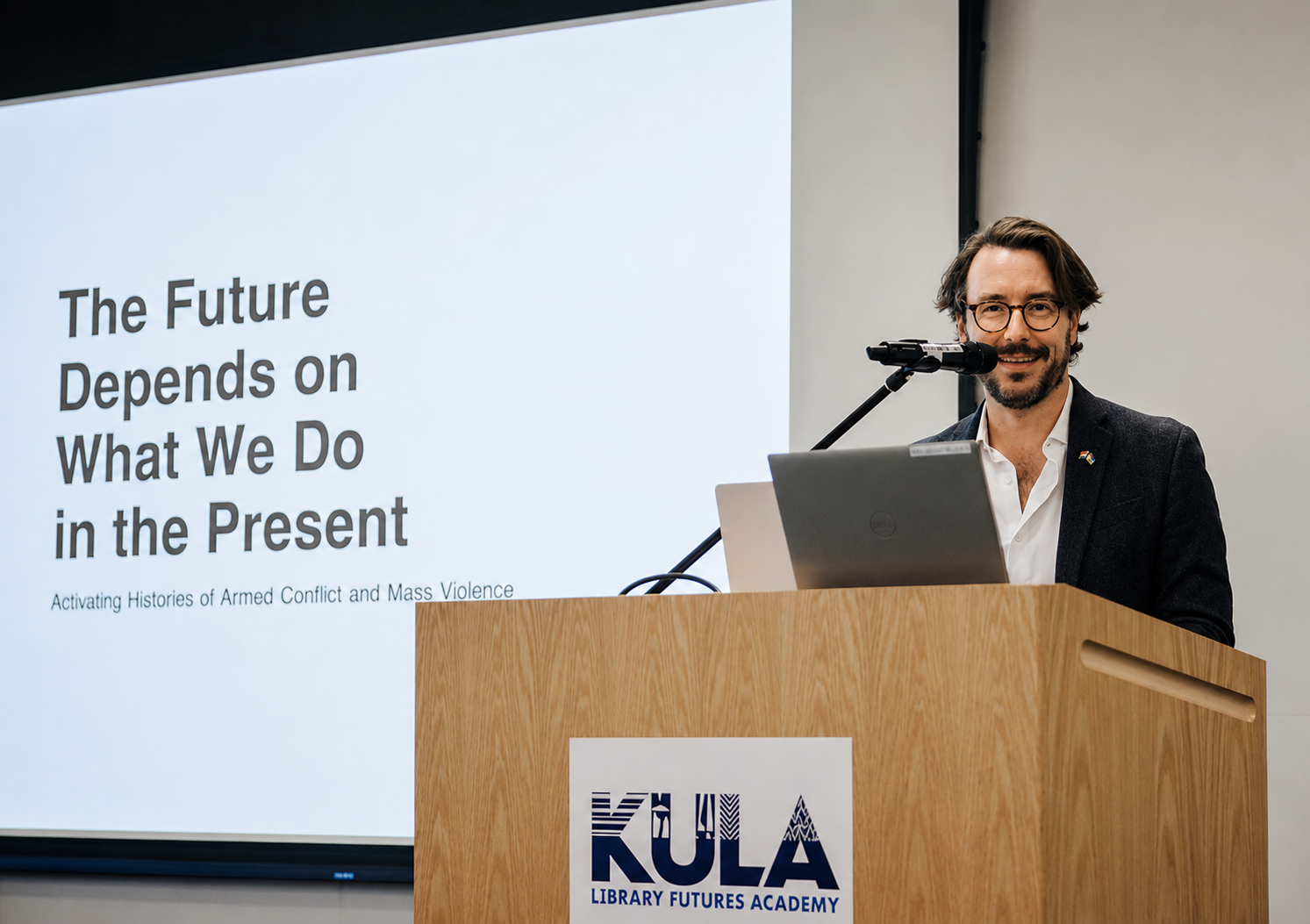
Nathaniel Brunt, a University of Victoria postdoctoral fellow and documentary photographer, is expanding the SERSAL Project through a Hannah Arendt Fellowship in Germany. The project focuses on digitally preserving the photographic and…
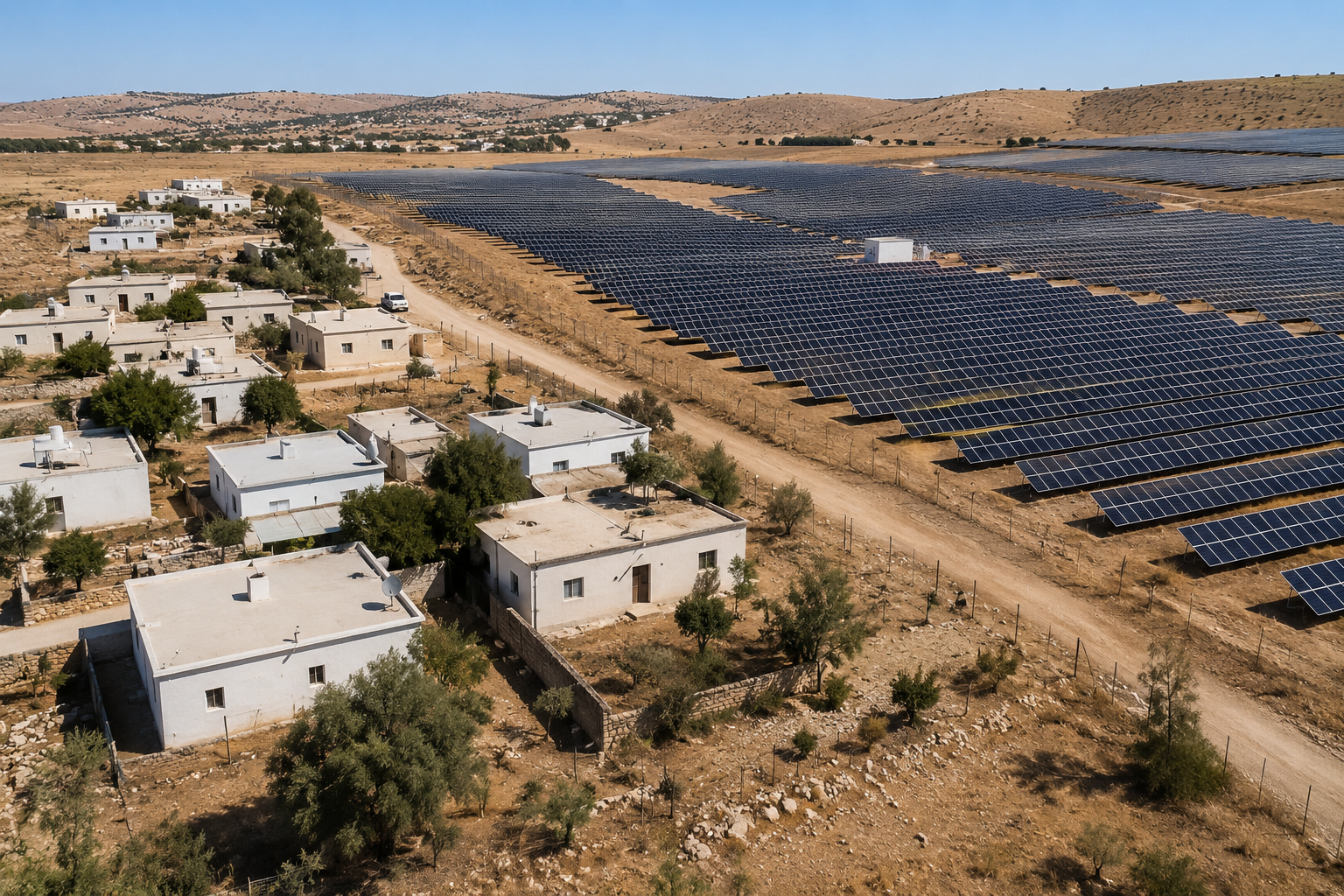
Ezidi representatives, associations and civil society organisations have called for a full cultural, social and environmental review of planned solar power plant projects near Ezidi villages in Beşiri and Midyat. They warn…

Courts in Australia and the Netherlands are handling separate cases involving women linked to ISIS. In Melbourne, Zeinab Ahmad is seeking bail while facing slavery-related charges connected to the alleged enslavement of…

A public petition before the Bremen state parliament, submitted by Ezidi genocide survivor Sidan Khudeda, calls for a memorial to the genocide committed against the Ezidi people on 3 August 2014. The…
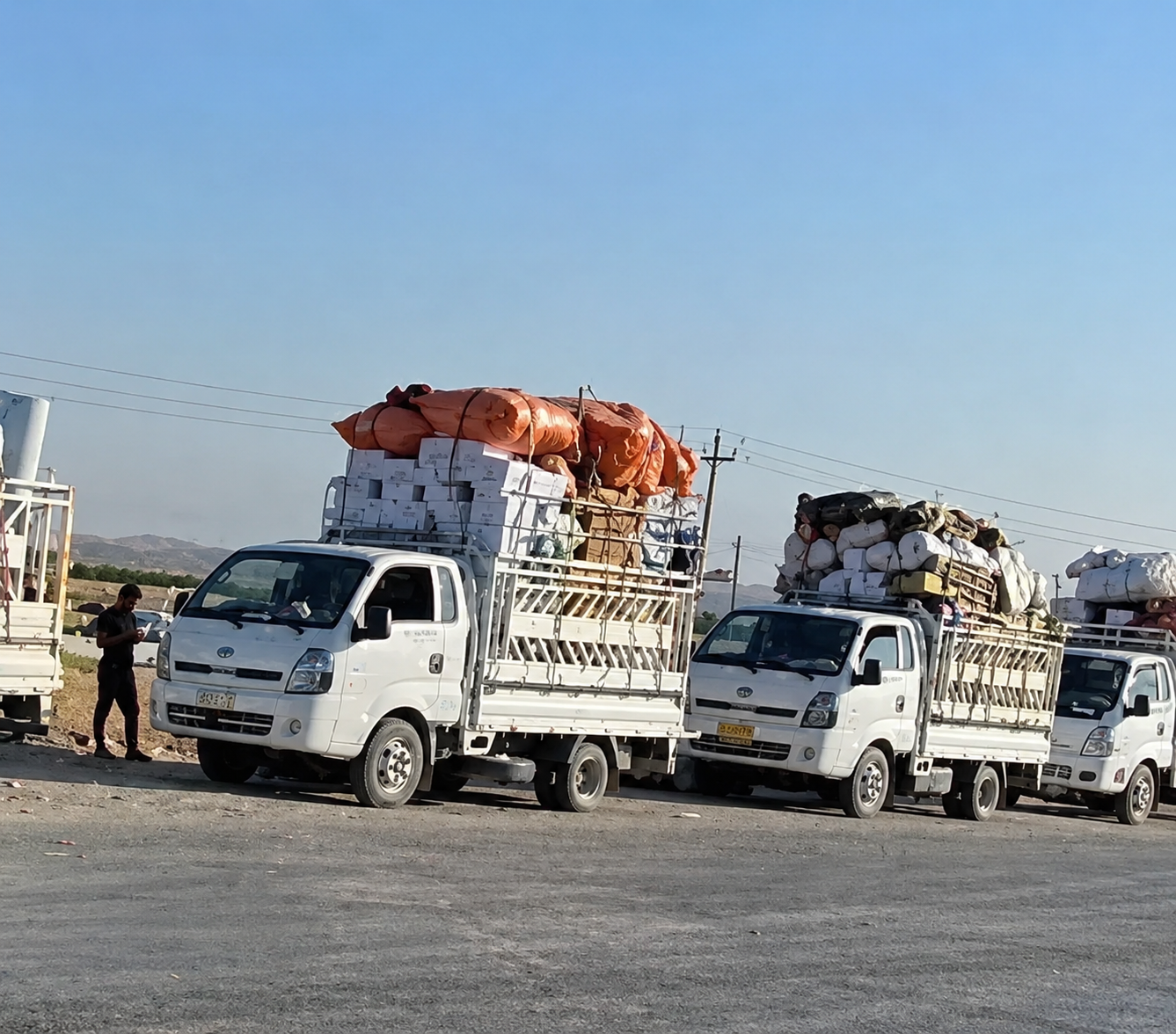
Reports and a post by MP Murad Ismael indicate that new waves of displaced Ezidi families are returning to Shengal after more than a decade in camps. However, sources give different figures,…
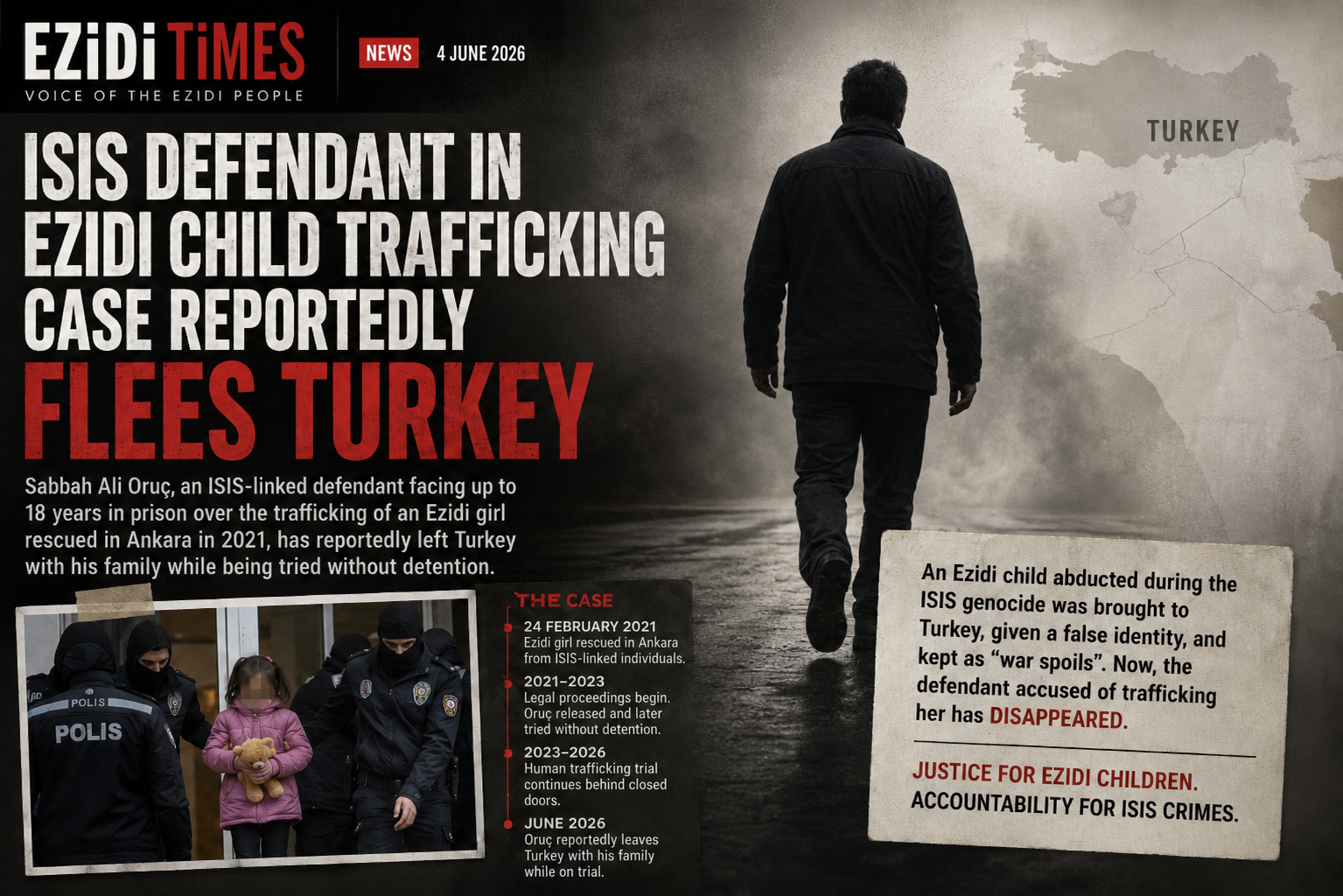
Sabbah Ali Oruç, an ISIS-linked defendant facing up to 18 years in prison over the trafficking of an Ezidi girl rescued in Ankara in 2021, has reportedly left Turkey with his family…

Ezidi football player Deniz Undav has signed a long-term contract extension with VfB Stuttgart, keeping him at the Bundesliga club until 2029 with an option for one further year.

The return remains impossible for many Ezidis despite signs of reconstruction, as insecurity, destroyed homes, political uncertainty and lack of rights continue to shape life after genocide.

A Melbourne court has heard new allegations against Zeinab Ahmad, an ISIS-linked Australian woman charged with crimes against humanity over the alleged enslavement of an Ezidi teenager in Syria.

The dispute over the planned solar power plant near Bacînê is no longer an isolated case. Ezidi and Christian villages in Tur Abdin are warning that energy projects are being advanced in…
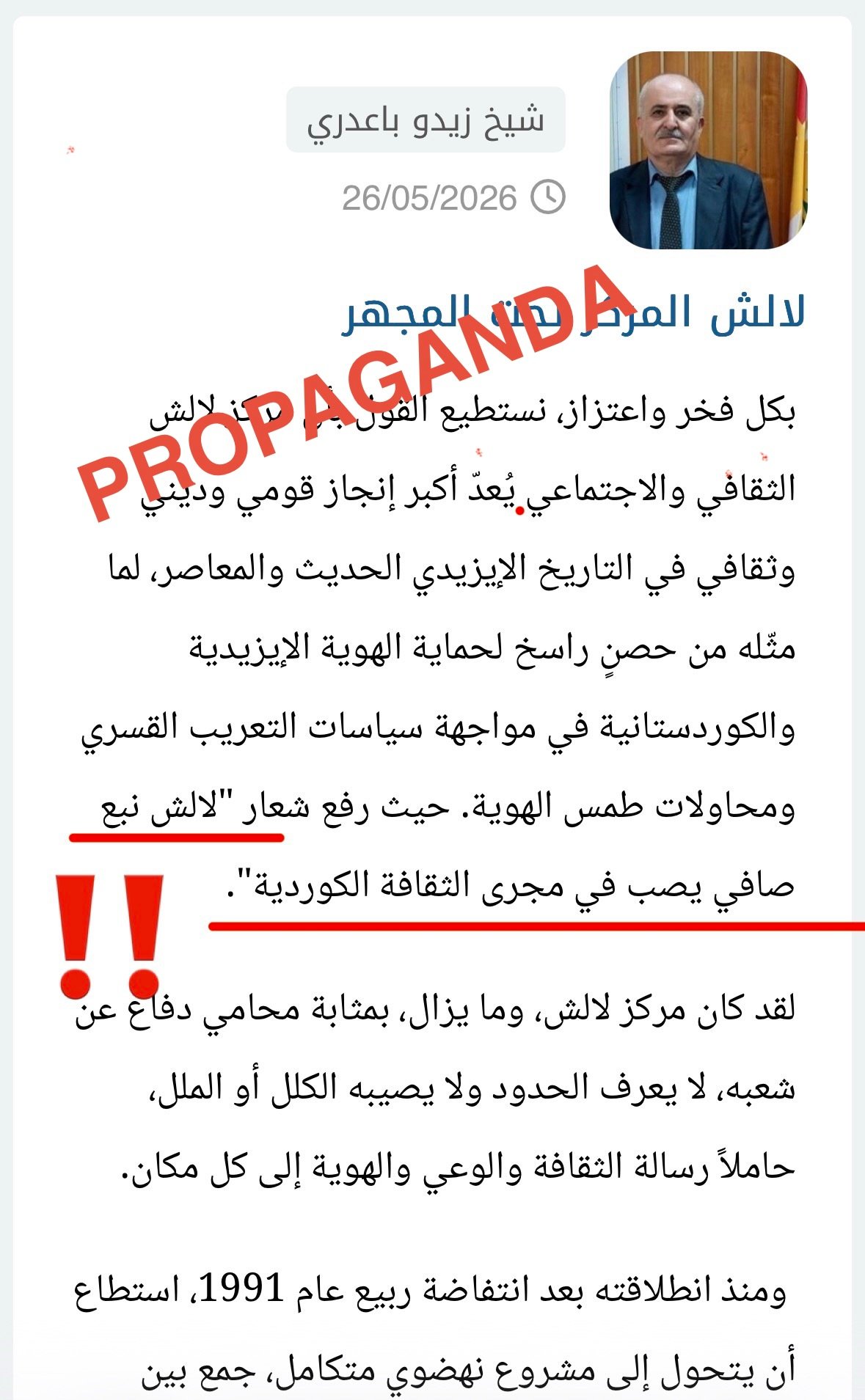
A response Sheikh Zeido Baadri’s article on the Lalish Cultural and Social Center, questioning the repeated framing of Lalish, Sharfadin, and Ezidi identity through Kurdish nationalist language.

An Ezidi man was found dead in his apartment in Baghdad after relatives lost contact with him. Surveillance footage later helped reveal details of the suspected crime.
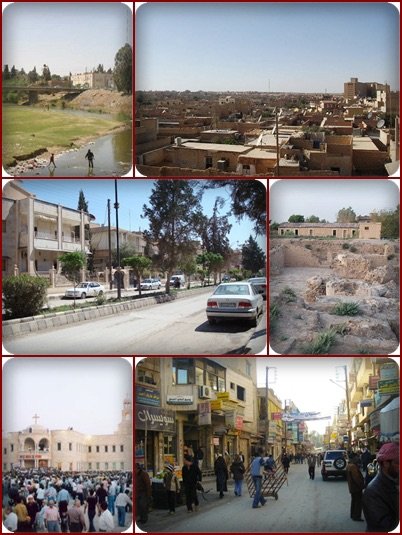
Syrian Ezidis have been left without representation in the new Syrian parliament, despite repeated efforts to secure at least one seat. The Syrian Ezidi Council says the exclusion raises serious concerns about…
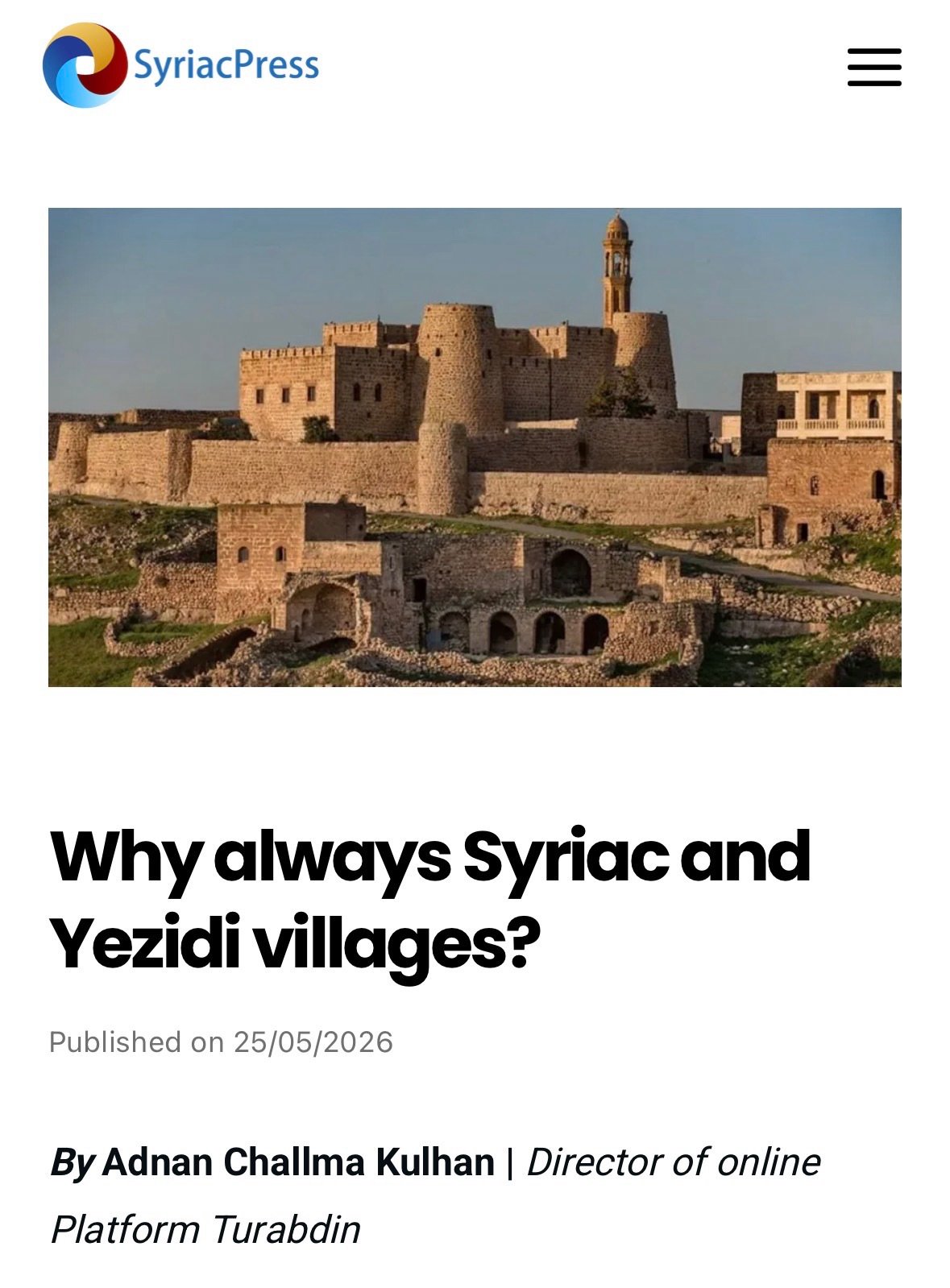
Concerns are growing in Tur Abdin as renewable energy projects are increasingly planned near historic Syriac and Ezidi villages, raising questions over land, consent, agriculture, water resources, and the future return of…
A new study has found that many male Ezidi survivors who were abducted as boys and forced into IS captivity still lack proper mental health support. Although almost all of the survivors…
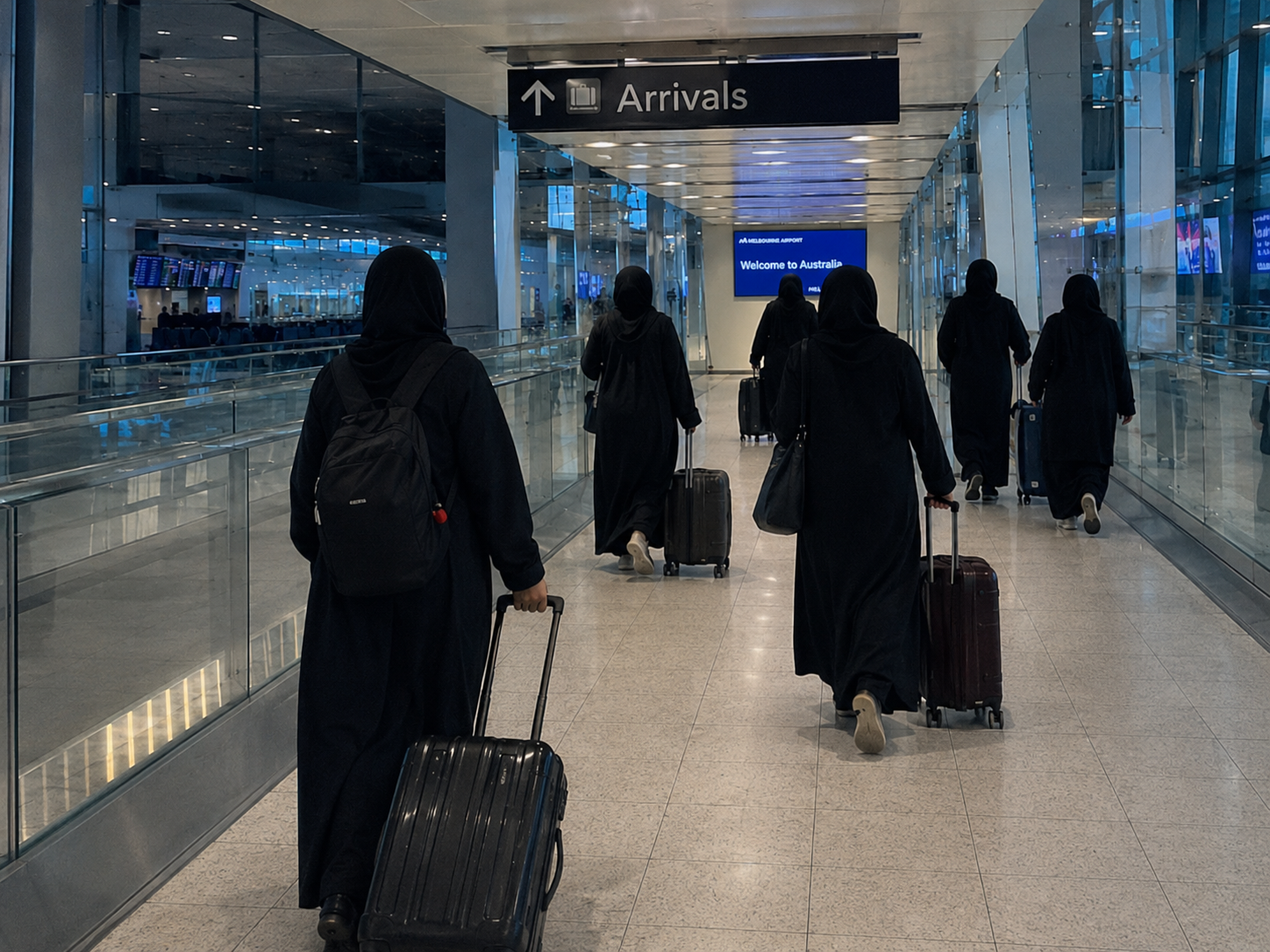
Australian authorities have charged two IS-linked women with crimes against humanity and slavery-related offences over the alleged enslavement of an Ezidi woman in Syria. The women, identified in Australian media as Kawsar…
CAMH is offering a free online course to help Canadian health, settlement and social service providers better support the mental health needs of Ezidi refugees. The training focuses on trauma-informed, culturally responsive…

As Armenia’s election campaign reaches Ezidi-populated areas, however, political visits should be welcomed but judged critically. Ezidi citizens must measure every promise against real records, concrete action and long-term commitment to Ezidi…