
Renewed talks over Shengal’s security and administration have drawn opposition from the Shengal People’s Assembly, which says Ezidi representatives were excluded from a Baghdad meeting on 1 September 2026. The Assembly is demanding direct negotiations and recognition of local defence forces. The meeting brought together Iraqi security, intelligence and administrative officials, alongside a representative of the United Nations Development Programme, to discuss security arrangements, the return of displaced residents and implementation of the 2020 Shengal Agreement between Baghdad and Erbil. The Iraqi government’s stated priorities include strengthening local policing, coordinating security deployments, restoring services and preparing for reconstruction.
The Assembly has challenged the exclusion of Ezidi representatives from these discussions and warned against dismantling the forces that currently provide local defence. Its demands concern the status of the Shengal Resistance Units, known as YBŞ, the women’s defence force YJŞ and the Êzîdxan Asayiş security force. It wants these forces formally recognised through an agreement with Baghdad, with representatives from Shengal directly involved in negotiating their future. The proposed integration would require agreement on their place within Iraq’s security institutions, who commands them and how responsibility for protecting residents is shared.
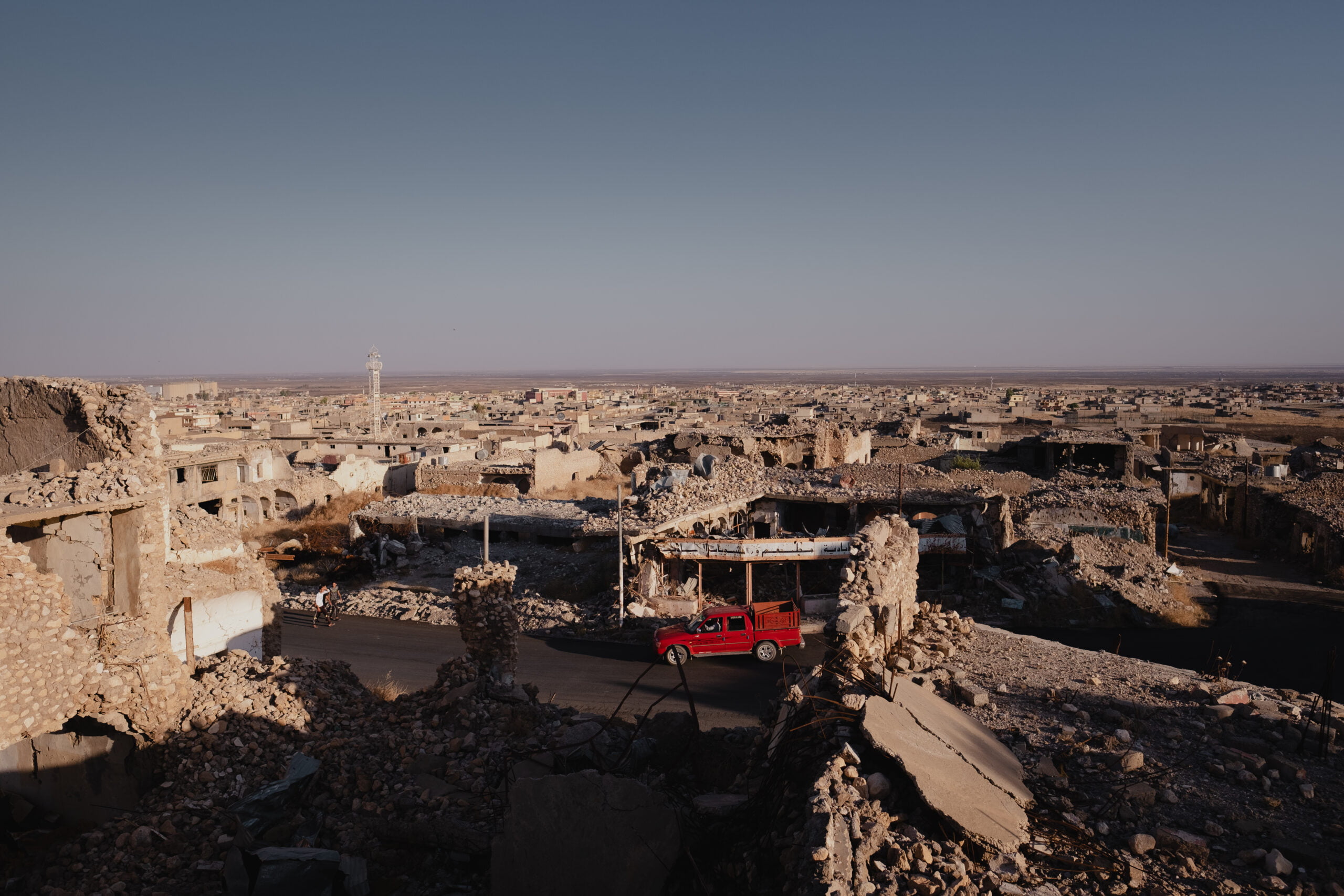
The question of who controls security in the Ezidi homeland carries the consequences of August 2014. When IS attacked Shengal on 3 August, the withdrawal of Peshmerga forces left civilians exposed to the advancing terrorists. IS killed and abducted thousands of Ezidis, enslaved women and children, and forced families to flee to Mount Shengal. That experience remains central to demands for local defence. The current dispute concerns whether Ezidis will retain a direct role in protecting their towns and villages, and what authority they will have within any new security arrangement. Promises of protection have to be considered against the failure of the forces entrusted with that responsibility in 2014.
The YBŞ command has rejected reports that 2,200 of its fighters had already joined the Iraqi army. It denied the claim in a written statement and said it was ready to negotiate with Baghdad in accordance with Iraqi sovereignty and Shengal’s interests. KCK executive council member Mustafa Karasu has also supported an arrangement allowing Ezidis to administer their own affairs in Shengal while maintaining a local defence force subordinate to the Iraqi army. He linked that proposal to the abandonment of Ezidis during the IS attack, saying both the Peshmerga and Iraqi army had failed them. In his view, retaining a local defence role would be compatible with Iraqi sovereignty and would strengthen the country.
For displaced Ezidi families considering a return, the practical questions include functioning services, habitable homes and confidence in those responsible for their safety. Changes to the district’s administration and security forces will affect each of those decisions. Negotiations must establish how residents will be protected and how Ezidis will participate in governing their homeland. Their involvement must begin while those arrangements are being negotiated, with the opportunity to shape the decisions that will govern their lives. The people expected to return to Shengal and rebuild it must have a say in who governs and protects it.