
Twelve years have passed since 3 August 2014.
Twelve years, yet my people remain where the world left them: living in tents instead of homes, surviving in poverty instead of rebuilding their lives, and waiting for justice that has never arrived.
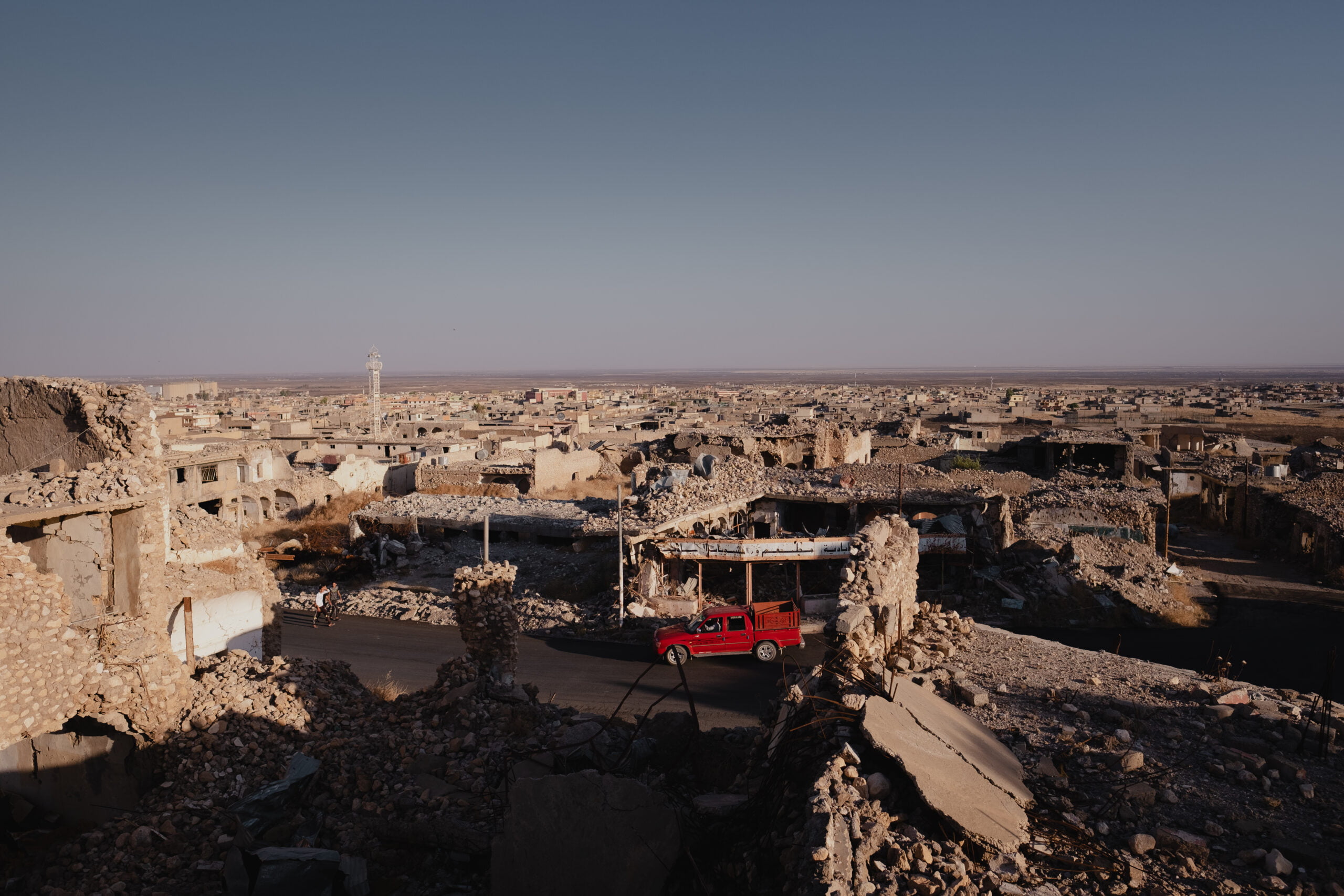
We are still waiting for a government that remembers its responsibility—not only to mourn Sinjar, but to rebuild it. A city destroyed by ISIS should never have been left to its survivors to restore. That responsibility belongs to Iraq. Yet twelve years later, the ruins still stand as witnesses to abandonment.
On 3 August 2014, ISIS launched a genocidal campaign against Ezidis. It was not simply an attack on lives. It was an attempt to erase an entire people, an ancient faith and a civilisation that had existed for thousands of years.
The earth drank the blood of our fathers, our mothers, our sisters, our brothers and our children. Their blood disappeared into the soil of Sinjar, but their cries never disappeared. They still echo through our mountains. They still live inside every Ezidi heart.
Thousands of innocent people were murdered. Thousands of women and girls were abducted, raped, tortured, bought and sold in slave markets as if they were objects rather than human beings. Young boys were taken from their families and forced to become weapons against their own future.
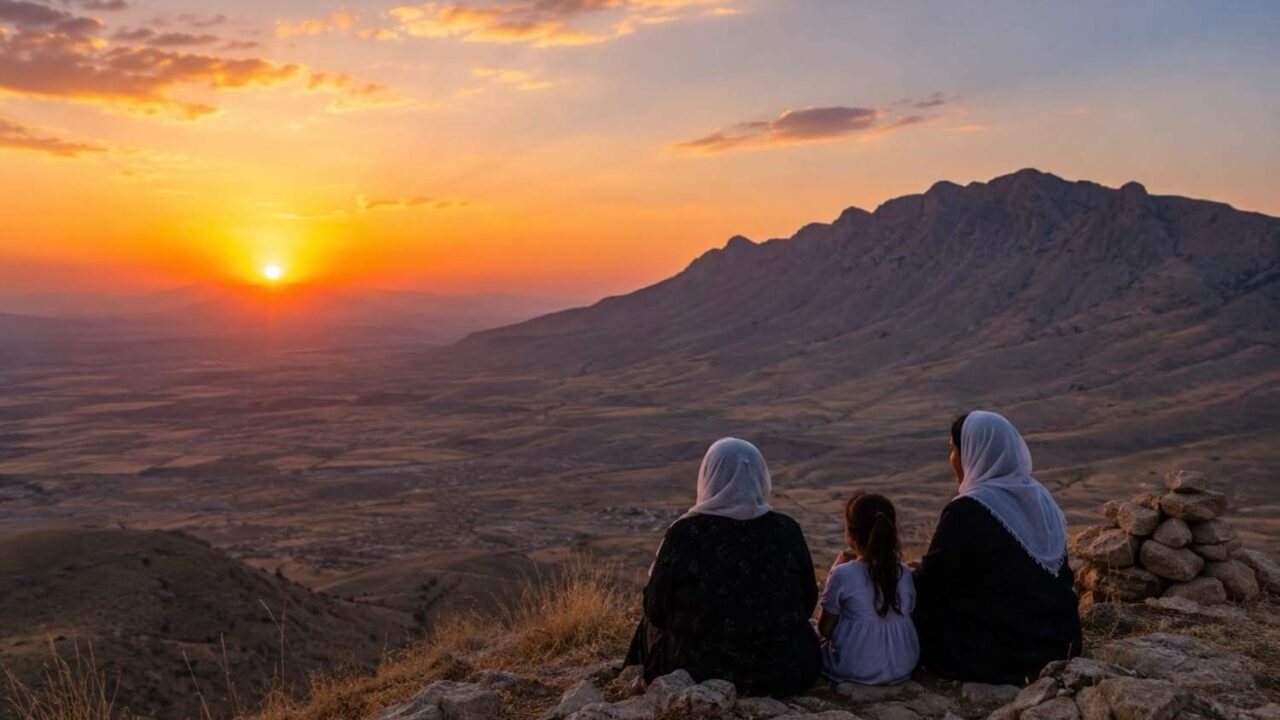
Thousands fled to Mount Sinjar, believing the mountain would protect them. Instead, it became a place where children died of thirst, elderly people collapsed from hunger, and mothers held dying babies in their arms with nothing—not even a drop of water—to save them.
Some mothers reached a moment no mother should ever face. Too weak to carry all their children, they were forced to make impossible choices on that mountain of death. No language can ever describe that pain.
ISIS did not only kill people. It tried to kill our identity.
More than sixty Ezidi shrines and holy temples were destroyed. Stones can be rebuilt, but ISIS wanted to destroy something deeper: the memory, the faith and the soul of a people.
And then there are the stories that words themselves refuse to carry.
One survivor account tells of an Ezidi mother who watched ISIS murder her sixteen-year-old son before her eyes. Three of her daughters disappeared into captivity, their fate unknown. Imprisoned without food or water, she was eventually given a meal after days of starvation. She ate because her body could no longer fight hunger. When she asked where her youngest child was, the answer shattered what remained of her soul.
She was told that the meal she had just eaten was her one-year-old son.
Imagine living another day after hearing those words. Imagine breathing, knowing that the last thing your child ever gave you was another wound that could never heal.
Another account describes nineteen Ezidi women who were locked inside iron cages after refusing to become sexual slaves. ISIS gathered people, including children, to watch. Fuel was poured over the cages.
The women screamed. The fire answered.
Their bodies burned before the eyes of a crowd because they refused to let evil own them. These were not acts of war. They were acts designed to destroy humanity itself.
And perhaps one of the deepest wounds we carry is this: the world knew. The world saw. The world watched. Yet for far too long, the world looked away.
Today, twelve years later, the television cameras have gone. The headlines have faded. The world’s attention has moved on.
But genocide does not end when the shooting stops.
It lives inside every mother who still waits for a missing daughter, every father who has no grave to visit, every child who grew up without parents, every survivor who wakes each night to memories they cannot escape, and every Ezidi whose heart is still buried beneath the ruins of Sinjar.
For every Ezidi, 2014 is not history. It is today. It is every nightmare, every empty chair at the family table, every unanswered question and every tear that still falls for those the earth swallowed twelve years ago.
We are not asking the world for pity.
We are asking for justice. We are asking for accountability. We are asking for the safe return of every missing Ezidi. We are asking for the rebuilding of Sinjar. We are asking for every promise made to survivors to become reality, not another forgotten declaration.
Above all, we are asking you not to forget us.
Because forgetting is how genocide survives.
And twelve years later, our wounds are still open. Our tears still fall. Our loved ones still lie beneath the earth of Sinjar.
And we are still waiting.