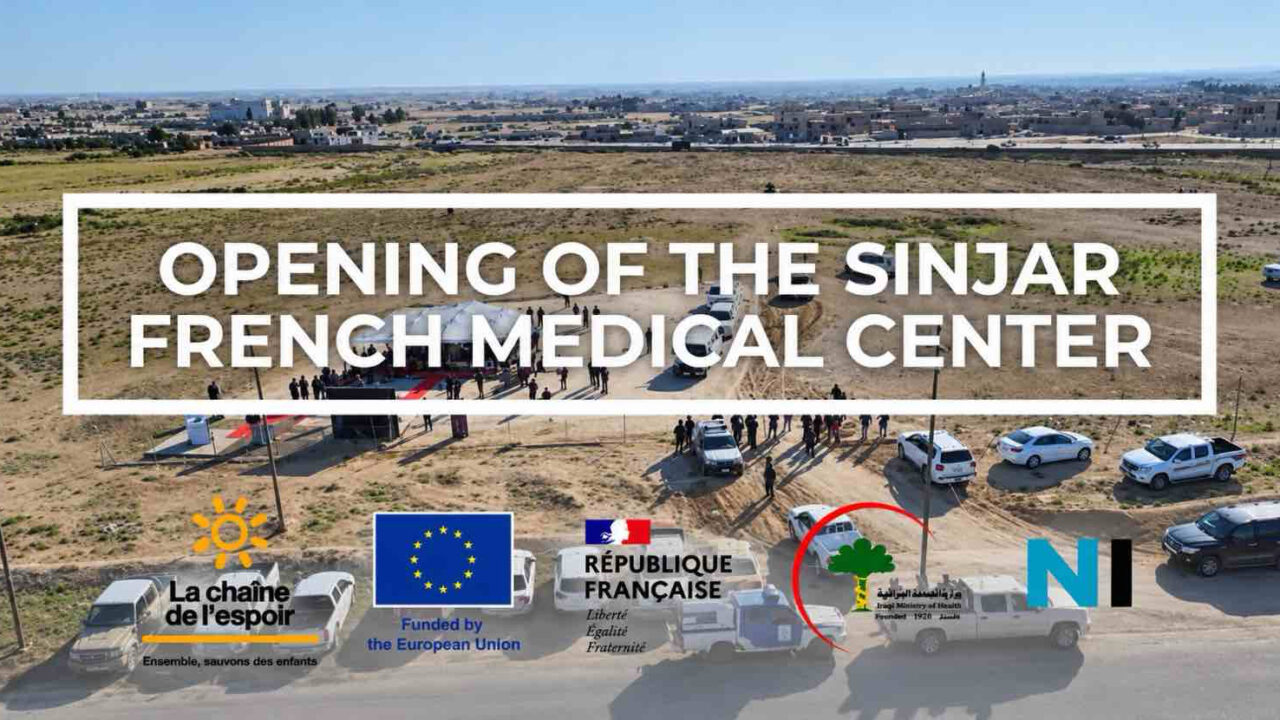
Seven years after Nadia Murad asked France to help rebuild Sinjar after the Ezidi Genocide, the Sinjar French Medical Center is now open and receiving patients.
The hospital began operating in February 2026, following its formal handover to Iraq’s Ministry of Health and the Nineveh Health Directorate in October 2025. It was built through a partnership involving Nadia’s Initiative, the French government, the European Union, La Chaîne de l’Espoir and Iraqi health authorities.
For Ezidi families returning to Sinjar, the opening means access to medical care closer to home after years in which the region’s health infrastructure was destroyed, neglected or simply unavailable.
The idea began in 2018, when Nadia Murad met French President Emmanuel Macron in Paris. Having survived ISIS captivity and become one of the world’s strongest voices for Ezidi survivors, she asked France to support the rebuilding of her homeland.
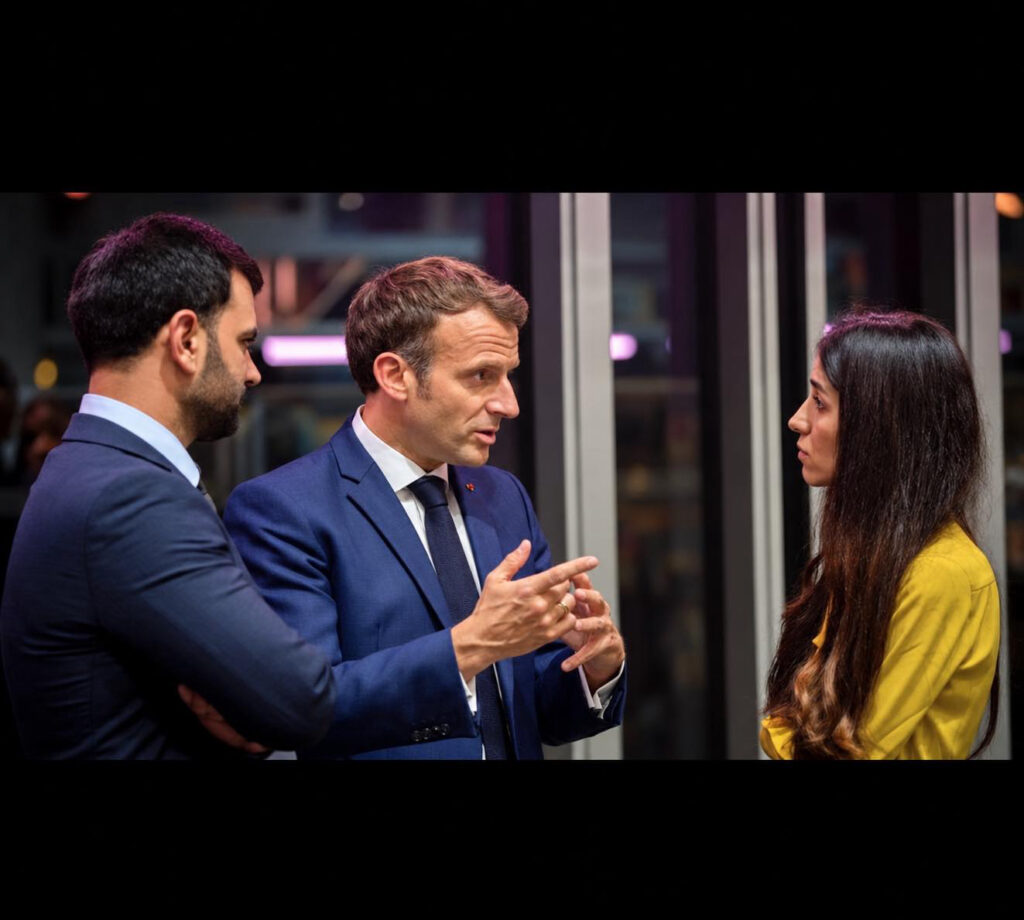
President Macron pledged support for a hospital in Sinjar. What began as a promise later became a long-term project involving construction, medical equipment, training and coordination with Iraqi health authorities.
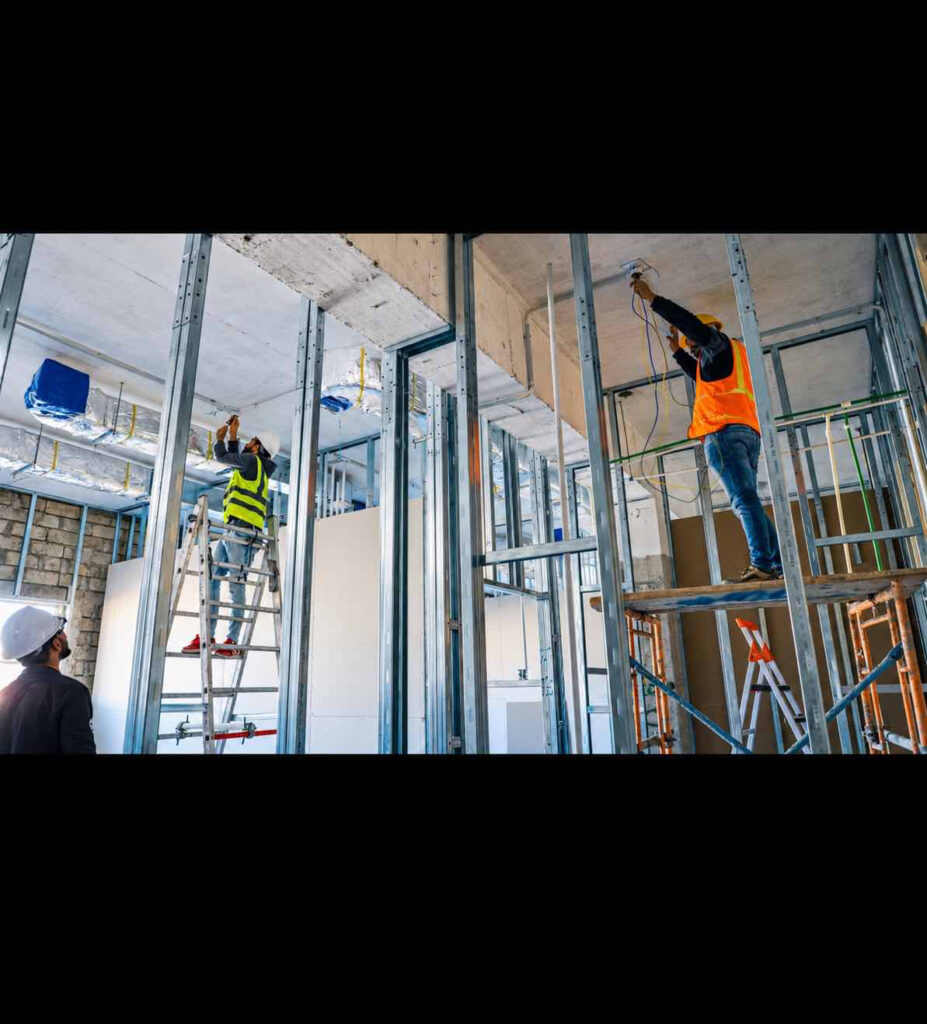
Construction began in 2021 after extensive planning and preparatory work. The project faced security, access and supply challenges, but the hospital was eventually completed, equipped and transferred to Iraqi authorities.
The Sinjar French Medical Center is a 27-bed hospital designed to expand to 100 beds in the future. It includes two operating theatres, emergency care, diagnostic imaging, laboratory services, surgery, inpatient care, gynaecology, obstetrics and services for children.
It is also intended to improve access to care for women and survivors of conflict-related sexual violence, whose medical and psychological needs have too often been ignored after the genocide.
Nadia’s Initiative says the hospital is expected to serve more than 250,000 people across Sinjar and surrounding areas. La Chaîne de l’Espoir has also trained local medical staff and will continue supporting the maintenance of the facility and the development of local capacity.
The opening matters because rebuilding Sinjar is not only about reconstructing houses and roads. Families cannot return permanently if there are no hospitals, doctors, maternity services or emergency care available nearby.
ISIS destroyed much more than buildings in 2014. It destroyed families, public services, livelihoods and the basic conditions that allow a people to live safely in their own homeland.
A hospital cannot undo the Ezidi Genocide. It cannot bring back those who were murdered or erase the suffering of survivors. But it is a concrete investment in the future: a place where Ezidi families can receive care, give birth safely, treat their children and access emergency services without being forced to travel long distances.
The Sinjar French Medical Center is proof that survivor-led advocacy can lead to real change when governments and international partners keep their promises.