This article is based on an opinion piece written by Inas K. and published by the Idaho Statesman. In her own account, she reflects on surviving the 2014 genocide against the Ezidi people, living through displacement and pursuing educational opportunities that eventually took her from Sinjar to Germany and the United States.
An Ezidi student who survived the 2014 genocide and years of displacement has written about her journey from a small village in Sinjar to higher education in Germany and the United States.
Born in 2001, Inas grew up in a small Ezidi village where her life centred on relatives, neighbours and the people around her. Even as a child, she imagined creating opportunities for others and contributing to the future of the Ezidi people, although some dismissed her ambitions as unrealistic.
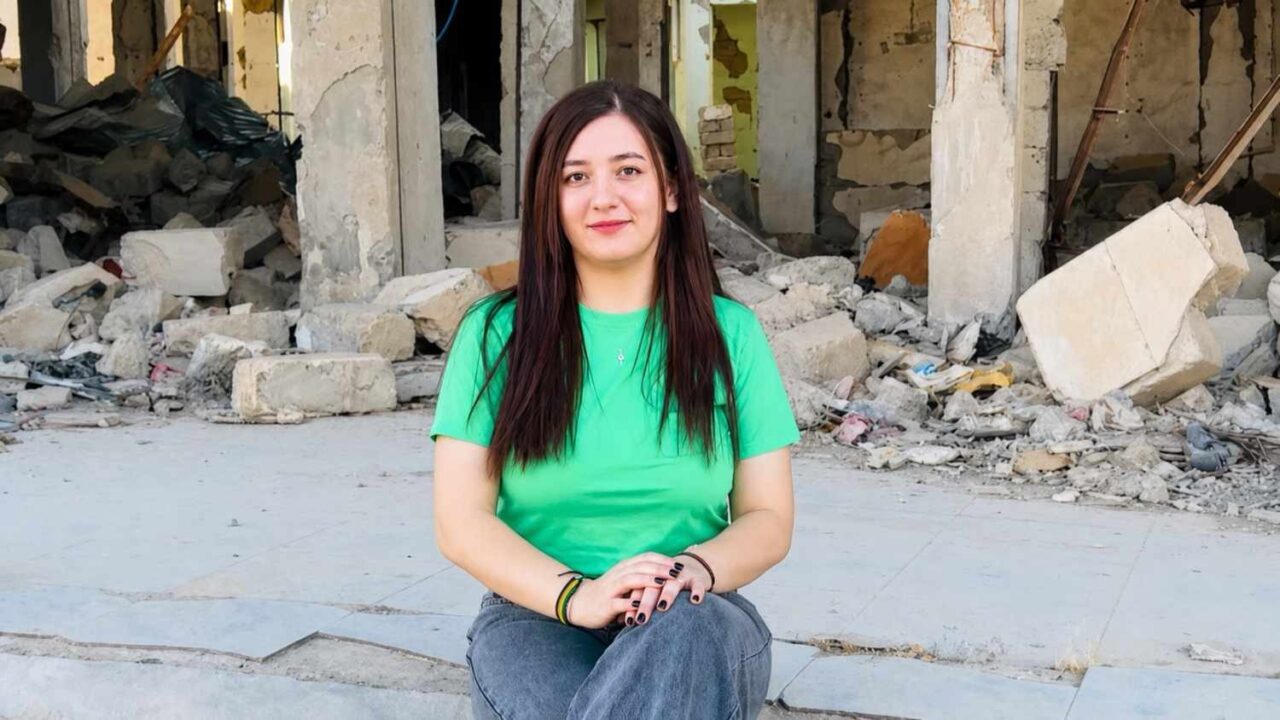
Everything changed on 3 August 2014, when ISIS began its genocidal attack against Sinjar. Thousands of Ezidis were killed, abducted and enslaved, while entire villages were emptied and destroyed.
Inas and her family escaped, but they lost their home and became internally displaced. Life in the camps brought harsh winters, extreme summer heat, food shortages, limited access to clean water and constant uncertainty.
Rather than allowing displacement to determine her future, Inas began searching for ways to learn, volunteer and participate in activities that could expand her opportunities. She filled notebooks with plans and goals, attended workshops and treated education as a path towards rebuilding both her own life and the lives of others.
An opportunity to study abroad
After Sinjar was liberated, her family returned home and began rebuilding what had been destroyed. Inas later learned of a summer programme organised by an Ezidi graduate of United World Colleges for students interested in studying abroad.
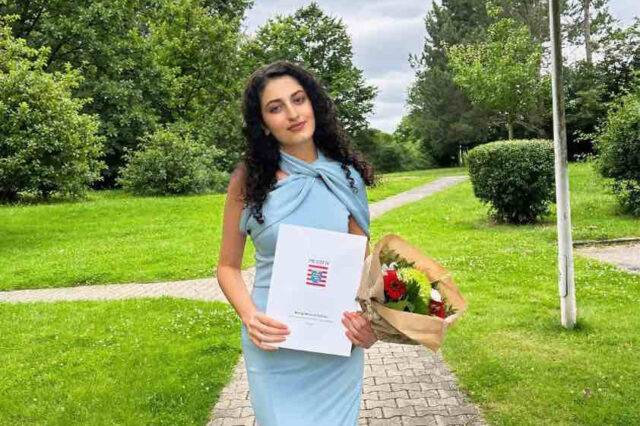
Following a competitive selection process, she received a full scholarship to attend UWC Robert Bosch College in Germany, where she completed the International Baccalaureate diploma programme.
The move placed her in an international educational environment alongside students from different countries, cultures and backgrounds. She writes that the experience changed her understanding of leadership and showed her that a person’s place of origin does not limit what they can achieve.
Her years at UWC also strengthened her belief that difficult experiences can be transformed into meaningful action.
Continuing her education in Idaho
Inas is now completing her senior year at the College of Idaho, where she studies business with a specialisation in marketing and theatre.
Outside the classroom, she works in social media marketing for the college’s Office of Inclusion and Intercultural Engagement. Her role involves helping students connect with resources, internships and opportunities that may shape their academic and professional futures.
She has also held leadership positions in the International Student Organization and advocates for students from different cultural and social backgrounds.
Her journey has taken her from genocide and displacement to classrooms in Germany and the United States. Yet she continues to connect her education to the responsibilities she feels towards the Ezidi people.
More than a story of survival
Inas presents her experience not simply as a story of surviving ISIS, but as one of resilience, education and the opportunities that can emerge when displaced young people receive meaningful support.
She reflects on the child who once lived in a small village where others believed her dreams were too ambitious. That child could not have imagined studying at an international school in Germany or attending university in the United States.
Her central message is that difficult circumstances do not have to determine a person’s future.
She also emphasises that every achievement carries a wider purpose: creating opportunities for others, amplifying voices that have been silenced and helping ensure that children are not discouraged from imagining a future beyond the limitations placed around them.
Inas’s story demonstrates what education can make possible for young Ezidis whose lives were interrupted by genocide, displacement and the destruction of their homes. It is also a reminder that survivor support must extend beyond immediate protection and include access to education, leadership and long-term opportunity.