
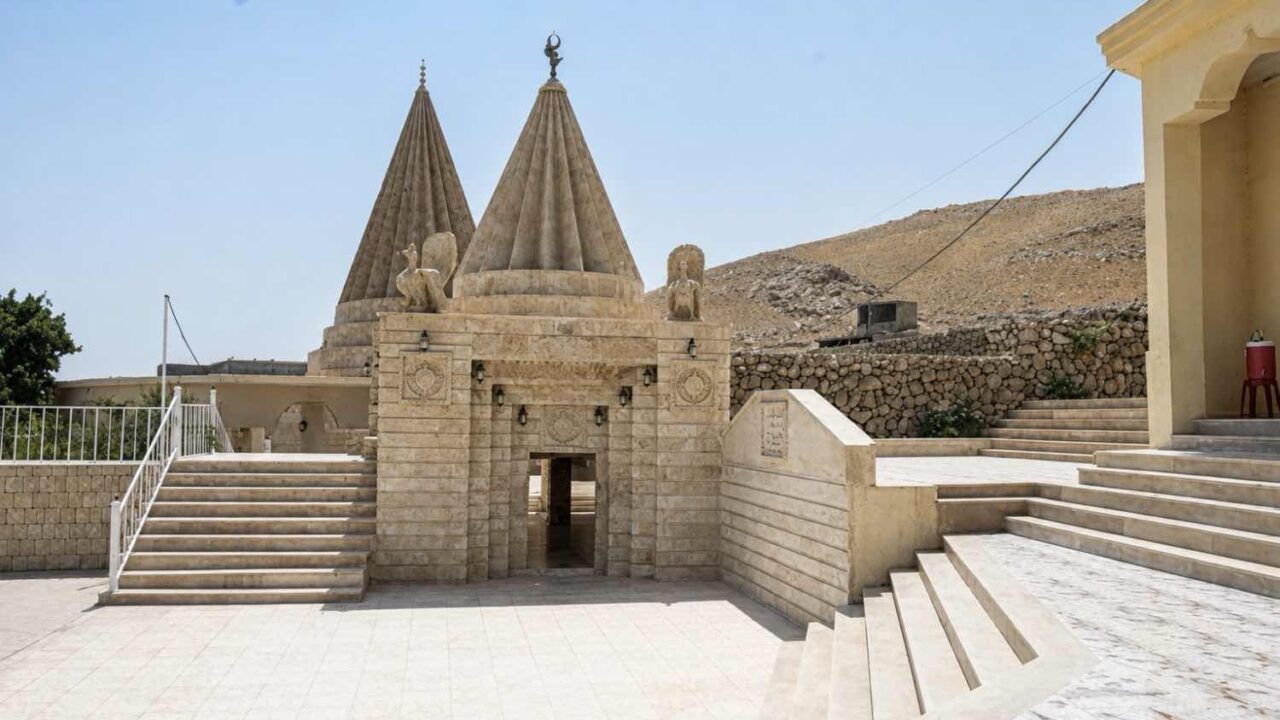
Iraqi forensic and mass-grave authorities have taken the first official steps towards opening a burial site near the Şerfedîn shrine in Sinjar, where the remains of 62 people are awaiting formal identification.
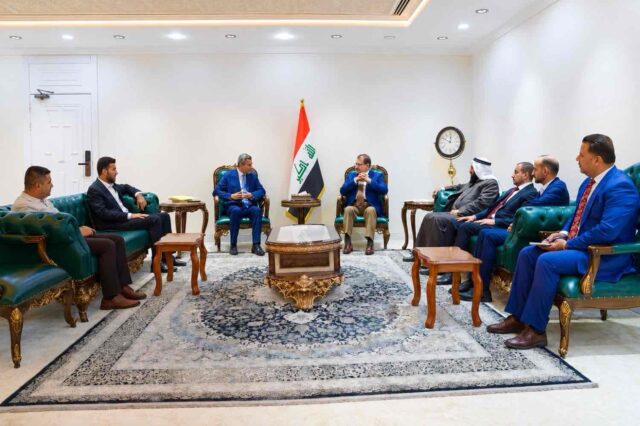
A delegation from the Baghdad Institute of Forensic Medicine and Iraqi mass-grave authorities recently inspected the site and began registering information from families believed to have relatives among the victims.
According to the report, the remains belong to 62 people who were killed during ISIS attacks and whose burial site was identified near [Khana/Xana Sor] after the area was retaken from ISIS in 2015. The bodies were subsequently buried near the Şerfadin shrine without DNA testing or formal identification.
Nearly eleven years later, the identities of the victims have still not been established, preventing families from knowing with certainty whether their relatives are among those buried at the site.
The recent visit represents the first official move towards resolving that uncertainty. Authorities are expected to begin formal procedures for opening the burial site, after which the remains would be transferred to Baghdad for forensic examination and DNA analysis.
Once identification is completed, the remains are expected to be returned to their families for burial.
For Ezidi families this process carries significance far beyond forensic identification. Many continue to live without definitive answers about relatives who were killed or disappeared during ISIS attacks. The recovery, identification and return of remains remains an essential part of establishing the truth about what happened and allowing families to bury their loved ones with dignity.