

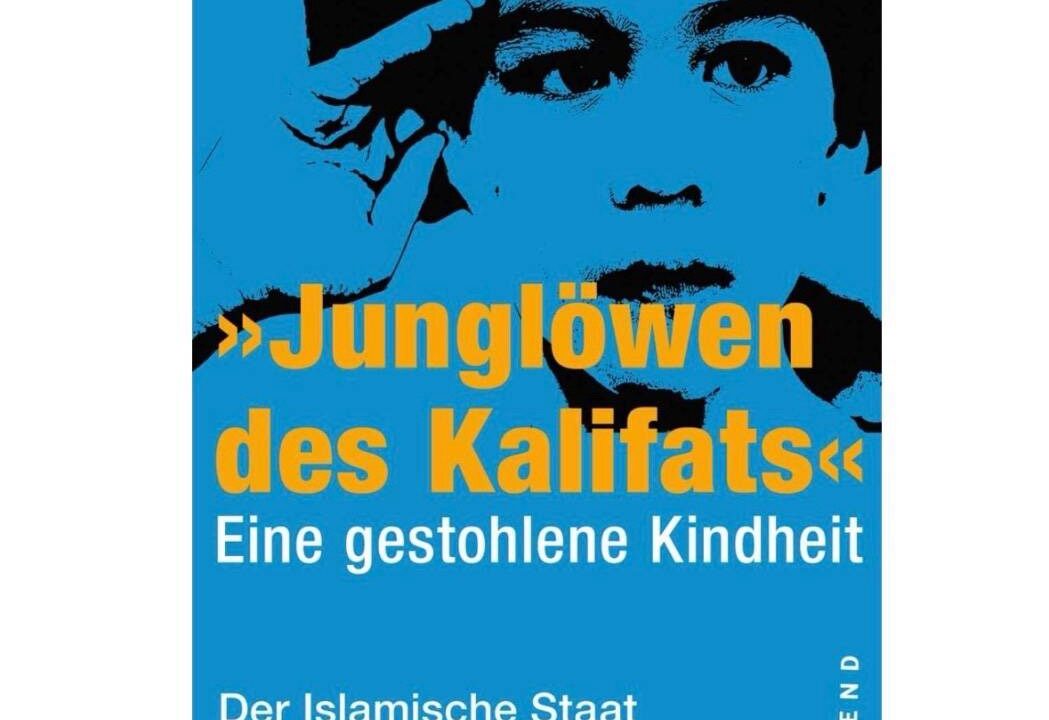
One week before the annual commemoration of the Ezidi Genocide, Young Lions of the Caliphate: A Stolen Childhood documents how ISIS abducted Ezidi boys, forcibly converted them and trained them as fighters, spies and suicide bombers. The book brings attention to one of the least examined crimes of the genocide, but its contribution is weakened by language that misrepresents the identity, language and homeland of the people whose suffering it records.
Written by Gohdar Alkaidy and S. R. Seido, the German-language book was published on 27 July 2026. It is based on conversations with Ezidi boys who survived ISIS captivity and examines how children were deliberately separated from their families, stripped of their identities and transformed into instruments of the organisation responsible for the genocide against their own people.
What Happened to the Abducted Ezidi Boys
When ISIS attacked Sinjar in August 2014, thousands of Ezidis were murdered, abducted or forced to flee. Women and girls were subjected to sexual slavery, while many boys were separated from their families and placed under a different form of captivity designed to destroy their connection to the Ezidi people.
The book describes how ISIS removed the boys from their families, gave them Islamic names, forced them to convert and attempted to suppress their language, religion and memories. Physical violence, threats and psychological pressure were used to break resistance, while prolonged indoctrination was intended to replace their Ezidi identity with loyalty to the so-called caliphate.
This aspect of the genocide has received far less public attention than the enslavement of Ezidi women and girls. The experiences were different, but both formed part of the same campaign to destroy the Ezidi people by separating children from their families, religion and collective identity.
Children turned into weapons
ISIS did not treat the abducted boys merely as prisoners. It viewed them as future fighters who could be shaped through ideological instruction, military discipline and exposure to extreme violence.
Children were reportedly required to watch executions, participate in military exercises and learn how to use weapons. Some were trained for intelligence work, combat or suicide attacks, while others were prepared to serve the organisation in support roles. The youngest were exposed to staged exercises intended to normalise killing and remove their emotional resistance to brutality.
The intention went beyond recruiting additional soldiers. By forcibly converting Ezidi boys and directing them against other Ezidis, ISIS sought to turn the children of the targeted people into tools of their own destruction. The boys were victims of genocide before they were ever presented as fighters, and their conduct under captivity cannot be separated from coercion, abuse and the complete absence of meaningful choice.
Captivity continued inside the survivors
The book also examines the long-term consequences of indoctrination. Military defeat removed many children from the physical control of ISIS, but it did not automatically remove the ideology, fear and trauma placed inside them over years of captivity.
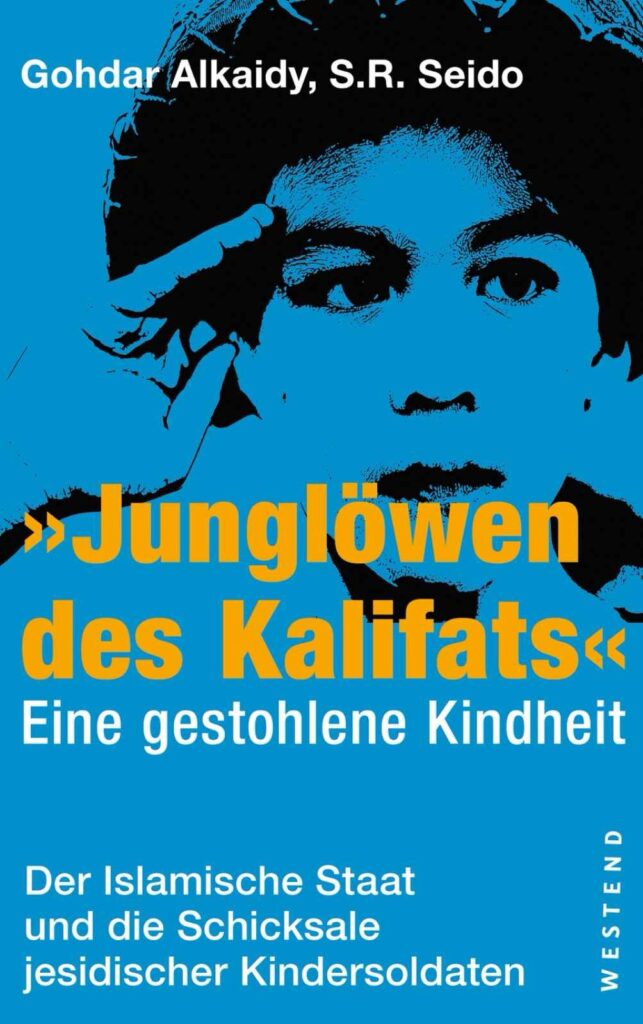
Der islamische Staat und die Schicksale zwangsrekrutierter jesidischer Kinder. By: Gohdar Alkaidy and S.R. Seido.
Some survivors returned without knowing where their families were or whether their relatives remained alive. Others had lost much of their connection to their former lives and struggled to communicate in the language they had spoken before their abduction. Children who had been taught to regard Ezidis as unbelievers were expected to return to Ezidi society without sufficient psychological treatment or specialised rehabilitation.
This is not only a historical problem. Survivors of systematic indoctrination require long-term support from psychologists, educators, social workers and institutions familiar with both genocide trauma and forced radicalisation. Without that assistance, children who were subjected to organised identity destruction are left to manage its consequences largely alone.
What the Book Contributes
By centring the experiences of abducted boys, Young Lions of the Caliphate contributes to a more complete understanding of the genocide. The book records a form of persecution that has often remained secondary in public discussions, despite being central to the ISIS strategy against Ezidis.
Documenting these testimonies is important for history, criminal accountability and collective memory. The experiences of male child survivors must not disappear simply because they do not fit the more widely recognised narrative of captivity associated with Ezidi women and girls.
The book also draws attention to the responsibility of governments and international organisations after liberation. Recognition of genocide has limited meaning when survivors remain without proper treatment, families continue searching for missing relatives and the children targeted for ideological destruction receive no serious programme of rehabilitation.
Where the Book Gets Ezidi Identity Wrong
The importance of the subject does not excuse the book’s failure to describe the Ezidi people with the necessary precision. A work devoted to preserving the experiences of genocide survivors must also accurately explain who those survivors are.
The book describes Kurmanji as the mother tongue of the interviewed Ezidi children without mentioning Ezdiki, the name used by Ezidis for their language. It presents an outside linguistic classification as uncomplicated fact and does not recognise that language is itself part of the political struggle over Ezidi identity.
The terminology is especially troubling because ISIS deliberately attempted to erase the children’s original language and replace it with Arabic. A book documenting that destruction should be particularly careful not to continue the erasure by denying the language its Ezidi name.
The book also repeatedly presents Ezidis primarily as a religious community or religious minority. Ezidis practise Sharfadin, but they are not adequately described as merely the followers of a religion. They are a distinct ethnic and religious people indigenous to Mesopotamia, with their own history, collective memory, traditions and identity.
The foreword further uses geographical formulations that place the Ezidi homeland within a Kurdish national framework. Such terminology may be common in German media and political writing, but repetition does not make it neutral. Sinjar is in Nineveh Governorate, and the ancestral homeland of the Ezidi people should not be casually absorbed into another people’s political geography.
Why These Errors Weaken the Book
These errors are not minor disagreements over vocabulary. Naming the people, their language and their homeland correctly is part of preserving the historical record.
A book cannot fully defend Ezidi memory while repeating the same external classifications promoted by mainstream media, political institutions and researchers who have rarely allowed Ezidis to define themselves. Recording the suffering of Ezidi children while inaccurately framing their identity risks preserving a distorted version of the very history the book seeks to protect.
Young Lions of the Caliphate could have become a particularly strong contribution to genocide research and Ezidi memory preservation. Its documentation of abducted boys remains important, but the careless treatment of identity prevents the book from reaching that standard.
The result is another disappointing entry in a crowded field of works that describe Ezidi suffering in detail while failing to understand the people who endured it. Ezidi survivors deserve more than recognition as victims. They deserve to have their people, language, religion and homeland described correctly.