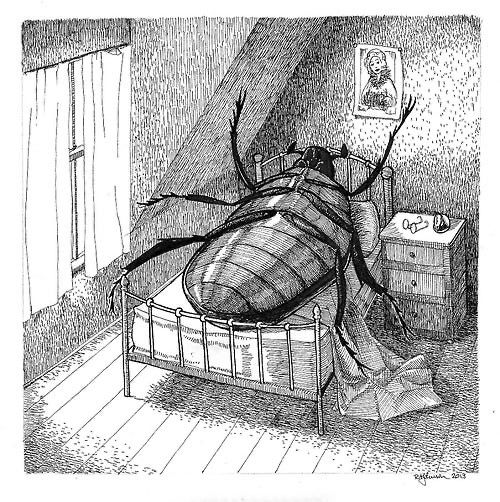
First published in 1915, The Metamorphosis is a novella by German-language author Franz Kafka. It follows Gregor Samsa, a travelling salesman who wakes one morning to discover that he has been transformed into a giant insect. Rather than explaining how or why the transformation happened, Kafka focuses on Gregor’s isolation, his changing relationship with his family and the question of whether a person is still valued when they can no longer work or fulfil the role expected of them.
Recommended for: Readers interested in psychological and existential literature.
One of the stories that stayed with me is The Metamorphosis. It’s not really the story; it’s the idea. The Metamorphosisis one of the strangest and most powerful works I’ve read. It begins with a shocking idea: a man wakes up one day to find himself transformed into an insect. But the story is not really about the transformation; it’s about what comes after.
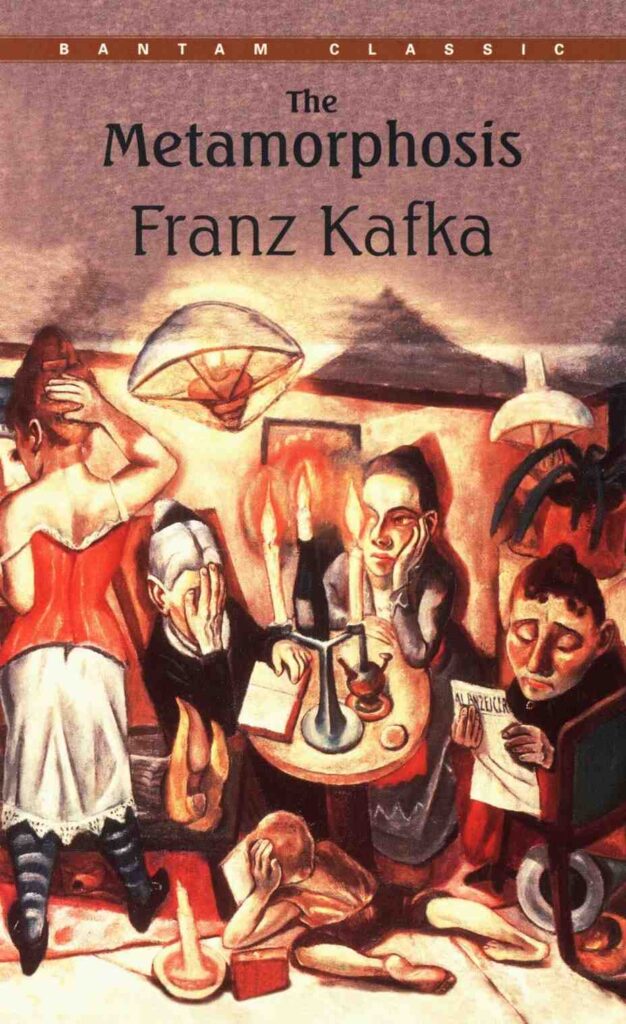
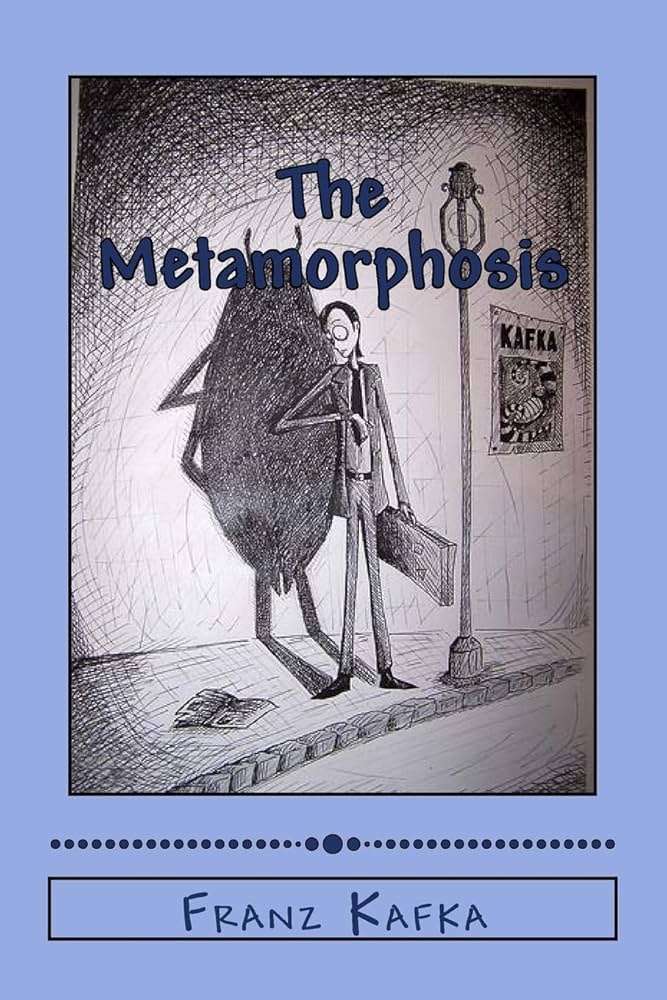
I think the question this book wants to ask is: does unconditional love really exist? Will the most important people in your life still treat you the same when you stop being useful to them?
Kafka explores themes of isolation, identity, and the way society—and even family—can reject someone once they stop being “useful.” What makes the novella so disturbing is how quickly love turns into a burden and how easily a person can be forgotten.
I do believe a person’s value is often seen only in terms of their productivity. When they can no longer produce, they are treated as a burden. But I also believe that, as human beings, we are the ones who should give value—not the other way around.
This is not just a story about becoming something inhuman, but about how the world treats you when you no longer fit into it. Even though Gregor is still the same person inside, those around him no longer see that. His family accepts him for a while, but their love slowly turns into resentment, fear and obligation.
And the question this novella leaves us with is:
If you stopped being useful, would you still be loved?