
A 2026 study by researchers at the University of New England in Australia has examined how digital learning resources in Ezdiki and English can help Ezidi parents take a more active role in their young children’s education while supporting the preservation of language, culture and identity.
The research focused on Ezidi families living in regional New South Wales who were taking part in the Home Interaction Program for Parents and Youngsters, known as HIPPY. The programme supports parents in helping young children learn at home and prepare for school.
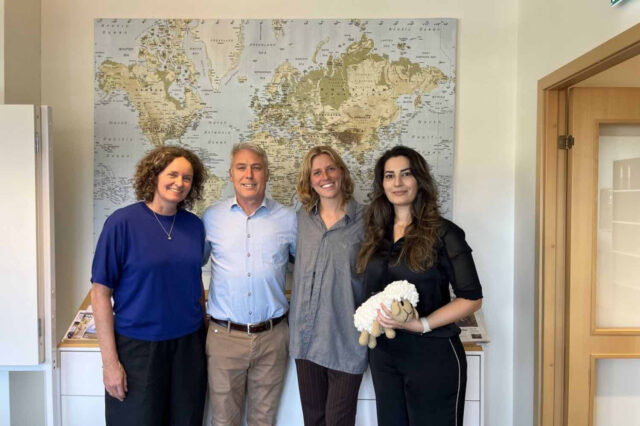
Researchers Majida Mehana, Somayeh Ba Akhlagh and Marianne Knaus found that some Ezidi parents were struggling to benefit fully from the programme because of limited English. Families told the researchers that having educational material available in their own language would make it easier for them to participate.
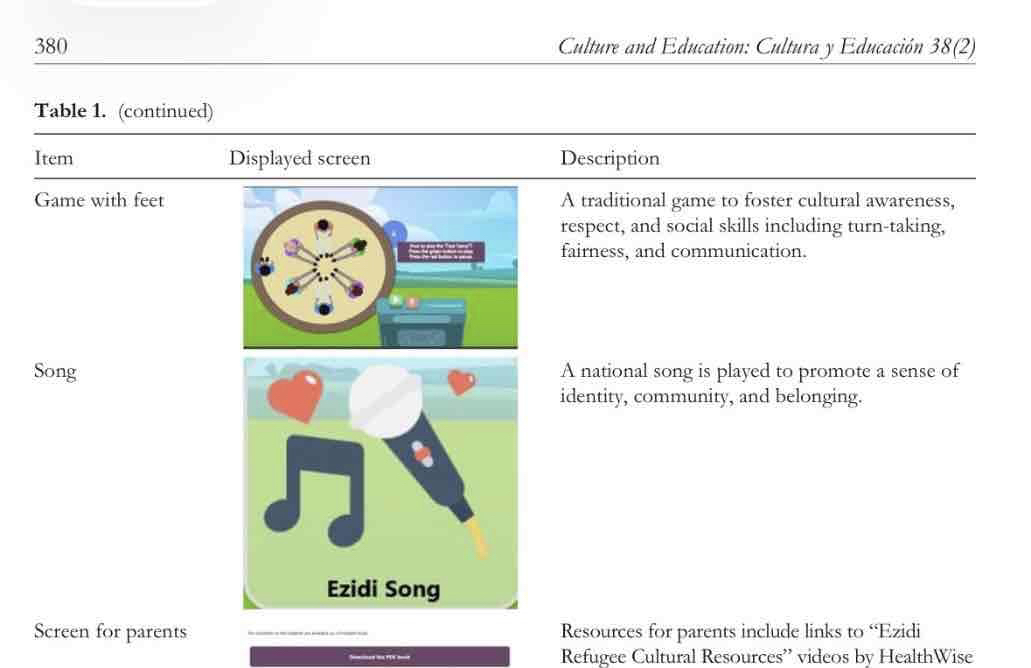
In response, the research team worked with Ezidi families to create a collection of online activities that combined written English with Ezdiki audio.
The resources included numbers, days of the week, recipes, traditional stories, songs and games. Some activities were designed to introduce literacy and mathematics, while others focused on giving parents and children opportunities to share language and cultural knowledge together.
Rather than creating material for children to use independently, the project encouraged parents and children to take part together. This allowed parents with limited English to remain involved in their children’s learning instead of being pushed to the side by a language barrier.
The researchers also attended family gatherings and Ezidi cultural events while developing the material. Families were asked what kinds of resources they wanted, and Ezidis contributed their voices to the audio recordings used on the website.
Creating culturally appropriate material required several revisions. The university team working on the digital design had limited prior knowledge of Ezidi culture and language, so researchers relied on feedback from participating families to improve the characters, stories and other material.
The project also showed that preserving a child’s home language can become difficult after resettlement. Children often learn the dominant language of their new country quickly and may gradually begin using their family language less often, including at home.
For the researchers, the aim was not to choose between English and Ezdiki. Instead, the resources were designed to help children develop in English while continuing to hear and use their own language.
Families who used the resources generally responded positively. Parents said the activities helped them share their language and cultural heritage with their children, while children were particularly interested in hearing Ezdiki used in an educational setting outside the home.
Some children had forgotten certain numbers or days of the week in Ezdiki and used the activities as a reminder. One mother also began using one of the stories as part of her child’s bedtime routine.
The researchers were careful, however, not to overstate the results. Much of the feedback came directly from participating families, and the project did not collect enough systematic data to prove that the digital resources caused measurable improvements in children’s learning or development.
The findings are therefore better understood as promising examples of how culturally relevant resources can make early-childhood education more accessible to families whose language and traditions may otherwise be largely absent from mainstream educational material.
The study also points to practical challenges. Families may have different levels of access to technology, parents may have different literacy levels, and maintaining language and cultural practices can become difficult after displacement and resettlement.
Despite those limitations, the researchers concluded that the project helped families bring Ezidi cultural heritage into their children’s educational lives and highlighted the distinct cultural identity of the Ezidi people.
The study raises a wider issue for Ezidi families living outside their homeland: how children can take part fully in the education system of the country where they live without losing connection to the language, traditions and cultural knowledge passed down through their families.