

Lincoln Declares April as Ezidi Recognition Month
The Mayor of Lincoln Nebraska, Mayor Leirion Gaylor Baird, has signed a proclamation declaring April as Ezidi Recognition Month, acknowledging the presence of Ezidis in the city.
Germany has provided more than €53 million in development funding to Iraq in 2025, including support for projects in Şengal. The funding covers areas such as psychosocial care, housing, infrastructure, and livelihoods, as Berlin continues to back recovery efforts in areas devastated by ISIS.
David Mgoyan is one of the most promising young Ezidi names in MMA today. At just 21 years old, he has already fought on Dana White’s Contender Series, earned an important win in Los Angeles, and continues his push toward the UFC. Mentored by Arman Tsarukyan, Mgoyan is proving that he is a fighter worth watching closely.
Ezidi Times is issuing this public alert following several worrying incidents that have recently been reported to us. After the...
Authorities in Turkey have opened an investigation into journalist Zeynep Durgut after she reported allegations that trees were cut on land belonging to residents of the Ezidi village of Kiwex. The report, which highlighted local concerns about environmental damage linked to a planned police station project, has sparked debate about press freedom and the right to report on issues affecting minority villages.
Fears are rising again in Şengal as Ezidis warn that the conditions that led to the 2014 genocide must never be allowed to return. Survivors, residents, and advocates say the people of Şengal are no longer what they were in 2014 and will not remain defenceless in the face of new threats.
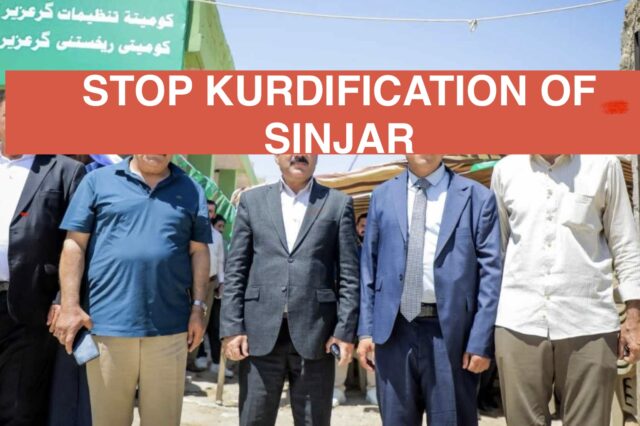
Ezidi representatives met with Turkey’s president and foreign minister in Ankara, raising key issues of security, religious rights, and the situation in Sinjar.
On March 8, the film Mediha was shown again in connection with International Women’s Day, bringing renewed attention to the story of a young Ezidi survivor and the wider struggle for justice and human rights.
Ezidi women have long played a central role in preserving the traditions, faith, and social life of the Ezidi people. After the genocide of August 3, 2014, their voices also emerged on the global stage, as survivors and activists began speaking publicly about the crimes committed against their people. This article explores the historical role of women among the Ezidis, the profound changes that followed the genocide, and how a new generation of women is shaping the future of the Ezidi people through resilience, education, and leadership. Read more.
Ezidi Times criticizes Kurdish media outlet Kurdistan24 for referring to Ezidis as “Yazidi Kurds” in its coverage of the Khidr Elias holiday. The article argues that such language spreads misinformation, erases the distinct identity of the Ezidi people, and attempts to appropriate the sacred traditions of the Ezidi religion, Sharfadin, by falsely presenting them as Kurdish cultural practices.
Five years after Iraq adopted the Survivors Law recognizing the Isis genocide against the Ezidi people, organizations say the legislation remains a significant step but is still only partially implemented. NGO groups warn that without stronger implementation and accountability for ISIS crimes, many survivors will remain without the full reparations they were promised.
Installing the Ezidi script on your phone allows you to write Ezdiki easily in messages, social media, and other apps. Using the Keyman keyboard, the Ezidi alphabet can be added in just a few steps and used on both iPhone and Android devices. This guide explains how to download, install, and activate the Ezidi keyboard so you can start writing in Ezdiki directly from your phone
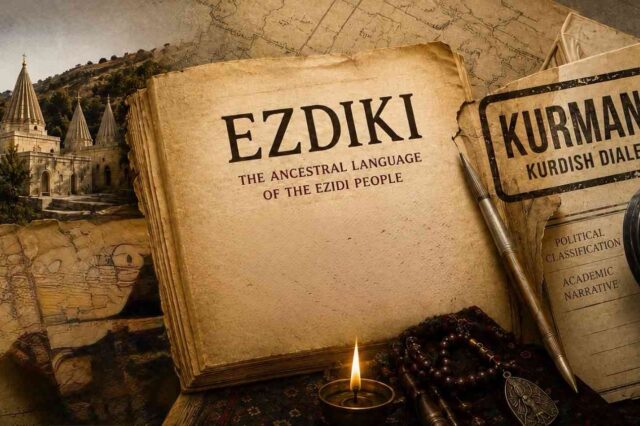
Historical sources show that Ezidis have long referred to their language as Ezdiki, meaning “the language of the Ezidis.” Kurdish is a new term and is the result of political influence and aspirations of creating a “kurdish” nationalistic identity.
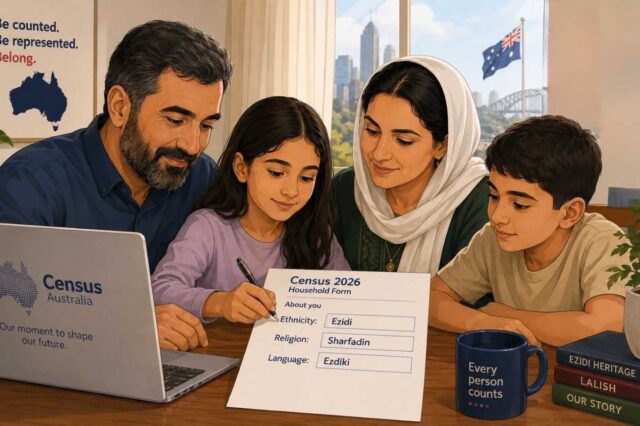
Many Ezidis choose to list their language as Kurdish or Kurmanji because it seems easier when dealing with institutions or people unfamiliar with Ezidis. But doing so risks slowly eroding a history and identity that stretches back thousands of years. One LinkedIn user chose a different path; proudly listing Ezdiki.
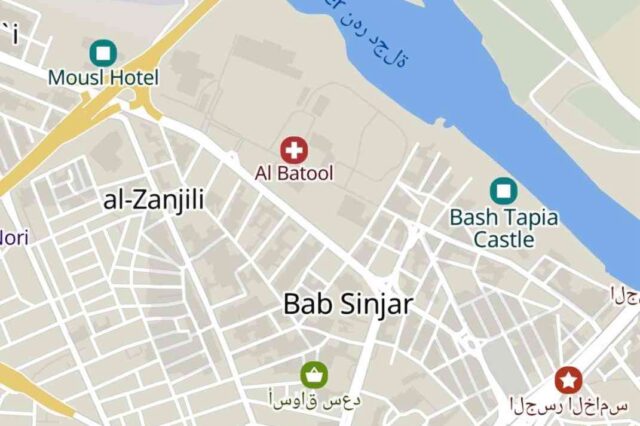
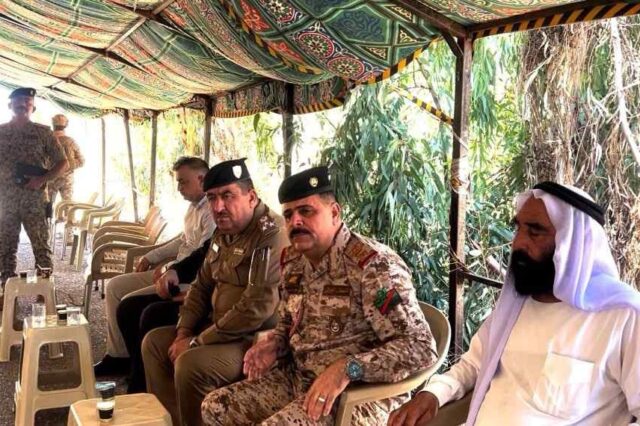
Dissolve by 10 March—or face attack. That was the message delivered to the YBŞ in Mosul, placing Shingal’s Ezidis at another crossroads. For a people still rebuilding after genocide, the prospect of imposed security decisions revives a familiar and dangerous pattern. Ezidi leaders warn that dismantling local defense forces without a binding administrative and security agreement could force new displacement and leave the homeland of Sharfadin exposed once again.
The appeal case of Hasna A. has become a critical test of whether European courts are prepared to fully acknowledge and prosecute crimes committed under ISIS rule. For Ezidi survivors, the hearings were not an abstract legal exercise but a painful confrontation with lived trauma. The recognition of enslavement in a European courtroom carries profound meaning, affirming that crimes committed against the Ezidi people are neither forgotten nor beyond accountability.
Iraqi activist Yanar Mohammed, known for defending vulnerable women and supporting survivors of violence, has been shot dead in Baghdad after returning from Canada.
In the late 1980s, during the Armenia–Azerbaijan war, many Kurds left Armenia, openly stating they would not fight against their Muslim brothers. They relocated to Kazakhstan and remained there for decades, removed from the political and military realities Armenia faced. This development raises legitimate security concerns. Individuals who once refused to defend the state on religious grounds demonstrated that their loyalty was conditional. If loyalty is defined by religion rather than citizenship, the implications are serious. In any future conflict involving a Muslim-majority country, where would such actors stand? Armenia cannot ignore this question.
Ezidi refugees in Australia are calling on the government to prioritise survivors of IS captivity, highlighting the trauma and ongoing needs of those displaced, as widows and children of IS fighters are repatriated.
Among the most ancient and spiritually profound celebrations in the Ezidi religious (sharfadin) calendar is the sacred feast of Xidir...