

Ezidi Artist Hayat Murad Makes History with Global Beauty Nomination
Hayat Murad is the first Ezidi woman to be nominated for TC Candler’s renowned “100 Most Beautiful Faces in the World” list.
Hayat Murad is the first Ezidi woman to be nominated for TC Candler’s renowned “100 Most Beautiful Faces in the World” list.
At just 15 years old, Ikhlas Imran is emerging as one of the most promising young athletes in northern Iraq....
Mayada was only 11 when ISIS stormed her village, tearing her from her family and selling her into slavery. For three years, she endured relentless abuse, passed from one captor to another like a commodity. Yet, despite the horror, she never lost hope. After five failed escape attempts, she finally broke free, navigating landmine-ridden terrain to reach safety. Now, years later, she is not just a survivor—she is a voice for justice, determined to fight for those still in captivity.
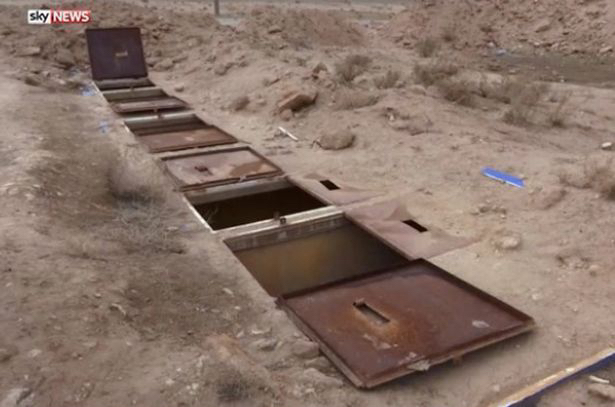
Bir video, IŞİD’in Ezidi kadınları esir tuttuğu ve kuzey Suriye’deki yeraltı hapishanesini ortaya koyuyor. Sky News, gizli yeraltı hapishanesine ait görüntüleri yayımladı; hapishane, sadece küçük demir kapaklar ve dar deliklerle işaretlenmiş, bu deliklerden minimal güneş ışığı karanlık alana ulaşabiliyor.
Um vídeo chocante surgiu, revelando uma prisão subterrânea no norte da Síria onde o ISIS mantinha mulheres ezidíes em cativeiro. O Sky News divulgou imagens do local escondido, marcado apenas por pequenas tampas de ferro e buracos estreitos que permitiam que uma quantidade mínima de luz solar chegasse à escuridão abaixo.
Den 17 december 2024 erkände Schweiziska nationalrådet officiellt de massiva grymheter som begicks mot eziderna av Islamiska staten (IS) 2014 som folkmord. I ett historiskt beslut fördömde den schweiziska lagstiftande församlingen den systematiska våldskampanjen, inklusive massmord, sexuellt våld, tvångsförflyttningar och förstörelsen av kulturellt arv, som utfördes av terroristgruppen i norra Irak.
Muitos estados carecem de conhecimento preciso ou suficiente sobre os ezidis, frequentemente confundindo sua identidade e classificando-os erroneamente como parte da comunidade curda. Essa concepção equivocada coloca em risco a independência do povo ezidi. O ódio e as ameaças contra eles estão se espalhando cada vez mais online, alimentados por desinformação generalizada, muitas vezes propagada por grupos anti-ezidis. Muitos políticos curdos estão explorando a situação, tentando obter votos no Iraque sob a fachada de apoio aos ezidis. No entanto, por trás das portas fechadas, os mesmos políticos contribuem para o crescente ódio direcionado ao povo ezidi.
Många stater saknar korrekt eller tillräcklig kunskap om eziderna, vilket ofta leder till missförstånd om deras identitet och felaktig klassificering av dem som en del av den kurdiska folksamlingen. Denna missuppfattning äventyrar ezidernas identitet, överlevnad och självständighet. Hat och hot mot dem sprider sig alltmer på nätet, drivet av utbredd desinformation, ofta spridd av icke-ezidier. Många kurdiska politiker utnyttjar situationen genom att försöka vinna röster i Irak under förespeglingen att stödja ezidierna. Samtidigt, bakom stängda dörrar, bidrar samma politiker till den växande hatkampanjen mot det ezidiska folket.
In response to the escalating violence in Syria, the Iraqi government has significantly bolstered military presence along its western border, particularly in the Shingal region, home to Iraq’s Ezidi citizens. The decision to send reinforcements comes as fears grow over the spillover of the Syrian conflict, which has intensified in recent weeks with a series of violent clashes between Syrian rebels and the Syrian regime.
Som reaktion på den eskalerende vold i Syrien har den irakiske regering betydeligt styrket sin militære tilstedeværelse langs sin vestlige grænse, især i Shingal-regionen, som er hjemsted for Iraks Ezidi-borgere. Beslutningen om at sende forstærkninger kommer, da frygten vokser for, at konflikten i Syrien vil sprede sig, hvilket er blevet forstærket de seneste uger med en række voldelige sammenstød mellem syriske oprørere og det syriske regime.
The Shingal Autonomous Administration in Iraq has announced the launch of a signature campaign to recognize the atrocities committed against...
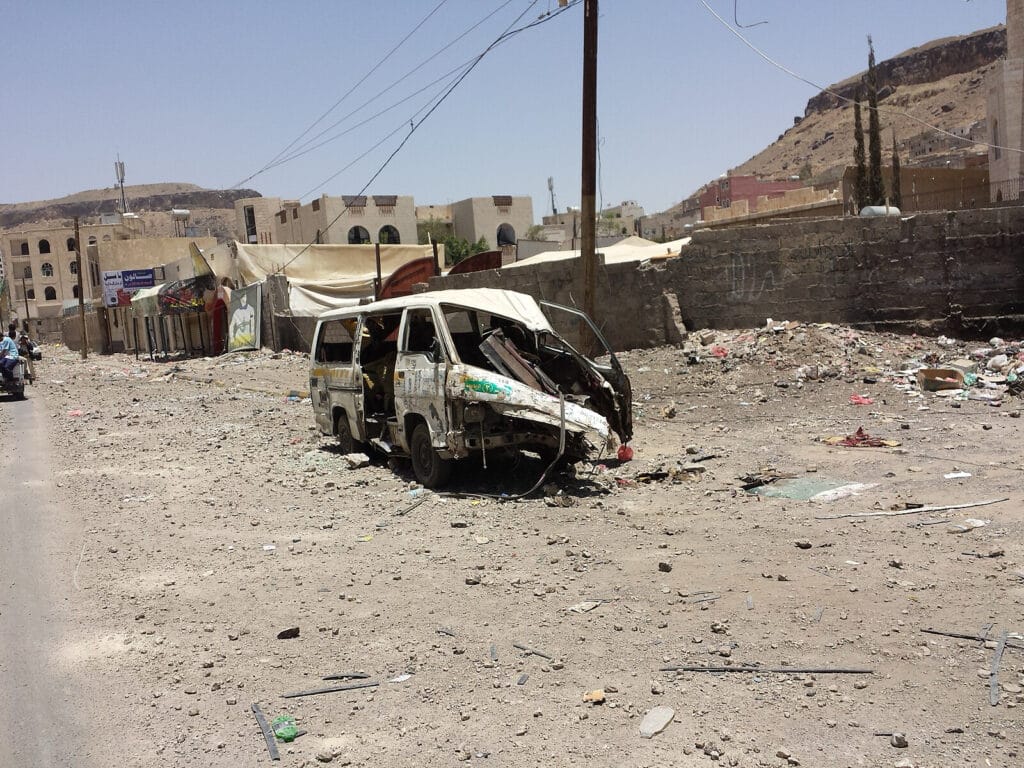
The Turkish state has been attacking Shengal since 2017, seeking to disrupt the Ezidi people’s post-ISIS reconstruction and autonomy. These attacks, which have included routine bombings of civilian areas, reflect a broader policy by Turkey aimed at displacing the Ezidi people and undermining their efforts to rebuild their society.
A, som äntligen återförenas med sin far efter 10 år i fångenskap. Foto: taget från videor som cirkulerar online. Ezidi...
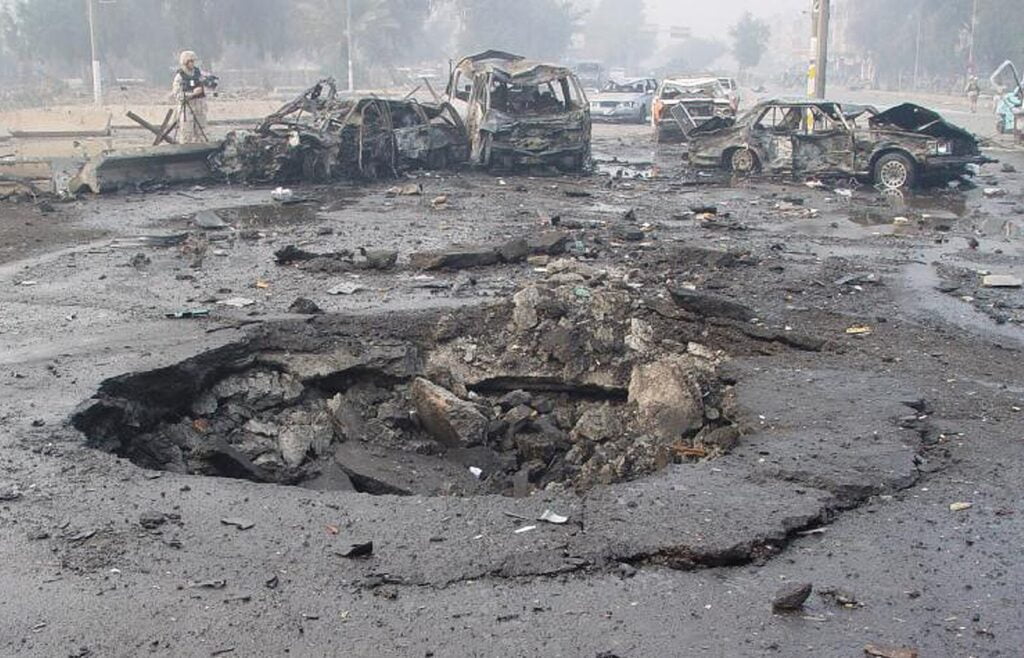
Ezidi district of Al-Qahtaniyah, west of Nineveh governorate, Ezidi people who are currently living in IDP camps still remember August 14, 2007, as the day when their region experienced the deadliest series of bombings in Iraq since the 2003 U.S. invasion.
The Yezidis are an ethno-religious minority with the majority speaking Kurmanji, one of the main Kurdish dialects, according to researchers. Geographically, they are classified as a dispersed minority in demographic centres where population density is homogenous and concentrated. They are mainly located in contested areas across several residential clusters, notably in the Sinjar region (locally known as Shingal) and the Nineveh Plain, which falls administratively under the central government. This region includes the Shekhan district, along with numerous Yezidi villages and towns in the Tel Keppe district, as well as the cities of Ba’shiqa and Bahzani in Nineveh province. There are also smaller population clusters in the southern and western parts of Duhok province, which have been part of the Kurdistan region since 1991, including towns and cities such as Sharya, Khanke, Ba’adre, and Derabun.
In this article we give you a recap of the main events related to the Ezidis. Ezidi Athlete Yurik Mamedov...
Photo by Seth Frantzman on Flickr. The plight of the Ezidis, who suffered horrific atrocities at the hands of the...
Photo: CC Wikimedia Commons Newroz, a time-honored tradition signifying "New Day," holds profound cultural and historical significance for millions of...
In a world marred by the atrocities of ISIS, the voices of Ezidi women echo with the weight of unmet...
I år i august vil det være 10 år siden, at IS angreb Sinjar, begik grusomme forbrydelser og tvang flere hundrede tusinde Ezidier til at forlade deres forfædres land. Indtil i dag rapporteres det, at mellem 100.000 og 200.000 Ezidier bor i internflygtningelejre over hele Mellemøsten. Det irakiske repræsentantråd har vedtaget Yezidi Survivors Law (YSL), som havde til formål at bringe retfærdighed til Ezidierne, men også til Turkmenerne, Kristne og Shabaks. Alligevel er ingen irakisk domstol endnu blevet dømt for at begå folkedrab mod Ezidi-folket. På trods af dette er der håb blandt Ezidierne, der bor i internflygtningelejre, om at vende hjem til Sinjar.