N’oubliez jamais le passé, car il aime se rappeler à vous

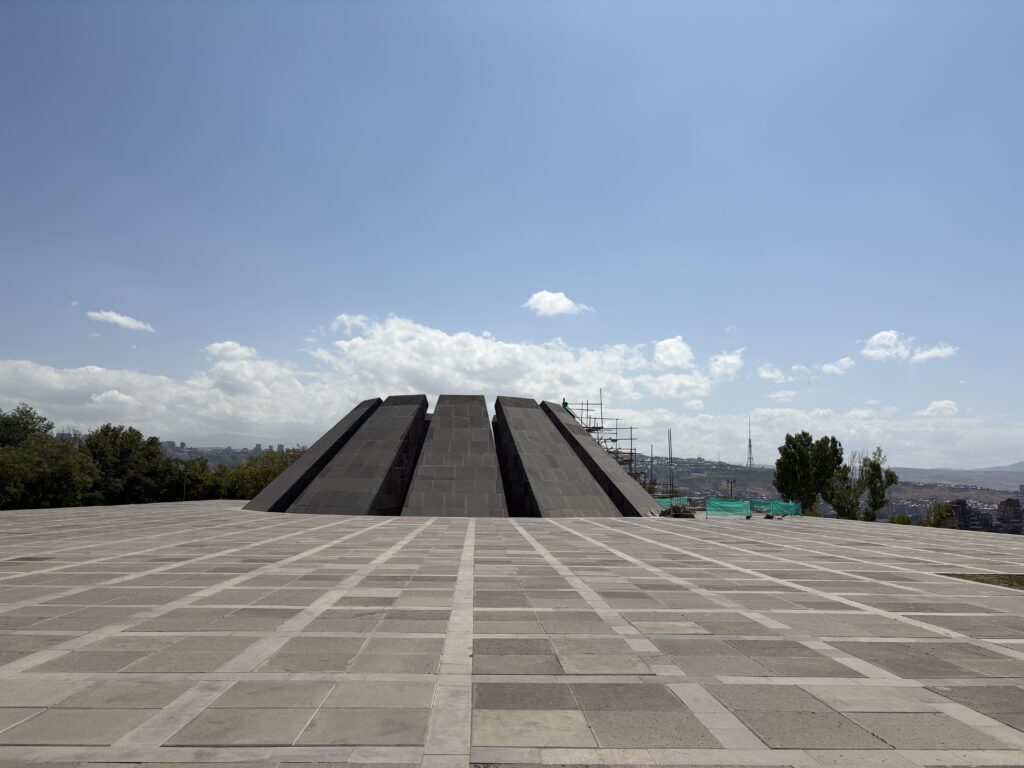
L’humanité traverse l’histoire en portant les cendres de ses propres crimes. Chaque pierre posée dans des mémoriaux comme celui de Tsitsernakaberd murmure des vies éteintes et des promesses trahies — plus jamais ça, disons-nous, et pourtant, encore et encore, nous échouons. Tandis que la flamme éternelle brûle pour les Arméniens de 1915, elle projette une ombre jusqu’à Sinjar, où le peuple ézidi souffre encore des conséquences du génocide déclenché par l’État islamique en 2014. Onze ans plus tard, les blessures demeurent béantes, aggravées par la trahison, la négligence et des jeux politiques cyniques. Combien de mémoriaux faudra-t-il encore ériger avant que nous comprenions enfin que le souvenir ne suffit pas — que la justice et la protection doivent suivre, faute de quoi le cycle ne prendra jamais fin ?
Never Forget the Past, for It Loves to Repeat Itself

Humanity walks through history carrying the ashes of its own crimes. Every stone laid at memorials like Tsitsernakaberd whispers of lives extinguished and of promises broken — never again, we say, yet again and again, we fail. As the eternal flame burns for the Armenians of 1915, it casts a shadow that reaches Sinjar, where the Ezidi people still suffer the consequences of the genocide ISIS unleashed in 2014. Eleven years later, the wounds remain unhealed, deepened by betrayal, neglect, and cynical politics. How many more memorials must we build before we finally understand that remembrance is not enough — justice and protection must follow, or the cycle will never end?

Ezidi Times — July 2025

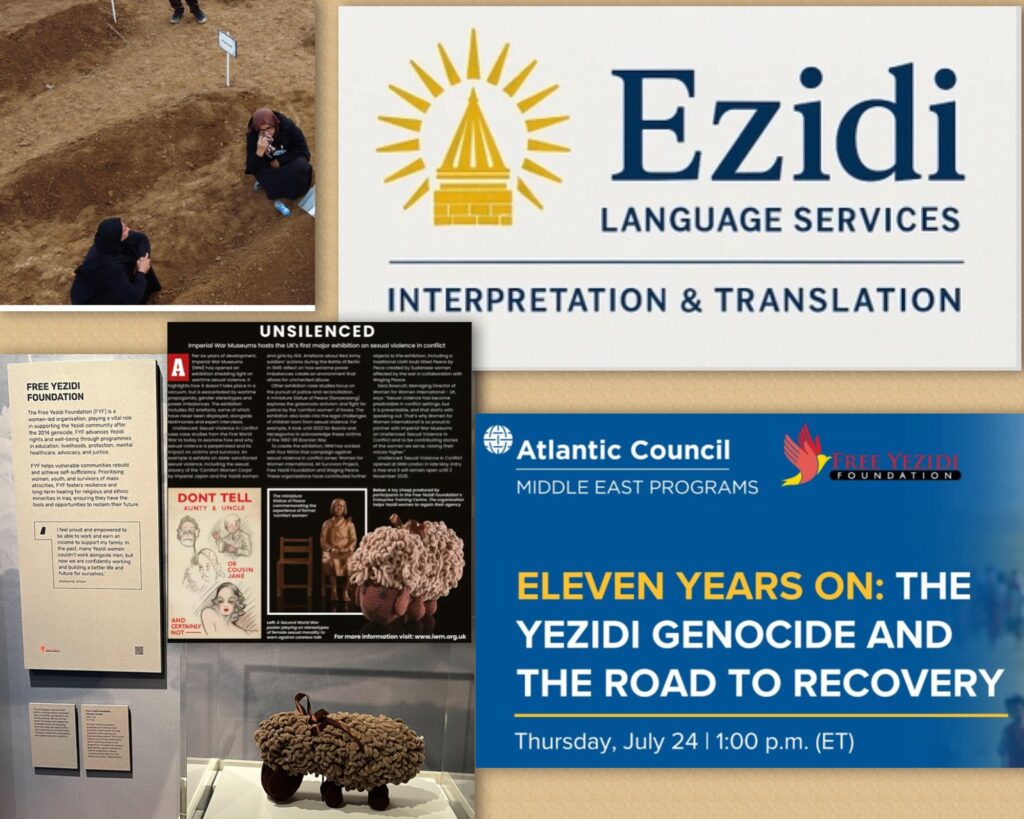
The Imperial War Museum in London opened Unsilenced: Sexual Violence in Conflict, the UK’s first major exhibition on wartime sexual violence, running through November 2. It includes testimony and artefacts from Ezidi women enslaved by ISIS, alongside other global cases, raising awareness of survivors’ struggle for justice. The Free Ezidi Foundation contributed to the exhibition.

TAJÊ demande reconnaissance et justice pour 19 femmes ézidies brûlées vives

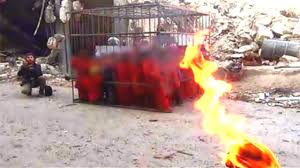
Le Comité diplomatique du Mouvement des Femmes Ézidies Libres (TAJÊ) a lancé un appel urgent au président irakien et à plusieurs instances internationales, réclamant l’identification de 19 femmes ézidies brûlées vives par l’État islamique (EI) à Mossoul en 2016. Le mouvement exige également que cette atrocité soit officiellement reconnue comme un acte de féminicide.

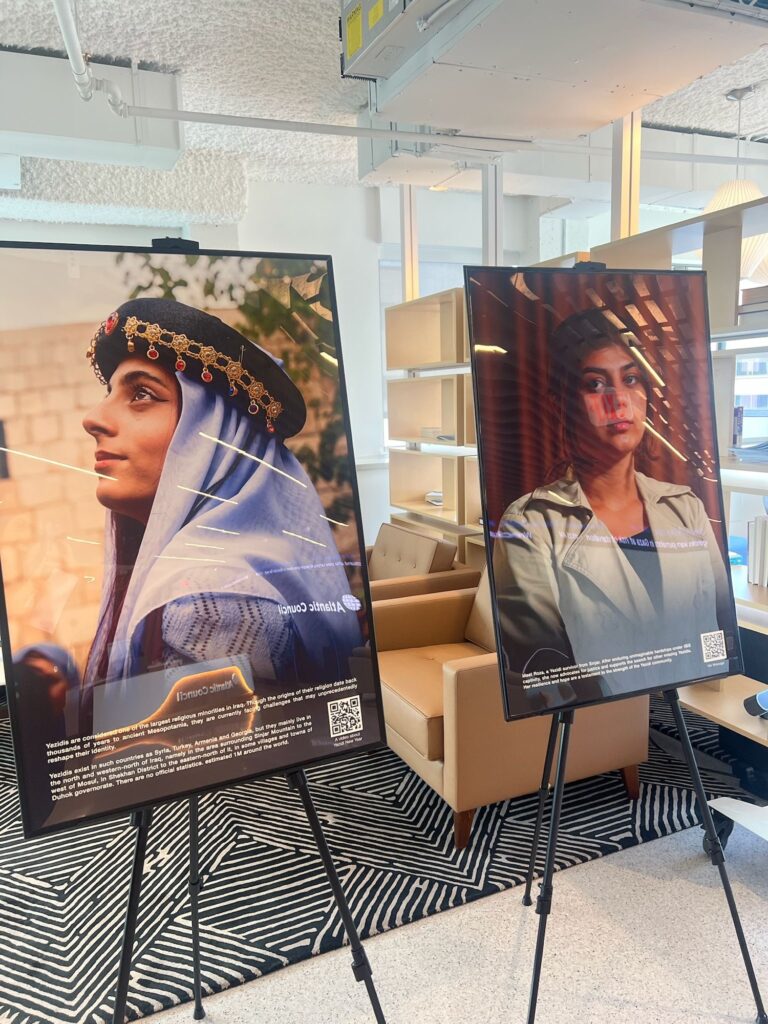
Ezidi Life Ten Years After the Genocide: A Look at Youth and Male Survivors

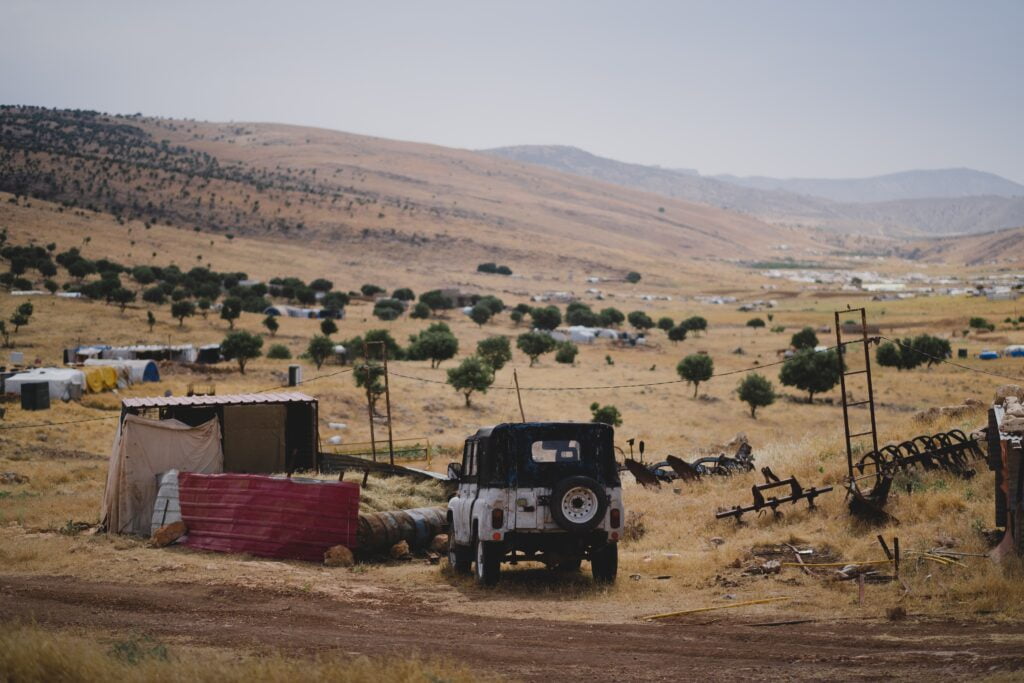
Many Ezidis remain unable to return to their homeland in Sinjar due to ongoing insecurity, political tensions, and the destruction left behind. Thousands continue to live in camps with limited access to education, healthcare, and employment opportunities. Even those who have managed to return face immense hardships, with homes in ruins, infrastructure in poor condition, and economic instability making survival difficult. Justice remains elusive, as many perpetrators of the genocide are still free, and international attention has largely faded, leaving survivors feeling abandoned.

The Triumph of Sinjar’s Daughters Over Evil

Mayada was only 11 when ISIS stormed her village, tearing her from her family and selling her into slavery. For three years, she endured relentless abuse, passed from one captor to another like a commodity. Yet, despite the horror, she never lost hope. After five failed escape attempts, she finally broke free, navigating landmine-ridden terrain to reach safety. Now, years later, she is not just a survivor—she is a voice for justice, determined to fight for those still in captivity.