



The Hasna A. Appeal and Crimes Against the Ezidi People

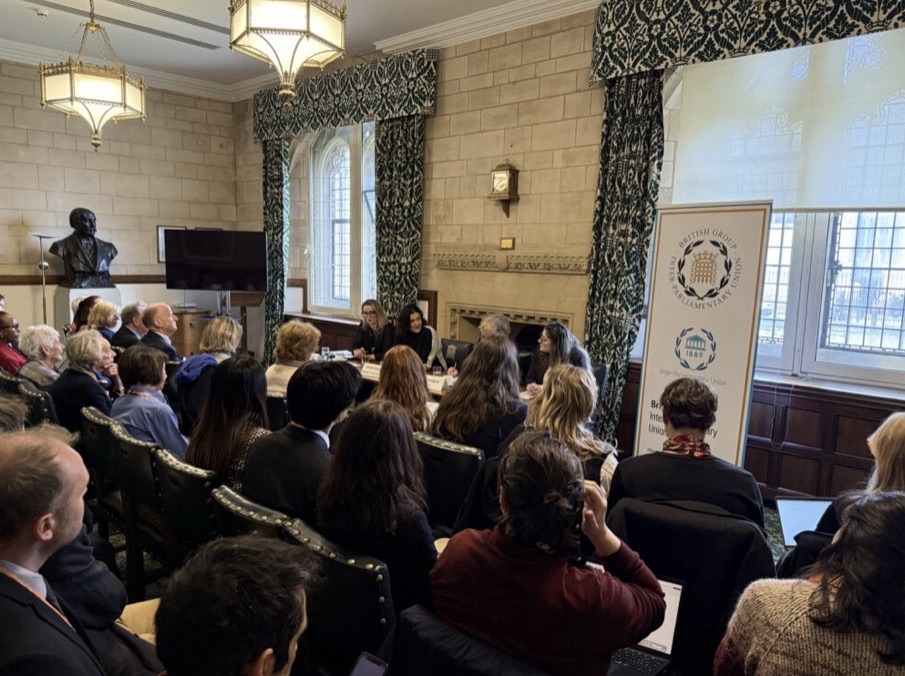
The appeal case of Hasna A. has become a critical test of whether European courts are prepared to fully acknowledge and prosecute crimes committed under ISIS rule. For Ezidi survivors, the hearings were not an abstract legal exercise but a painful confrontation with lived trauma. The recognition of enslavement in a European courtroom carries profound meaning, affirming that crimes committed against the Ezidi people are neither forgotten nor beyond accountability.

The Importance of Women in Society

Women are the quiet strength of every society. Even in the face of violence, displacement, and loss, they continue to protect their families, educate their children, and preserve culture. Among the Ezidis, women have shown that survival alone is not enough; they transform suffering into resilience and silence into voice. Their actions prove that the true power of a society is revealed not in how it dominates, but in how it values and listens to its women.

Nadia Murad Meets European Parliament President, Renewing Focus on Accountability for Crimes Against Ezidis

Nadia Murad met with European Parliament President Roberta Metsola in a discussion reinforcing international attention on accountability for the 2014 genocide against Ezidis in Iraq. A survivor of the genocide, Murad has spent the past decade advocating for justice, recognition, and protection for survivors of sexual violence in conflict. The meeting highlights continued engagement between European institutions and global advocates working to ensure that crimes committed against Ezidis and their Sharfadin faith remain recognised and addressed at the international level.

Protecting Our People Before History Repeats

The Ezidis know the consequences of ignored warnings. Ongoing instability in the region, particularly in Sinjar, has renewed serious concerns about safety and protection for a people who have already survived genocide. The conditions that enabled the atrocities of August 3, 2014, have not been fully resolved, leaving Ezidis vulnerable to renewed threats. Protecting Ezidis today is essential not only to acknowledge past crimes, but to prevent history from repeating itself.

Recognition of Bangladesh Genocide: Assessing Through the Lenses of International Criminal Law

Bangladesh’s 1971 genocide remains largely unrecognized internationally, despite clear evidence of mass killings, sexual violence, and attacks on intellectuals. This analysis examines the events through international criminal law, highlighting the urgent need for recognition, justice, and remembrance—lessons that resonate deeply with Ezidis and all peoples who have endured systematic persecution.

Iraq Begins Excavation of Khasfa Mass Grave, One of the Largest Left Behind by ISIS

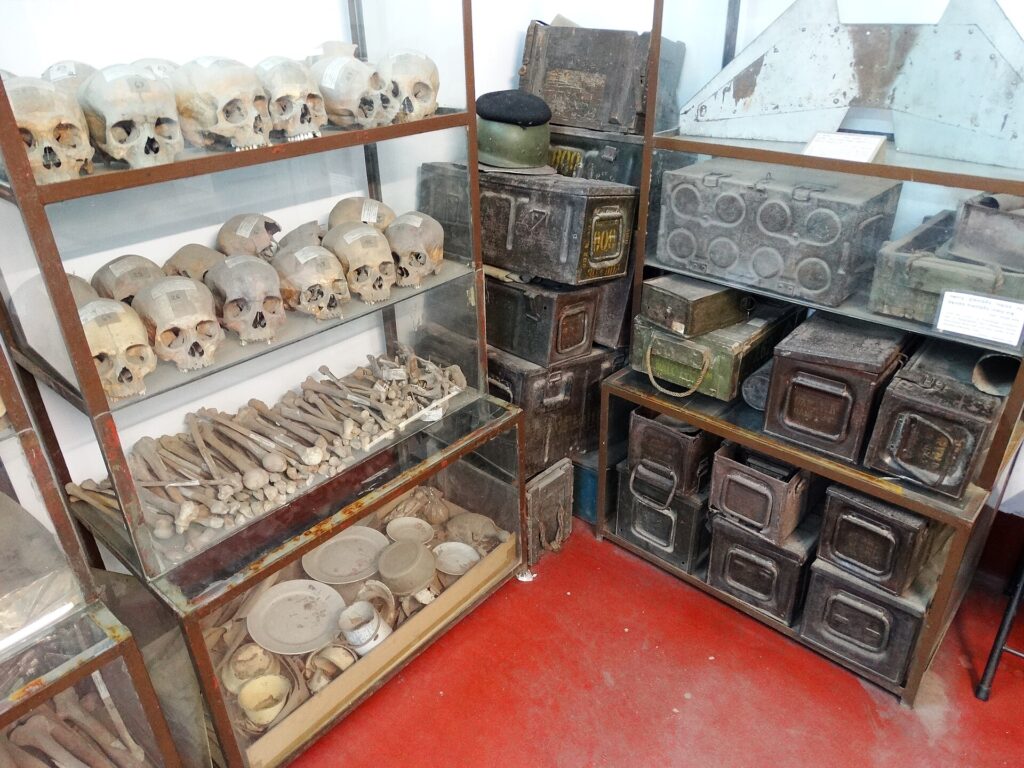
Iraq has begun the long-delayed excavation of the Khasfa mass grave near Mosul, a vast sinkhole where ISIS executed and buried thousands during its rule. Believed to hold at least 4,000 victims — including Ezidis, soldiers, and civilians — the site is one of the largest and most complex in modern Iraqi history. Forensic teams face immense challenges, but the work offers families of the missing a fragile hope for answers and dignity after more than a decade of silence.

11 years Since the Ezidi Genocide – What Has Happened?

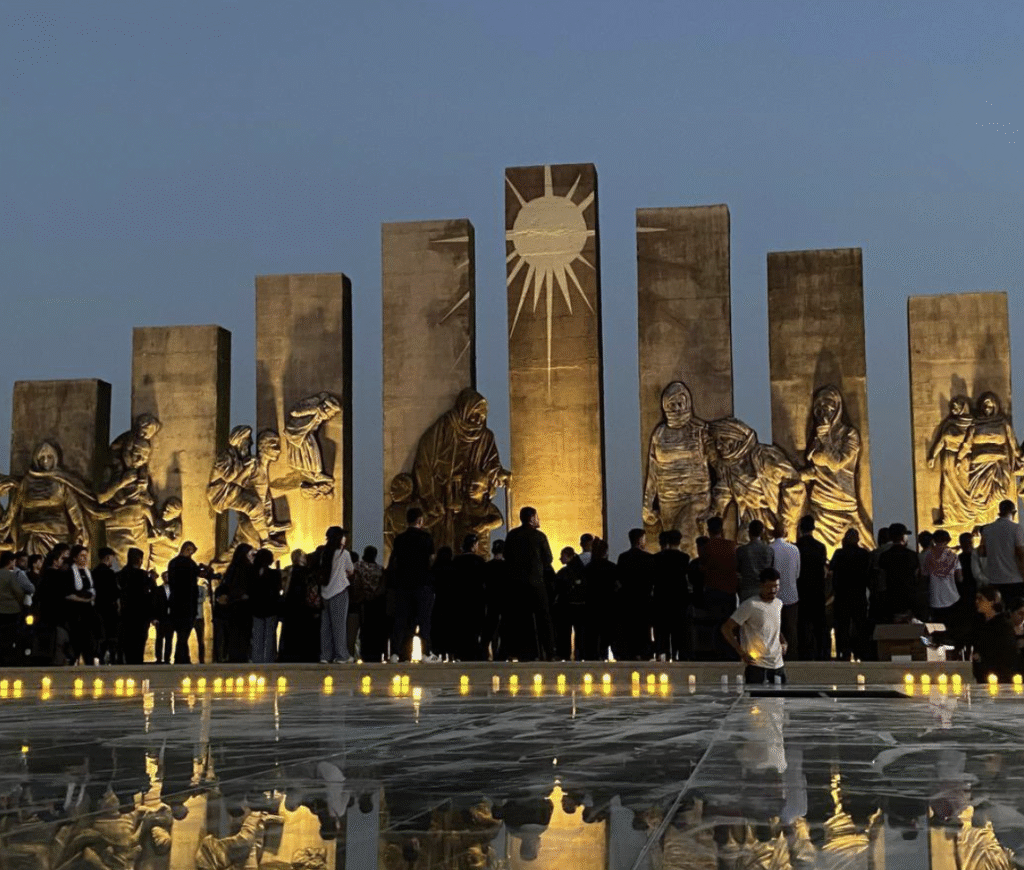
On August 3, 2014, the Ezidi people of Sinjar were targeted for extermination by ISIS. Thousands were killed, enslaved, and displaced. The genocide aimed to erase not only lives, but identity, culture, and the ancient faith of Sharfadin.
Eleven years later, justice remains out of reach. Sinjar is still unsafe. Survivors are still waiting. And Iraq has yet to formally recognize the genocide—blocked by those who try to claim the Ezidis as their own.
We remember the victims.
We name the truth.
And we will not stop until justice is done and our people can return home safely. Ezidi Times will continue to speak. Loudly. Relentlessly. Truthfully.

N’oubliez jamais le passé, car il aime se rappeler à vous

L’humanité traverse l’histoire en portant les cendres de ses propres crimes. Chaque pierre posée dans des mémoriaux comme celui de Tsitsernakaberd murmure des vies éteintes et des promesses trahies — plus jamais ça, disons-nous, et pourtant, encore et encore, nous échouons. Tandis que la flamme éternelle brûle pour les Arméniens de 1915, elle projette une ombre jusqu’à Sinjar, où le peuple ézidi souffre encore des conséquences du génocide déclenché par l’État islamique en 2014. Onze ans plus tard, les blessures demeurent béantes, aggravées par la trahison, la négligence et des jeux politiques cyniques. Combien de mémoriaux faudra-t-il encore ériger avant que nous comprenions enfin que le souvenir ne suffit pas — que la justice et la protection doivent suivre, faute de quoi le cycle ne prendra jamais fin ?