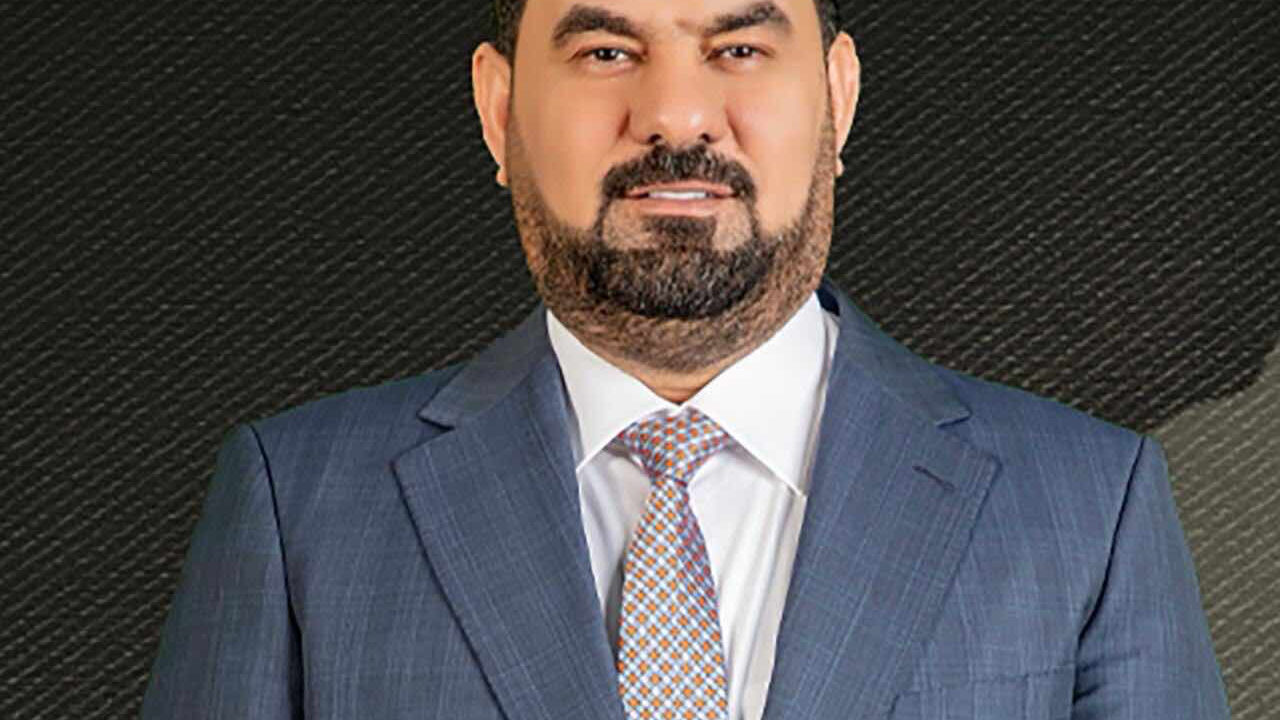
Speaker of Iraq’s Council of Representatives Haibat al-Halbousi and Deputy Speaker Farhad Amin Atroushi issued separate statements in Baghdad on Tuesday, 6 October 2026, congratulating Ezidis in Iraq and abroad on the Jema Festival and calling for action on justice, protection, missing people and the return of displaced families.
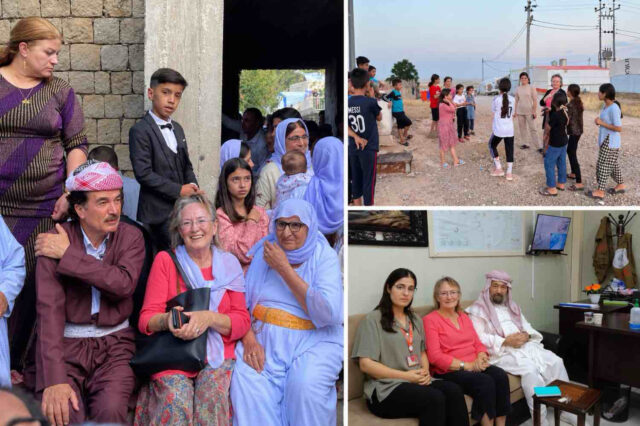
Their statements coincided with the beginning of the annual seven-day festival, observed from 6 to 13 October at Lalish, the holiest sanctuary of Sharfadin. The Jema Festival, also known as the Feast of Assembly, brings Ezidis together for religious ceremonies and collective observance.
Al-Halbousi described the Ezidi people as an integral part of Iraq and an enduring partner in the country’s history and national identity. He said the crimes and terrorism inflicted upon Ezidis reinforced the Iraqi state’s responsibility to deliver justice, safeguard their rights, protect their existence and secure their safe and dignified return to their areas of origin.
He also presented Iraq’s religious and ethnic diversity as a source of national strength and emphasised that the country belongs equally to all its people.
Atroushi’s statement set out a more detailed list of demands. He called on the federal government to continue facilitating the return of displaced Ezidis, determine the fate of those who were abducted or remain missing, provide material compensation and redress, protect constitutional rights and establish conditions in which Ezidis can live with dignity.
The deputy speaker linked these responsibilities to national unity, religious tolerance and peaceful coexistence, while extending his congratulations to Ezidis celebrating in Iraq and across the diaspora.
The demands remain unresolved twelve years after ISIS attacked Sinjar on 3 August 2014 and committed genocide against the Ezidi people. Many families remain displaced, while others continue searching for relatives who were abducted or disappeared. Insecurity, damaged homes, inadequate public services and unresolved administrative disputes continue to obstruct permanent and sustainable return.
Neither parliamentary office announced a new law, budget, timetable or implementation mechanism on 6 October. The statements therefore represent high-level political commitments rather than a new government programme. Their significance will ultimately depend on whether Iraq’s institutions translate these commitments into searches for the missing, compensation, reconstruction, functioning services, effective protection and the conditions required for a voluntary, safe and dignified return.
As a practical measure connected to the festival, Nineveh authorities separately granted Ezidi public-sector employees leave from 6 to 13 October, allowing them to attend the religious ceremonies at Lalish.