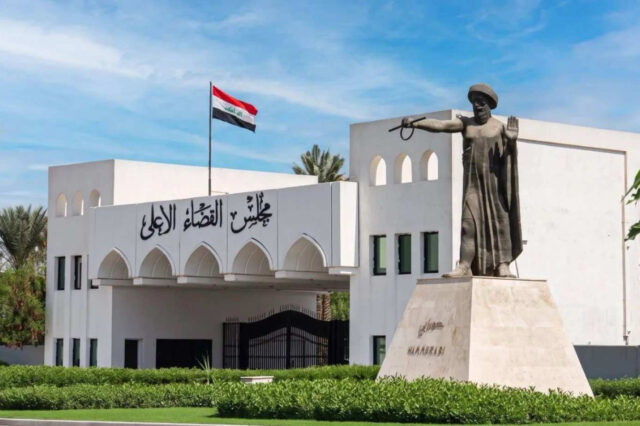
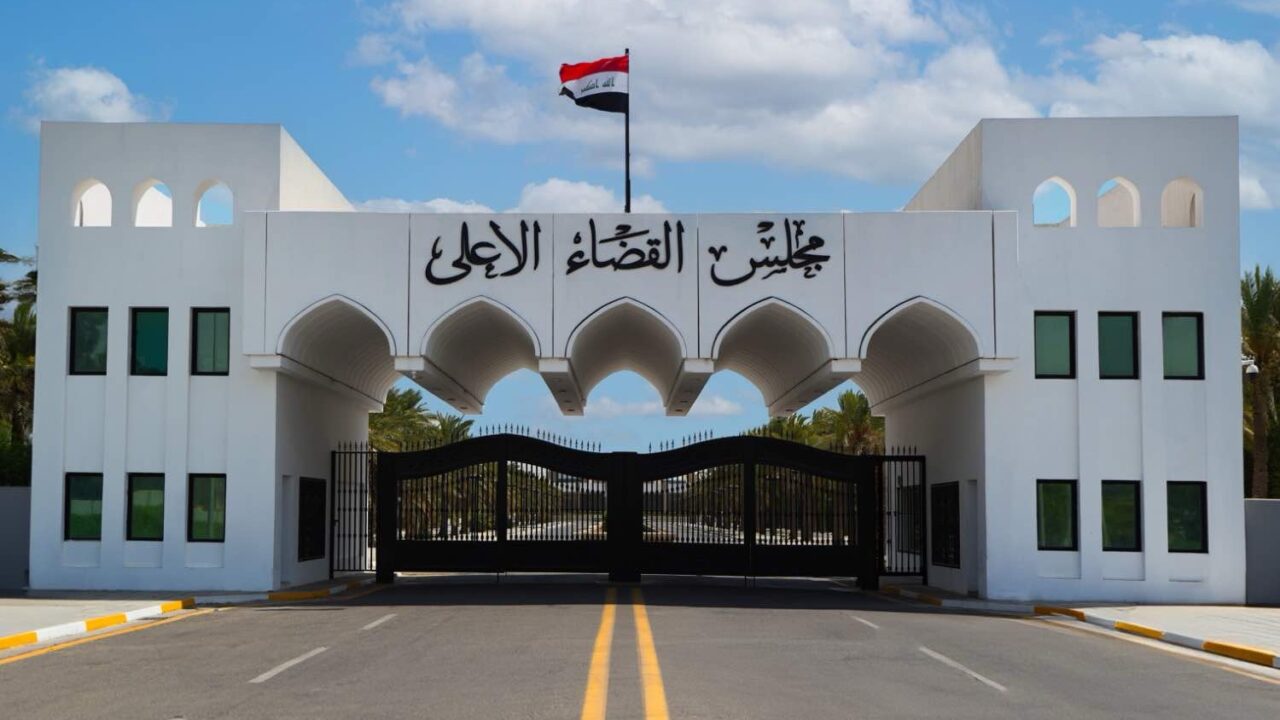
In a statement issued on 1 September 2026, the Media Centre of Iraq’s Supreme Judicial Council said the First Karkh Investigative Court had completed interrogations in the cases of 5,704 alleged IS members transferred from north-east Syria to Iraq. The Council said the files will now move to trial, with defendants referred in batches to the competent courts and each case assessed on its own evidence.
The statement identifies six defendants whose files are directly linked to the enslavement, detention, transfer or sale of Ezidi women.
According to the Council, investigators found information connecting the six suspects to roles in IS’s slavery system, including the detention, transport, sale and supervision of enslaved Ezidi women, as well as benefiting from that system. The Council said the cases concern serious crimes with an international dimension committed against Ezidis.
The investigations began in February 2026. The defendants come from 67 nationalities, including 474 Iraqis and 3,497 Syrians. The Council said the cases also involve nationals from 16 Arab countries, 19 European Union countries and 32 other countries.
The First Karkh Investigative Court will now refer the cases to trial courts. The Council said proceedings will be conducted under Iraq’s Counter-Terrorism Law, Penal Code and Criminal Procedure Code, with each defendant judged on the evidence in their individual file.
The statement also said that evidence was insufficient in several cases. One Finnish detainee was handed to Finnish authorities, one US detainee to US authorities, and seven Iraqi detainees were released. Iraqi authorities are also preparing to release and transfer 457 Syrian detainees to Syria after concluding the legal procedures in their cases.
The Council said it has prepared a closed-circuit courtroom for remote hearings involving defendants considered high-security risks.