
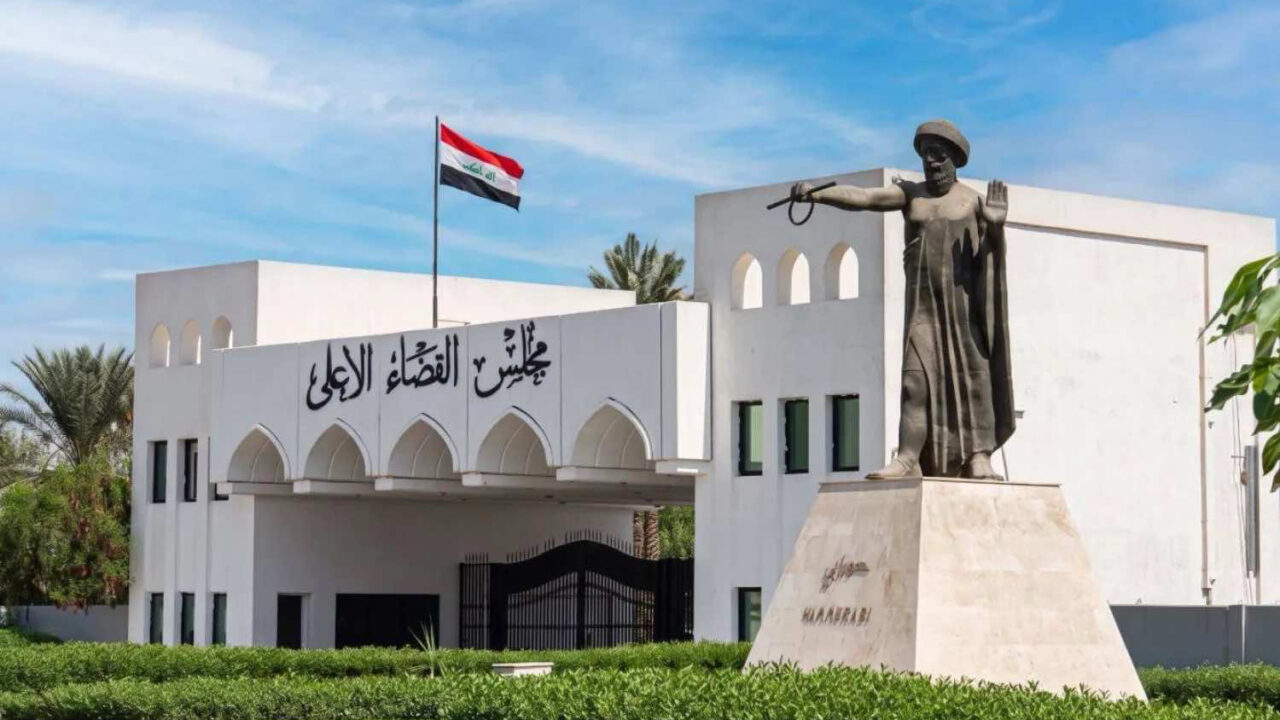
Six men accused of belonging to ISIS went on trial in Baghdad on 20 September 2026, as Iraq advances proceedings against foreign suspects transferred from detention in Syria. The hearing forms part of a much larger judicial process involving thousands of detainees, with Iraqi investigators also examining evidence of crimes committed against Ezidis, including the enslavement of women.
The opening session lasted almost three hours. The judge reviewed investigation findings and statements attributed to the defendants, including allegations that they travelled through Turkey to Syria before joining ISIS. Questions concerning their legal representation were also raised. The court adjourned the proceedings until 5 October to allow defence lawyers time to review the case files.
The six defendants were identified as Charlie Sun, Kamel Ben Mbarak, Najib Megherbi, Mehdi Ismael, Ibrahim Azahaf and Noureddine El Mansouri. According to their French lawyers, Azahaf was 14 when he arrived in Syria. El Mansouri was stripped of his French nationality in June 2026 and is challenging that decision. The men were among a group of 47 French citizens transferred from Syria to Iraq in 2025.
The proceedings are taking place under Iraq’s counter-terrorism law. A member of the Supreme Judicial Council told the court that the suspects could face the death penalty if convicted of crimes carrying that punishment. French embassy officials attended the hearing. The charges reported at this stage concern membership of ISIS; no verdict was delivered at the opening session.
The trial comes amid a broader transfer of responsibility for detainees previously held in northeastern Syria. In early 2026, more than 5,700 suspects from dozens of countries were transferred to Iraq after years in detention facilities administered by the Syrian Democratic Forces. Their cases raise questions about where foreign suspects should be prosecuted, how evidence collected across borders can be used and whether proceedings will establish responsibility for specific crimes against victims.
In a statement issued on 1 September, Iraq’s Supreme Judicial Council said the First Karkh Investigation Court had completed questioning in a file involving 5,704 suspects from 67 nationalities. The investigations began in February, and cases would be referred to trial courts in batches, with each assessed on its own evidence.
The Council said six suspects had been identified whose files directly linked them to the enslavement of Ezidi women. Their roles included detention, transportation, sale, supervision and benefiting from ISIS’s system of enslavement. The statement did not establish that these were the six defendants from the French group.
The wider investigation nevertheless concerns crimes central to the Ezidi Genocide of 2014. A United Nations commission of inquiry concluded in 2016 that ISIS had committed genocide against the Ezidi people through a campaign that included killings, sexual slavery, torture, forced conversion and the transfer of children. Investigating who detained, transported, sold or exploited captives is therefore essential to establishing individual responsibility within that system.
French defence lawyers have called for their clients to be returned to France for trial. In a statement issued on 17 September, they alleged inadequate access to case files and restrictions on confidential communication with detainees, and warned that the proceedings could expose their clients to execution.
Iraqi terrorism trials have previously attracted criticism over their speed and procedural safeguards. In 2019, 11 French citizens were sentenced to death in Iraq; their sentences were subsequently reduced to life imprisonment. In its account of the wider investigation, the Supreme Judicial Council said lawyers had been appointed for every defendant and described medical care, family contact and visits by humanitarian and diplomatic representatives.
The Council also said procedures were underway to release 457 Syrian detainees after investigators found insufficient evidence to continue proceedings against them. This reinforces the need to distinguish between detention, accusation and proven criminal responsibility throughout a process involving thousands of people.
For Ezidi survivors, a central question is whether the prosecutions will establish the crimes committed against them and the roles of those responsible. Alleged affiliation with ISIS and responsibility for particular acts of enslavement, sexual violence or genocide require their own evidential assessment. A case concerning membership alone cannot be assumed to resolve those other questions. Iraqi legislation does not adequately address the nature and gravity of ISIS’s crimes. Prosecuting perpetrators solely for membership in a terrorist organisation fails to account for the specific atrocities they committed. Where the evidence establishes individual responsibility, those responsible should be prosecuted for genocide, crimes against humanity and war crimes; not merely for their affiliation with ISIS.
The French defendants’ next hearing is scheduled for 5 October. In the wider investigations, it remains to be seen which suspects will face charges concerning crimes against Ezidis, what those charges will cover and how survivors will be able to participate.