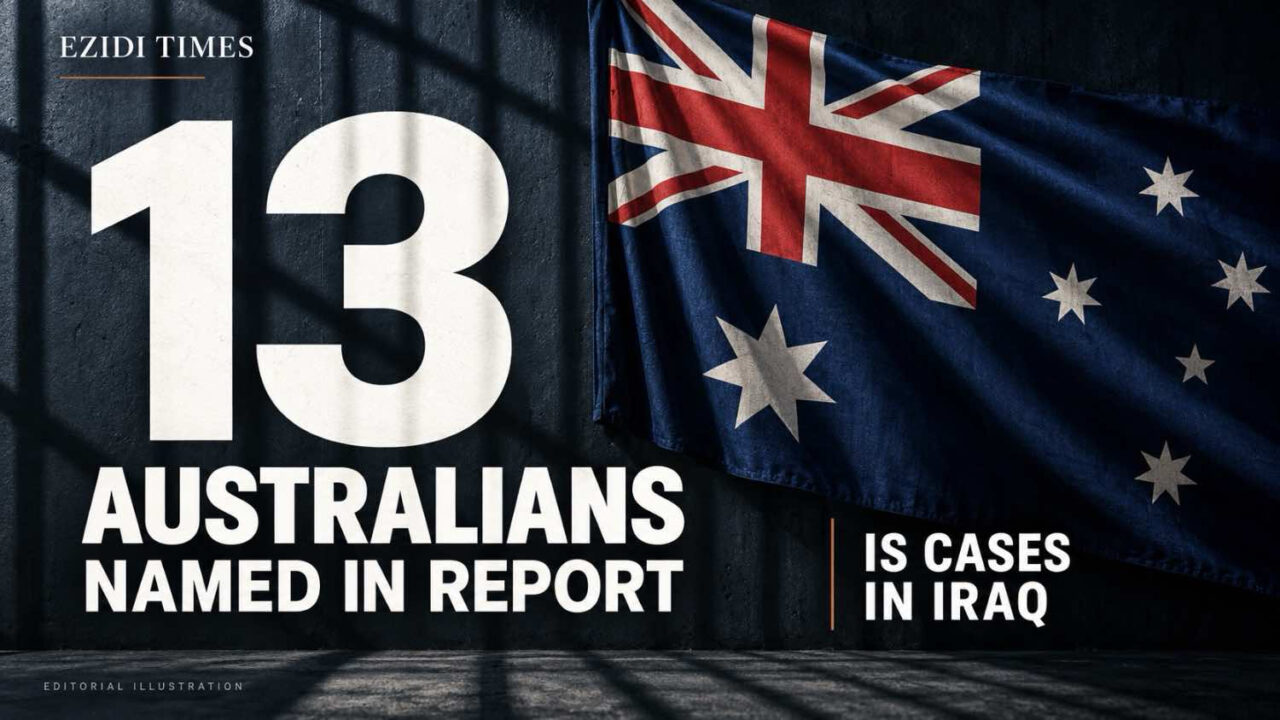
An Australian newspaper has identified 13 Australian men linked to Iraq’s large-scale IS detainee case. Iraqi judicial authorities have not publicly confirmed their names, nationalities or individual charges.
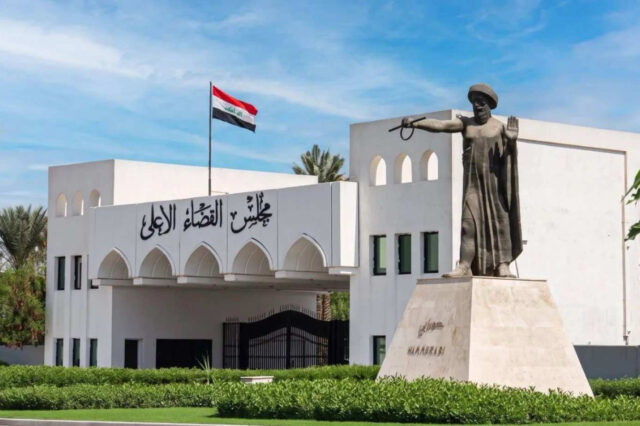
On 1 September 2026, Iraq’s Supreme Judicial Council announced that the Al-Karkh First Investigative Court had completed interrogations of 5,704 suspected IS members transferred from north-east Syria to Iraq. The cases will now be referred to the competent courts in batches, with each defendant to be assessed on the evidence and facts in their own file.
The investigation began in February 2026 and concerns detainees from 67 nationalities. The Council said it had identified senior IS figures and people connected to military, security, financial, logistical, media and other functions within the organisation.
On 2 September, The Sydney Morning Herald reported that 13 Australian men were among the detainees held at Al-Karkh Central Prison and could face trial under Iraq’s Counter-Terrorism Law No. 13 of 2005.
The law allows for the death penalty for certain terrorism offences. However, neither the Supreme Judicial Council nor the Al-Karkh First Investigative Court has stated which charges any Australian detainee may face, whether a trial date has been set, or whether prosecutors will seek the death penalty in any individual case.
The Australian report named Tareq Kamleh, Mohammed Ahmad, Hicham Zahab, Yusuf Zahab, Hamza Elbaf, Mohammad Noor Masri, Mahir Absar Alam, Jamil Ahmed Shqeir, Deniz Hasan, Nabil Kadmiry, Ahmad Assaad and Majeed Raad as detained in Iraq. It separately listed Yusuf Mohammad Yusuf as missing and presumed dead, stating that he was not transferred to Iraq.
The Supreme Judicial Council also said that its investigation had identified six defendants with direct roles connected to the enslavement of Ezidi women. According to the Council, the alleged roles included detention, transfer, sale, supervision or benefiting from the IS system of enslavement.
The Council did not disclose the identities or nationalities of those six defendants. There is therefore no basis to link any of the Australians named in the newspaper report to those crimes.
The Iraqi announcement also shows why individual evidence matters. Authorities said a Finnish detainee, an American detainee and seven Iraqi detainees had been released after evidence was not established against them. Procedures are also under way to release 457 Syrian detainees for the same reason.
The coming trials may be significant if they address IS crimes against Ezidis directly rather than limiting proceedings to membership or general terrorism charges. But the names of the defendants, the charges, and the evidence concerning the enslavement of Ezidi women have not yet been made public.