

The Shared Struggles of Ancient Peoples

Ezidis can learn the vital importance of preserving their sacred faith of Sharfadin. Justice and recognition require courage and unity—not just from within the Ezidi people but also through building solidarity with other ancient peoples facing similar struggles. Though the wounds run deep, hope remains in the power of cultural survival and the determination to secure a future where the Ezidis’ dignity, heritage, and rights are fully respected and protected.

Zara: The Ungrateful Child of Ezdixan

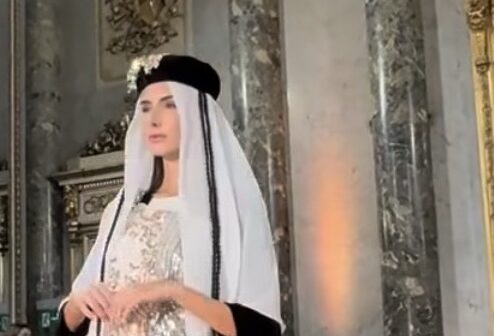
Zara’s recent actions expose not just a troubling detachment from her Ezidi heritage, but a blatant disregard for the dignity and struggle of the people to whom she owes her very identity. In an era where the Ezidi people are still recovering from genocide and fighting for recognition, Zara has chosen not to stand with them, but to turn her back entirely—trading ancestral truth for political relevance and shallow applause. Her repeated shifts in self-identification—from Armenian to Russian, and now opportunistically Kurdish—suggest not evolution, but erasure. Even worse, her public alliance with individuals who have openly blasphemed the sacred tenets of the Sharfadin faith crosses a moral line. This is not neutrality—it is betrayal.

They Turned Us Into the Enemy of Our Own Children

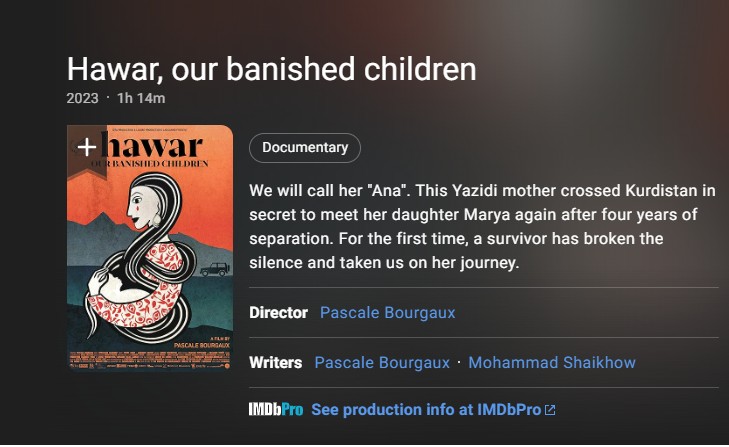
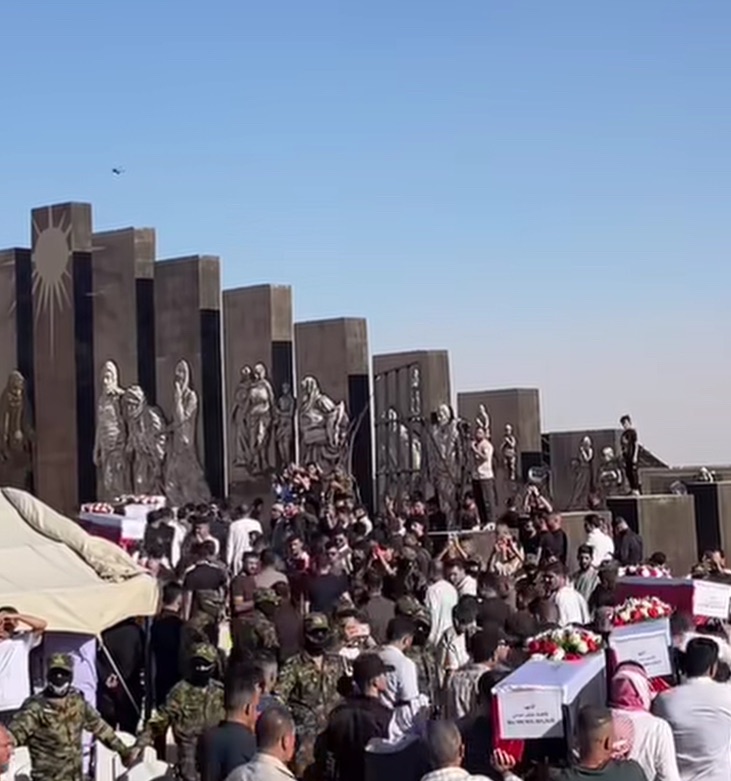
Since the 2014 genocidal ISIS attack, the Ezidi people still face a devastating and existential crisis. Most of the focus has been directed towards the atrocities committed against the women, and unfortunately, the fate of the abducted Ezidi boys is rarely discussed. It is unclear why this horrendous part of the genocide campaign receives so little attention. Perhaps no one knows they are still alive. But one fact remains: these Ezidi boys have come to hate us — the Ezidis — because ISIS has indoctrinated them to do so.

Trial Regarding Ezidi Genocide to Begin in Munich

Trial Against Couple Accused of Enslaving and Abusing Ezidi Children Under IS to Begin Tomorrow in Munich (München), Germany, for keeping two Ezidi girls aged five and twelve under the rule of the so-called Islamic State (IS). The crimes took place between 2015 and 2017 in Iraq and Syria. The charges include genocide, reflecting IS’s targeted campaign against the ancient Ezidi people, who follow the Sharfadin religion.

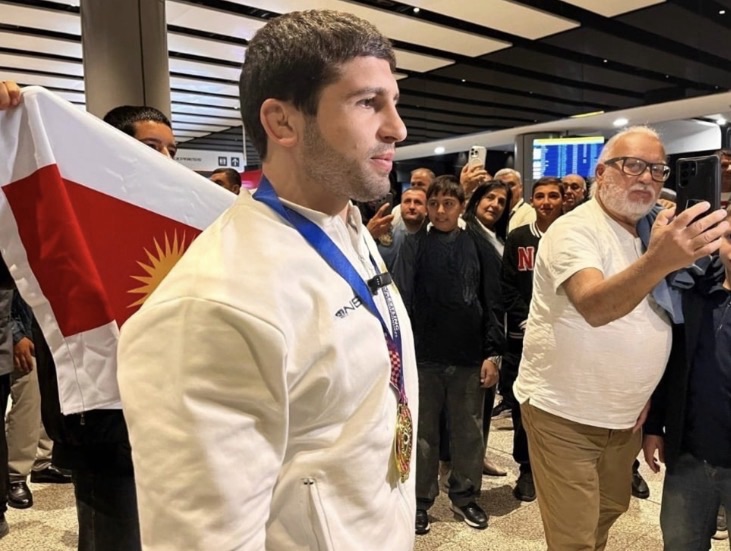
Ezidi Wrestler Malkhas Amoyan Shines at 2025 European Wrestling Championships – A Triumph for all Ezidis

Now 26 years old, Malkhas Amoyan has reached the final in each of the last five European Championships, earning four gold medals and one silver. Known as the “Ezidi Lion”, he continues to inspire not only wrestling fans but also young athletes from the Ezidi people and beyond who look to him as a symbol of strength, determination, and pride in one’s heritage.

Ezdiki Script Available in Unicode

The Unicode Consortium has made significant progress in digital representation by including the Ezdiki script (Ezidi language) in its Unicode Standard. This ensures that the unique characters and symbols of the Ezdiki language are now consistently displayed across digital platforms like websites, apps, and social media.

Without Educated Girls – There Is No Ezdixan

Having more educated and well-established individuals benefits all Ezidis (mlete Ezdia) across the world. With more empowered Ezidis, we stand a better chance of protecting ourselves, having our voices heard internationally, and perhaps even achieving our collective dream of rebuilding our ancestral homeland, Ezdixan. But we cannot achieve this by relying solely on men. We need both male and female Ezidis who are educated, respected, and hold high-level positions. That is the path to true success and prosperity. Forcing girls into early marriages solely to bear children—children who, due to a lack of access to proper education and career development, are unlikely to become strong contributors to our society—while expecting men to shoulder all the burden, is naïve. Just look at any successful nation: observe how their women equally contribute to solving collective problems. See how strong and prosperous those societies are.

Why Is There an MP Representing Kurds in the Armenian Parliament?

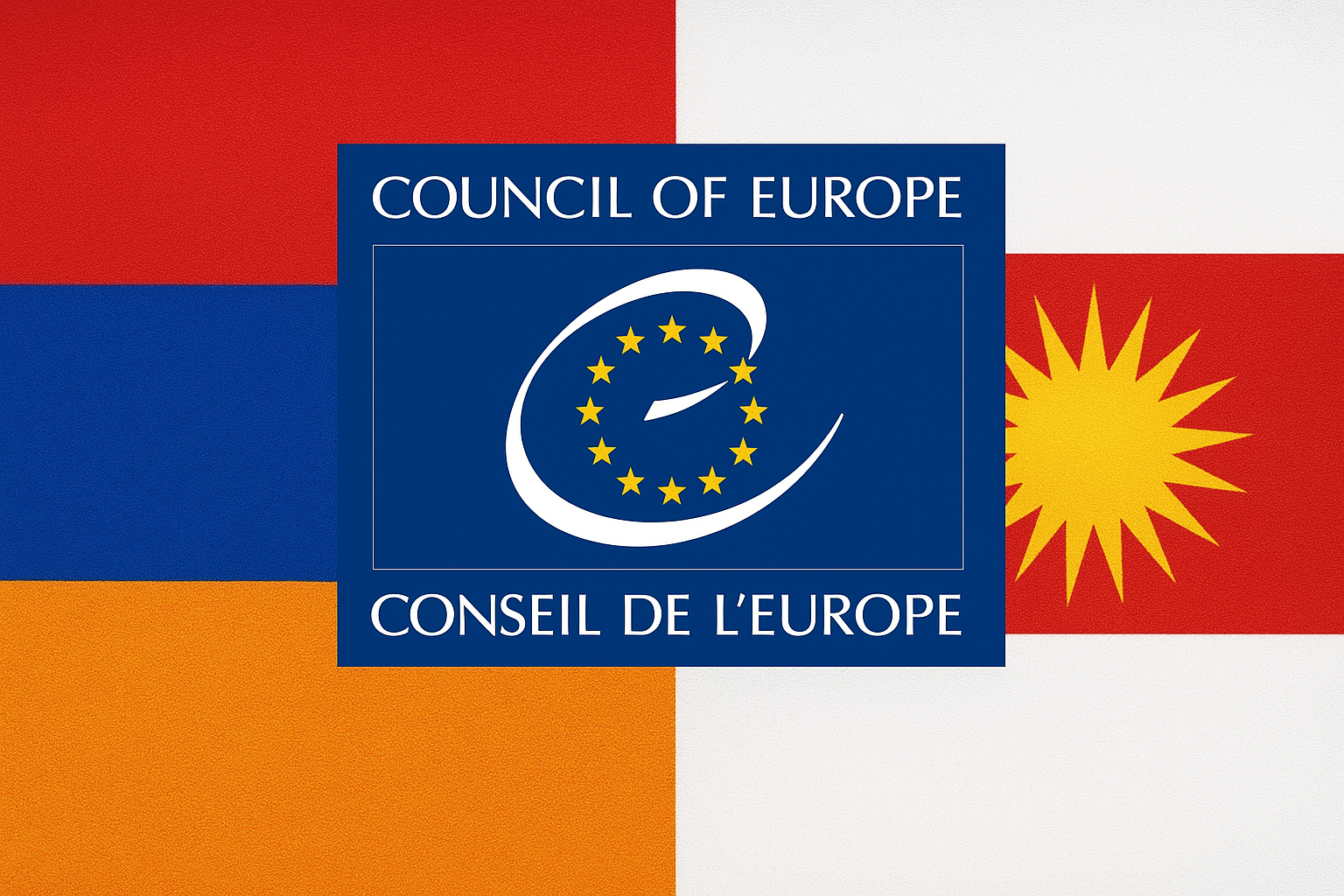
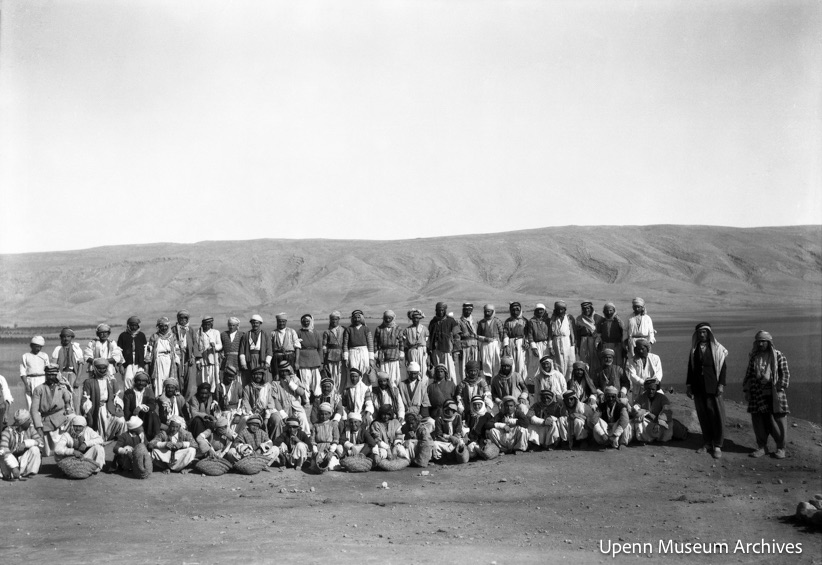
Political and Historical Prostitution Between Armenia and the Kurds – Ezidi Times looked deeper into what exactly this exhibition showcased and was shocked to find that those “historical documents and photographs of Kurdish and minority communities” were materials related to the Ezidis and Assyrians. The few materials that were labelled as “Kurdish” were actually Ezidi documents and photographs, which had been fabricated or wrongly labelled as “Kurdish.”

Ezidi Life Ten Years After the Genocide: A Look at Youth and Male Survivors

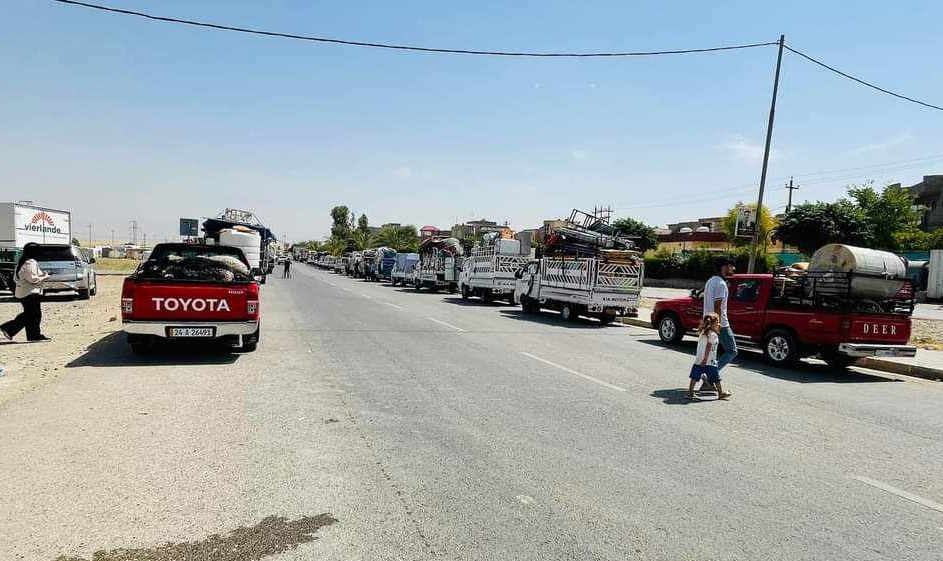
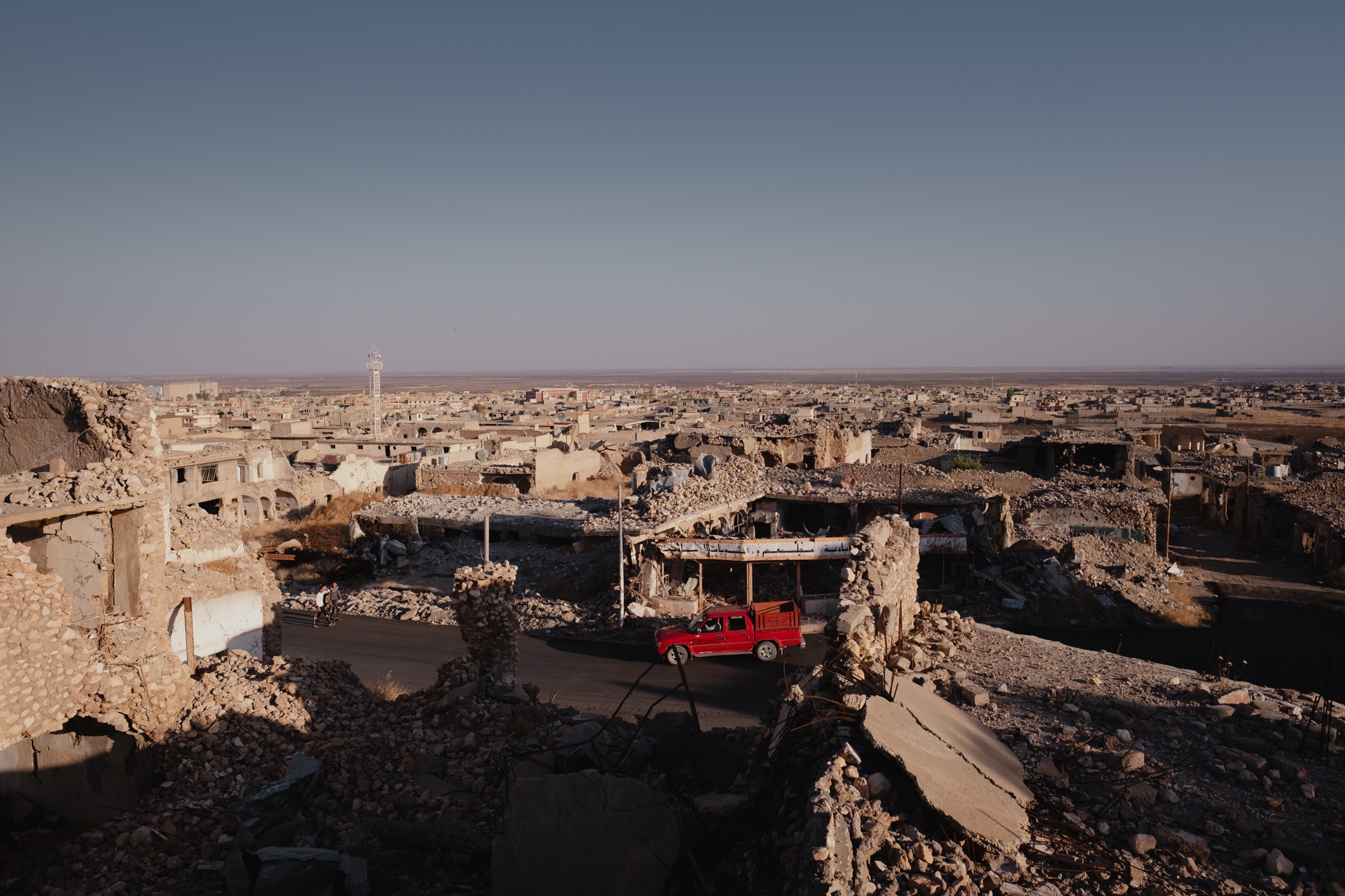
Many Ezidis remain unable to return to their homeland in Sinjar due to ongoing insecurity, political tensions, and the destruction left behind. Thousands continue to live in camps with limited access to education, healthcare, and employment opportunities. Even those who have managed to return face immense hardships, with homes in ruins, infrastructure in poor condition, and economic instability making survival difficult. Justice remains elusive, as many perpetrators of the genocide are still free, and international attention has largely faded, leaving survivors feeling abandoned.

The Triumph of Sinjar’s Daughters Over Evil

Mayada was only 11 when ISIS stormed her village, tearing her from her family and selling her into slavery. For three years, she endured relentless abuse, passed from one captor to another like a commodity. Yet, despite the horror, she never lost hope. After five failed escape attempts, she finally broke free, navigating landmine-ridden terrain to reach safety. Now, years later, she is not just a survivor—she is a voice for justice, determined to fight for those still in captivity.