

Signature Campaign for the Recognition of the Ezidi Genocide Launched
The Shingal Autonomous Administration in Iraq has announced the launch of a signature campaign to recognize the atrocities committed against...
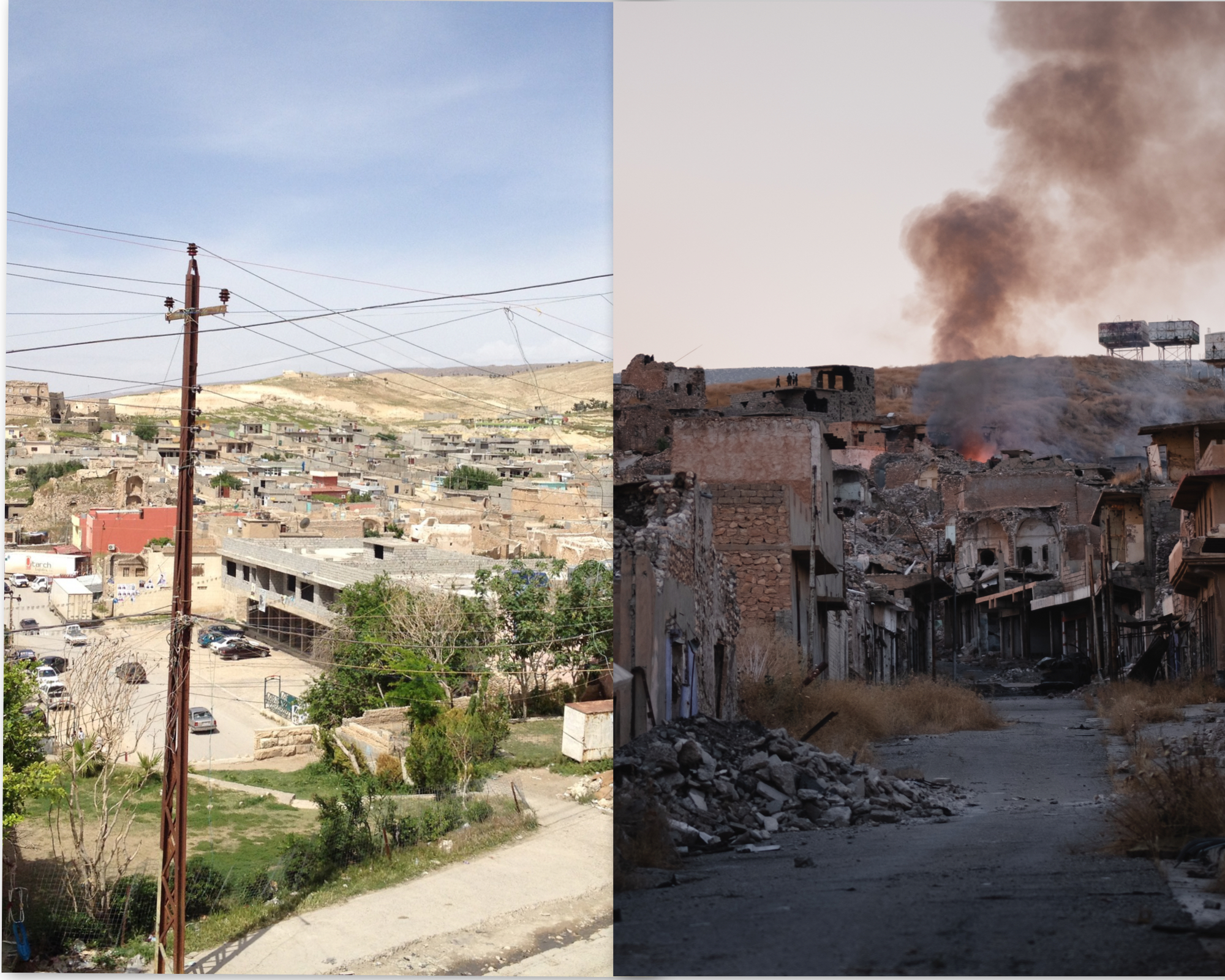
The Êzidxan Youth Union and the Şengal Young Women’s Union celebrated the 9th anniversary of the liberation of Şengal (Sinjar) with a torchlight march. This event commemorated the region’s liberation from ISIS control on November 13, 2015, following a brutal edict against the Êzidi people in August 2014. The liberation was achieved through the efforts of regional fighters, including the Yekîneyên Berxwedana Şengalê (YBŞ) and Yekinêyen Jinên Êzîdxan (YJŞ) forces.
The Ezidi child was initially rescued from ISIS in 2021 after being trafficked through the dark net for sale. Sabah Ali Oruç, who was arrested in connection with the abduction, admitted to bringing the child to Turkey in 2018 using a fake passport. He had previously purchased the child from ISIS in Iraq, where the child was sold for $500.
The proposed legal change would legitimize child marriage, putting young girls at greater risk of abuse, forced marriage, and poor health outcomes. Although the acts committed by the ISIS-members since 2014 should not be classified as “forced marriage” or even include the word “marriage”, the Iraqi government will in fact classify the genocide acts committed towards the women as “marriage”.
Iraq’s international commitments, including the Convention on the Elimination of All Forms of Discrimination Against Women (CEDAW) and …
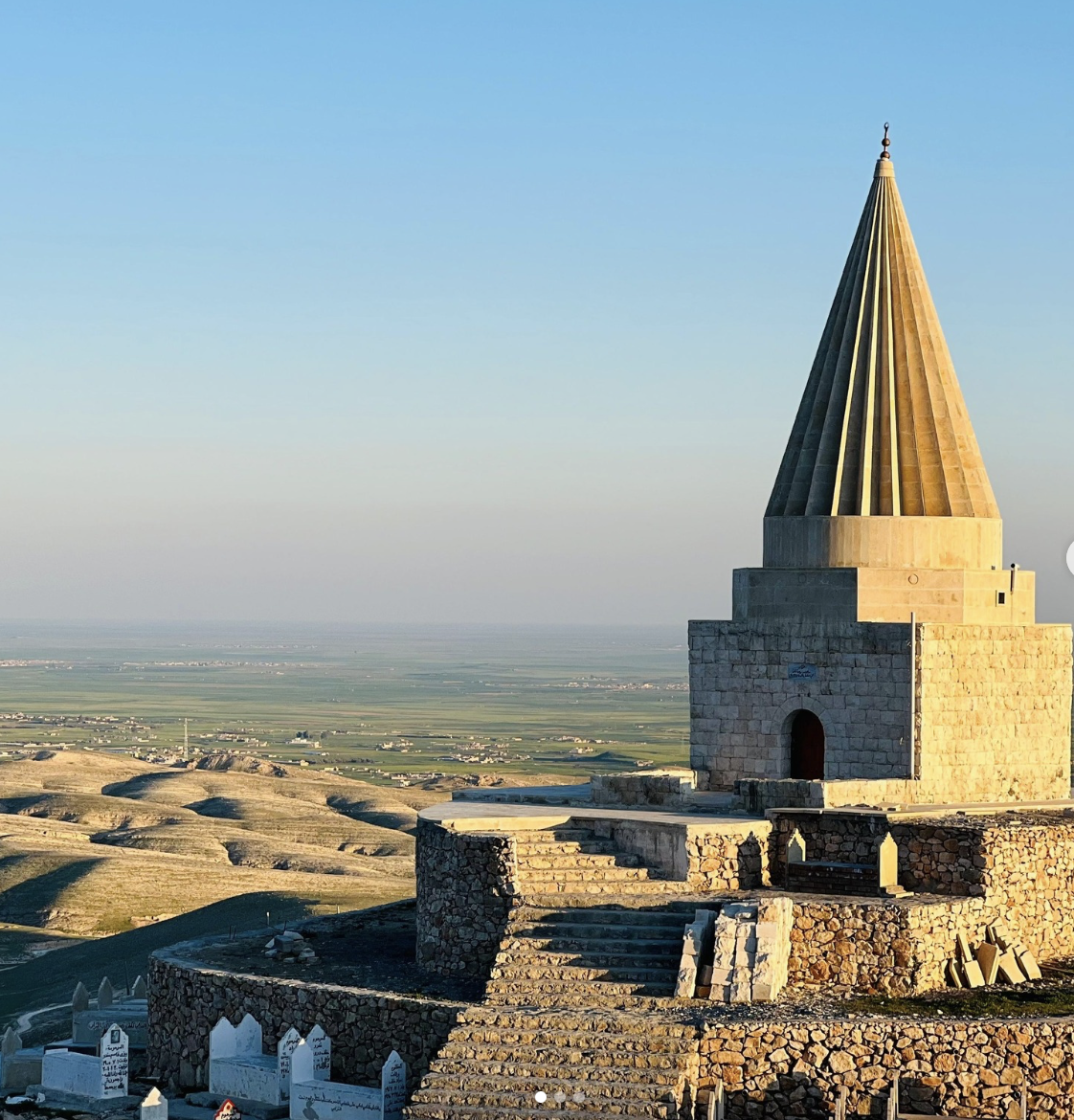
Ezidis speak Ezdiki and they are followers of the Ezidi religion called Sharfadin. Ezidis are an ethnic and religious group (ethnoreligious group) and their religion is more than 6700 years old.
East facade of the Palais de Justice in Paris. Photo: Wikimedia Commons FIDH has reported that on October 9, 2024,...
The risk of not acknowledging this fact is that some may try to exploit the suffering that Ezidis have endured. Certain actors in the Middle East, particularly those who refuse to accept the unique Ezidi ethnic and religious identity.
The Swedish national, named Lina Ishaq, is accused of having nine Ezidi children and women in her home in Raqqa, Syria between 2014 and 2016.
Weighting on table. Free public domain CC0 photo. More: View public domain image source here 25.09.2024 A 35-year-old French woman,...
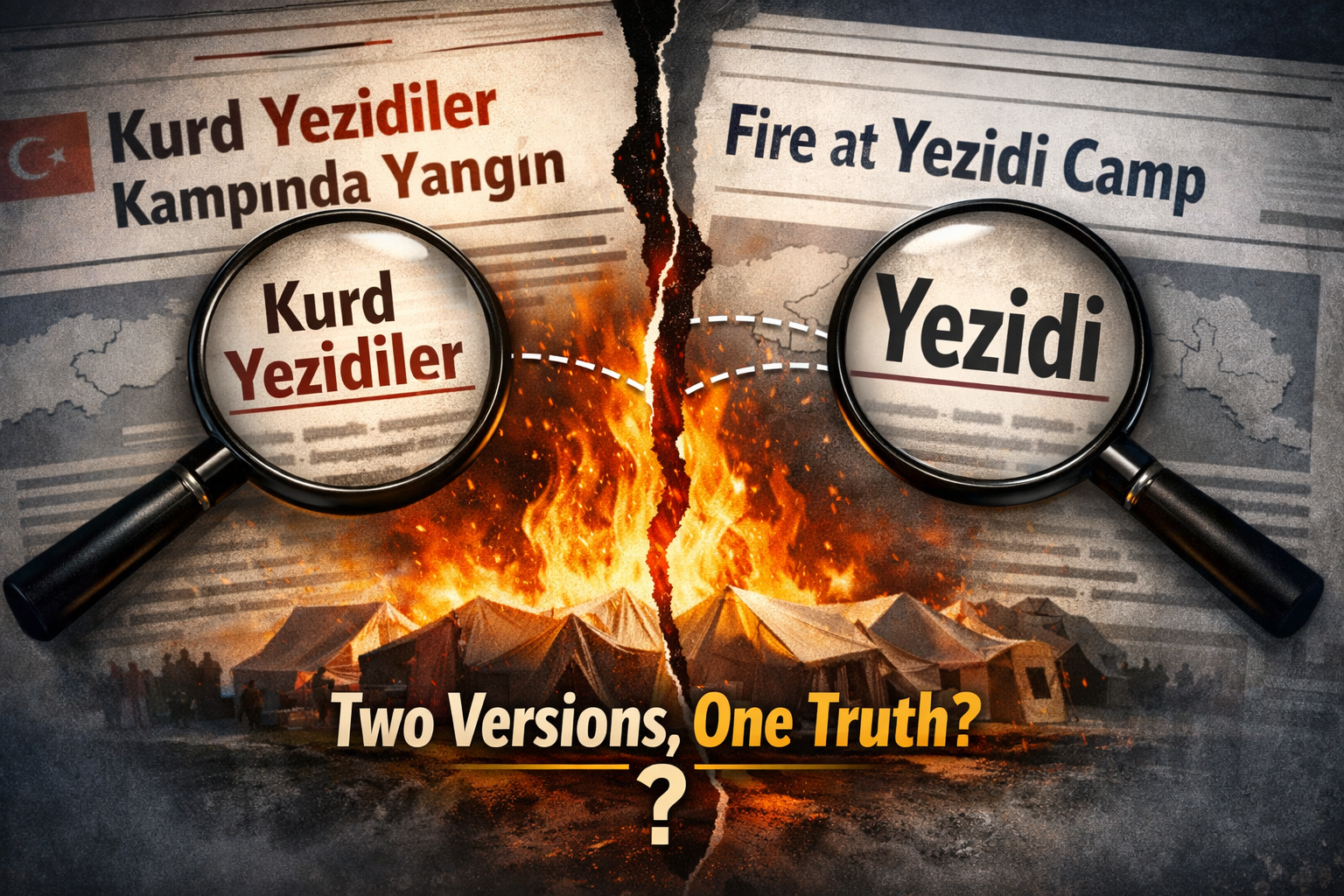
The Yezidis, also known as Ezidis, are an ethnoreligious people predominantly residing in the Middle East, including Iraq, Syria, Turkey, and Armenia. The Yezidis are a distinct and separate group with their own unique identity. In this article we explain the multifaceted reasons why the Yezidis should not be mixed with the different people who see themselves as “Kurdish”.
Ezidi district of Al-Qahtaniyah, west of Nineveh governorate, Ezidi people who are currently living in IDP camps still remember August 14, 2007, as the day when their region experienced the deadliest series of bombings in Iraq since the 2003 U.S. invasion.
As an ancient ethno-religious minority, the Ezidis have faced persecution for centuries due to their faith. The self-proclaimed Islamic State of Iraq and Syria viewed Ezidis as heretical devil worshippers.
The Yezidis are an ethno-religious minority with the majority speaking Kurmanji, one of the main Kurdish dialects, according to researchers. Geographically, they are classified as a dispersed minority in demographic centres where population density is homogenous and concentrated. They are mainly located in contested areas across several residential clusters, notably in the Sinjar region (locally known as Shingal) and the Nineveh Plain, which falls administratively under the central government. This region includes the Shekhan district, along with numerous Yezidi villages and towns in the Tel Keppe district, as well as the cities of Ba’shiqa and Bahzani in Nineveh province. There are also smaller population clusters in the southern and western parts of Duhok province, which have been part of the Kurdistan region since 1991, including towns and cities such as Sharya, Khanke, Ba’adre, and Derabun.
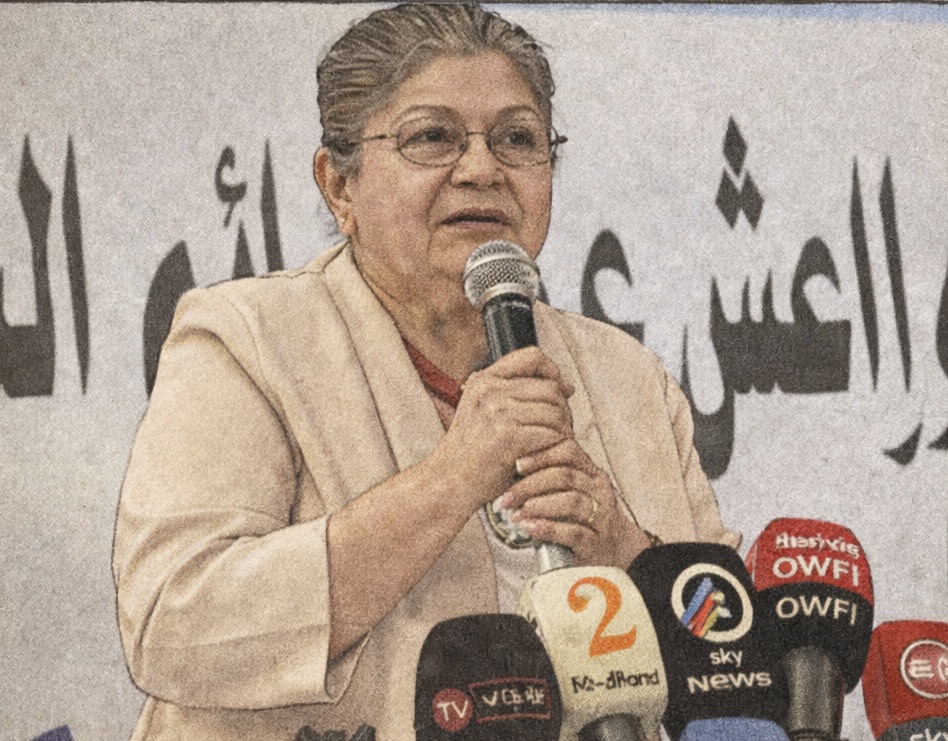
The third Iraqi women’s conference, held on 25 July in Baghdad and organized by the Iraqi Women’s Association and the Yazidi Women’s Freedom Movement (TAJÊ), focused on uniting against femicide and commemorating the victims of the 2014 Yazidi genocide. The conference included speeches highlighting the impact on women and children, the unknown fate of many captured by ISIS, and the need for women to organize against patriarchal violence.
This week marks the 10th anniversary of the Yazidi genocide. It has been ten years since over 10,000 Yazidis were brutally murdered. Ten years since more than 7,000 women and children were subjected to abduction, violence, and enslavement. Ten years since thousands have disappeared and over 2,600 are still missing without a trace. This article is republished on Ezidi Times with the kind permission of Jurist.org.
Secretary of State Antony Blinken hosted Ezidi activists at the State Department on July 23 ahead of the 10th anniversary of the Ezidi genocide by ISIS.
In this article we give you a recap of the main events related to the Ezidis. Ezidi Athlete Yurik Mamedov...
Photo: shankar s. on Flickr. The remains of 139 people, believed to have been killed by ISIS, have been recovered...
The Iraqi flag. Foto: Bryan Jones on flickr. The relationship between Kurdish political parties and the Ezidi population in Iraq has become...
Supreme Court of Kosovo. Foto: Wikimedia Commons. Kosovo's Special Prosecution has indicted a Kosovo citizen, identified as M.D., for crimes...