
Swiss Parliament Recognizes the Ezidi Genocide

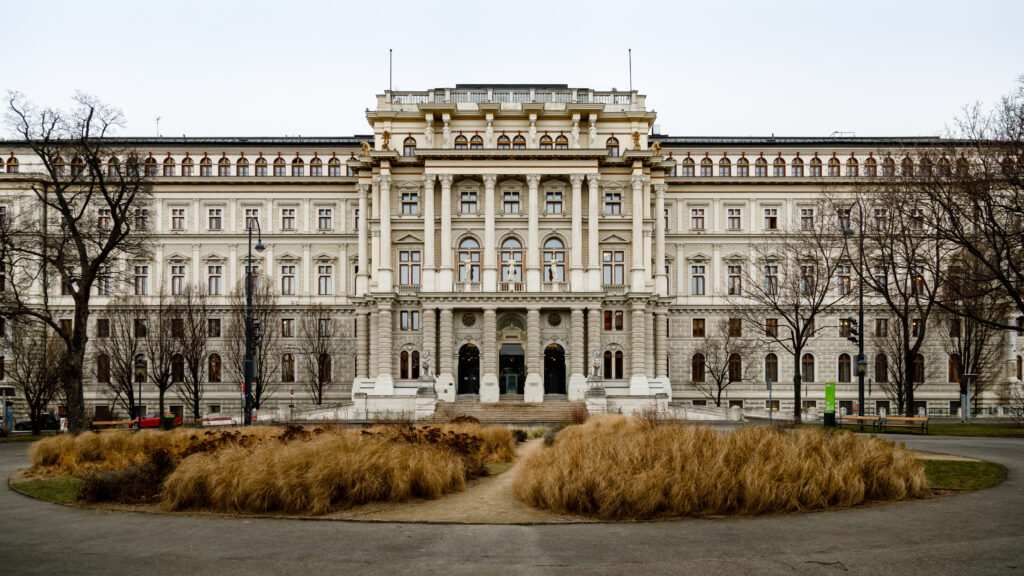
The resolution specifically addressed the horrific events of August 3, 2014, when the IS launched a large-scale assault on Ezidi-populated areas. During this attack, the terrorist group killed over 5,000 Ezidi men and women, abducted approximately 7,000 people, and subjected countless others to sexual slavery and forced conversions. The fate of approximately 2,600 women and children remains unknown. The United Nations had already classified these atrocities as genocide in 2016, but the Swiss Parliament’s formal recognition represents a significant political and moral statement.

The Unbreakable Spirit of a True Artist

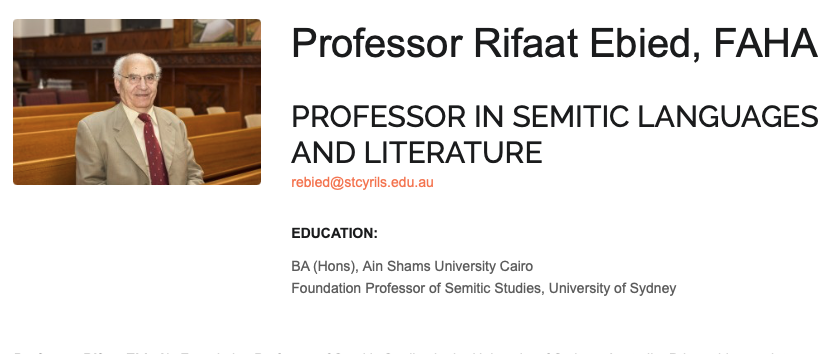
In 2007, Hales fled to Germany with her mother and sister—a country she eventually came to not only appreciate but, one might say, love, for both its freedoms and its values. As a Ezidi, an ethnoreligious group that has faced centuries of persecution, the concept of freedom holds great significance for Hales. She came to deeply understand the value of freedom through the atrocities committed by Islamist groups. The most recent of over 70 Ezidi genocides occurred on August 3, 2014, with thousands of women still held captive by ISIS. “We have lived in captivity long enough; now it is time to stand up for our freedom and our rights,” says Hales.

Escalations in Syria Rises Potential Threats to Ezidi Population in the Region

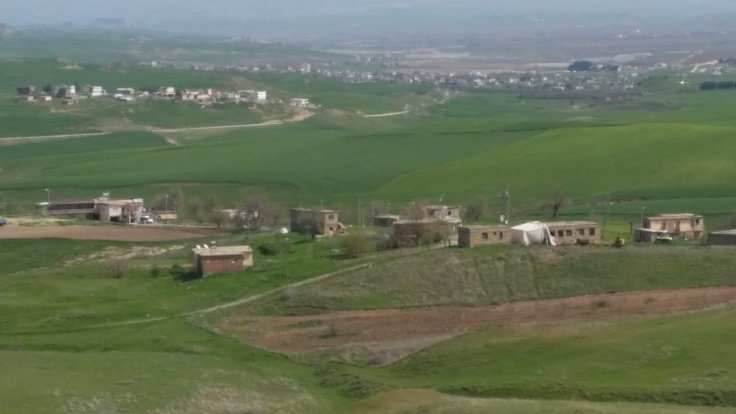
In response to the escalating violence in Syria, the Iraqi government has significantly bolstered military presence along its western border, particularly in the Shingal region, home to Iraq’s Ezidi citizens. The decision to send reinforcements comes as fears grow over the spillover of the Syrian conflict, which has intensified in recent weeks with a series of violent clashes between Syrian rebels and the Syrian regime.

Ezidis Commemorate the 9th Anniversary of Şengal’s Liberation with Torchlight March

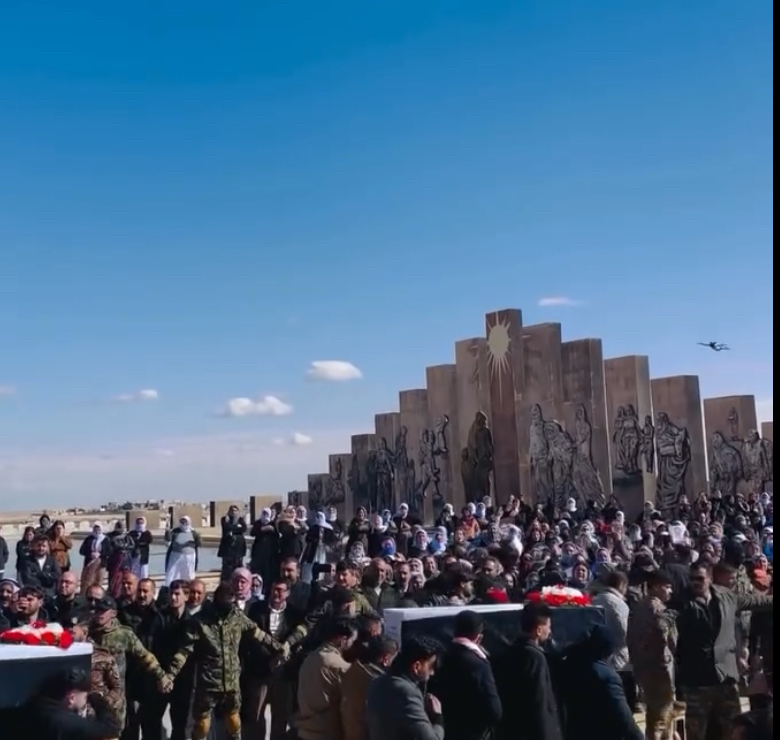
The Êzidxan Youth Union and the Şengal Young Women’s Union celebrated the 9th anniversary of the liberation of Şengal (Sinjar) with a torchlight march. This event commemorated the region’s liberation from ISIS control on November 13, 2015, following a brutal edict against the Êzidi people in August 2014. The liberation was achieved through the efforts of regional fighters, including the Yekîneyên Berxwedana Şengalê (YBŞ) and Yekinêyen Jinên Êzîdxan (YJŞ) forces.

Iraq Wants to Legalise Child Marriage in Order to Protect ISIS

The proposed legal change would legitimize child marriage, putting young girls at greater risk of abuse, forced marriage, and poor health outcomes. Although the acts committed by the ISIS-members since 2014 should not be classified as “forced marriage” or even include the word “marriage”, the Iraqi government will in fact classify the genocide acts committed towards the women as “marriage”.

Iraq’s international commitments, including the Convention on the Elimination of All Forms of Discrimination Against Women (CEDAW) and …

The Unique Identity of the Yezidis (Ezidis) and Their Distinction from the Kurds

The Yezidis, also known as Ezidis, are an ethnoreligious people predominantly residing in the Middle East, including Iraq, Syria, Turkey, and Armenia. The Yezidis are a distinct and separate group with their own unique identity. In this article we explain the multifaceted reasons why the Yezidis should not be mixed with the different people who see themselves as “Kurdish”.

Close