
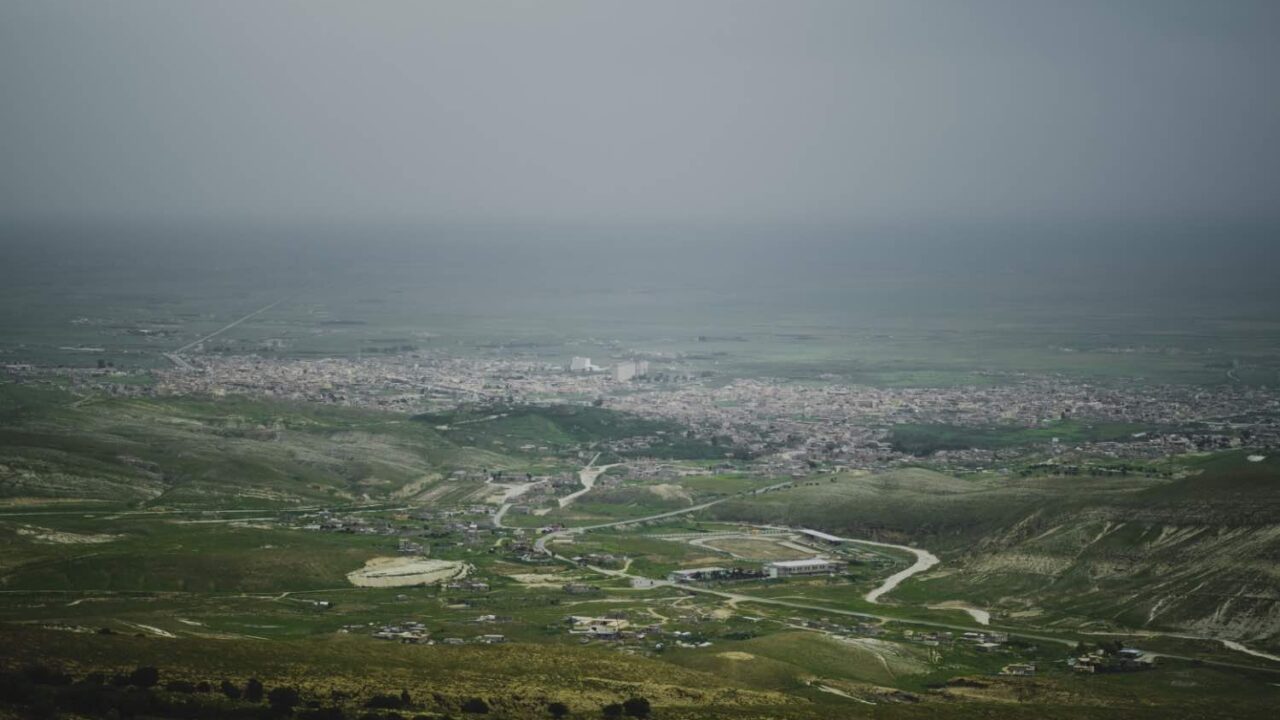
More than 30,000 displaced people have returned to Shingal and nearby areas, Iraq’s Ministry of Migration and Displacement said on 16 September. Around 19,000 families, most of them Ezidi, remain in 16 displacement camps across Erbil and Duhok.
Ministry spokesperson Ali Abbas said the returns covered Shingal, also known as Sinjar, as well as Qahtaniyah and Sinuni. He attributed the increase in returns to improvements in security and basic services. The period covered by the 30,000 figure remains unclear.
Abbas said the United Nations and the Iraqi prime minister’s office had developed a strategy to rehabilitate areas of return, with international support sought to address funding shortages. Field visits have assessed needs in return areas and border villages, including healthcare, education, roads, electricity and water. Local authorities and international organisations are involved in efforts to restore these services and meet the needs of displaced and returning families, he said.
Abbas also acknowledged difficulties in tracking displacement accurately. He said some displaced families had found work and established lives where they were living, making return a less immediate consideration.
The announcement comes more than twelve years after the Ezidi Genocide of 2014, when ISIS attacked Shingal, killed and abducted thousands of Ezidis and forced families from their homes. Damaged housing, inadequate services and security concerns have complicated their return. Abbas said efforts to facilitate returns and close the camps were continuing under the government’s annual plans. He maintained that returning was voluntary and denied that families were being forced to leave.
The UN-backed framework for resolving displacement in Iraq recognises several options: returning home, integrating where displaced people currently live, or settling elsewhere in the country. It specifies that these choices should be voluntary, safe and dignified.