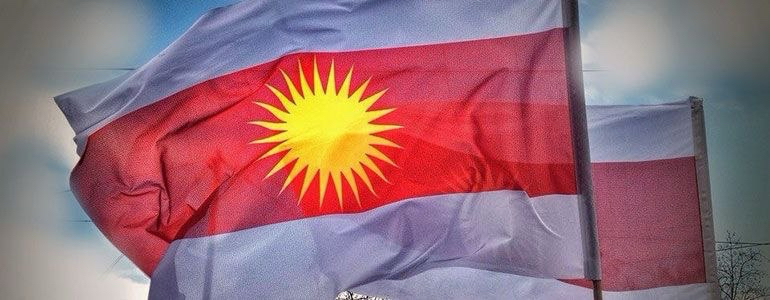
4 September marks Ezidi Flag Day, honouring the Ezdixan flag and remembering the Ezidi fighters who defended their people and homeland against IS. The observance brings together national identity and remembrance of those who died during the resistance in Shengal.
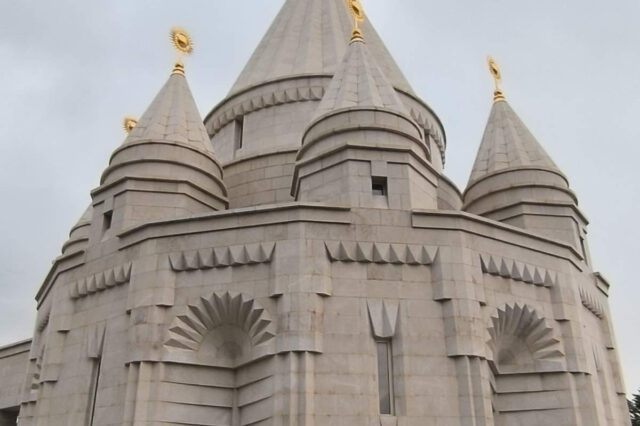
The flag became a banner of resistance after IS attacked Shengal on 3 August 2014, launching the Ezidi Genocide. Ezidi fighters raised it while defending their homeland and holy sites, including the Sharfadin shrine.
Its white bands represent peace and purity, while the red band commemorates sacrifice and resistance. The sun at its centre symbolises divine light, connecting the flag to Sharfadin, the Ezidi religion.
The flag’s use subsequently spread beyond Iraq. Ezidis carry it at commemorations, demonstrations and religious gatherings, expressing their national identity and honouring those who fought for their survival.
For Ezidis living far from Shengal, the flag also preserves a connection to their homeland. Its place in the annual observance remains tied to the defenders who raised it and those who lost their lives under it.