In Shamiram, beneath the dry slopes of Mount Aragats—Armenia’s highest peak when Mount Ararat, now across the border in Turkey, is set aside—the Ezidi presence is discreet rather than assertive. It appears in a village square, in a monument, in the rhythm of rural life, and in the quiet certainty of a people that has made this landscape its own. A few older men sit outside playing backgammon with visible passion, leaning over the board as cars pass slowly along the road. The road stretches towards other villages in Aragatsotn, where Armenian churches, Soviet-era buildings, Ezidi cemeteries and mountain views share the same horizon.
This is not the Armenia most visitors first encounter. The country is usually narrated through ancient monasteries, Christianity, genocide memory, war and geopolitics. These are central to Armenia’s history, but they are not the whole story. Ezidis reveal another Armenia: rural, multilingual, shaped by refuge and coexistence, and marked by the fragile work of preserving a distinct identity in a small post-Soviet state.
Ezidis in Armenia are not a recent diaspora or a temporary presence. They are part of the country’s social fabric, particularly in villages around Mount Aragats. Their story is carried through sanctuaries, cemeteries, monuments, family memory, language and the everyday life of rural villages. It complicates any simple image of Armenia as a culturally homogeneous Christian nation without diminishing the importance of Armenian national history. Instead, it adds another layer to it.
A History of Refuge
Ezidis are an ancient people with a distinct identity and Sharfadin, whose holiest sanctuary is Lalish in Iraq. Their history has often been marked by persecution, misunderstanding and forced displacement. In the South Caucasus, many Ezidis settled during the nineteenth and early twentieth centuries, especially as violence and insecurity in the Ottoman Empire pushed people towards the Russian Empire and later Soviet Armenia.
In Armenia, the Ezidi story is inseparable from broader histories of displacement across the region. The South Caucasus has long been a corridor of empires, wars, deportations and refuge. Armenians themselves carry the memory of genocide and exile. This shared history of persecution has often shaped Armenian-Ezidi relations, creating a sense of mutual recognition even when the two peoples remain distinct in faith and culture.
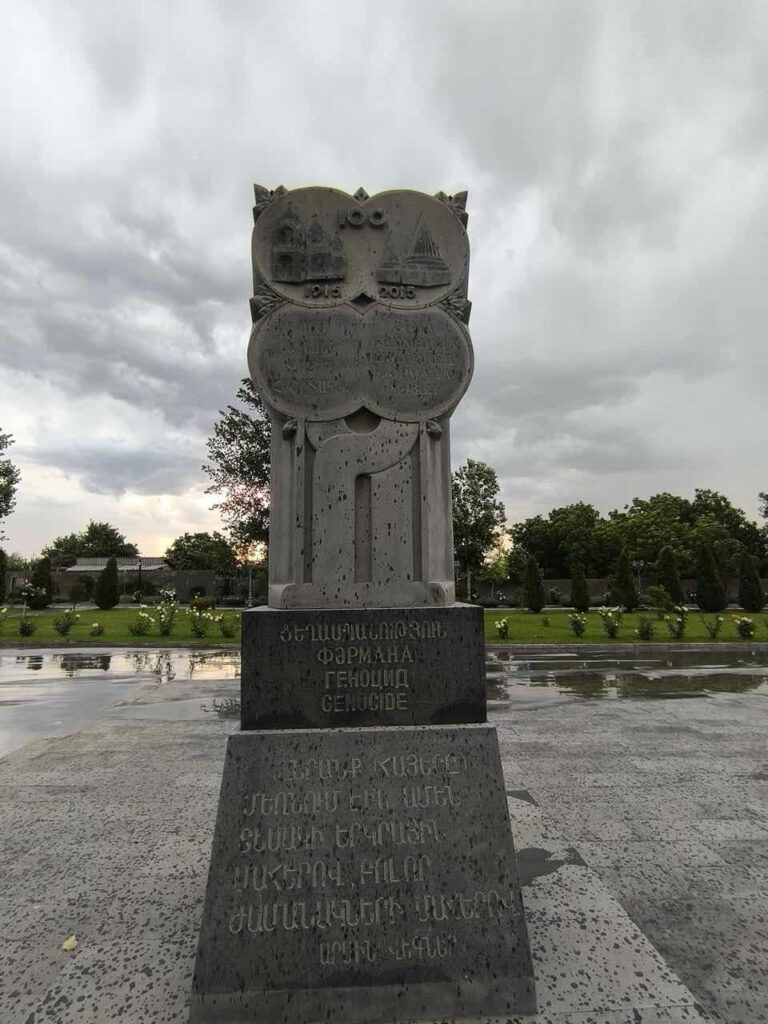
During the late Ottoman period and the First World War, Ezidis, like Armenians and Assyrians, were among the peoples targeted by violence. In Yerevan today, a monument commemorates victims of genocide against Ezidis. Near it stands a memorial to Assyrian victims, a reminder that the history of mass violence in the region was never confined to one people alone.
This memory helps explain why Armenia became one of the most important centres of Ezidi life outside the Middle East. The Ezidi population is small in absolute numbers but highly significant in Armenian terms. Ezidis are widely considered Armenia’s largest ethnic minority. Their presence is particularly visible in Aragatsotn, where several villages have a strong Ezidi identity and where the mountain landscape has become part of the Ezidi people’s own geography of belonging.
Villages Under the Mountain
The road to Armenia’s Ezidi villages does not feel like a journey into a separate world. It is a gradual shift. The same dry hills, orchards, roadside shops and low houses continue from one settlement to another. Yet certain details begin to tell a different story: names, symbols, monuments, cemeteries, and the presence of a people with both local and transnational roots.
In Shamiram, the village square offers an image of ordinary rural life. Older men play backgammon with intensity, their gestures quick and expressive, turning a quiet afternoon into a small public performance. Nothing appears staged for visitors. Yet the place carries a deeper meaning. It is one of the best-known Ezidi villages in Armenia, a settlement where identity is not displayed as spectacle but embedded in everyday life.
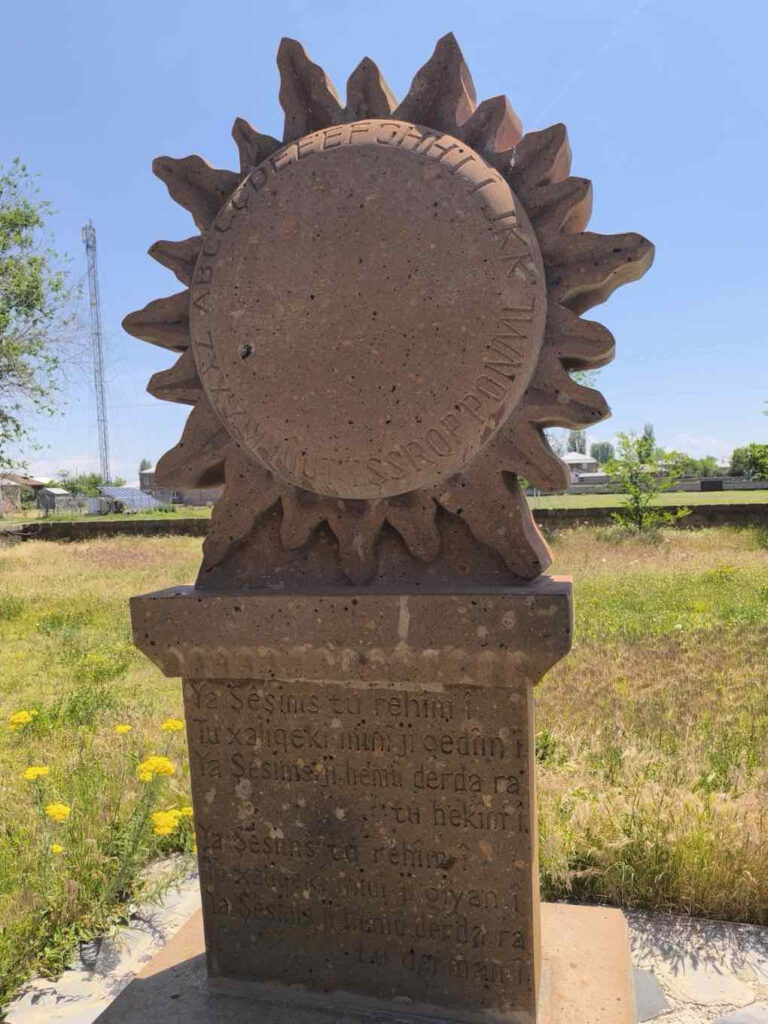
The villages around Aragats also show how Ezidi identity has been preserved through rural life. Family networks, livestock, seasonal rhythms, cemeteries, language and local memory all matter. Soviet modernisation, migration and post-independence economic hardship changed rural Armenia, but they did not erase the Ezidi people’s distinctiveness. For many Ezidis, identity is held together through family, Sharfadin, endogamy, village belonging and memory.
At the same time, this world is fragile. Like many Armenian villages, Ezidi villages face demographic decline, labour migration and limited economic opportunities. Young people leave for Yerevan, Russia or elsewhere. The challenge is not only to preserve Sharfadin and Ezidi identity, but to sustain the social conditions that make that identity liveable: schools, roads, livelihoods, cultural transmission and local institutions.
A village cannot preserve its traditions if it is emptying out. A language cannot be passed on if schools, families and cultural spaces weaken. Distinct identity is often discussed in terms of rights and recognition, but in rural Armenia it is also a question of infrastructure, employment and whether people can afford to remain where their memory lives.
Aknalich and the Architecture of Visibility
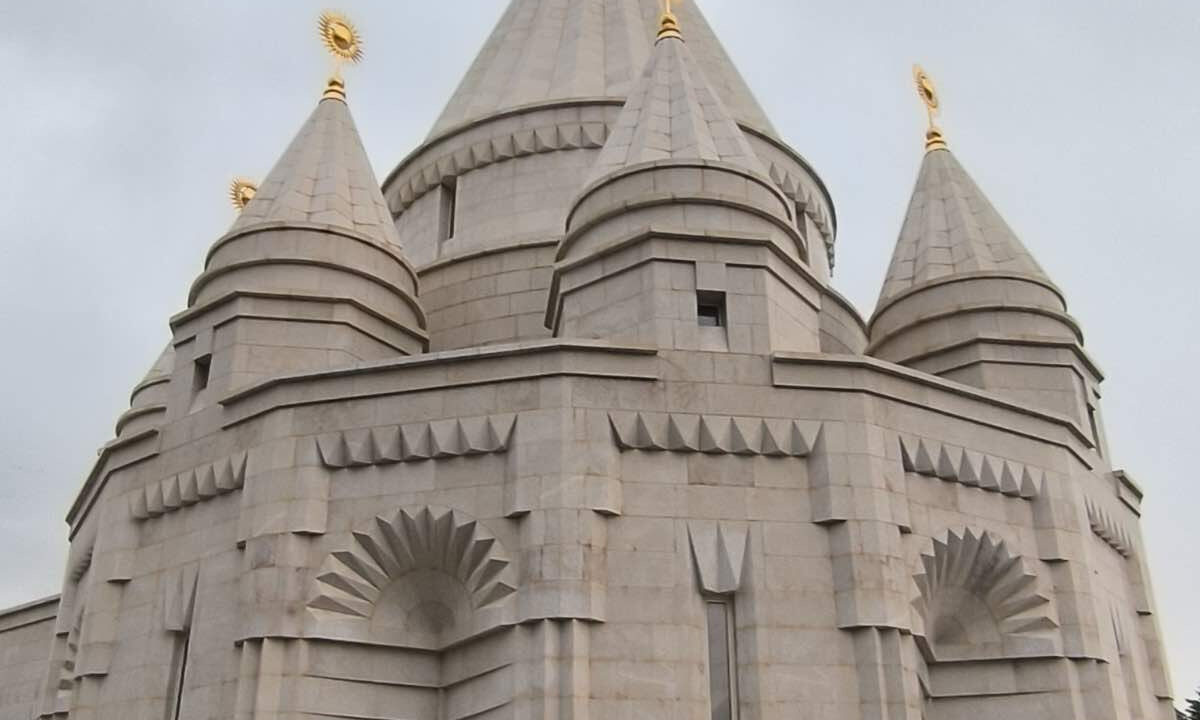
If Shamiram expresses the everyday life of Armenia’s Ezidis, Aknalich represents their public and spiritual visibility. The village lies in Armavir Province, east of Metsamor, close to the industrial landscape surrounding Armenia’s nuclear power plant. The contrast is striking: near one of the most strategic and Soviet-marked sites in the country stands Quba Mere Diwane, often described as the largest sanctuary of Sharfadin in the world.
Opened in 2019, the sanctuary was built through the initiative and funding of Mirza Sloyan, an Armenian-born Ezidi philanthropist. Inspired by Lalish, its bright stone, conical towers and carefully maintained grounds make it one of the most striking sacred sites in Armenia.
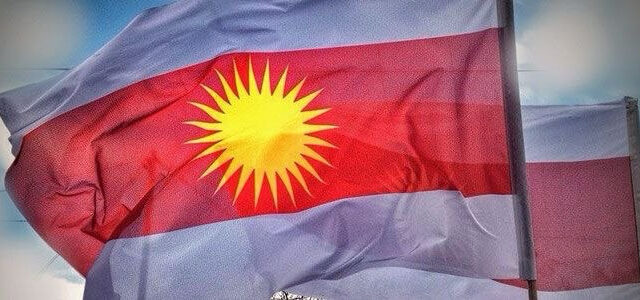
The sanctuary is important not only because of its size, but because of what it symbolises. In a country internationally associated with ancient Christian churches and monasteries, Quba Mere Diwane stands as a visible expression of Ezidi belonging. It shows that Sharfadin is not hidden, tolerated only in private or confined to memory. It has a place in Armenia’s public landscape, even in a setting shaped by Soviet industry, strategic infrastructure and the layered histories of Armavir Province.
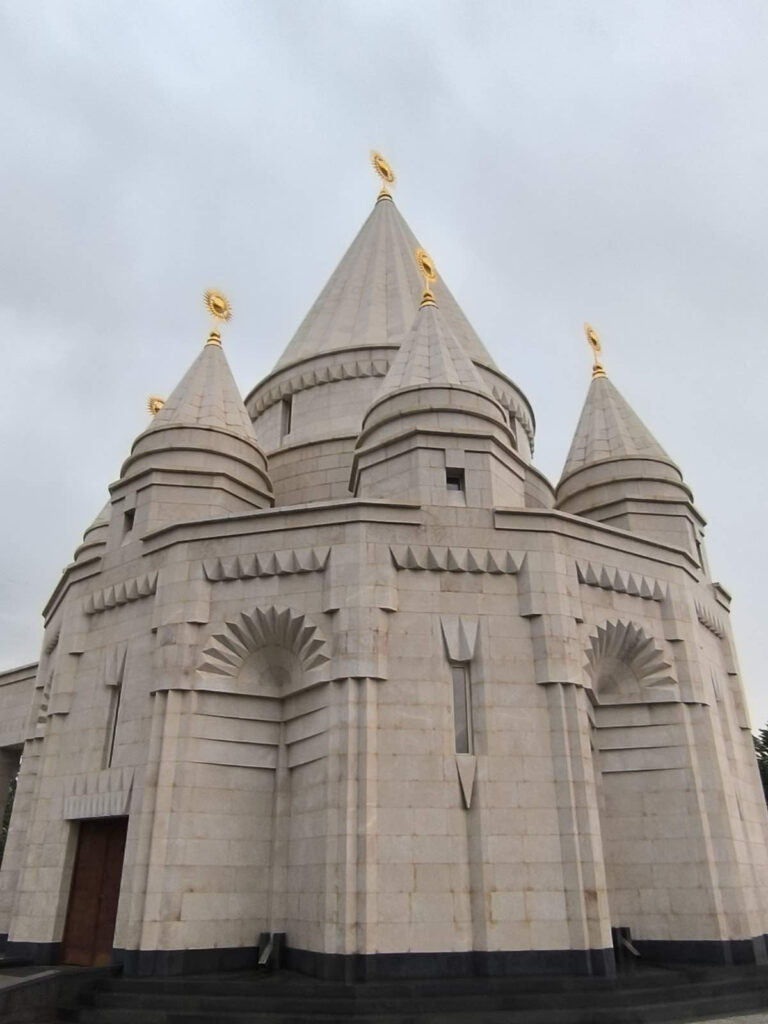
Aknalich also shows how Ezidi identity in Armenia is connected to Ezidis elsewhere. The sanctuary’s architecture evokes sacred forms associated with Sharfadin, especially the conical structures linked to Lalish. For visitors unfamiliar with Sharfadin, the site can feel both local and distant: Armenian in its setting, Ezidi in its symbolism, and global in its meaning after the trauma of Sinjar.
The existence of such a sanctuary complicates easy narratives about minority life in the post-Soviet space. Armenia is not free of social problems, prejudice or economic hardship. But the visibility of Ezidi institutions suggests a presence that is more rooted than marginal. Ezidis have built, commemorated and inscribed themselves into the country’s landscape.
Aknalich is not only a monument of stone. It is also a living ritual space. Each spring, the sanctuary becomes the centre of Çarşema Sor, the Ezidi New Year, also known as Red Wednesday. The celebration marks creation, renewal and the return of light. Families gather at the sanctuary, children decorate and break coloured eggs, candles are lit, and music and dance turn the courtyard into a shared space of faith and continuity.
The ritual life of Aknalich matters because it shows that Ezidi identity in Armenia is not preserved only through memory of persecution. It is also sustained through celebration, sound, movement and repetition. The zurna, the drum, the circular dances and the gathering of families from Armenia and the diaspora make the sanctuary a place where belonging is performed publicly and collectively.
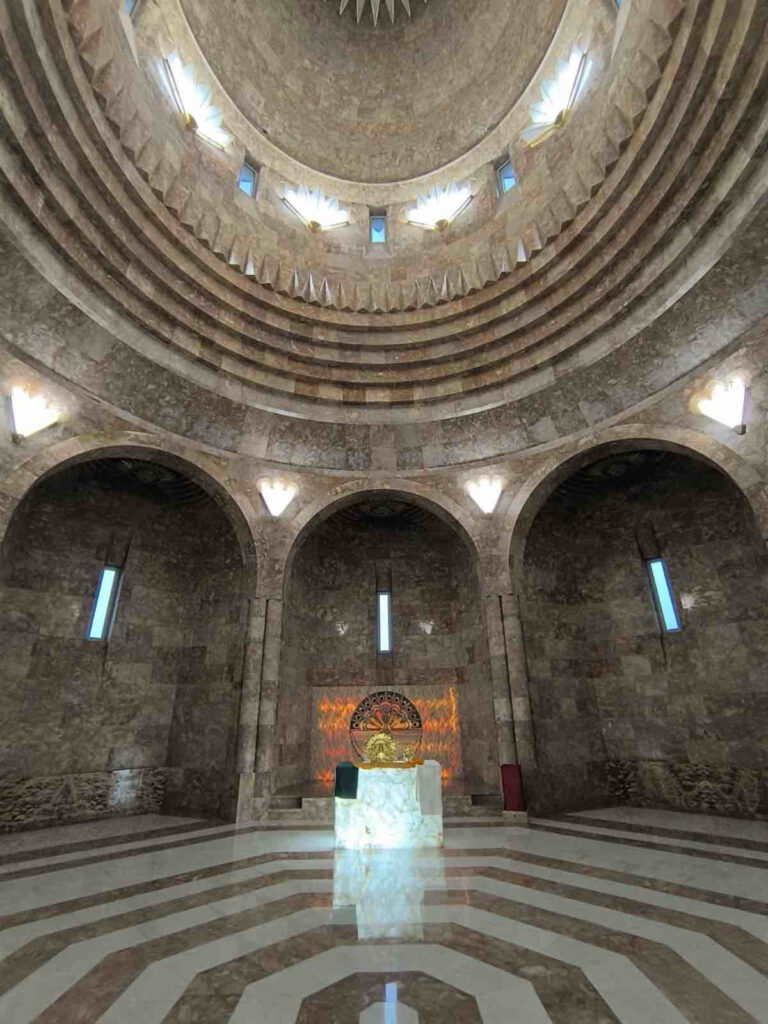
The complex also includes the Ziyarat memorial, dedicated to Ezidi figures who fought for Armenia. Rather than simply listing names, the memorial places Ezidi sacrifice inside Armenia’s national memory. Among the figures evoked are Jangir Agha, an Ezidi military and social leader remembered for his role alongside Armenian forces during the decisive battles of 1918, and Usub Bek Temuryan, an Ezidi leader who took part in the Battle of Sardarabad and later served in the parliament of the First Republic of Armenia. Their presence at Aknalich turns the sanctuary complex into more than a sacred site: it becomes a place where Sharfadin, Armenian statehood and shared histories of survival meet.
This became particularly visible in 2026, when Prime Minister Nikol Pashinyan visited Aknalich during the Ezidi New Year celebrations. His presence gave the event an unmistakable political dimension, especially in an election year. Speaking of shared citizenship across different faiths and traditions, he presented Ezidis as part of Armenia’s civic nation. Yet the visit also showed the ambiguity of recognition: a gesture of respect can also be a gesture of electoral strategy. At Aknalich, faith, memory, citizenship and politics briefly occupied the same space.
Between Citizenship and Distinctiveness
Ezidis in Armenia occupy a distinctive position. They are citizens of a state whose dominant national identity is strongly tied to Armenian ethnicity, language and Christianity. Yet they have also been recognised as part of Armenia’s minority landscape, including through mechanisms of parliamentary representation.
This political visibility matters. Armenia’s electoral system provides for representation of national minorities, including Ezidis, Assyrians, Russians and Kurds. For a people with a small population, symbolic representation is not a minor issue. It gives public form to the idea that Armenia is more than a mono-ethnic political state.
Yet representation is not the same as equality, and visibility is not the same as power. Minority politics in Armenia remains shaped by small numbers, limited resources and the dominance of national party structures. Ezidi representatives can raise issues affecting Ezidis, but minority concerns rarely sit at the centre of national debate. Questions of education, language preservation, rural development, cultural funding and youth migration remain practical challenges rather than abstract rights.
There is also the question of how Ezidi identity is named and understood. In the Soviet period, Ezidis were often administratively conflated with Kurds. Ezidis reject this classification: they are a distinct people, with Ezdiki and Sharfadin. The distinction has political and personal significance. It concerns faith, language, self-identification and historical memory. For outsiders, these categories may seem technical. For the peoples concerned, they are deeply personal.
Memory After Sinjar
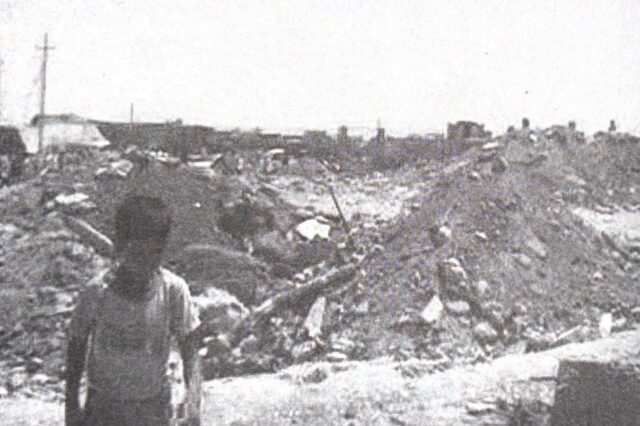
The Ezidi Genocide of 2014 in Iraq transformed global awareness of the Ezidi people. The destruction of villages, mass killings, sexual slavery and displacement produced a new international vocabulary around Ezidi suffering. It also connected Ezidis across borders in a shared moment of mourning and political mobilisation.
In Armenia, Sinjar resonated strongly. The events were geographically distant but emotionally close. For a people whose own history includes persecution and refuge, the violence in Iraq was not an isolated tragedy. It belonged to a longer pattern in which Ezidis have repeatedly had to defend their existence, Sharfadin and dignity against forces that sought to erase them.
But Ezidi history in Armenia should not be reduced to Sinjar. The Ezidi people’s roots in the South Caucasus long predate the 2014 genocide. Their memory links different geographies of suffering and survival: the Ottoman borderlands, the Caucasus, Iraq, Yerevan, Aragatsotn and the sacred landscape of Lalish. Memory does not stay within one national frame. It moves with people, rituals, monuments and stories.
This is one reason why Ezidi sites matter beyond Armenia. A village square in Shamiram, a sanctuary in Aknalich or a memorial in Yerevan may appear local, but each belongs to a wider map of displacement and endurance.
The Quiet Politics of Coexistence
In Armenia, the Ezidi presence is often described through a language of loyalty and coexistence. Ezidis have served in the Armenian armed forces. They live in villages alongside Armenians. Ezidis are generally seen as integrated into the state while retaining their own identity. This narrative is important, but it should not be romanticised.
Coexistence is never only a matter of goodwill. It depends on institutions, local relationships, economic conditions and the ability of minorities to transmit their culture without fear of assimilation. In rural Armenia, where resources are limited and many young people leave, the preservation of identity becomes inseparable from development.
A sanctuary can symbolise continuity, but everyday continuity requires people to stay, work, marry, speak, teach and remember. A monument can honour the past, but the future of the Ezidi people also depends on whether young Ezidis can imagine a life in the villages where their families are buried.
This is where the Ezidi story speaks to broader questions in post-Soviet Armenia. What does minority belonging mean in a small state marked by war, emigration and geopolitical pressure? How can a country built around the survival of one historically persecuted nation also make space for the memories and identities of others? And how can diversity be protected not only through monuments and parliamentary seats, but through the ordinary infrastructure of village life?
Another Way of Seeing Armenia
For visitors, the Ezidi presence offers another way of seeing Armenia. It draws attention away from the usual itinerary of monasteries and geopolitics, towards villages, minority cemeteries, sanctuaries, roadside monuments and the social geography of Aragatsotn. It shows that Armenia’s landscape is not only Christian and Armenian, even if those layers are dominant. It is also Ezidi, Assyrian, Russian and Soviet, marked by movements of people whose histories do not always fit neatly into national narratives.
This does not diminish Armenia’s national story. It enriches it. The presence of Ezidis in Armenia is a reminder that small countries can contain multiple memories, and that belonging does not always require sameness.
Under Mount Aragats, identity is not only written in stone churches, borders or state symbols. It is also written in village squares, backgammon tables, sanctuary towers, cemeteries, memorials and the names of peoples who have survived by making a home in difficult places.
In Shamiram, the men continue their game. The mountain remains in the background. The scene is ordinary, almost silent. But perhaps that is the point. Ezidis are not only discussed through tragedy, faith or minority politics. They are part of Armenia’s everyday life. Their story is not separate from Armenia’s story. It is one of the ways Armenia can be understood more fully: as a place of refuge, memory and coexistence, but also as a place where the work of belonging is never finished.
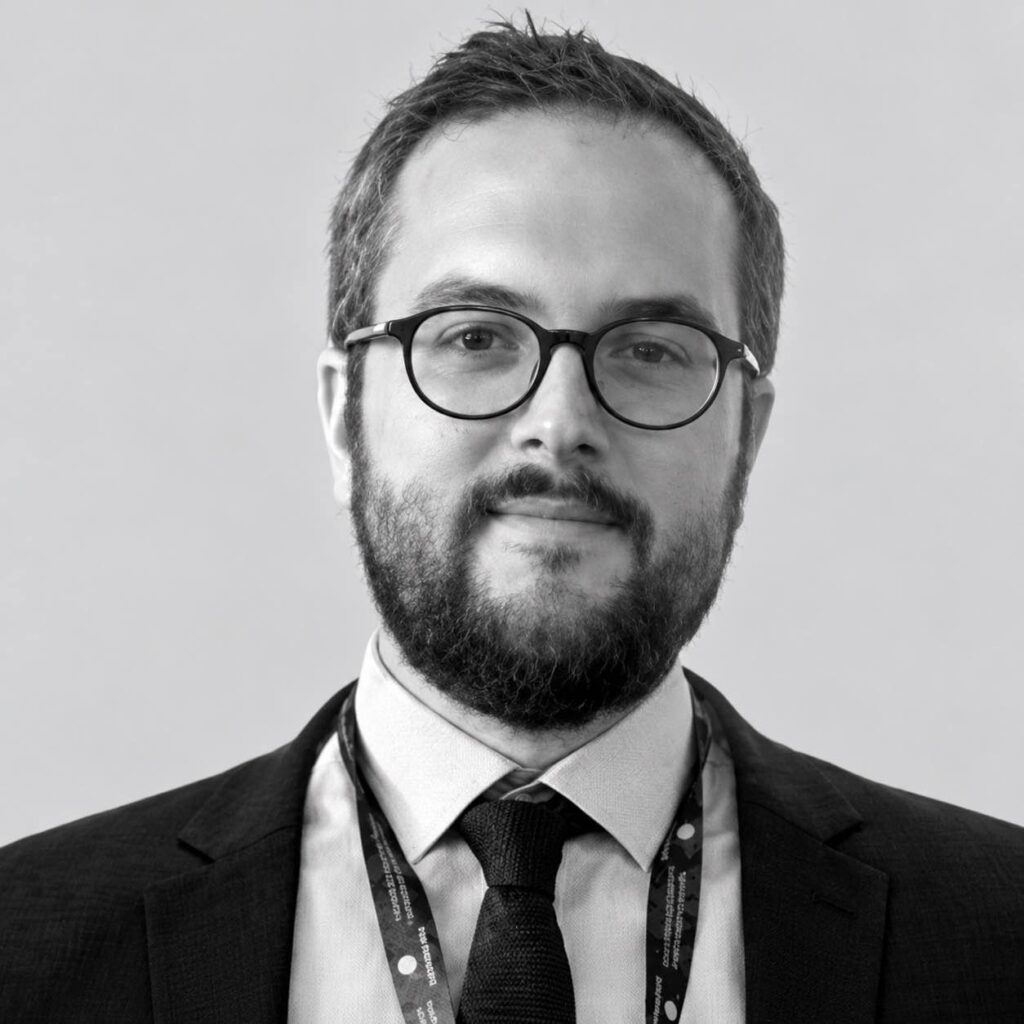
Mathieu Lemoine is a graduate of the Strasbourg Institute of Political Studies who has lived and worked across Central Asia, South-East Europe and Eastern Europe. He is interested in democratisation, human rights, and the ways national identities have been rebuilt since the fall of the USSR and Yugoslavia.
Originally published by Lossi 36 on 30 June 2026. Republished by Ezidi Times with the permission of Mathieu Lemoine.
About the Author
Mathieu Lemoine is a graduate of the Strasbourg Institute of Political Studies who has lived and worked across Central Asia, South-East Europe and Eastern Europe. His interests include democratisation, human rights, and the reconstruction of national identities since the fall of the Soviet Union and Yugoslavia. Outside his work, he is interested in music and languages, collects CDs from around the world, and has a fondness for traditional national hats acquired during his travels.