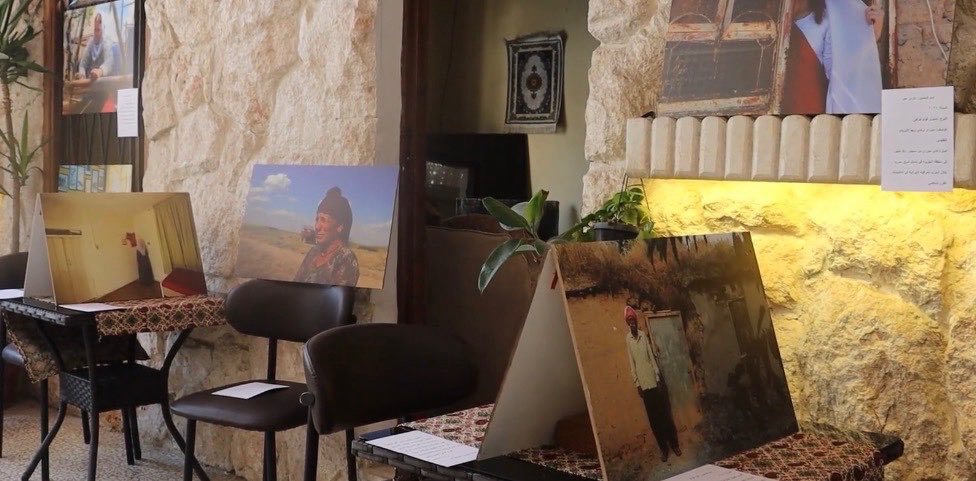
An exhibition organised by Hawar Help has brought together around 50 photographs documenting Ezidi culture, traditions and everyday life in Syria and Iraq, with a particular focus on preserving memories for future generations.
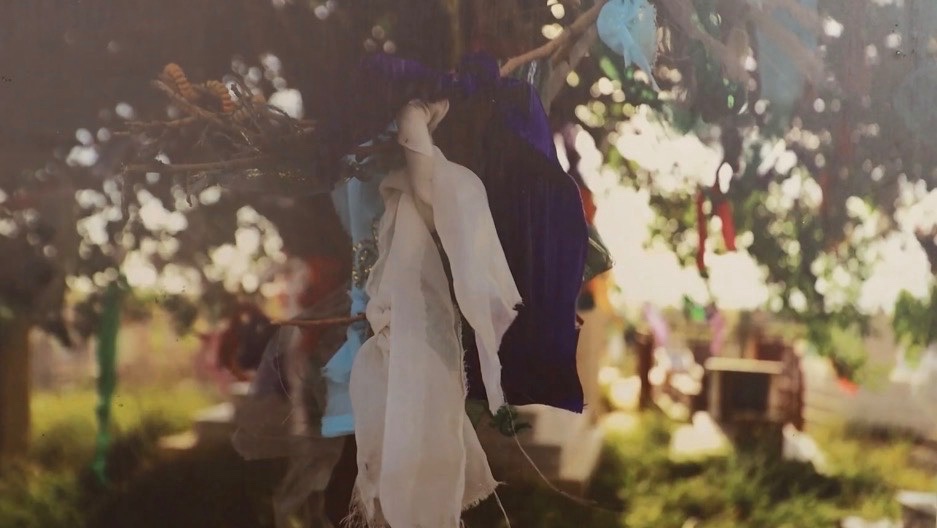
The exhibition, presented under the title “Ezidi Community Archive,” features photographs of Ezidi elders, homes, shrines, traditional clothing and crafts. Rather than presenting Ezidis only through genocide and persecution, the project seeks to preserve a broader visual record of Ezidi life, identity and cultural heritage.
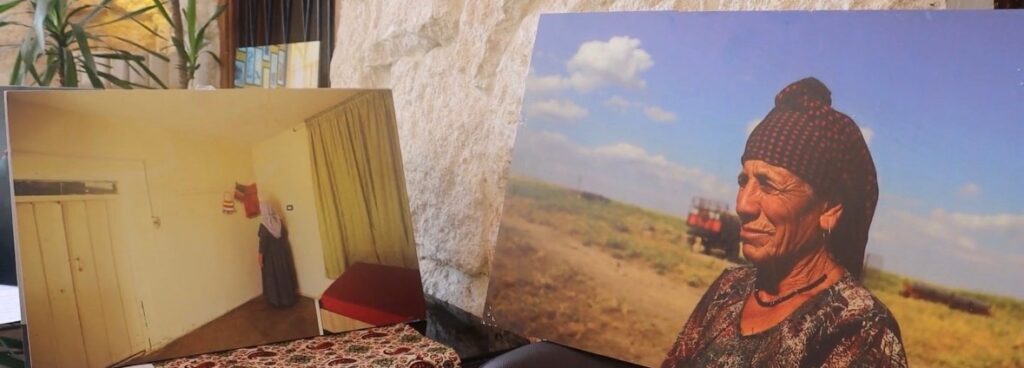
Ezidi participants were trained in photography and oral-history methods before documenting people and places connected to their own people. One participant from Afrin, Amal A., photographed an elderly Ezidi man originally from Sinjar who has lived displaced for decades, as well as an Ezidi shrine in her home village. She described visual documentation as a way of transforming oral memories into an archive that can remain for future generations.
Another participant, Kalbarin S., documented religious and cultural sites as well as personal stories connected to Ezidi families. She said projects of this kind are particularly important for peoples who have experienced massacres, displacement and attempts to erase their identity.
The exhibition allows Ezidis to document their history, traditions and everyday lives. For a people whose story is so often presented to the outside world primarily through genocide, preserving the ordinary details of Ezidi life is itself an important form of remembrance.