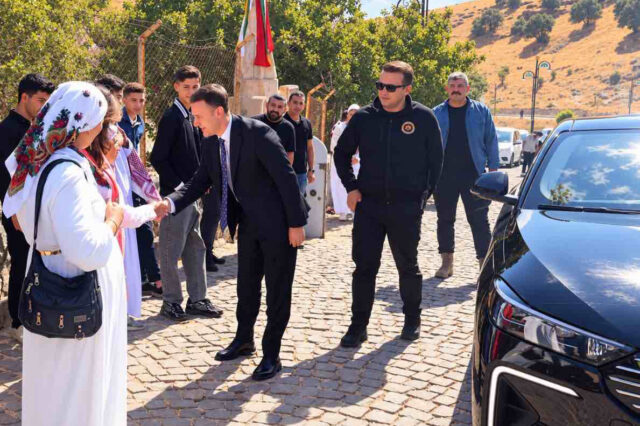
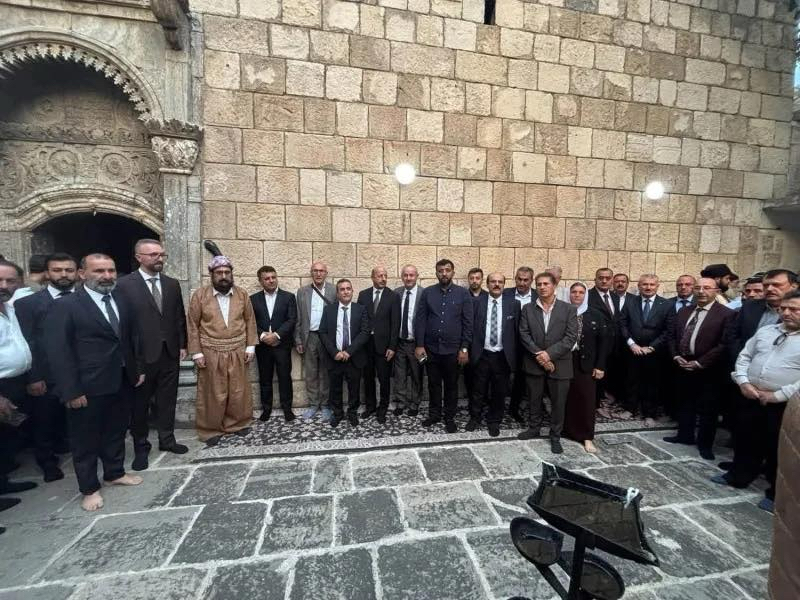
A delegation from the Ezidi Culture and Rights Centre (NÇMÊ) visited Lalish during Cejna Cemayê, the Feast of Assembly, where it met Mir Hazim Tahsin Beg and representatives of the Şerfedîn religious leadership while participating in the annual ceremonies. The visit was reported on Sunday, 11 October 2026, during the seven-day festival held from 6 to 13 October at the sanctuary in northern Iraq.
The discussions focused on strengthening cooperation among Ezidi institutions, preserving Şerfedîn and Ezidi cultural identity, defending the rights of the Ezidi people and developing shared work for the future. Representatives also discussed the circumstances facing Ezidis and the importance of expressing common concerns more effectively.
Mir Hazim Tahsin Beg, the Mir of the Ezidi people, and representatives of the Şerfedîn leadership received the delegation at Lalish. Members of the delegation subsequently attended ceremonies and other activities organised as part of the festival.
Participants emphasised the importance of maintaining lasting unity among Ezidis worldwide and strengthening relations between Ezidi institutions, the Şerfedîn leadership and different parts of Ezidi society. They also called for greater cooperation in protecting Şerfedîn, preserving Ezidi cultural heritage and presenting shared demands concerning the future of the Ezidi people.
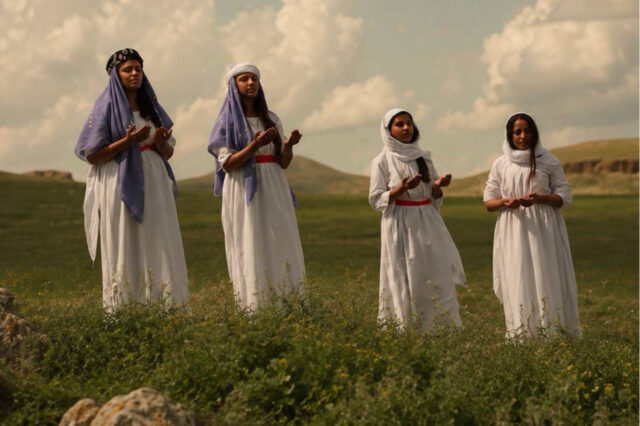
Cejna Cemayê, which is also known as Cemaya Şîxadî, is one of the most important annual observances of Şerfedîn. Each October, Ezidis travel to Lalish—the holiest sanctuary of Şerfedîn—to participate in ceremonies, gather with other Ezidis and honour Şêx Adî.
The gathering holds considerable importance within Şerfedîn and Ezidi social life, bringing together dignitaries, families and institutional representatives from Iraq and the diaspora. The presence of delegations from different countries also creates opportunities to discuss the preservation of Ezidi identity and coordination between Ezidi organisations.
No formal agreement, new programme or timetable for future cooperation was announced following the meetings. The visit primarily served as a ceremonial, consultative and symbolic engagement centred on participation in the Feast of Assembly and closer relations between Ezidi institutions and the Şerfedîn leadership at Lalish.