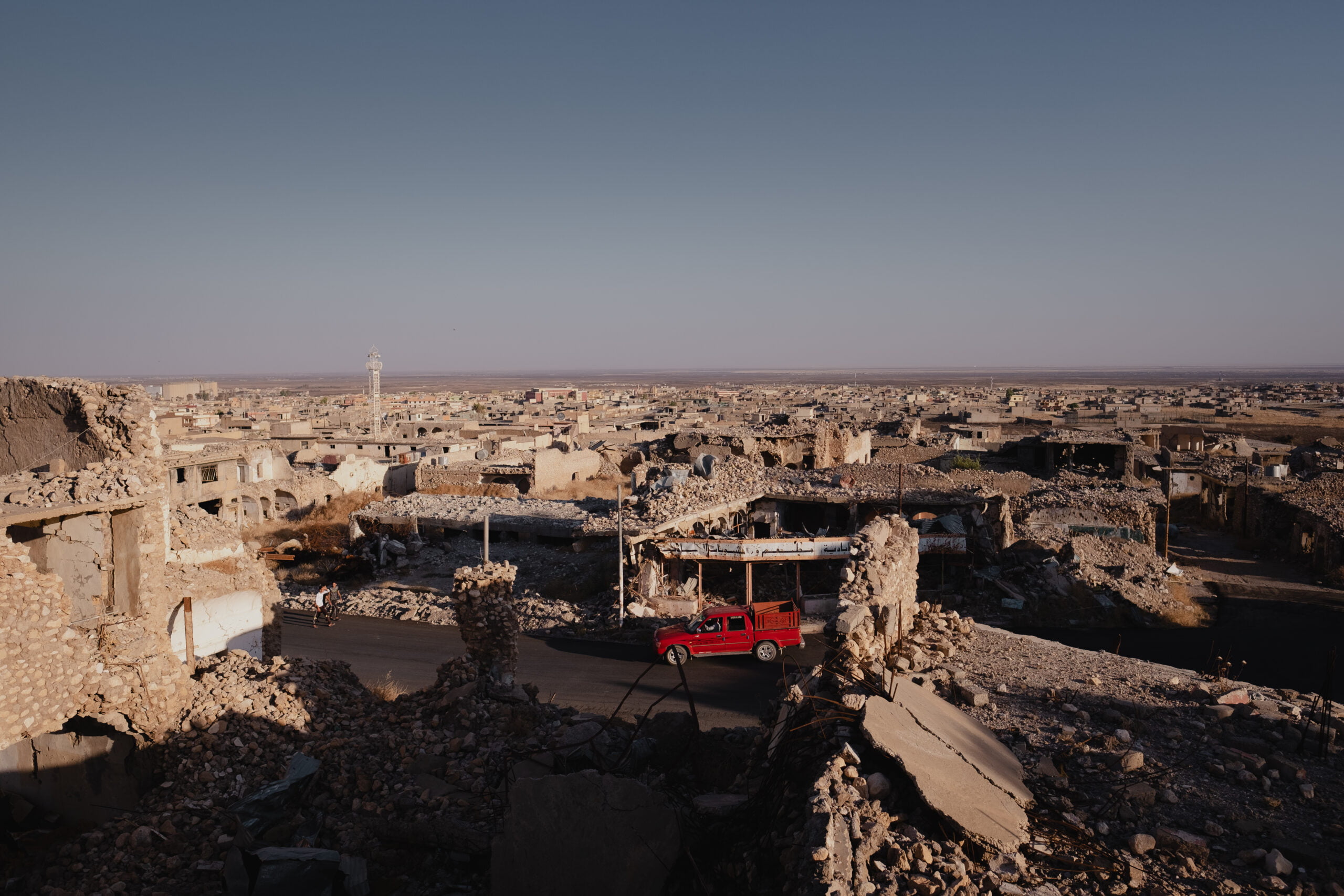

Concern is growing once again in Şengal as recent regional developments and renewed threats have raised fears among Ezidis that the conditions which led to the genocide of August 3, 2014 could be repeated.
Across Şengal, the message being expressed is clear: the Ezidi people do not see themselves as they were in 2014, and many say they will not remain defenceless if new attacks emerge.
According to views being shared by local voices, survivors, and groups following developments in the region, the current mood in Şengal is shaped by both fear and determination. The fear comes from memory. The Ezidi people know from direct experience what it means when threats are ignored, when protection fails, and when the world reacts too late. But alongside that fear, there is also a strong belief that the people of Şengal have changed over the past twelve years.
Since the 74th Ferman, Ezidis in Şengal have built local structures, strengthened self-defence, and developed a deeper awareness of what is needed for survival. Many now believe that relying on outside powers alone is not enough and that the safety of the people must be rooted in local will, organisation, and preparedness.
This concern is especially visible among women, many of whom continue to carry the trauma of genocide, displacement, and captivity. Survivors and residents say that the psychology of genocide has returned in recent weeks, with many families once again living under stress and uncertainty. For women in particular, the fear of another collapse in security is not theoretical. It is tied to lived memory.
At the same time, there is widespread distrust toward both state institutions and international actors. That distrust has been shaped by repeated historical failures to protect the Ezidi people. Many in Şengal believe that any attempt to weaken local defence structures would increase the danger rather than reduce it.
Another issue remains the lack of formal recognition. Despite years of struggle after 2014, the status of Şengal and the institutions established there by the local population remain unresolved. Advocacy groups and many Ezidi voices have long argued that without legal recognition, security guarantees, and respect for local will, the possibility of renewed violence cannot be dismissed.
This is why many are now calling for urgent attention to Şengal. The warning is not only about military threats. It is also about the protection of the Ezidi people’s existence, culture, dignity, and future in their historic homeland.
For many Ezidis, the lesson of 2014 remains painfully simple: when warning signs are ignored, the consequences are catastrophic.
That is why so many in Şengal are now insisting on one point above all else.
Ezidis will not allow themselves to be left exposed in the same way again.