

Stop Using “Devil” Myths About Ezidis

Why are Ezidis still introduced through the false label of “devil worship”? Why are they wrongly presented as part of a Kurdish identity, despite a long history that shows otherwise? And why is the term “Yezidism” used when it does not exist within the religion itself? This article addresses these questions and challenges the narratives that continue to misrepresent the Ezidi people and their religion, Sharfadin.

My Mother Tongue Is Ezdiki

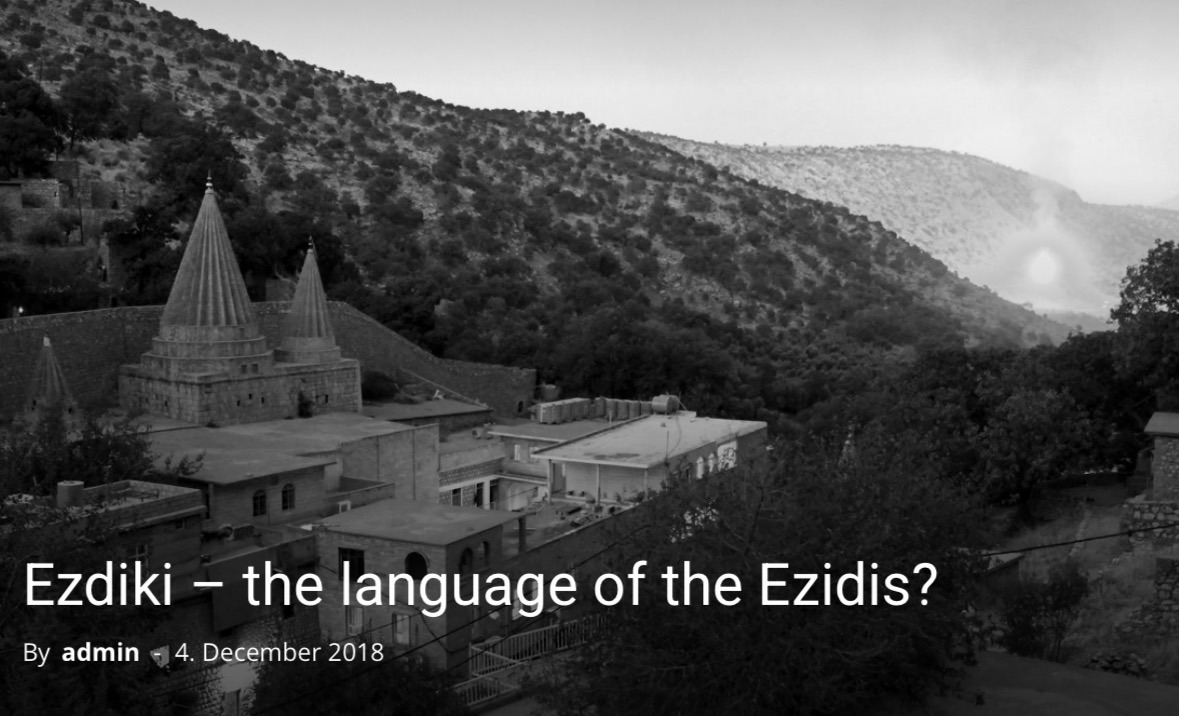
Historical sources show that Ezidis have long referred to their language as Ezdiki, meaning “the language of the Ezidis.” Kurdish is a new term and is the result of political influence and aspirations of creating a “kurdish” nationalistic identity.

Kurds Returning to Armenia: A Grave Security Risk

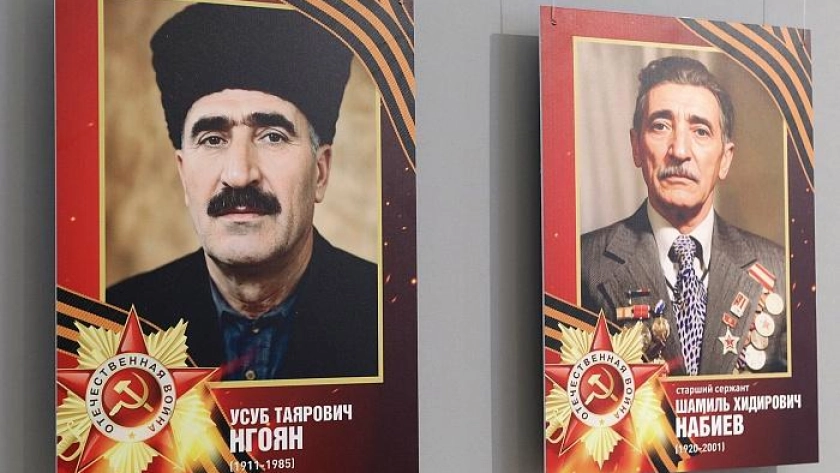
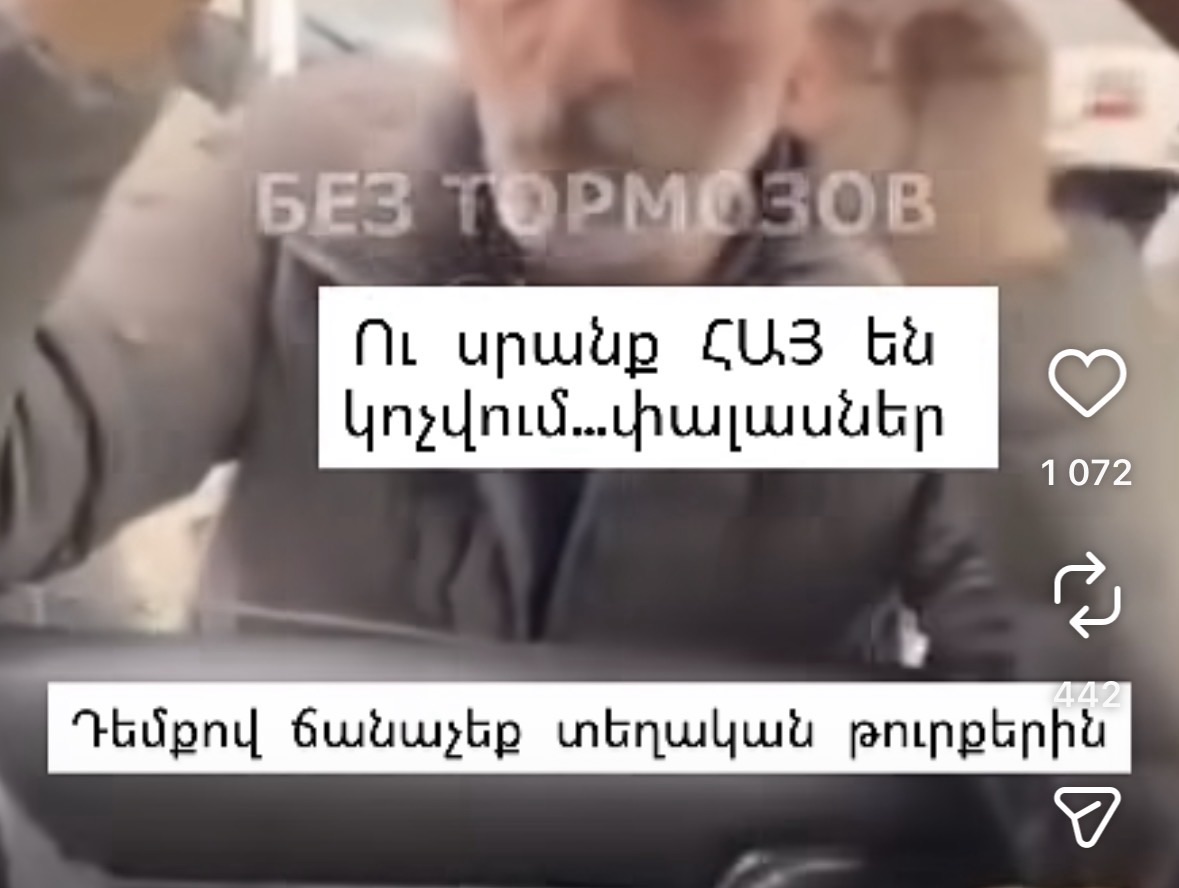
In the late 1980s, during the Armenia–Azerbaijan war, many Kurds left Armenia, openly stating they would not fight against their Muslim brothers. They relocated to Kazakhstan and remained there for decades, removed from the political and military realities Armenia faced. This development raises legitimate security concerns. Individuals who once refused to defend the state on religious grounds demonstrated that their loyalty was conditional. If loyalty is defined by religion rather than citizenship, the implications are serious. In any future conflict involving a Muslim-majority country, where would such actors stand? Armenia cannot ignore this question.

Kurdiska lögner om ett “ezidiskt stöd”

Rudaw påstår att ezider är “kurder”, och upprepar därmed Neçirvan Barzanis och KRG:s långvariga försök att ta över vår identitet. Ezider är en separat etnisk grupp, följare av Sharfadin, med egen historia, egna rättigheter och egen röst. Tyskland stödjer fördrivna ezider eftersom det är deras ansvar, inte på grund av Barzani. Att kalla oss “kurdiska ezider” raderar vår identitet, döljer årtionden av marginalisering och försöker använda oss för politisk vinning. Ezider är oberoende, och ingen politiker eller mediekanal kan skriva om vår historia eller ta ifrån oss vår framtid.

Dénoncer les mensonges sur les Ezidis et leur prétendu « soutien kurde »

Rudaw prétend que les Ezidis sont des « Kurdes », répétant la tentative de longue date de Neçirvan Barzani et du KRG de s’approprier notre identité. Les Ezidis constituent un groupe ethnique distinct, fidèles au Sharfadin, avec leur propre histoire, leurs droits et leur voix. L’Allemagne soutient les Ezidis déplacés parce que c’est sa responsabilité, pas à cause de Barzani. Les qualifier de « Yézidis kurdes » efface notre identité, masque des décennies de marginalisation et tente de nous instrumentaliser à des fins politiques. Les Ezidis sont indépendants, et aucun politicien ni média ne peut réécrire notre histoire ou nous voler notre avenir.

Exposing the Kurdish Lies About “Ezidi Support”

Rudaw claims that Ezidis are “Kurds,” repeating the long-standing attempt by Neçirvan Barzani and the KRG to co-opt our identity. Ezidis are our own people, followers of Sharfadin, with our own history, rights, and voice. Germany supports displaced Ezidis because it is their responsibility, not because of Barzani. Calling us “Kurdish Ezidis” erases our identity, hides decades of marginalization, and tries to use us for political gain. Ezidis are independent, and no politician or media outlet can rewrite our history or take away our future.

Military Shifts at the Syrian Border Raise Concerns in Sinjar

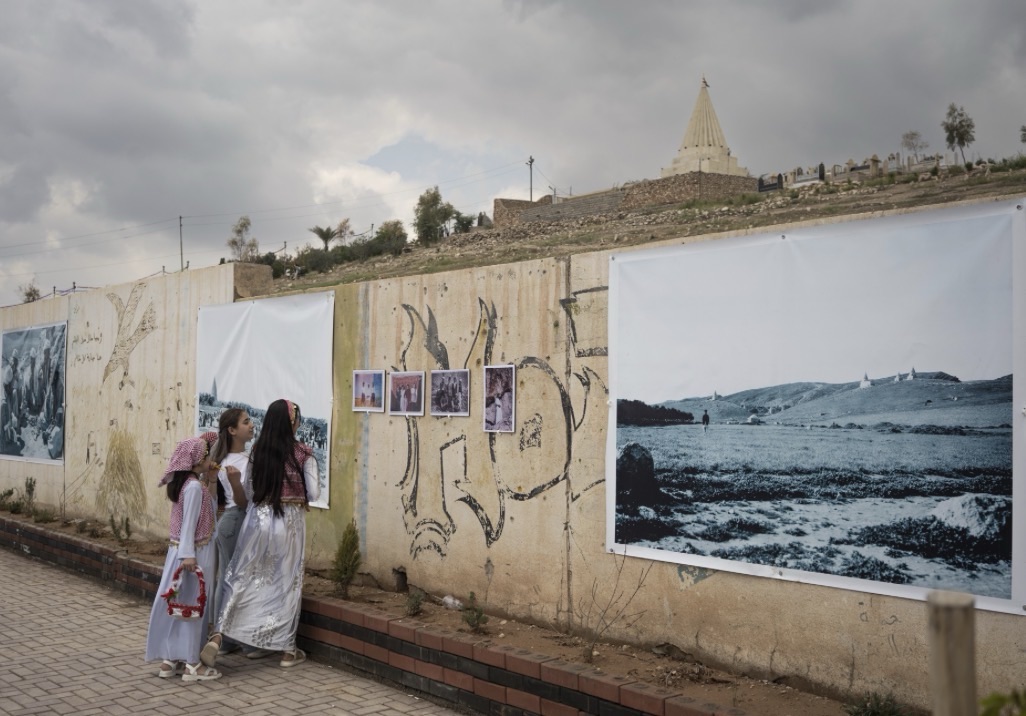
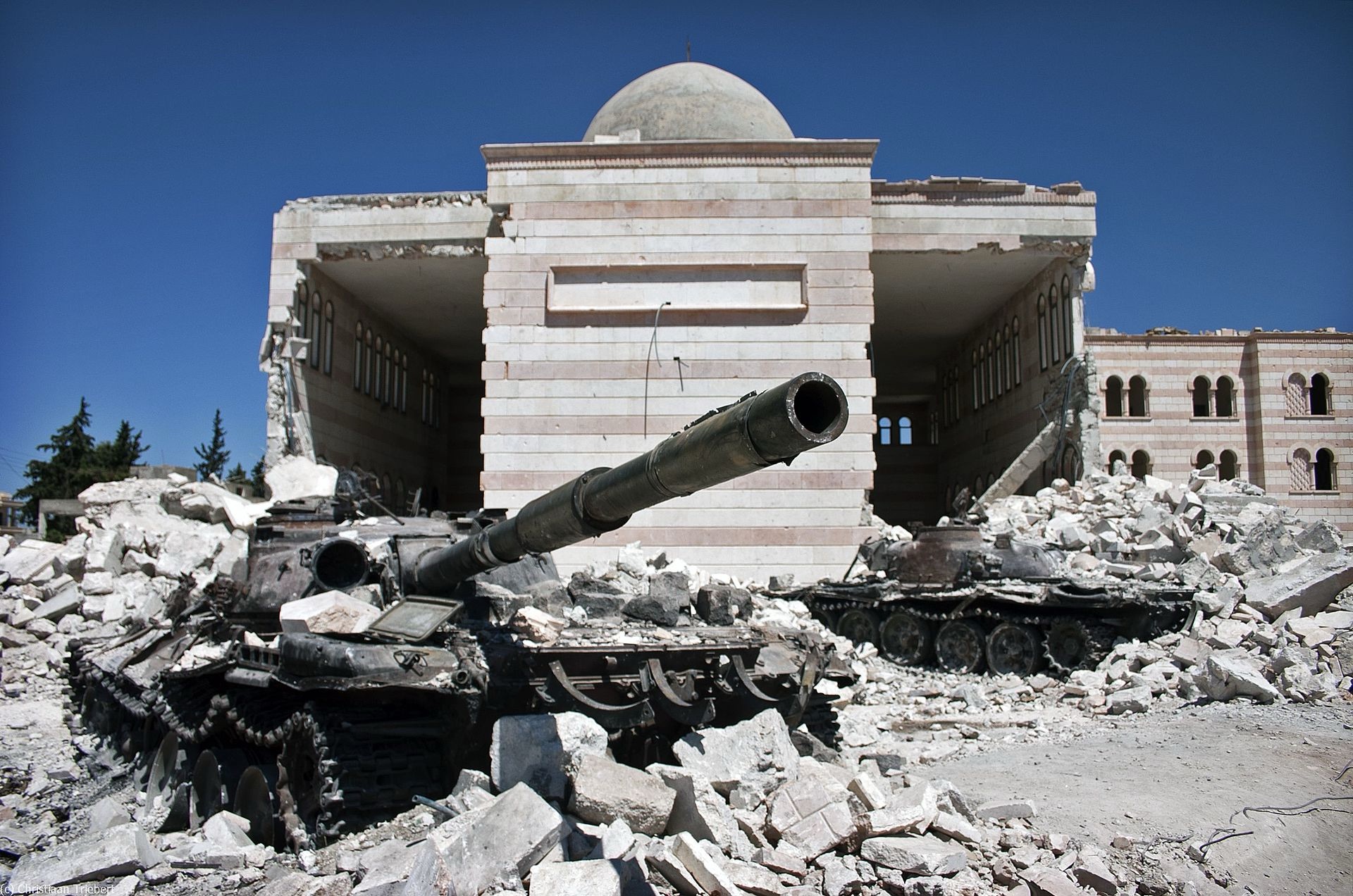
Recent military developments along the Syrian-Iraqi border have drawn significant attention in Sinjar, an area that remains deeply marked by the events of 2014. The arrival and positioning of forces aligned with the Syrian state near the border has prompted heightened alert among local defense groups and residents, reflecting longstanding fears shaped by past violence against Ezidis.

Ezidi Dungeon at Risk of Disappearance in Turkey

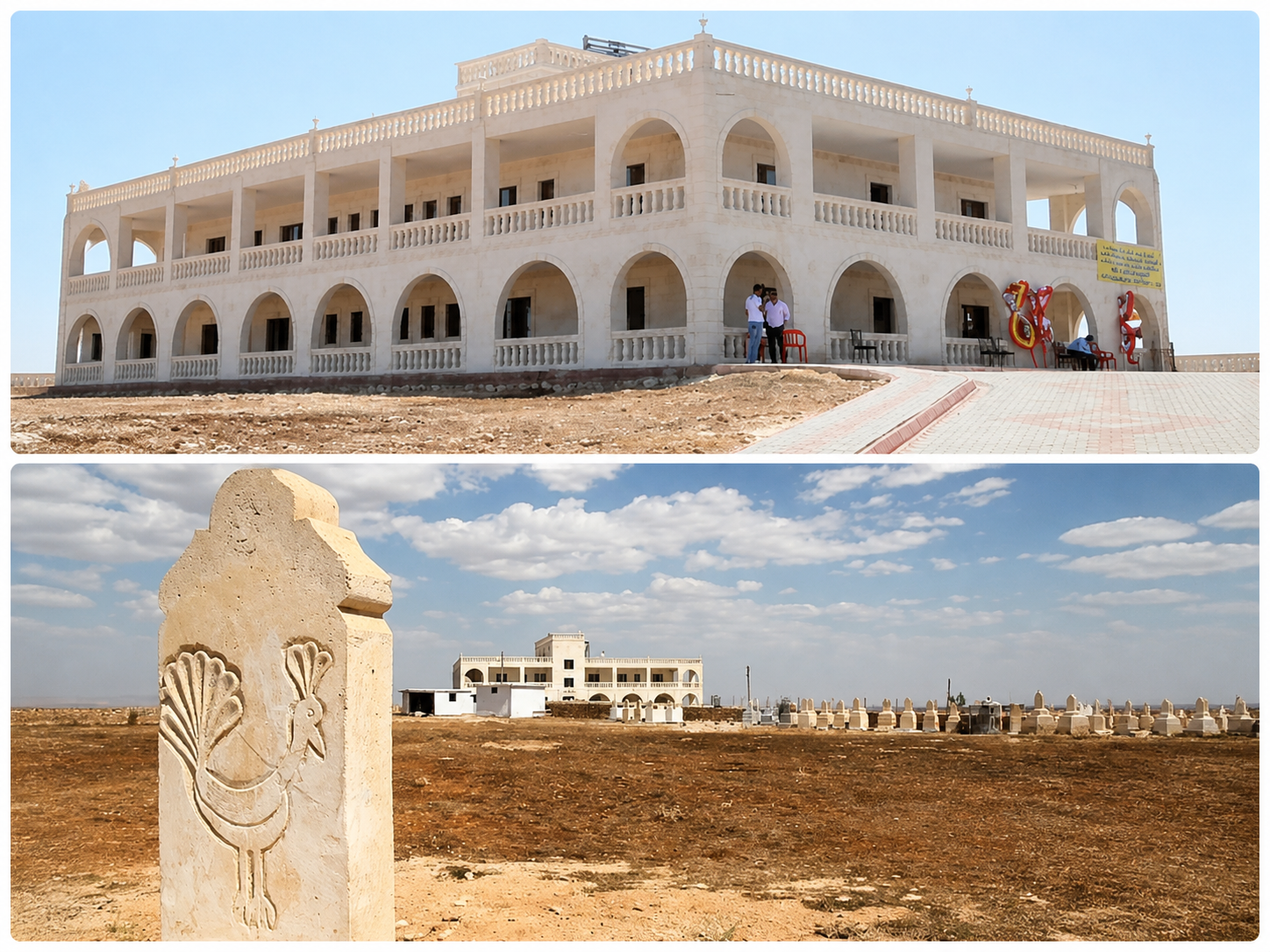
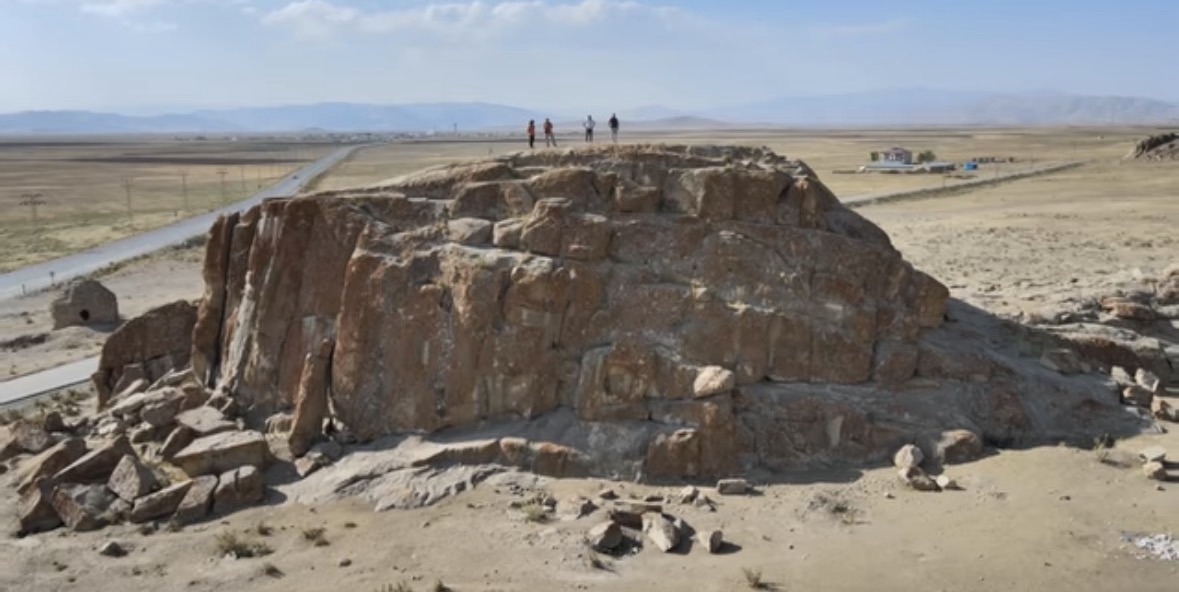
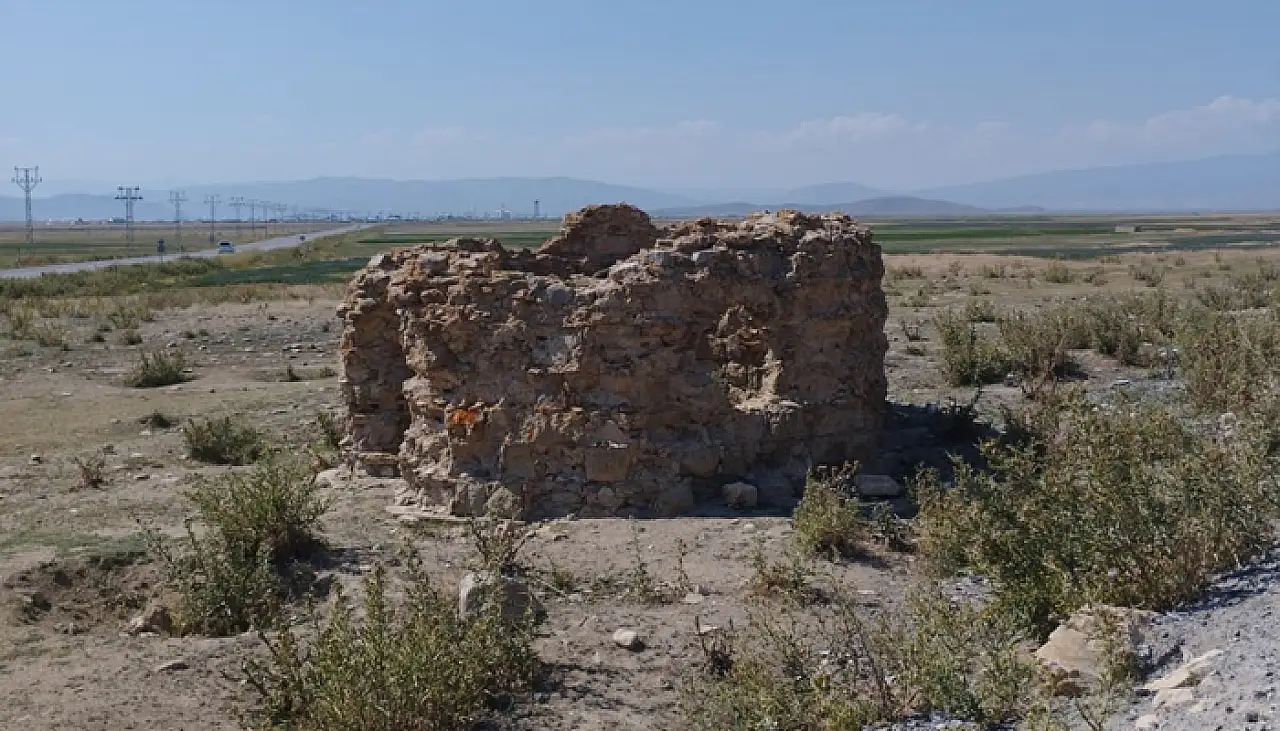
The Ezidi Dilşah Dungeon in Van, Turkey, built in the 18th century by Kok Ağa and later overseen by his daughter Dilşah, is now at risk of collapse. Once part of the Ezidi justice system, the site has been heavily damaged by treasure hunters and neglect. Locals see it as both a historical monument and a place of memory, but without urgent protection, this rare piece of Ezidi heritage may soon disappear.

Iraq Begins Excavation of Khasfa Mass Grave, One of the Largest Left Behind by ISIS

Iraq has begun the long-delayed excavation of the Khasfa mass grave near Mosul, a vast sinkhole where ISIS executed and buried thousands during its rule. Believed to hold at least 4,000 victims — including Ezidis, soldiers, and civilians — the site is one of the largest and most complex in modern Iraqi history. Forensic teams face immense challenges, but the work offers families of the missing a fragile hope for answers and dignity after more than a decade of silence.

Never Forget the Past, for It Loves to Repeat Itself

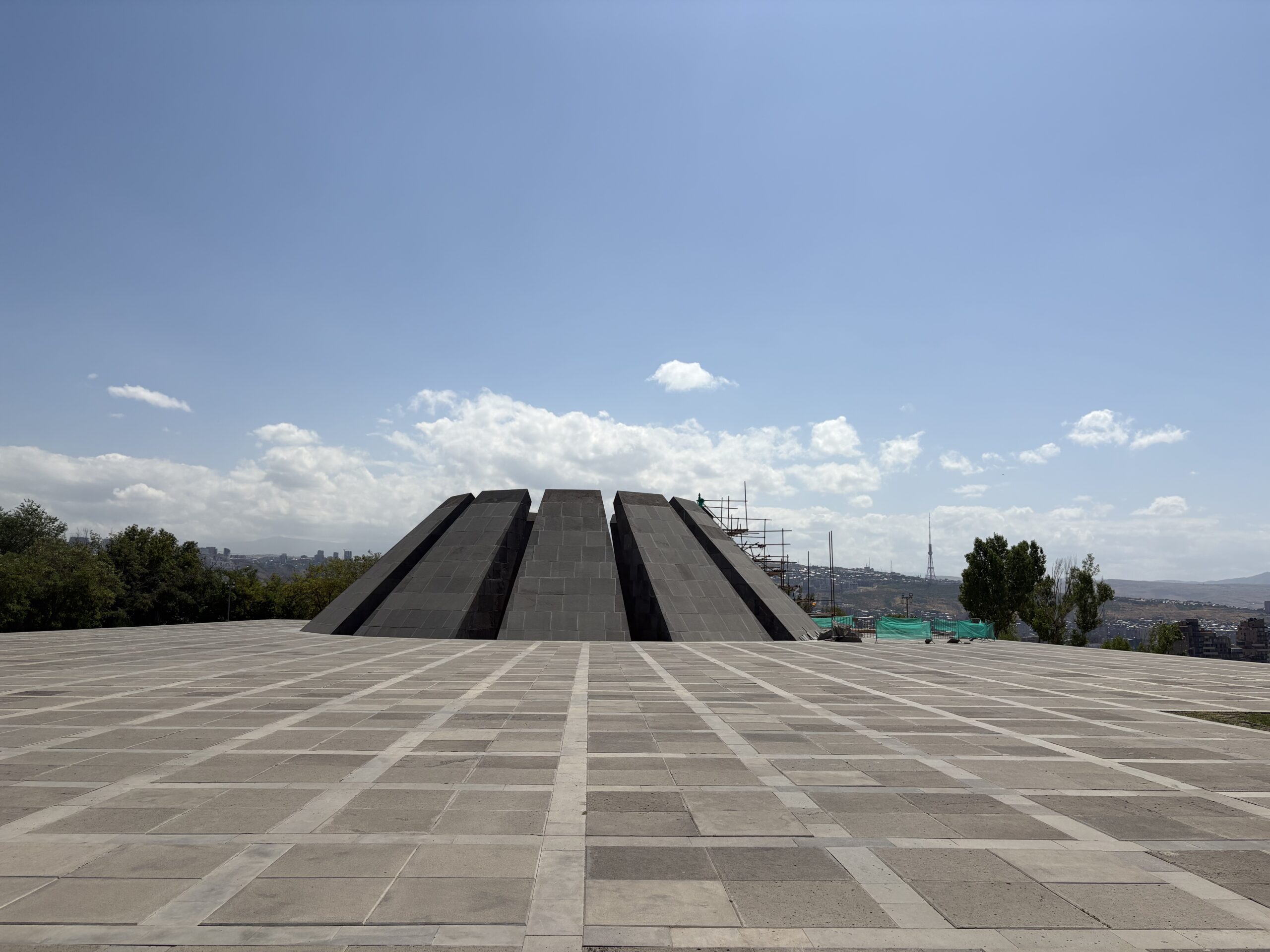
Humanity walks through history carrying the ashes of its own crimes. Every stone laid at memorials like Tsitsernakaberd whispers of lives extinguished and of promises broken — never again, we say, yet again and again, we fail. As the eternal flame burns for the Armenians of 1915, it casts a shadow that reaches Sinjar, where the Ezidi people still suffer the consequences of the genocide ISIS unleashed in 2014. Eleven years later, the wounds remain unhealed, deepened by betrayal, neglect, and cynical politics. How many more memorials must we build before we finally understand that remembrance is not enough — justice and protection must follow, or the cycle will never end?