


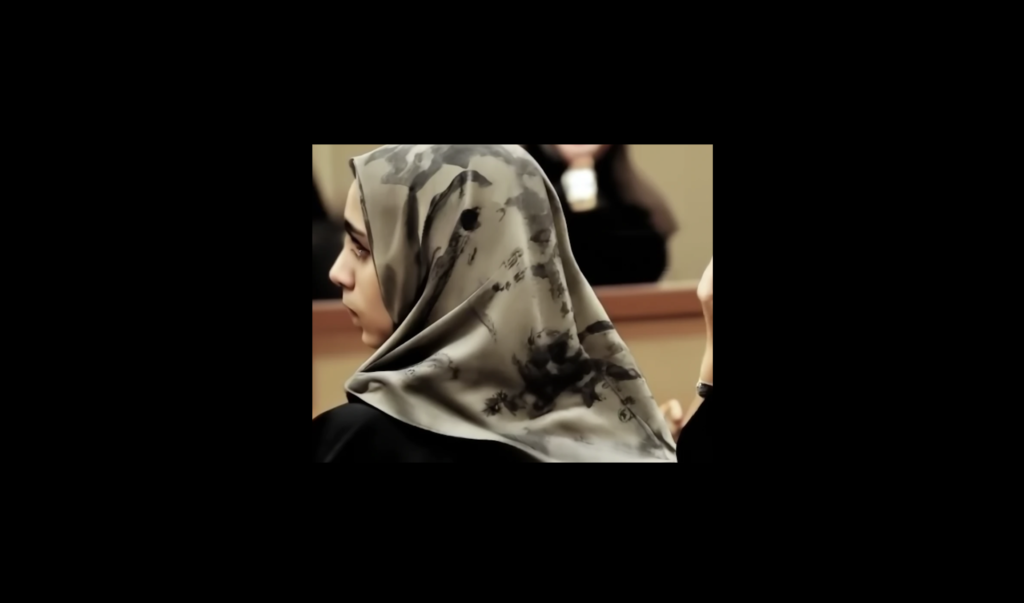
ISIS Woman on Appeal Trial in the Netherlands

The Hasna A. case returns to court in the Netherlands after the defendant appealed the first verdict.From 9–12 February 2026, judges at the Schiphol Judicial Complex will review the case, which addresses ISIS crimes committed against Ezidis.
The hearings are public and will be livestreamed, with translation available.
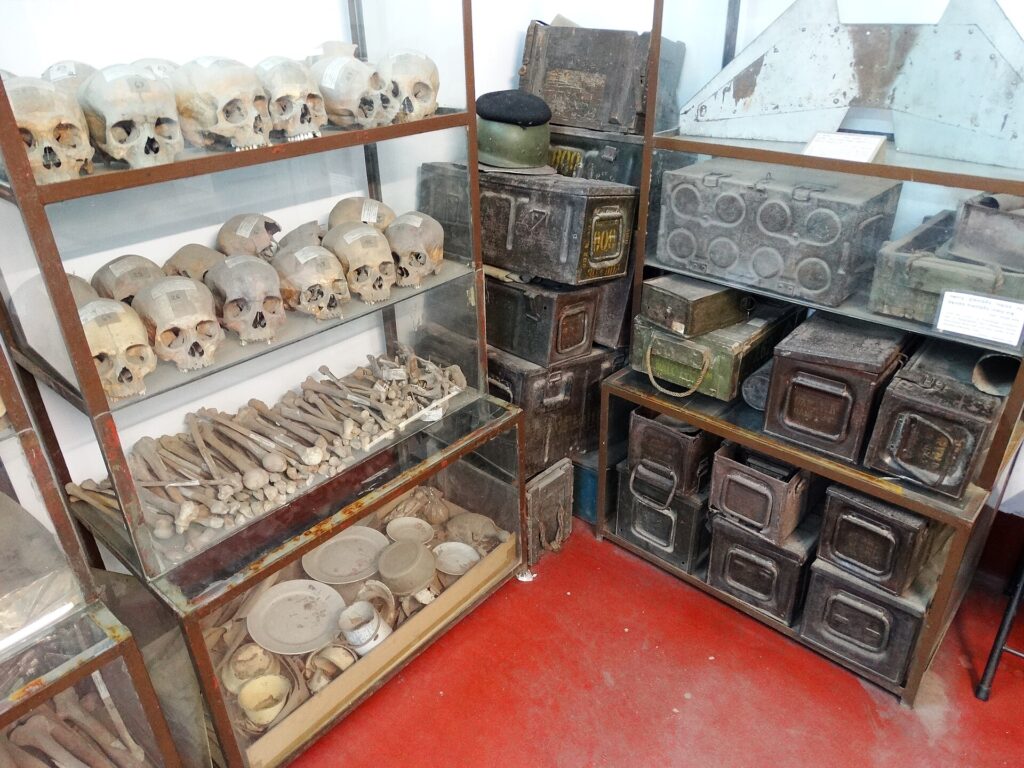
Recognition of Bangladesh Genocide: Assessing Through the Lenses of International Criminal Law

Bangladesh’s 1971 genocide remains largely unrecognized internationally, despite clear evidence of mass killings, sexual violence, and attacks on intellectuals. This analysis examines the events through international criminal law, highlighting the urgent need for recognition, justice, and remembrance—lessons that resonate deeply with Ezidis and all peoples who have endured systematic persecution.

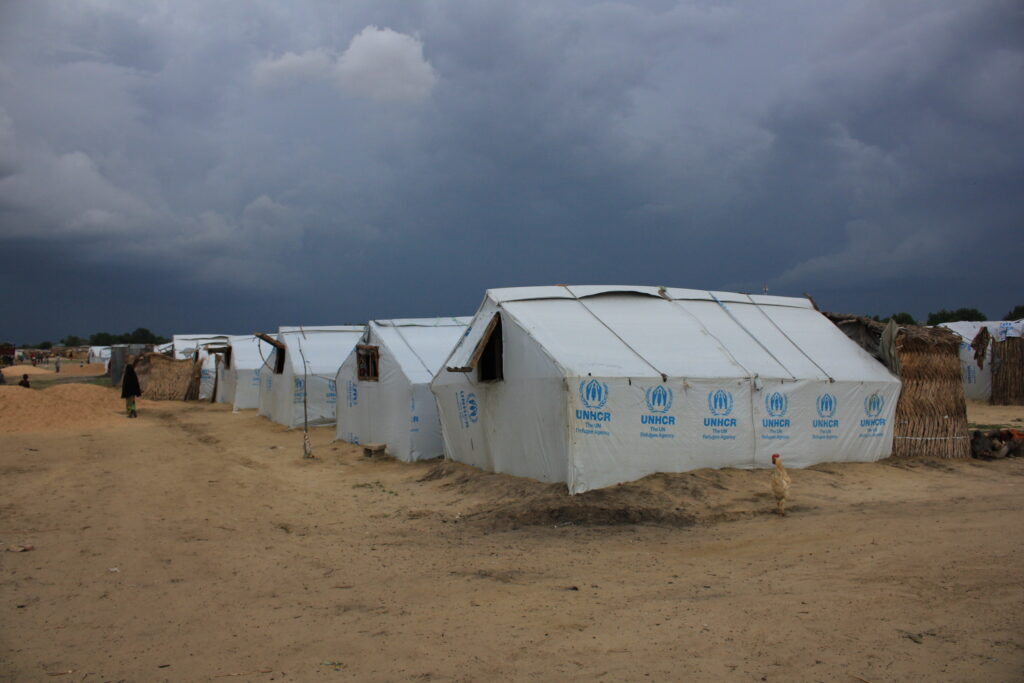
Displaced Ezidis Face the Freezing Winter Without Heating Support

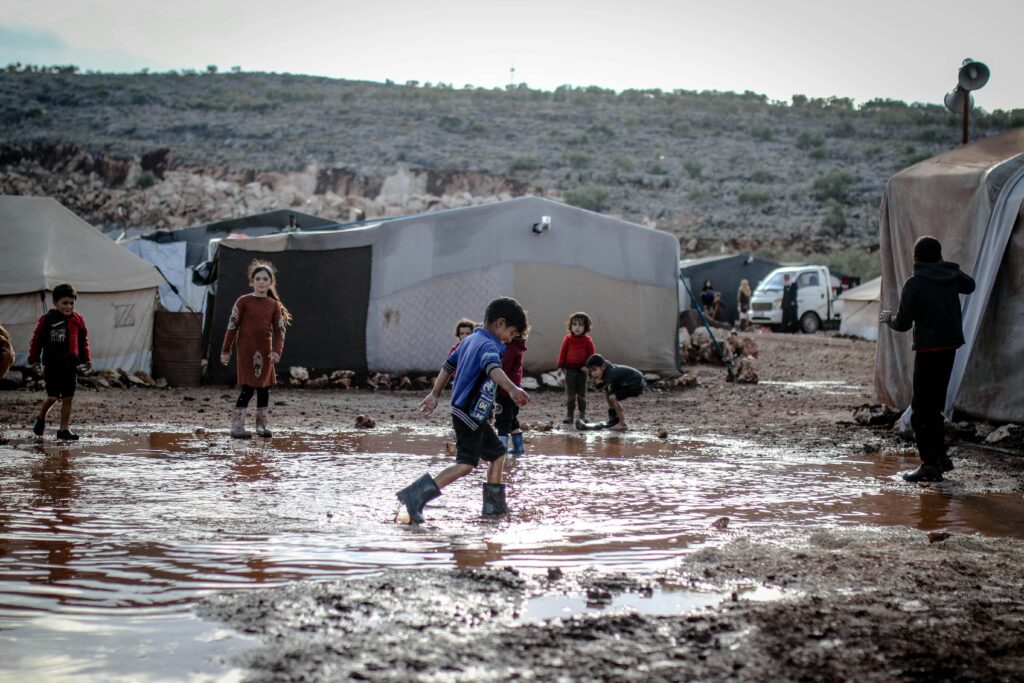
Ezidis did not choose to live in camps, and they certainly did not choose to become targets of ISIS in 2014. With the current and evident attempts to force Ezidis out, the question arises: where are these families supposed to settle? Are they expected to return to Shingal, to homes that remain in ruins and for which the Iraqi government has allocated no funds for reconstruction? Where should Ezidis seek refuge and rebuild their lives without risking becoming targets of ISIS or other extremists hiding behind the false mask of harmless neighbors?

Interview exclusif avec SELODEUXSEPT

Ezidi Times ouvre 2026 avec une interview exclusive de l’artiste ezidi SELODEUXSEPT, dont le single Je m’appelle Ezidi a dépassé les 200 000 écoutes sur Spotify. La chanson est à la fois une affirmation artistique de son identité et un message de fierté, de force et d’unité pour les Ezidis à travers le monde. SELODEUXSEPT partage sa vision, son parcours et ses projets

Urgent: Ezidi’s in Aleppo vast in belegering

Aleppo’s 5.000 Ezidi’s zitten vast onder belegering in Sheikh Maqsoud, Ashrafieh en al-Suryan, met stroomuitval, tekorten aan medicijnen en gedwongen ontheemding. Bijna 1.200 families zijn al gevlucht, terwijl duizenden nog steeds gevaar lopen. Ezidi Times roept Duitsland en de internationale gemeenschap op om onmiddellijk actie te ondernemen en te zorgen dat de de facto Syrische regering Ezidi’s beschermt.

Urgent : Les Ézidis d’Alep pris au piège sous siège

Les 5 000 Ézidis d’Alep sont pris au piège dans les quartiers de Sheikh Maqsoud, Ashrafieh et al-Suryan, confrontés à des coupures d’électricité, des pénuries de médicaments et des déplacements forcés. Près de 1 200 familles ont déjà fui, tandis que des milliers restent en danger. Ezidi Times appelle l’Allemagne et la communauté internationale à agir immédiatement pour protéger les Ézidis.

Urgente: Ezidis em Alepo Presos Sob Cerco

Ezidis em Alepo, cerca de 5.000 pessoas, estão presos sob cerco nos bairros de Sheikh Maqsoud, Ashrafieh e al-Suryan, enfrentando falta de eletricidade, escassez de medicamentos e deslocamento forçado. Quase 1.200 famílias já fugiram, enquanto milhares permanecem em risco. O Ezidi Times apela à Alemanha e à comunidade internacional para agir imediatamente e garantir que o governo de facto da Síria proteja os Ezidis.

Urgente: Ezidis en Alepo atrapados bajo asedio

Los 5.000 ezidis de Alepo están atrapados bajo asedio en Sheikh Maqsoud, Ashrafieh y al-Suryan, enfrentando cortes de electricidad, escasez de medicamentos y desplazamientos forzosos. Casi 1.200 familias ya han huido, mientras miles permanecen en riesgo. Ezidi Times hace un llamado a Alemania y a la comunidad internacional para actuar de inmediato y garantizar que el gobierno de facto sirio proteja a los ezidis.

Urgent: Ezidis in Aleppo Trapped Under Siege

Aleppo’s 5,000 Ezidis are trapped under siege in Sheikh Maqsoud, Ashrafieh, and al-Suryan, facing electricity outages, medicine shortages, and forced displacement. Nearly 1,200 families have already fled, while thousands remain at risk. Ezidi Times calls on Germany and the international community to act immediately and ensure the newly de facto Syrian government protects Ezidis.

Haje Bakoyan: Advancing Women’s Rights and Social Change Among Ezidis in Armenia

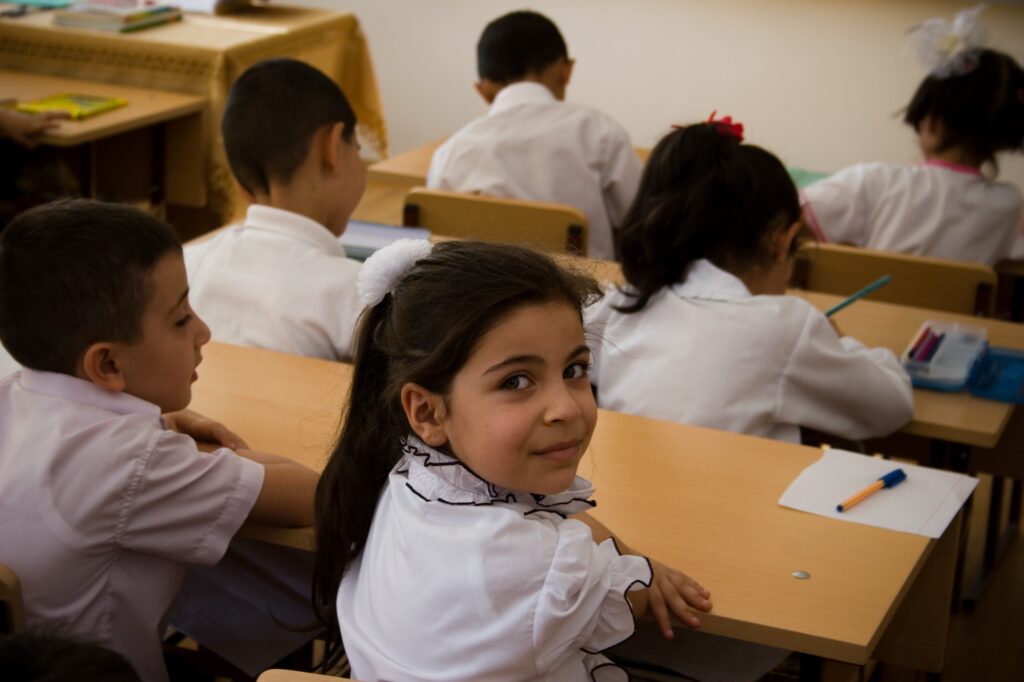
Haje Bakoyan is a leading Ezidi activist in Armenia working to expand educational and social opportunities for Ezidi women and girls. As the director of Shams Humanitarian NGO, she addresses challenges such as early marriage, limited access to education, economic exclusion, and lack of self-confidence among Ezidi girls. Her work is grounded in the belief that lasting change can occur without abandoning Ezidi traditions or the faith of Sharfadin, by strengthening families, promoting education, and creating space for women to participate fully in social and economic life.

Fire Destroys Dozens of Shops and Tents in Ezidi Displacement Camps Near Zakho

Fires tore through two Ezidi displacement camps near Zakho, destroying dozens of shops and several tents and leaving hundreds of families without their only source of income. More than eleven years after the Ezidi genocide, repeated camp fires once again expose unsafe living conditions, lack of protection, and the continued failure to ensure dignified, voluntary return for displaced Ezidis.

Uma resposta a İkbal Dürre: por que os Ezidis na Rússia não são contados nas estatísticas demográficas curdas

İkbal Dürre afirma que os Ezidis na Rússia deveriam ser contados como curdos. Mas isso ignora um fato fundamental: os Ezidis são um povo com identidade própria e uma fé — Sharfadin — que antecede e se distingue da identidade curda. Se eles se identificam como Ezidis, a Rússia os registra corretamente. Forçá-los a entrar em estatísticas curdas seria uma distorção de sua identidade.

Respuesta a İkbal Dürre: Por qué los Ezidis en Rusia no se contabilizan en las estadísticas demográficas kurdas

Rusia contabiliza a los Ezidis como Ezidis porque así se identifican ellos mismos. Los Ezidis son un pueblo con una identidad étnica ancestral y una fe propia, el Sharfadin, distinta y anterior a cualquier otra clasificación. Reducirlos a una etiqueta que rechazan no es análisis demográfico, sino una imposición política sobre la identidad de un pueblo.

Turkey’s Non-Sunni Minorities, Ezidis Among Them, Face Growing Hostility –

A new report highlights rising hostility in Turkey toward Ezidis, Jews, Alevis, and Christians. Between 2023 and 2024, state institutions increasingly aligned with Sunni Islam, historic sites were reconverted, schools expanded compulsory Sunni instruction, and minorities faced harassment and attacks. The findings show that legal guarantees alone are not enough—protecting diverse communities requires political will, accountability, and respect for long-standing cultures.