

Lincoln Declares April as Ezidi Recognition Month
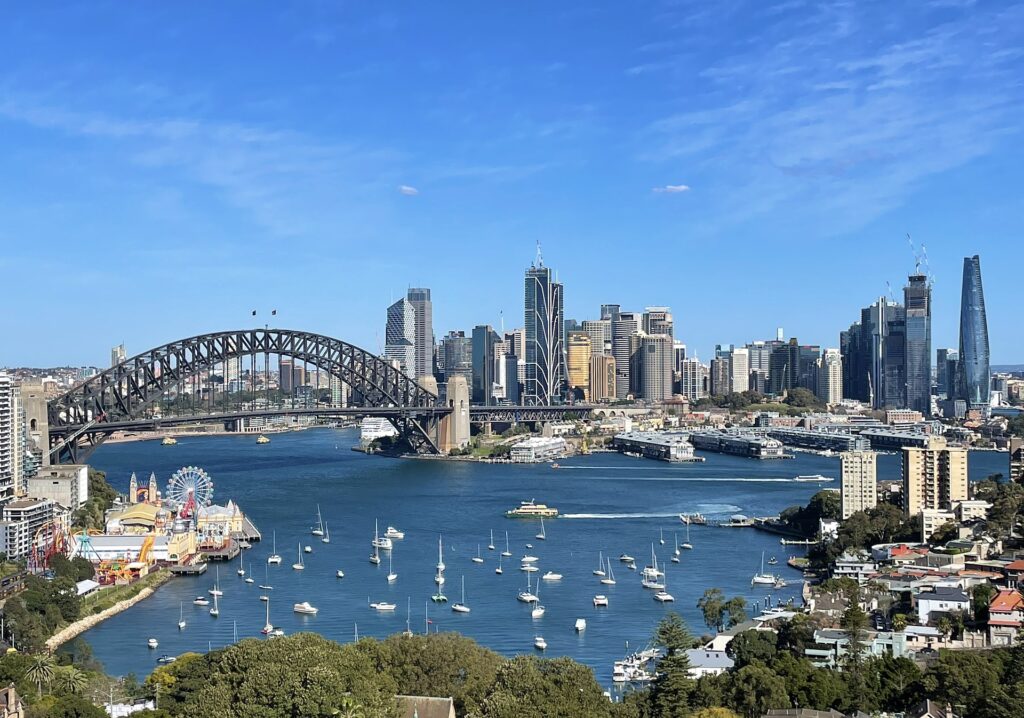
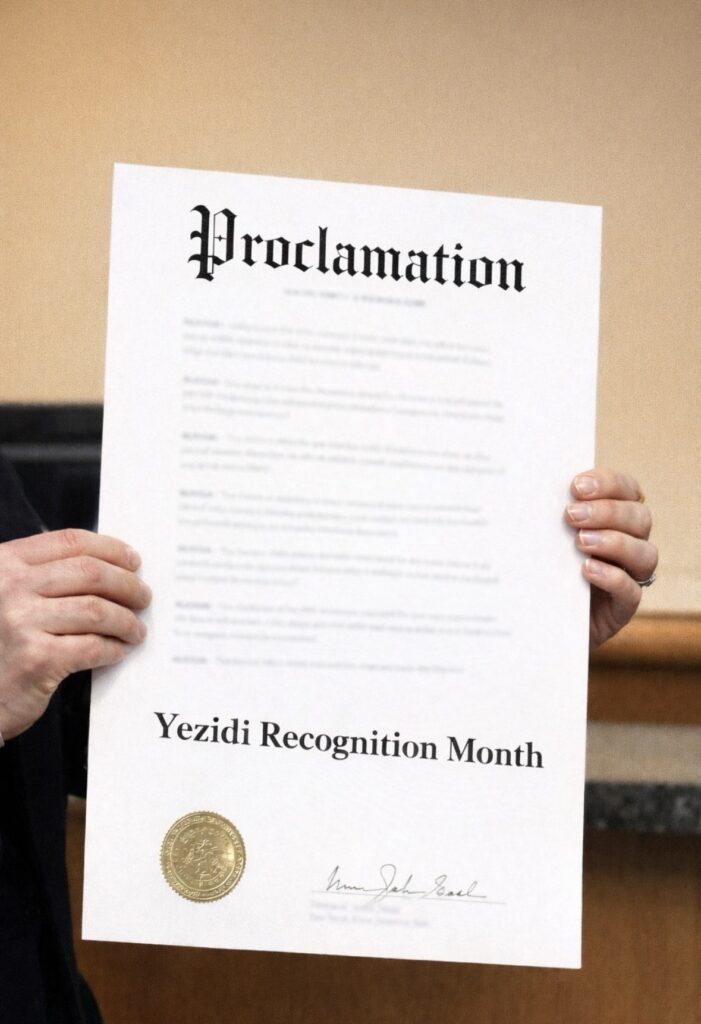
The Mayor of Lincoln Nebraska, Mayor Leirion Gaylor Baird, has signed a proclamation declaring April as Ezidi Recognition Month, acknowledging the presence of Ezidis in the city.
The Mayor of Lincoln Nebraska, Mayor Leirion Gaylor Baird, has signed a proclamation declaring April as Ezidi Recognition Month, acknowledging the presence of Ezidis in the city.
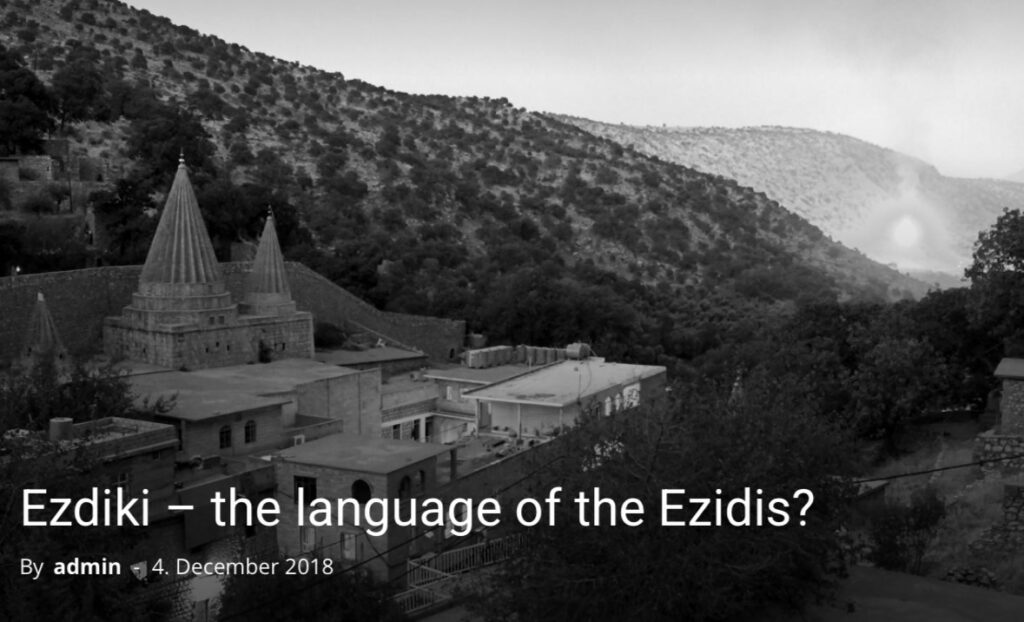
Historical sources show that Ezidis have long referred to their language as Ezdiki, meaning “the language of the Ezidis.” Kurdish is a new term and is the result of political influence and aspirations of creating a “kurdish” nationalistic identity.
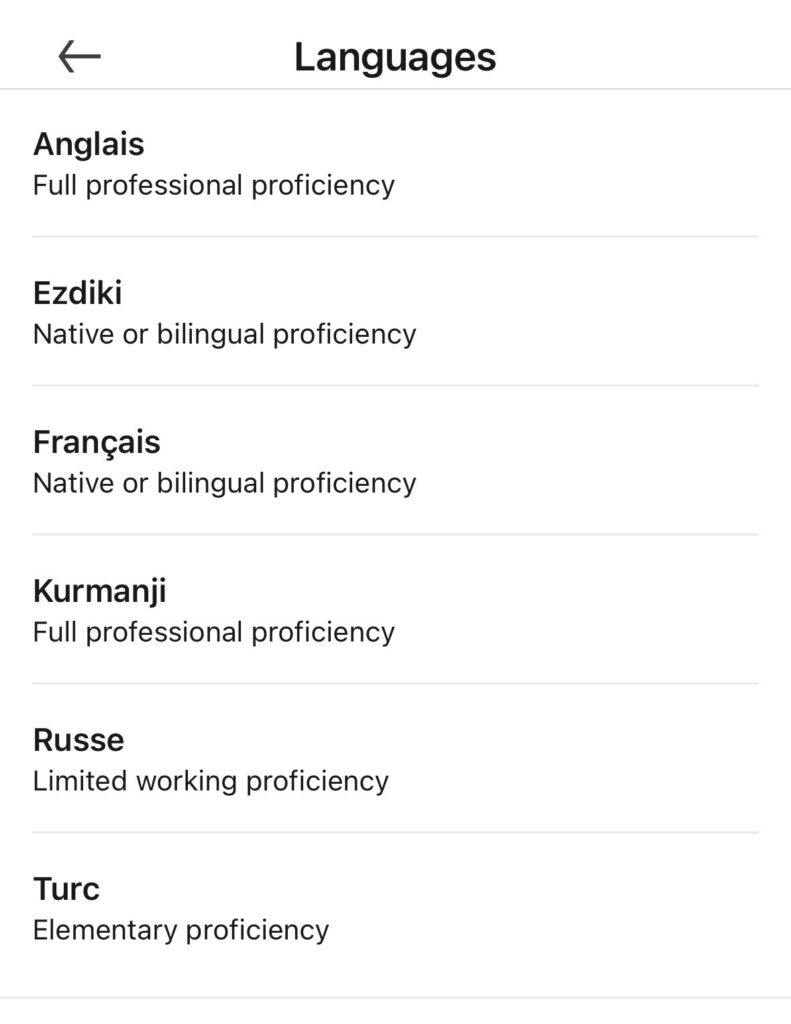
Many Ezidis choose to list their language as Kurdish or Kurmanji because it seems easier when dealing with institutions or people unfamiliar with Ezidis. But doing so risks slowly eroding a history and identity that stretches back thousands of years. One LinkedIn user chose a different path; proudly listing Ezdiki.
Dissolve by 10 March—or face attack. That was the message delivered to the YBŞ in Mosul, placing Shingal’s Ezidis at another crossroads. For a people still rebuilding after genocide, the prospect of imposed security decisions revives a familiar and dangerous pattern. Ezidi leaders warn that dismantling local defense forces without a binding administrative and security agreement could force new displacement and leave the homeland of Sharfadin exposed once again.
Ezidis in Giessen continue to play a leading role in grassroots dialogue efforts, bringing together diverse religious and cultural groups to promote understanding, respect, and peaceful coexistence in line with the values of Sharfadin.
Ezidi refugees in Australia are calling on the government to prioritise survivors of IS captivity, highlighting the trauma and ongoing needs of those displaced, as widows and children of IS fighters are repatriated.
0:00 / 0:00 Rudaw’s Obsession with Ezidis: Twisting Truth Across Languages
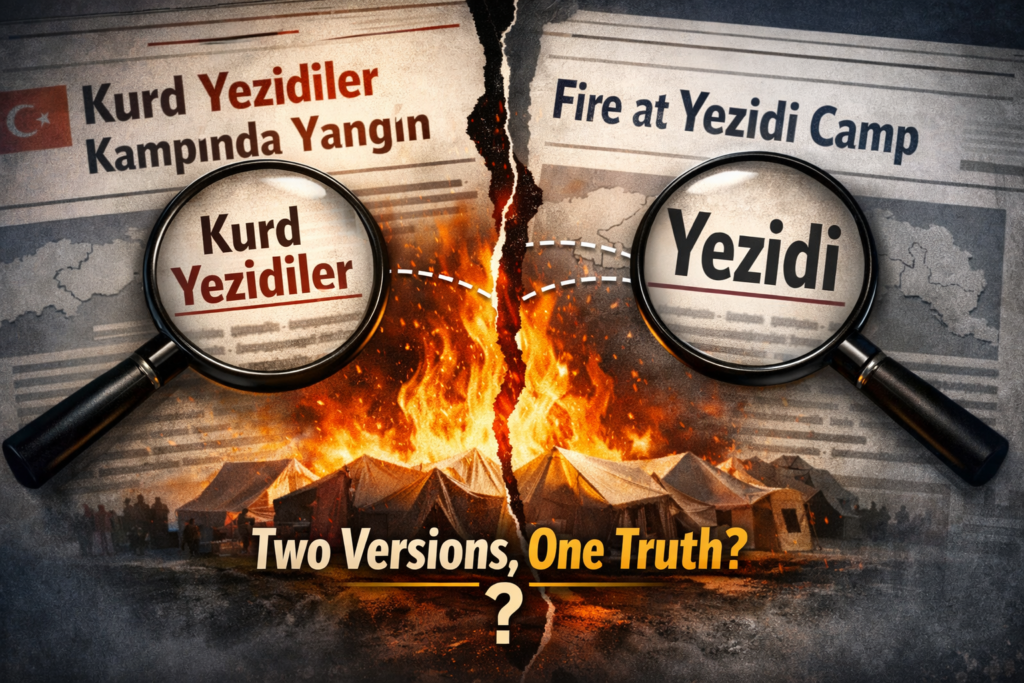
Rudaw recently published two versions of the same story about a fire at an Ezidi camp—one calling them “Ezidi Kurds” in Turkish, the other “Yazidi” in English. Beyond the inconsistency, the facts differ, raising serious questions about journalistic ethics. Why is there such an obsession with Ezidis, their religion, language, and history? It’s time for media to stop politicizing truth and start reporting honestly.
The holiday of Xidir Nebî and Xidir Êlyas is one of the most important religious celebrations among Ezidis, honoring two revered saints associated with protection, love, and life. Though venerated across multiple cultures—from Iran to Armenia and beyond—Ezidis maintain distinct traditions that blend sacred texts, local legends, and ancient rituals. The festival involves fasting, special plant-based dishes, and symbolic practices such as pêxûn preparation, hair-cutting for blessings, and matchmaking customs rooted in dreams. Folk celebrations include communal gatherings, ceremonial songs, and playful rituals like dolidang, connecting spiritual devotion with social cohesion. Across history, Xidir and Êlyas have absorbed traits from pre-Islamic and pre-Christian myths, linking Ezidi practice to ancient regional narratives of divine guidance and the quest for life-giving waters.
Ezidis in Şengal reaffirm that their safety and ability to control their own security are fundamental rights. Any attempt to undermine local defense structures or allow external interference threatens their survival and identity.
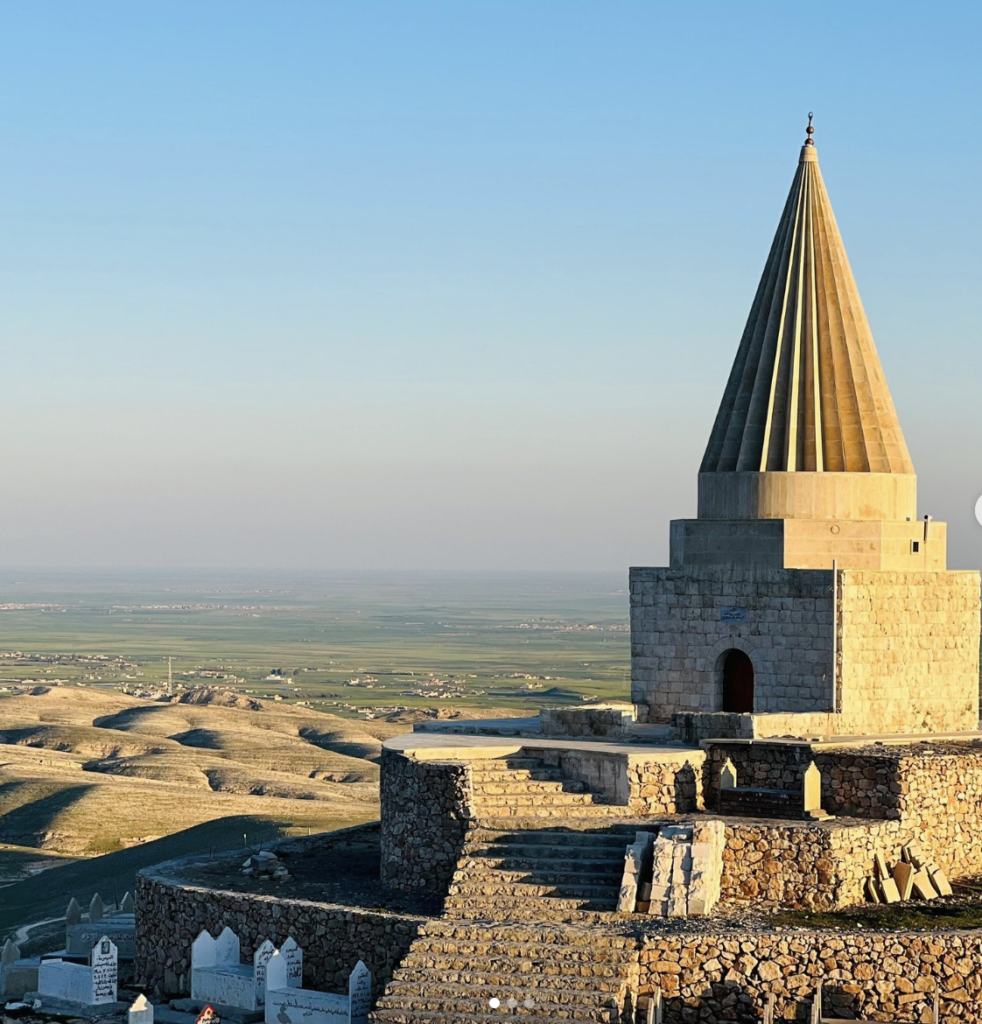
In 2014, the Mam Rashan Shrine on Mount Sinjar was destroyed in a campaign aimed at erasing Ezidis and their faith, Sharfadin. Its demolition was meant to sever a people from their sacred ground. Rebuilt on its original site, the shrine now stands as proof that destruction did not succeed. It is not only stone restored, but continuity reclaimed.
Rudaw afirma que os Ezidis são “curdos”, repetindo a tentativa de longa data de Neçirvan Barzani e do KRG de cooptar nossa identidade. Os Ezidis são um grupo étnico separado, seguidores do Sharfadin, com nossa própria história, direitos e voz. A Alemanha apoia os Ezidis deslocados porque é sua responsabilidade, não por causa de Barzani. Chamar-nos de “Ezidis Curdos” apaga nossa identidade, esconde décadas de marginalização e tenta nos usar para ganho político. Os Ezidis são independentes, e nenhum político ou meio de comunicação pode reescrever nossa história ou tirar nosso futuro.
Rudaw afirma que los Ezidis son “kurdos”, repitiendo el intento de larga data de Neçirvan Barzani y del KRG de cooptar nuestra identidad. Los Ezidis son un grupo étnico separado, seguidores de Sharfadin, con nuestra propia historia, derechos y voz. Alemania apoya a los Ezidis desplazados porque es su responsabilidad, no por Barzani. Llamarnos “Ezidis kurdos” borra nuestra identidad, oculta décadas de marginación e intenta utilizarnos para fines políticos. Los Ezidis somos independientes, y ningún político ni medio de comunicación puede reescribir nuestra historia ni arrebatarnos nuestro futuro.
Rudaw prétend que les Ezidis sont des « Kurdes », répétant la tentative de longue date de Neçirvan Barzani et du KRG de s’approprier notre identité. Les Ezidis constituent un groupe ethnique distinct, fidèles au Sharfadin, avec leur propre histoire, leurs droits et leur voix. L’Allemagne soutient les Ezidis déplacés parce que c’est sa responsabilité, pas à cause de Barzani. Les qualifier de « Yézidis kurdes » efface notre identité, masque des décennies de marginalisation et tente de nous instrumentaliser à des fins politiques. Les Ezidis sont indépendants, et aucun politicien ni média ne peut réécrire notre histoire ou nous voler notre avenir.
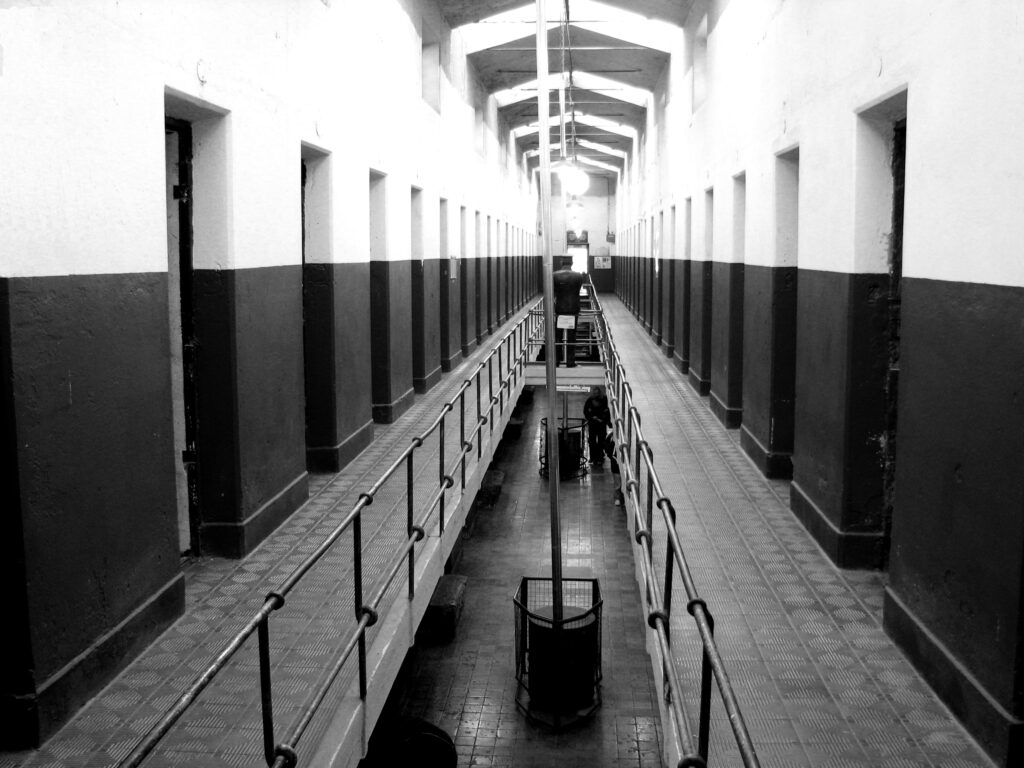
Iraq has launched new investigations into thousands of ISIS detainees transferred from northeastern Syria, including suspects accused of participating in the 2014 Ezidi Genocide. Authorities are rebuilding cases from the beginning as survivors continue to seek accountability and answers for those still missing.
Thousands of ISIS detainees, including suspects accused of genocide and other atrocities against Ezidis, have been transferred from Syria to Iraq as investigations and legal proceedings begin. The move could mark a significant step toward accountability for crimes committed during ISIS rule in Iraq.
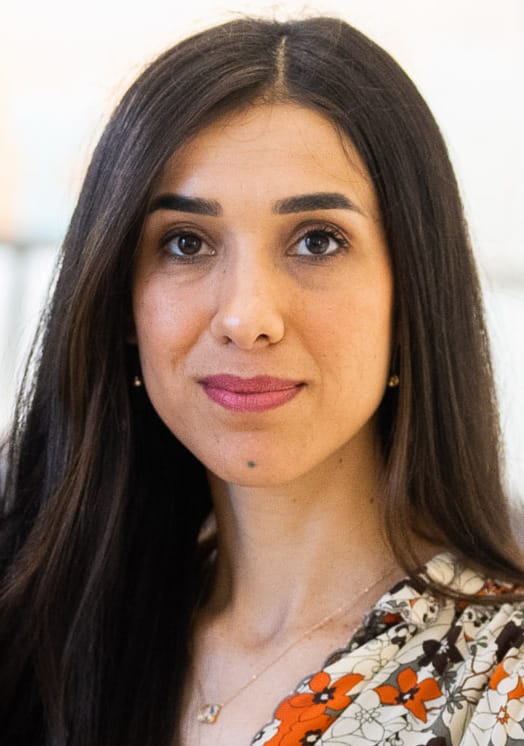
Nadia Murad met with European Parliament President Roberta Metsola in a discussion reinforcing international attention on accountability for the 2014 genocide against Ezidis in Iraq. A survivor of the genocide, Murad has spent the past decade advocating for justice, recognition, and protection for survivors of sexual violence in conflict. The meeting highlights continued engagement between European institutions and global advocates working to ensure that crimes committed against Ezidis and their Sharfadin faith remain recognised and addressed at the international level.
Die Ezidis haben aus Erfahrung gelernt, dass Ignorieren von Warnungen tödlich sein kann. Prävention ist Verantwortung – nicht Alarmismus. Schutz muss jetzt erfolgen, bevor sich die Geschichte wiederholt.
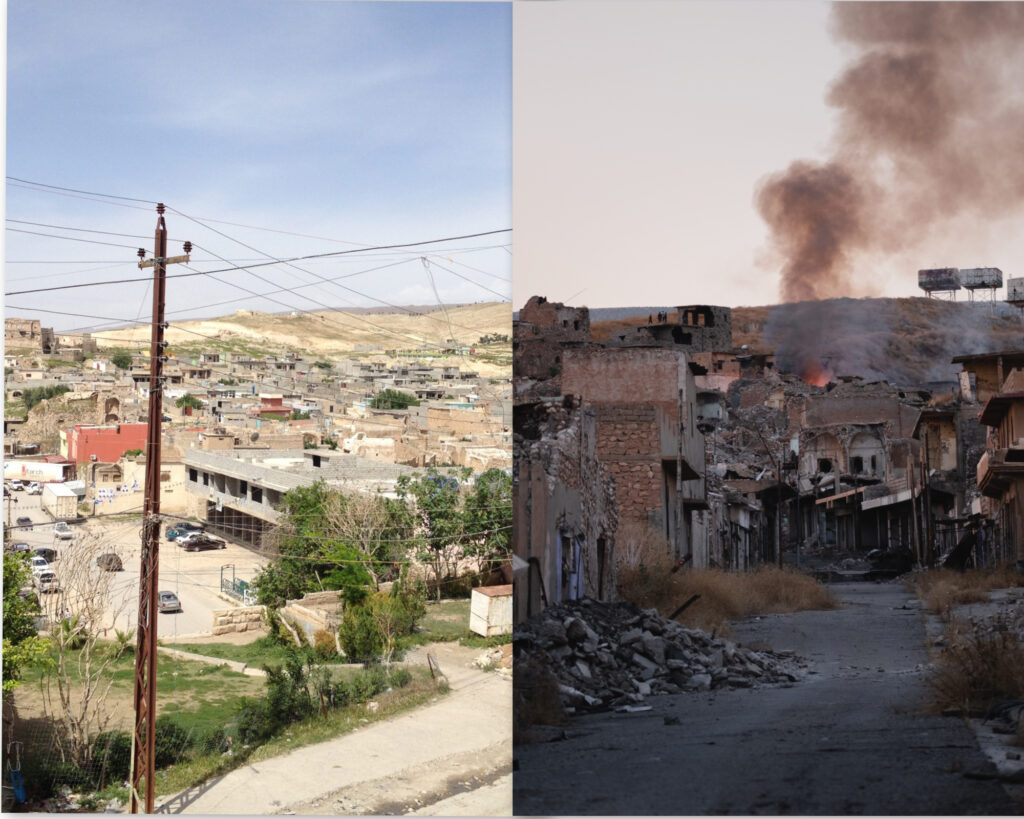
The Ezidis know the consequences of ignored warnings. Ongoing instability in the region, particularly in Sinjar, has renewed serious concerns about safety and protection for a people who have already survived genocide. The conditions that enabled the atrocities of August 3, 2014, have not been fully resolved, leaving Ezidis vulnerable to renewed threats. Protecting Ezidis today is essential not only to acknowledge past crimes, but to prevent history from repeating itself.
Recent military developments along the Syrian-Iraqi border have drawn significant attention in Sinjar, an area that remains deeply marked by the events of 2014. The arrival and positioning of forces aligned with the Syrian state near the border has prompted heightened alert among local defense groups and residents, reflecting longstanding fears shaped by past violence against Ezidis.