Stop Using “Devil” Myths About Ezidis

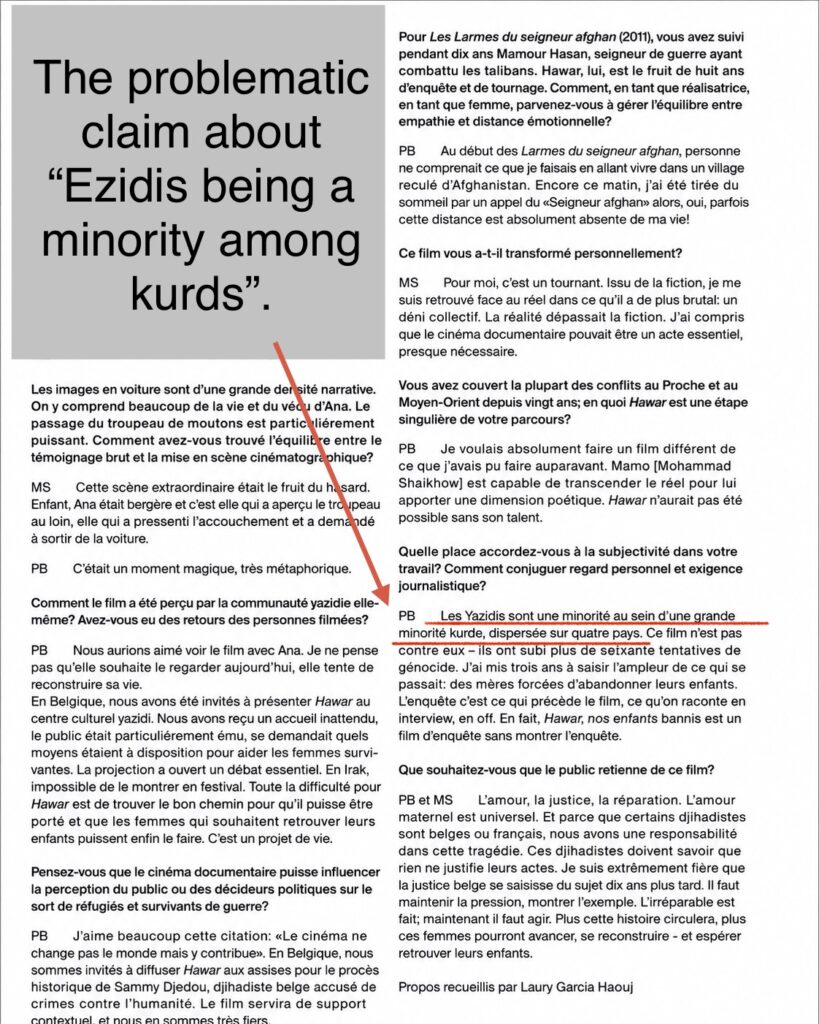
Why are Ezidis still introduced through the false label of “devil worship”? Why are they wrongly presented as part of a Kurdish identity, despite a long history that shows otherwise? And why is the term “Yezidism” used when it does not exist within the religion itself? This article addresses these questions and challenges the narratives that continue to misrepresent the Ezidi people and their religion, Sharfadin.

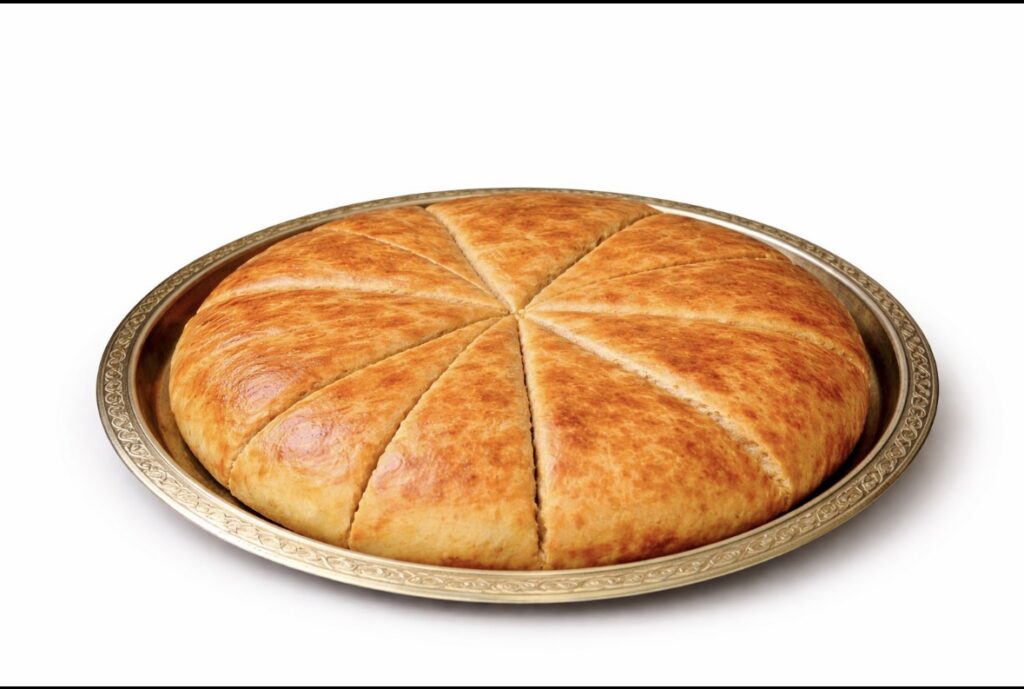
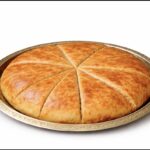
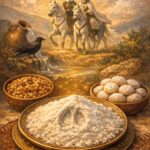
Klocha Sare Sale: The Ezidi Cake Tradition “Kloch” 🥮

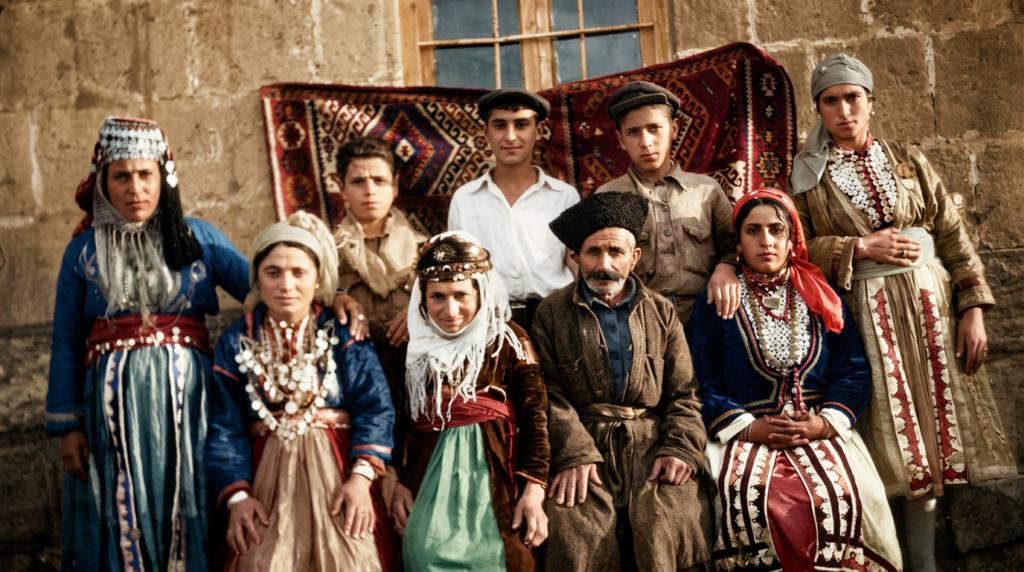
Klocha Sare Sale is a traditional Ezidi New Year cake celebrated mainly among Ezidis from the former Soviet Union. Marking renewal and the arrival of spring, the ritual involves baking a special cake with a hidden bead or coin. During a family gathering, the cake is cut with a symbolic “plough” line and divided—first as offerings to holy beings, then among family members. The person who receives the hidden piece is believed to be blessed for the coming year. Rooted in Sharfadin, the tradition reflects both spiritual meaning and the natural cycle of rebirth.

My Mother Tongue Is Ezdiki

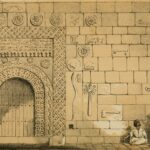
Historical sources show that Ezidis have long referred to their language as Ezdiki, meaning “the language of the Ezidis.” Kurdish is a new term and is the result of political influence and aspirations of creating a “kurdish” nationalistic identity.

Why Don’t You List Ezdiki on Your Profile?

Many Ezidis choose to list their language as Kurdish or Kurmanji because it seems easier when dealing with institutions or people unfamiliar with Ezidis. But doing so risks slowly eroding a history and identity that stretches back thousands of years. One LinkedIn user chose a different path; proudly listing Ezdiki.

Ultimatum Over Shingal: Ezidis Face Renewed Uncertainty as March 10 Deadline Looms

Dissolve by 10 March—or face attack. That was the message delivered to the YBŞ in Mosul, placing Shingal’s Ezidis at another crossroads. For a people still rebuilding after genocide, the prospect of imposed security decisions revives a familiar and dangerous pattern. Ezidi leaders warn that dismantling local defense forces without a binding administrative and security agreement could force new displacement and leave the homeland of Sharfadin exposed once again.

Rudaw’s Obsession with Ezidis: Twisting Truth Across Languages

Rudaw recently published two versions of the same story about a fire at an Ezidi camp—one calling them “Ezidi Kurds” in Turkish, the other “Yazidi” in English. Beyond the inconsistency, the facts differ, raising serious questions about journalistic ethics. Why is there such an obsession with Ezidis, their religion, language, and history? It’s time for media to stop politicizing truth and start reporting honestly.

The Holiday of Xidir Nebî and Xidir Êlyas

The holiday of Xidir Nebî and Xidir Êlyas is one of the most important religious celebrations among Ezidis, honoring two revered saints associated with protection, love, and life. Though venerated across multiple cultures—from Iran to Armenia and beyond—Ezidis maintain distinct traditions that blend sacred texts, local legends, and ancient rituals. The festival involves fasting, special plant-based dishes, and symbolic practices such as pêxûn preparation, hair-cutting for blessings, and matchmaking customs rooted in dreams. Folk celebrations include communal gatherings, ceremonial songs, and playful rituals like dolidang, connecting spiritual devotion with social cohesion. Across history, Xidir and Êlyas have absorbed traits from pre-Islamic and pre-Christian myths, linking Ezidi practice to ancient regional narratives of divine guidance and the quest for life-giving waters.

Expondo as Mentiras Sobre “O Apoio dos Curdos aos Ezidis”

Rudaw afirma que os Ezidis são “curdos”, repetindo a tentativa de longa data de Neçirvan Barzani e do KRG de cooptar nossa identidade. Os Ezidis são um grupo étnico separado, seguidores do Sharfadin, com nossa própria história, direitos e voz. A Alemanha apoia os Ezidis deslocados porque é sua responsabilidade, não por causa de Barzani. Chamar-nos de “Ezidis Curdos” apaga nossa identidade, esconde décadas de marginalização e tenta nos usar para ganho político. Os Ezidis são independentes, e nenhum político ou meio de comunicação pode reescrever nossa história ou tirar nosso futuro.

Exponiendo las Mentiras Kurdas Sobre el “Apoyo a los Ezidis”

Rudaw afirma que los Ezidis son “kurdos”, repitiendo el intento de larga data de Neçirvan Barzani y del KRG de cooptar nuestra identidad. Los Ezidis son un grupo étnico separado, seguidores de Sharfadin, con nuestra propia historia, derechos y voz. Alemania apoya a los Ezidis desplazados porque es su responsabilidad, no por Barzani. Llamarnos “Ezidis kurdos” borra nuestra identidad, oculta décadas de marginación e intenta utilizarnos para fines políticos. Los Ezidis somos independientes, y ningún político ni medio de comunicación puede reescribir nuestra historia ni arrebatarnos nuestro futuro.

Dénoncer les mensonges sur les Ezidis et leur prétendu « soutien kurde »

Rudaw prétend que les Ezidis sont des « Kurdes », répétant la tentative de longue date de Neçirvan Barzani et du KRG de s’approprier notre identité. Les Ezidis constituent un groupe ethnique distinct, fidèles au Sharfadin, avec leur propre histoire, leurs droits et leur voix. L’Allemagne soutient les Ezidis déplacés parce que c’est sa responsabilité, pas à cause de Barzani. Les qualifier de « Yézidis kurdes » efface notre identité, masque des décennies de marginalisation et tente de nous instrumentaliser à des fins politiques. Les Ezidis sont indépendants, et aucun politicien ni média ne peut réécrire notre histoire ou nous voler notre avenir.