Sinuni: A Town Whose Name Carries a People’s Memory

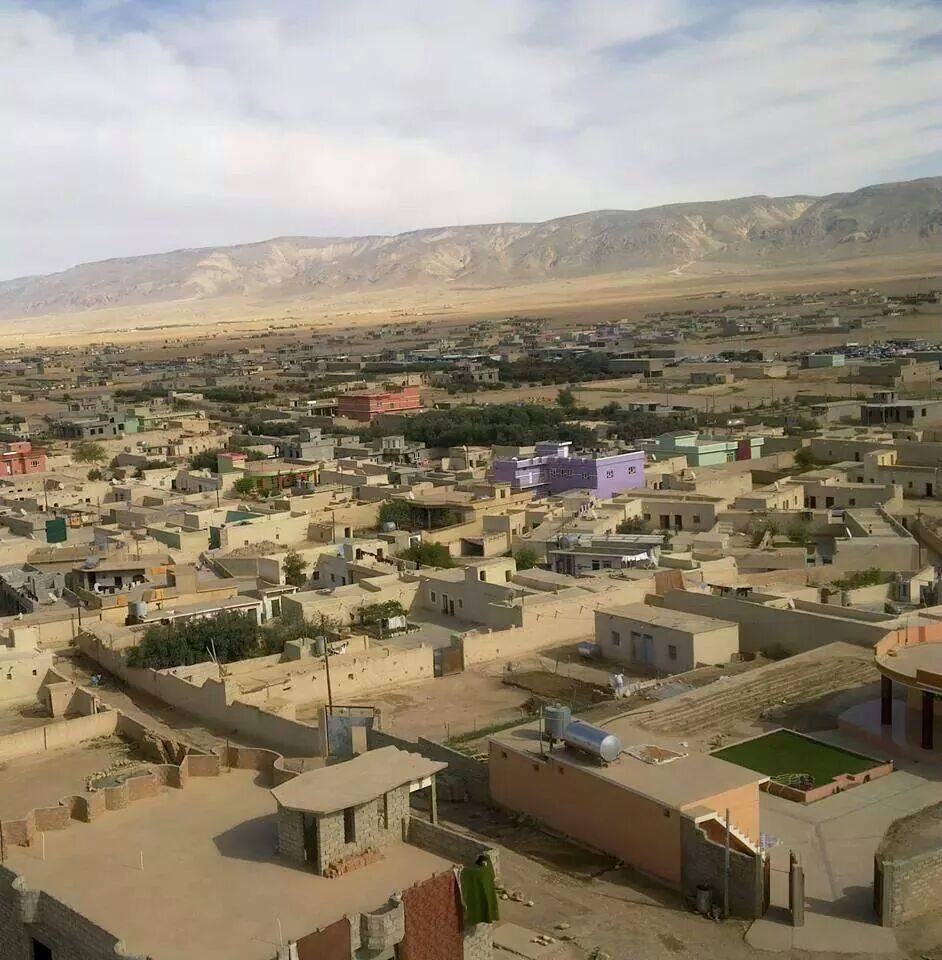
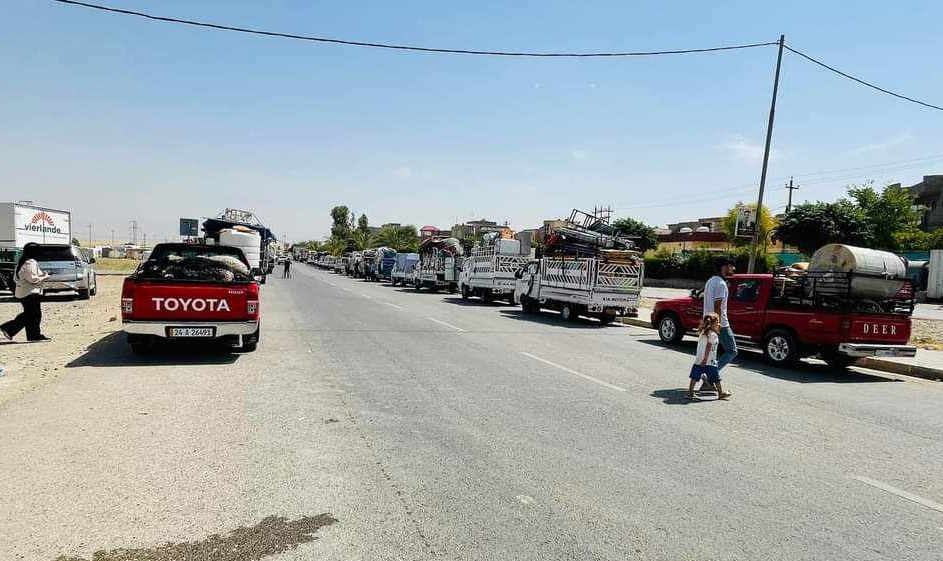
Sinuni, whose name means “our spring” in the Ezidi language, is one of the central towns of the Sinjar region. Once known for its quiet rural life, it was devastated during the 2014 ISIS genocide. Today, Ezidis continue to rebuild it house by house, field by field. Sinuni stands as a place where loss, memory, and resilience meet — a reminder that even after destruction, renewal is possible.

Nadia Murad Honored with Doctorate in Peru for Her Work Defending Human Rights

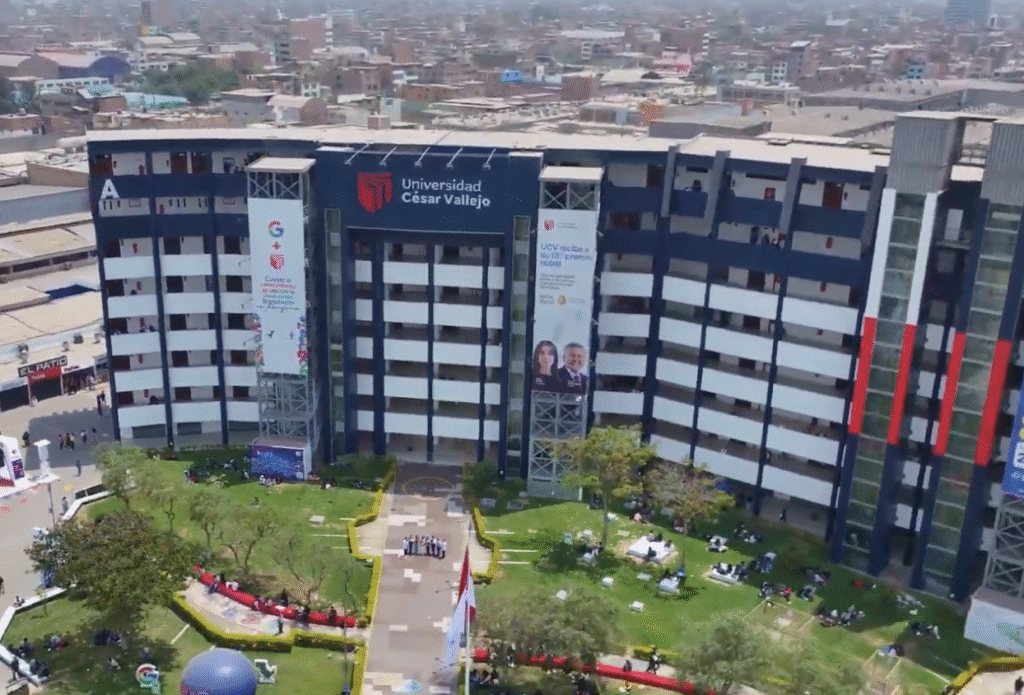
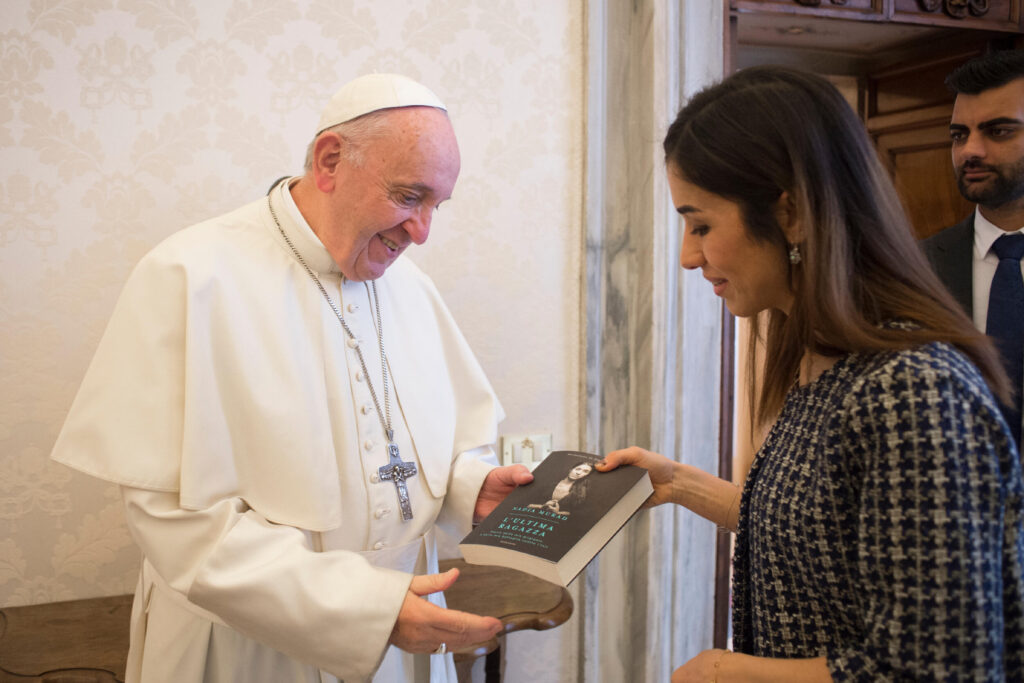
Nadia Murad has been awarded an honorary doctorate by César Vallejo University in Peru for her global advocacy against sexual violence in conflict and her ongoing work for Ezidi survivors. During the university’s 34th anniversary ceremony, Murad highlighted the power of education in rebuilding lives after genocide — a message that continues to resonate more than a decade after the 2014 atrocities.

Los ezidíes exigen representación en las próximas elecciones de Irak

A medida que Irak se prepara para las elecciones parlamentarias del 11 de noviembre, la comunidad ezidí exige una representación auténtica tras años de desplazamiento y marginación. Con la creación de la Alianza por la Causa Ezidí, los candidatos buscan superar los límites del escaño de cuota y construir una voz política independiente que refleje la voluntad y la dignidad del pueblo ezidí.

Iraq’s Water Crisis Uncovers Traces of Ezidi Heritage Alongside Ancient Tombs

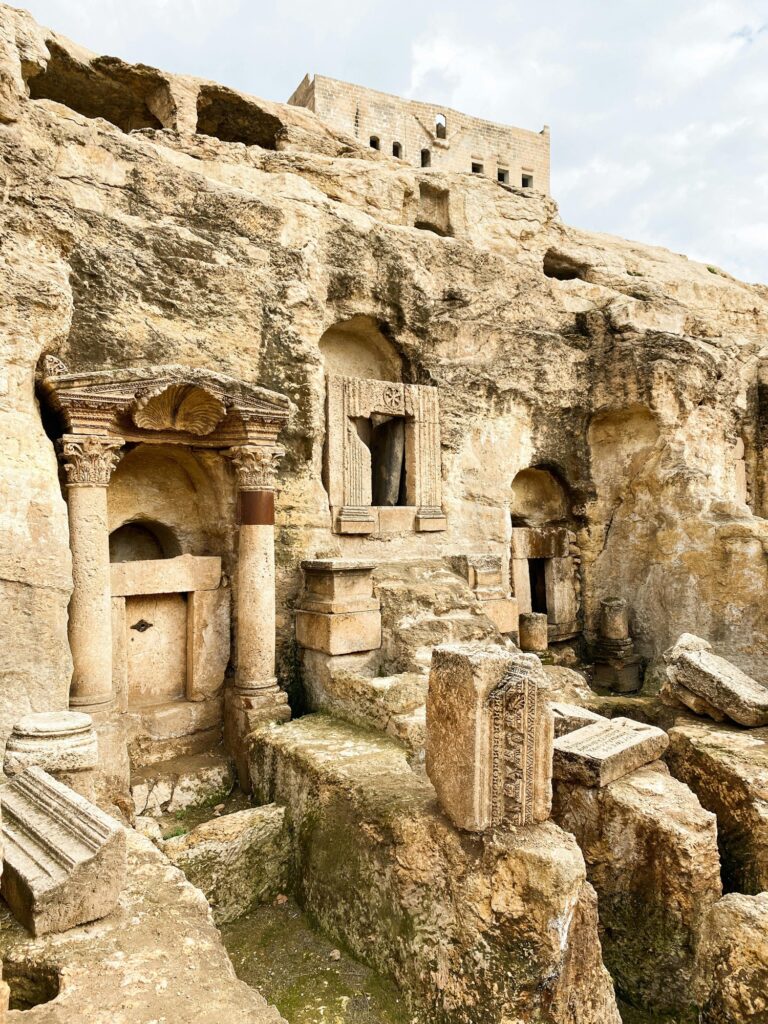
As the Mosul Dam reservoir recedes to its lowest levels in nearly a century, archaeologists are uncovering not only 2,300-year-old Hellenistic tombs but also traces of Ezidi heritage once submerged beneath the Tigris. In recent years, a long-hidden Ezidi village, a 1961 tomb, and even a school in Hanke have resurfaced, reminding the world that Ezidi history in northern Mesopotamia — tied to the faith of Sharfadin — cannot be erased by dams, drought, or displacement.

Nouvelle sortie de Diana Kalashova : « SISTER » – Un hommage à la famille, à l’amitié et à ses racines ézidies

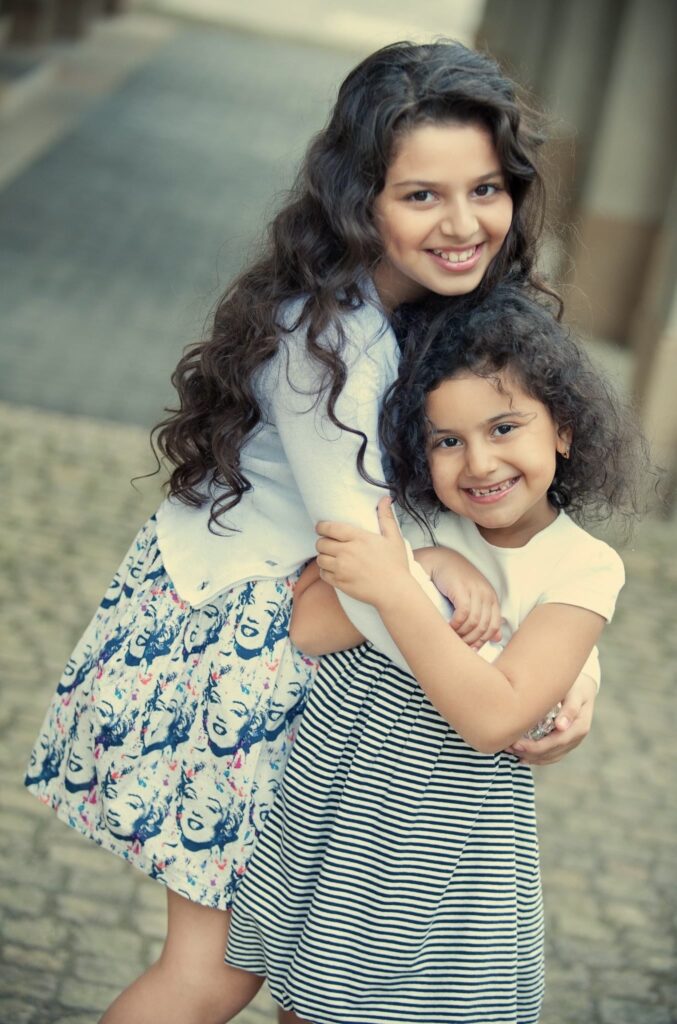
Dans sa nouvelle chanson « SISTER », Diana Kalashova livre un hommage intime à sa sœur, à sa famille et à ses racines Ézidies. Chantée en ezdiki et coécrite avec plusieurs membres de sa famille, cette œuvre émotive incarne l’amour fraternel, la mémoire intergénérationnelle et la richesse culturelle du peuple Ézidi. Dans une interview exclusive avec Ezidi Times, Diana dévoile les coulisses du processus créatif et l’importance de rester fidèle à ses origines à travers la musique.

Without Educated Girls – There Is No Ezdixan

Having more educated and well-established individuals benefits all Ezidis (mlete Ezdia) across the world. With more empowered Ezidis, we stand a better chance of protecting ourselves, having our voices heard internationally, and perhaps even achieving our collective dream of rebuilding our ancestral homeland, Ezdixan. But we cannot achieve this by relying solely on men. We need both male and female Ezidis who are educated, respected, and hold high-level positions. That is the path to true success and prosperity. Forcing girls into early marriages solely to bear children—children who, due to a lack of access to proper education and career development, are unlikely to become strong contributors to our society—while expecting men to shoulder all the burden, is naïve. Just look at any successful nation: observe how their women equally contribute to solving collective problems. See how strong and prosperous those societies are.