

A Response to İkbal Dürre: Why Ezidis in Russia Are Not Counted in Kurdish Demographic Statistics

This article responds to İkbal Dürre’s claims about why Ezidis in Russia are not counted within Kurdish demographic statistics. Ezidis identify as Ezidi, not Kurdish, and Russia records them accordingly. Labeling them as Kurds ignores their distinct identity, their Sharfadin faithh. Ezidis reached Russia after the 1915 genocide that the kurds cmmited againt them.

27 November 2025 — Olive Harvest Begins in Lalish, Iraq

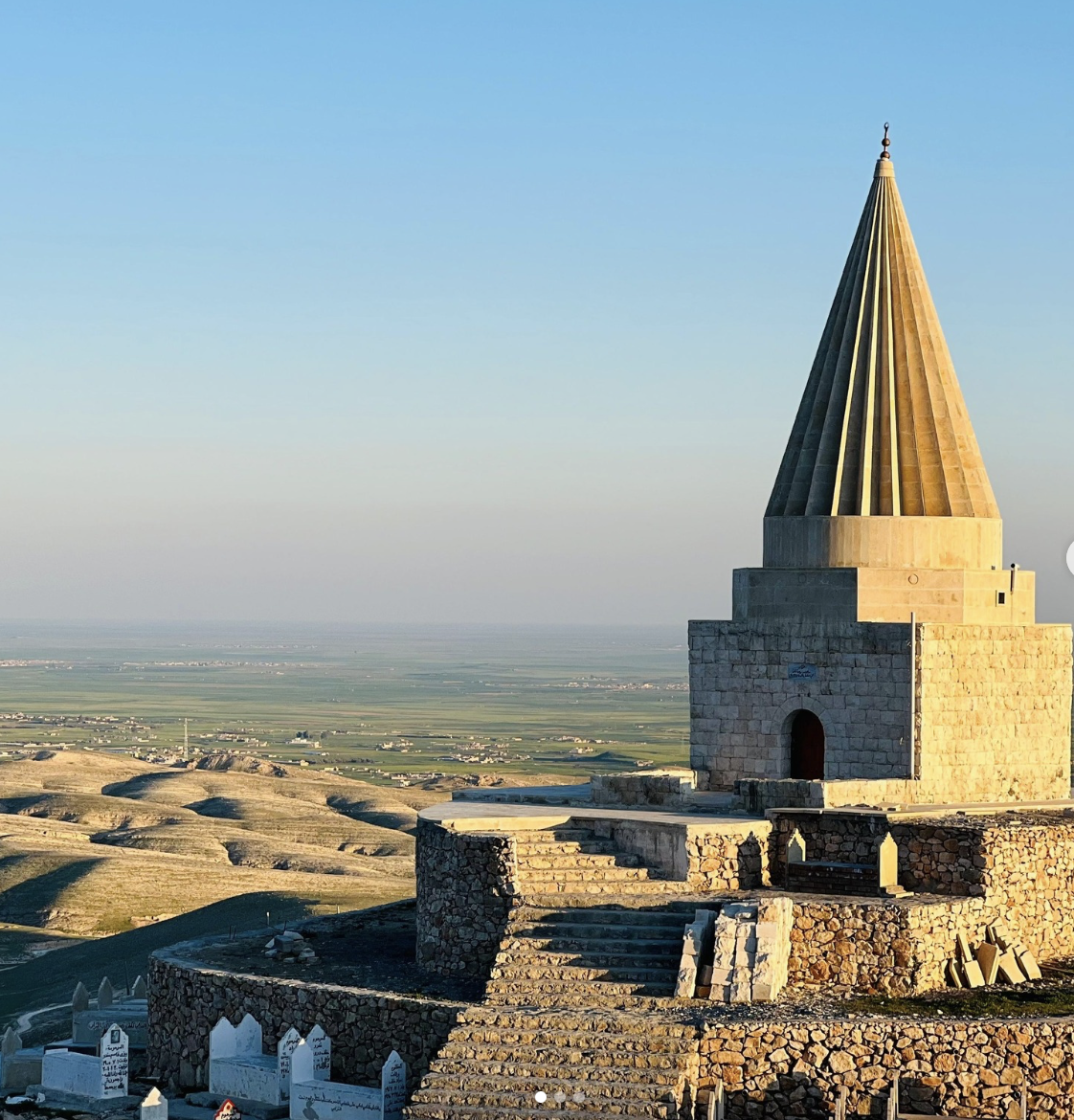
The annual olive harvest in the sacred valley of Laleş begins on 27 November, as Ezidis gather olives that will become the oil to light every lamp of the temple. This centuries-old ritual brings the community together — men shaking the branches, women collecting the fruit, and temple workers preparing the oil that fuels the 365 lamps, a symbol of Sharfadin’s enduring light. Amid a year of drought, the harvest continues, linking the valley, its people, and the rhythms of the sacred season. In December, the lamps burn as the community looks toward winter celebrations: Aida Êzîd, Aida Xwudane (male), and Aida Sêsims.

Belgium to hold first genocide trial for crimes against Ezidis

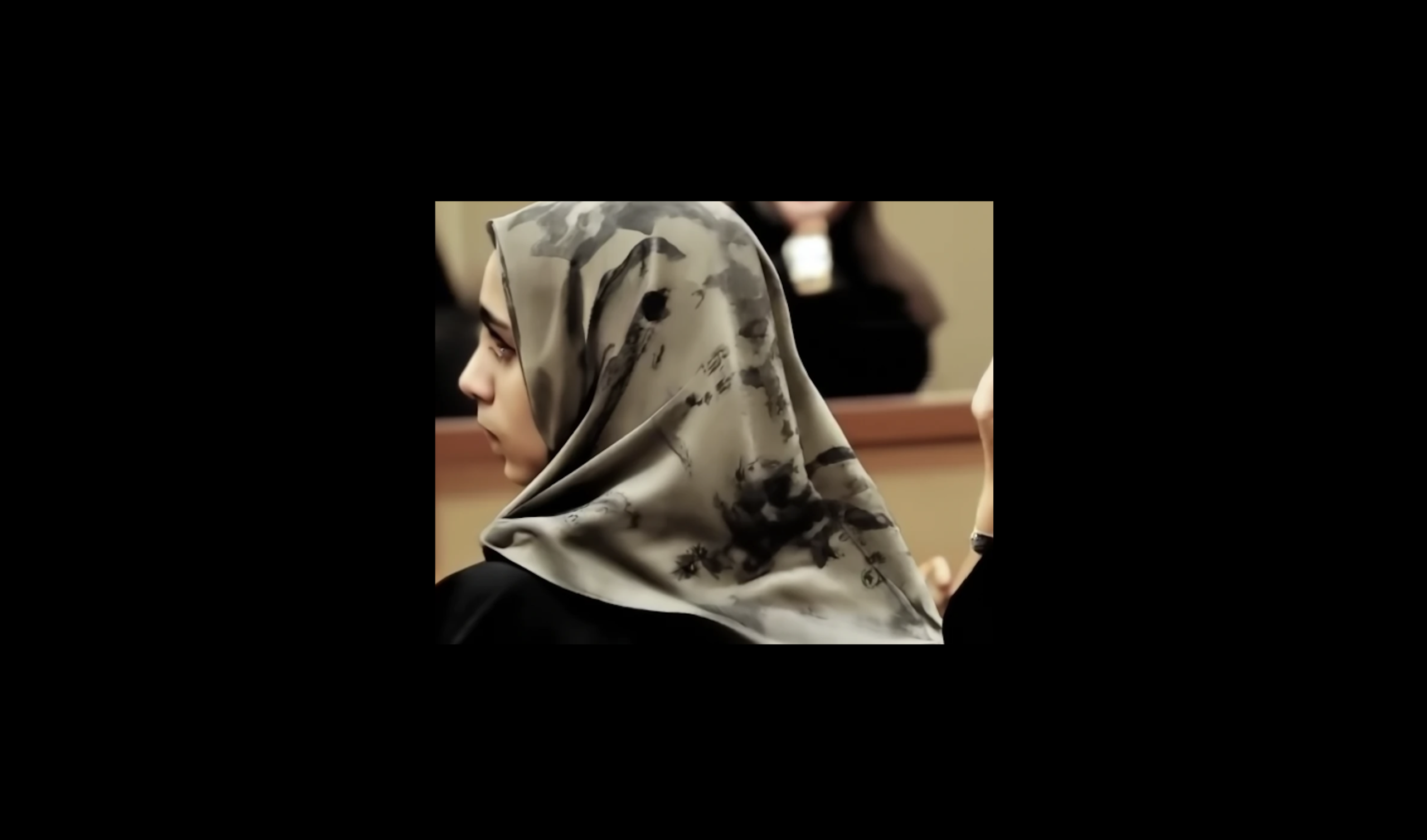
Belgium is set to hold its first-ever trial for genocide against the Ezidi people, as IS fighter Sammy Djedou faces charges in absentia for murder, rape, and sexual enslavement. For the survivors who will testify, the courtroom is more than a legal stage — it is a rare space to confront the violence that shattered their lives and to assert that the world cannot forget the genocide against the Ezidis.

Los ezidíes exigen representación en las próximas elecciones de Irak

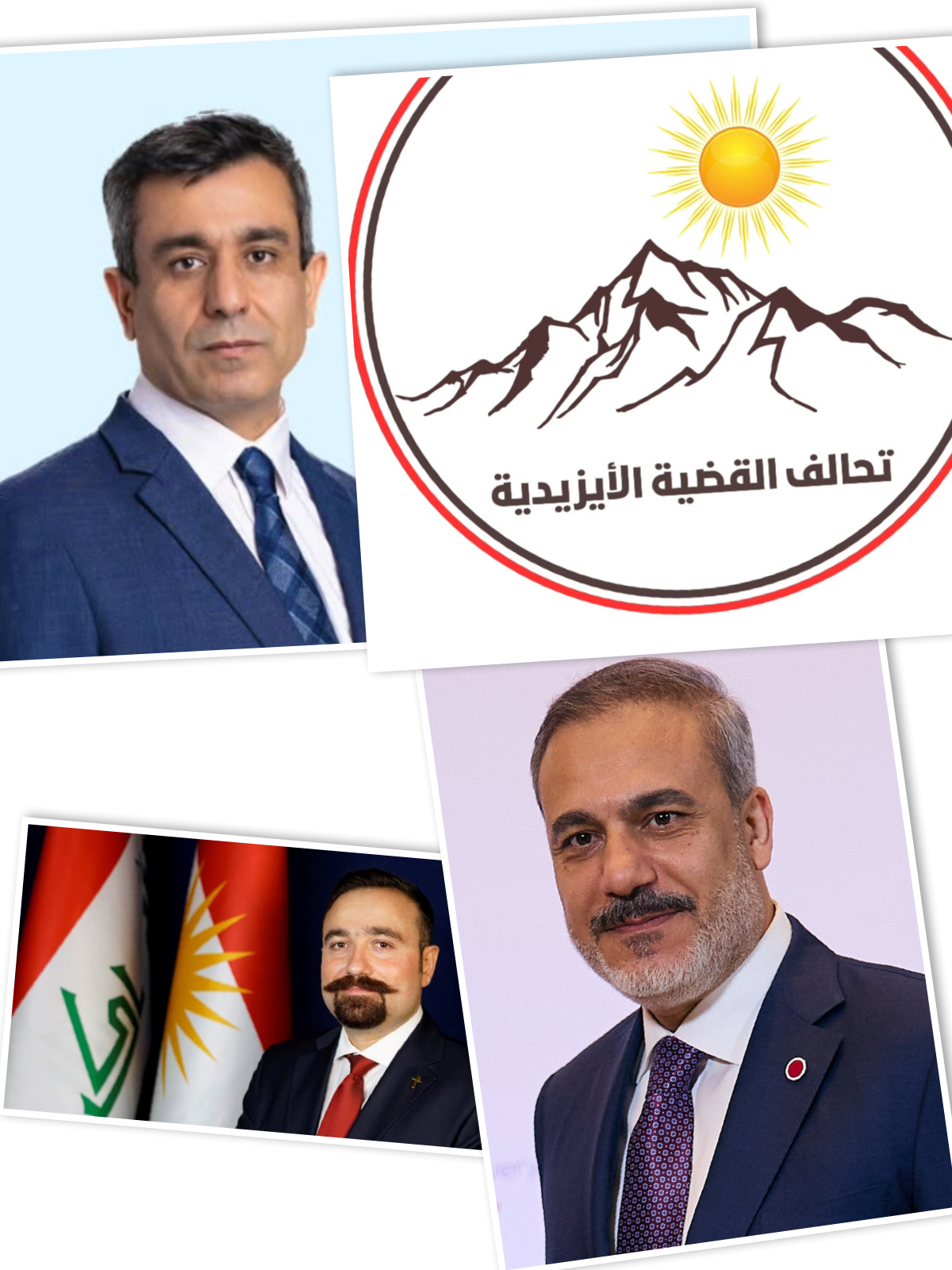
A medida que Irak se prepara para las elecciones parlamentarias del 11 de noviembre, la comunidad ezidí exige una representación auténtica tras años de desplazamiento y marginación. Con la creación de la Alianza por la Causa Ezidí, los candidatos buscan superar los límites del escaño de cuota y construir una voz política independiente que refleje la voluntad y la dignidad del pueblo ezidí.

Ezidisch ontwerp op Koerdische catwalk: respect of culturele toe-eigening?

Toen een Koerdische ontwerper een traditionele Ezidische jurk op de catwalk in Milaan presenteerde, prezen velen dit gebaar als een teken van inclusie. Maar is het echt erkenning — of toe-eigening? Voor Ezidi Times gaat de vraag dieper: waarom moeten Ezidi’s afhankelijk zijn van anderen om hun tradities te laten zien, en wat betekent het wanneer hun erfgoed wordt opgenomen in een breder Koerdisch narratief? Het gaat hier niet alleen om mode, maar om het voortbestaan van de identiteit van een oud volk.

Design Ezidi na Passarela Curda: Respeito ou Apropriação Cultural?

Quando uma estilista curda apresentou um vestido tradicional Ezidi na passarela em Milão, muitos aplaudiram o gesto como sinal de inclusão. Mas será que é realmente reconhecimento — ou apropriação? Para o Ezidi Times, a questão é mais profunda: por que os Ezidis precisam depender de outros para mostrar suas tradições, e o que significa quando sua herança é absorvida em uma narrativa curda mais ampla? Está em jogo não apenas a moda, mas a sobrevivência da identidade de um povo antigo.

Ezidisk design på kurdisk catwalk: Respekt eller kulturel appropriation?

Da en kurdisk designer præsenterede en traditionel ezidisk kjole på catwalken i Milano, hyldede mange gestussen som et tegn på inklusion. Men er det virkelig anerkendelse – eller appropriation? For Ezidi Times går spørgsmålet dybere: hvorfor skal ezidier stole på andre for at vise deres traditioner, og hvad betyder det, når deres arv opslugt af en bredere kurdisk fortælling? Det, der står på spil, er ikke kun mode, men overlevelsen af et gammelt folks identitet.

Ezidisk design på kurdisk catwalk: Respekt eller kulturell appropriering?

När en kurdisk designer presenterade en traditionell ezidisk klänning på catwalken i Milano applåderade många gesten som ett tecken på inkludering. Men är det verkligen erkännande – eller appropriering? För Ezidi Times går frågan djupare: varför måste ezider förlita sig på andra för att visa sina traditioner, och vad betyder det när deras kulturarv absorberas in i en bredare kurdisk berättelse? Det som står på spel är inte bara mode, utan överlevnaden av ett uråldrigt folks identitet.

Kürt Podyumunda Ezidi Tasarımı: Saygı mı, Kültürel Özgürleşme mi?

Bir Kürt tasarımcı Milan podyumunda geleneksel bir Ezidi elbisesi sunduğunda, birçok kişi bunu kapsayıcılığın bir işareti olarak alkışladı. Peki bu gerçekten bir tanıma mı, yoksa sahiplenme mi? Ezidi Times için mesele daha derin: Ezidiler neden geleneklerini başkalarına göstermek zorunda kalıyor ve mirasları daha geniş bir Kürt anlatısına dahil edildiğinde ne anlama geliyor? Sadece moda değil, kadim bir halkın kimliğinin hayatta kalması söz konusu.

تصميم إزيدي على منصة عرض أزياء كردية: احترام أم سرقة ثقافية؟

عندما عرضت مصممة كردية فستانًا إزيديًا تقليديًا على منصة العرض في ميلانو، وصف الكثيرون هذا التصرف بأنه علامة على الشمولية. لكن هل هو حقًا تقدير أم سرقة ثقافية؟ بالنسبة لـ Ezidi Times، السؤال أعمق: لماذا يعتمد الإزيديون على الآخرين لعرض تقاليدهم، وماذا يعني عندما يتم دمج تراثهم ضمن السرد الكردي الأوسع؟ القضية لا تتعلق فقط بالموضة، بل ببقاء هوية شعب قديم.

Ezidisches Design auf kurdischem Laufsteg: Respekt oder kulturelle Aneignung?

Als eine kurdische Designerin in Mailand ein traditionelles ezidisches Kleid auf dem Laufsteg präsentierte, applaudierten viele und sahen darin ein Zeichen der Anerkennung. Doch ist es wirklich Wertschätzung – oder vielmehr Aneignung? Für Ezidi Times geht die Frage tiefer: Warum müssen Eziden darauf warten, dass andere ihre Traditionen zeigen, und was bedeutet es, wenn ihr Erbe in eine breitere kurdische Erzählung eingegliedert wird? Hier geht es nicht nur um Mode, sondern um das Überleben der Identität eines uralten Volkes.

Ezidi Design on Kurdish Catwalk: Respect or Cultural Appropriation?

When a Kurdish designer presented a traditional Ezidi dress on the runway in Milan, many applauded the gesture as a sign of inclusion. But is it really recognition—or appropriation? For Ezidi Times, the question runs deeper: why must Ezidis rely on others to showcase their traditions, and what does it mean when their heritage is absorbed into a broader Kurdish narrative? At stake is not just fashion, but the survival of an ancient people’s identity.

Языки меньшинств в Армении: достижения и вызовы для езидов и других общин

Армения добилась заметного прогресса в поддержке языкового разнообразия, включая езидский, ассирийский и греческий языки, однако остаются проблемы с их полноценной защитой и образовательными возможностями. Доклад Совета Европы подчёркивает необходимость расширения преподавания, медийного представления и институциональной поддержки, чтобы сохранить езидский язык и культурное наследие для будущих поколений.