

Ezidi Times Is Looking for Writers

Ezidi Times is looking for writers, interns, students, and journalists interested in covering Ezidi news, culture, history, law, society, and global topics relevant to Ezidis. Applications are open until 31 August 2026 and should include a CV and personal letter sent to info@eziditimes.com.
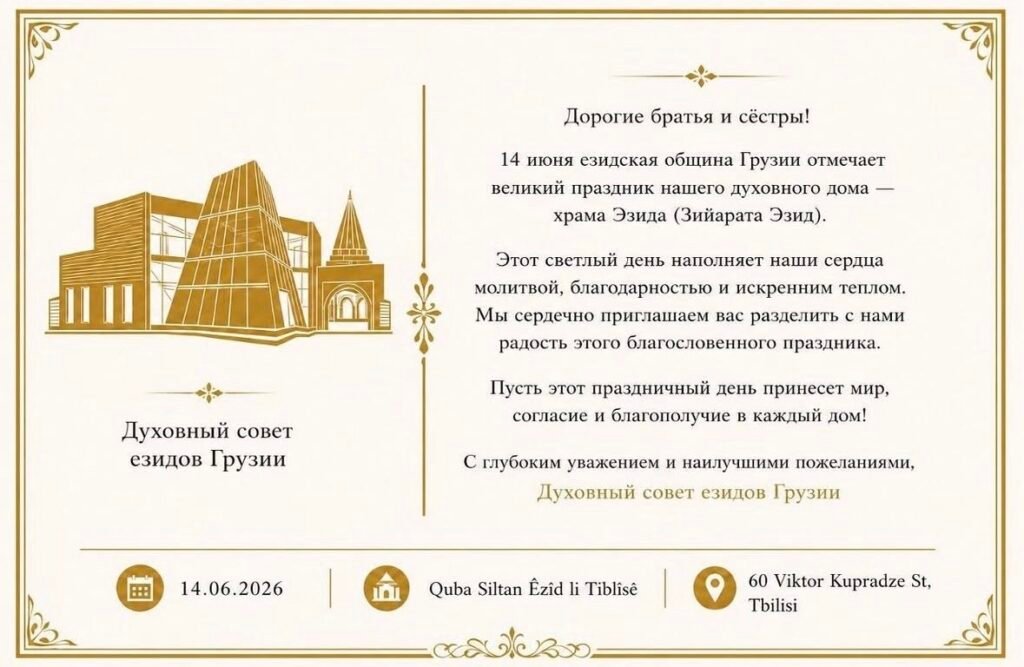
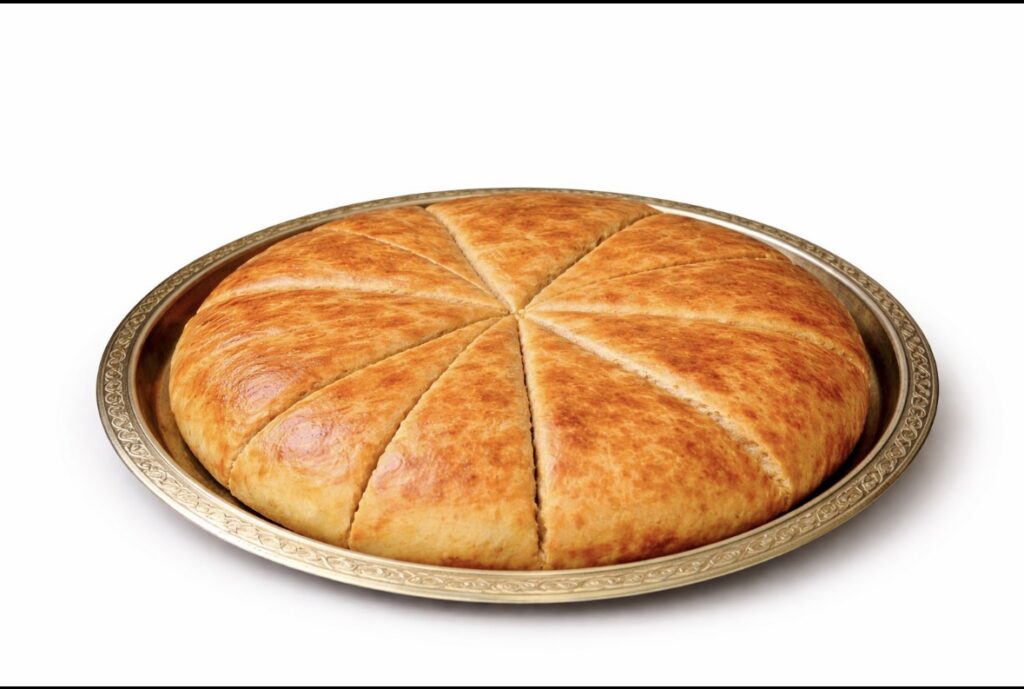
Klocha Sare Sale: The Ezidi Cake Tradition “Kloch” 🥮

Klocha Sare Sale is a traditional Ezidi New Year cake celebrated mainly among Ezidis from the former Soviet Union. Marking renewal and the arrival of spring, the ritual involves baking a special cake with a hidden bead or coin. During a family gathering, the cake is cut with a symbolic “plough” line and divided—first as offerings to holy beings, then among family members. The person who receives the hidden piece is believed to be blessed for the coming year. Rooted in Sharfadin, the tradition reflects both spiritual meaning and the natural cycle of rebirth.

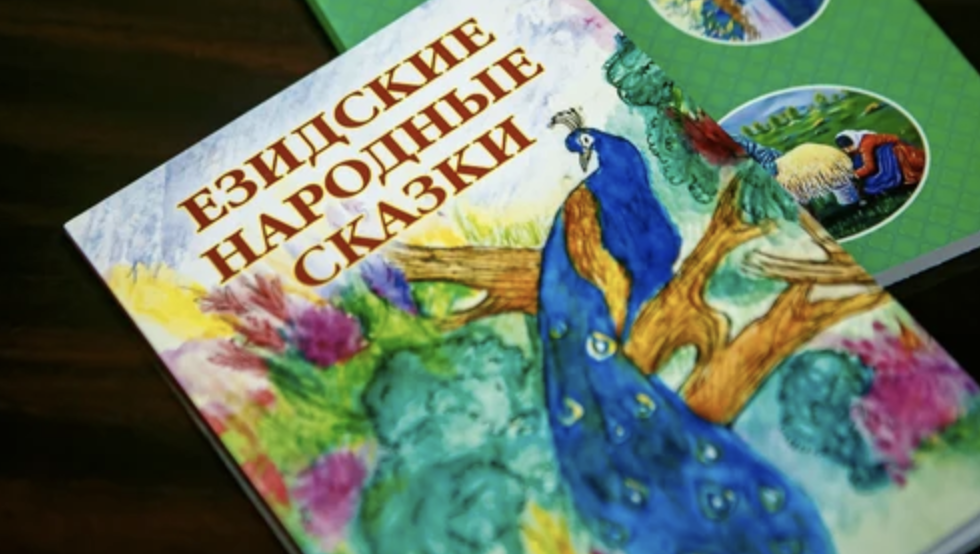
Introducing Russian Children to Ezidi Culture Through Fairy Tales

A new Russian-language book, Ezidi Folk Tales, opens a window into the rich culture and traditions of the Ezidi people. Published by Mesopotamia under the leadership of Samvel Saidovich Mstoyan, with illustrations by Aida Mstoyan, the collection brings centuries-old stories and values to life, introducing Russian children to the history, customs, and worldview of one of the world’s oldest peoples.

Cultural and Identity Theft Happening Right in Front of Our Noses

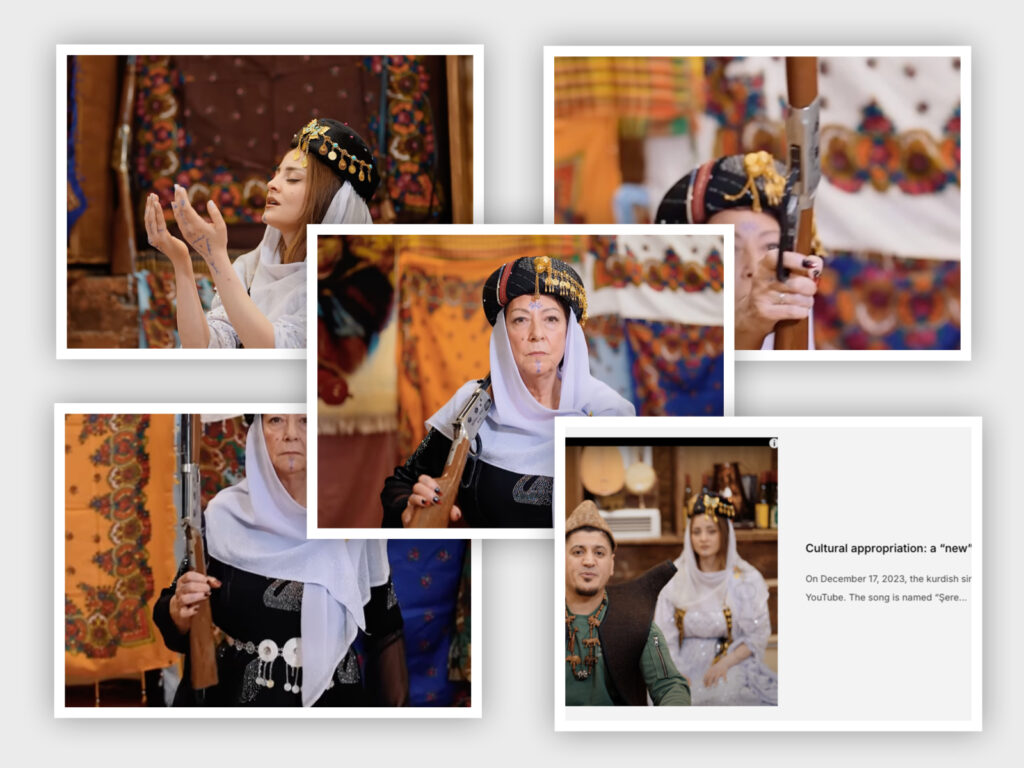
In 2023, Ezidi Times published an article raising concerns about a Kurdish singer using Ezidi traditional clothing in a music video and presenting it as “Kurdish.”
The video shows women in Ezidi attire dancing with weapons, portraying a peaceful and sacred culture in a violent, distorted way — and even attempts to include Ezidis under an artificially constructed “Kurdish” identity.
This is more than cultural appropriation — it is cultural and identity theft happening right before our eyes. The problem still remains and deserves far more attention. The article explores why this matters and is a big issue.

27 November 2025 — Olive Harvest Begins in Lalish, Iraq

The annual olive harvest in the sacred valley of Laleş begins on 27 November, as Ezidis gather olives that will become the oil to light every lamp of the temple. This centuries-old ritual brings the community together — men shaking the branches, women collecting the fruit, and temple workers preparing the oil that fuels the 365 lamps, a symbol of Sharfadin’s enduring light. Amid a year of drought, the harvest continues, linking the valley, its people, and the rhythms of the sacred season. In December, the lamps burn as the community looks toward winter celebrations: Aida Êzîd, Aida Xwudane (male), and Aida Sêsims.