
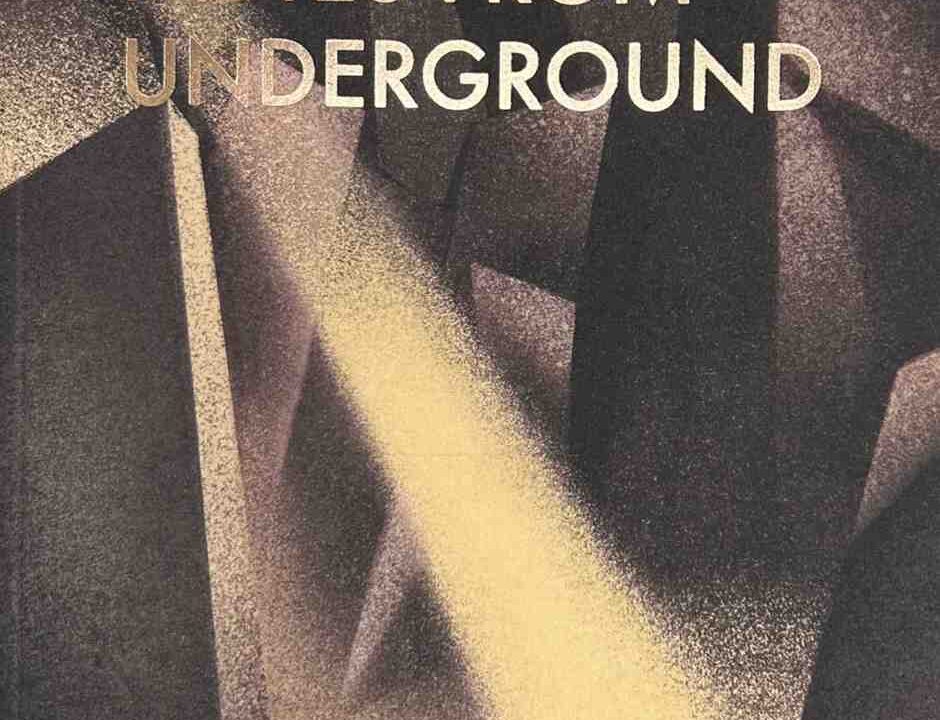
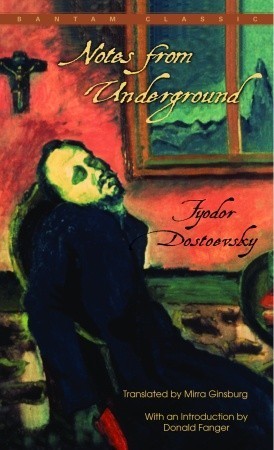
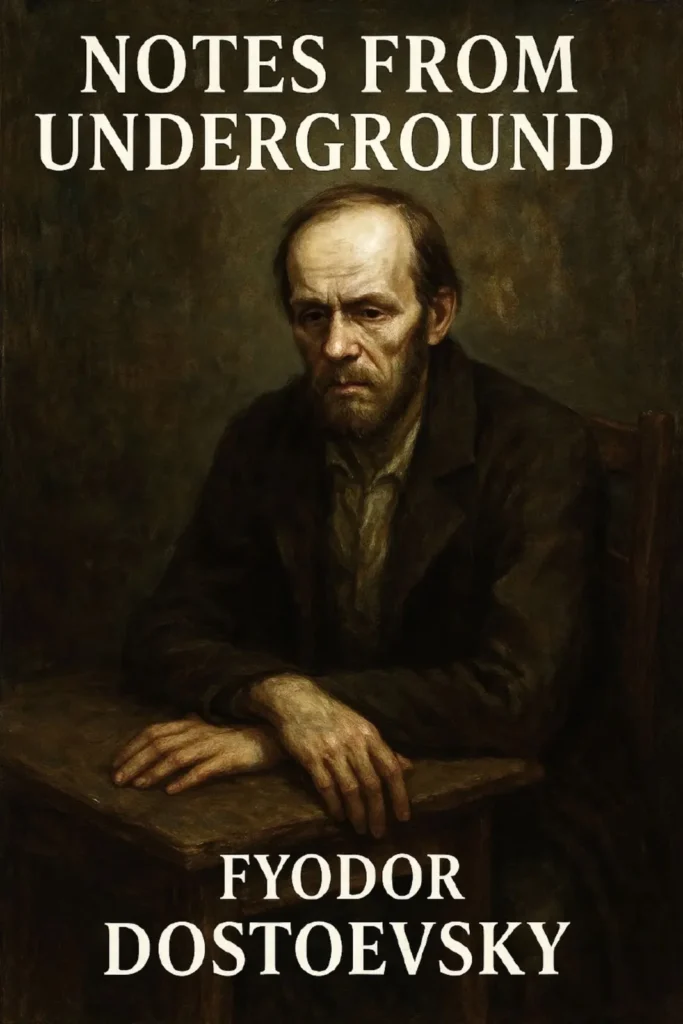
First published in 1864, Notes from Underground is a philosophical novella by Russian author Fyodor Dostoevsky. Widely regarded as one of the earliest works of existentialist literature, the book follows an unnamed former civil servant living in isolation in St. Petersburg as he reflects on free will, human nature, suffering and the contradictions of the human mind. Rather than relying on action or plot, Dostoevsky explores the narrator’s inner conflicts, creating a psychological portrait that continues to influence philosophy, psychology and literature more than 160 years after its publication.
Recommended for: Readers interested in psychology, philosophy, and dark, introspective literature.
This book is incredibly powerful. It’s not about the plot, but about psychology. It raises deep philosophical questions, and one of the most beautiful things about Dostoevsky’s writing is how modern it feels. Even though it’s a classic, it speaks directly to feelings of alienation, overthinking, self-hatred, and the search for meaning—struggles that many people still experience today.
I highly recommend it to anyone who wants to dive into philosophy. I think reading the classics is a great place to start.
One quote that truly stayed with me is:
“Too much awareness is a disease, a real, dangerous one.”
Because when you see too much, understand too much, and feel too deeply, the world stops being simple. And sometimes, that becomes unbearable.
Another idea that stayed with me was:
“What is a human being without desires? Without free will, without choice?”
“As if he wanted to assert his idea that all human actions ultimately come down to one thing: a person constantly proving to himself that he is a human being and not a piano key.”
Notes from Underground is a deeply psychological and unsettling novel that explores the mind of a bitter, isolated narrator. Instead of following a traditional plot, Dostoevsky focuses on inner conflict, self-contradiction, and the darker side of human nature.
Fyodor Dostoevsky challenges the idea that humans are rational, showing how people often act against their own interests out of pride or the need to feel free. His thoughts are chaotic and uncomfortable, yet strangely honest.
And perhaps the most important question the book leaves you with is:
What is a human being without desires? Without free will, without choice?