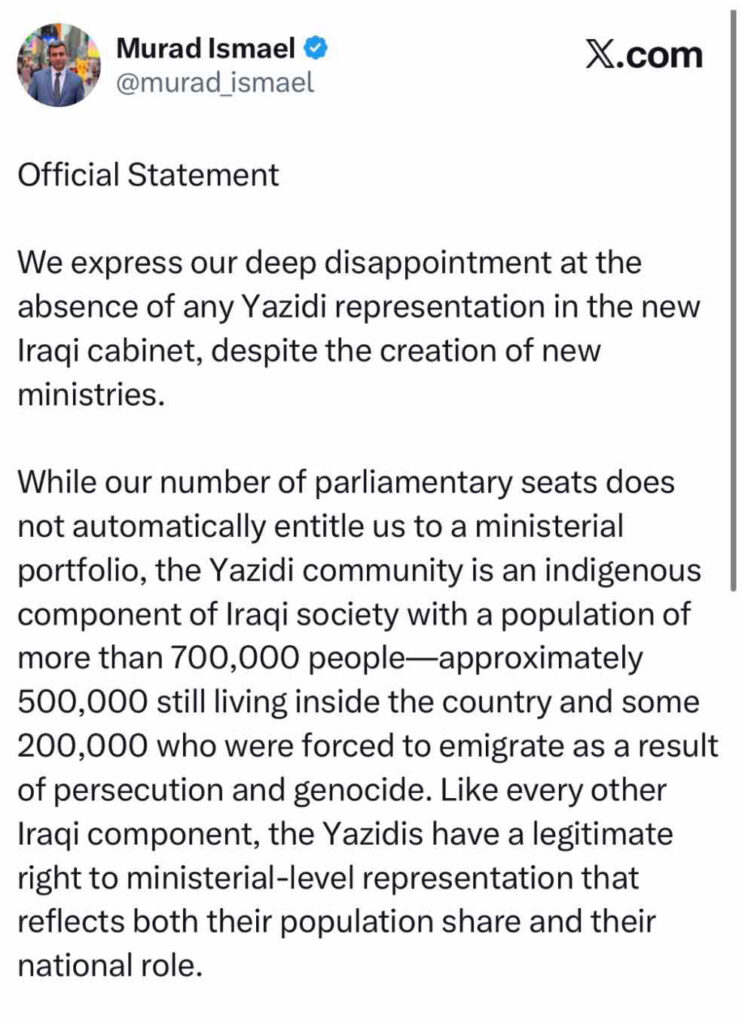
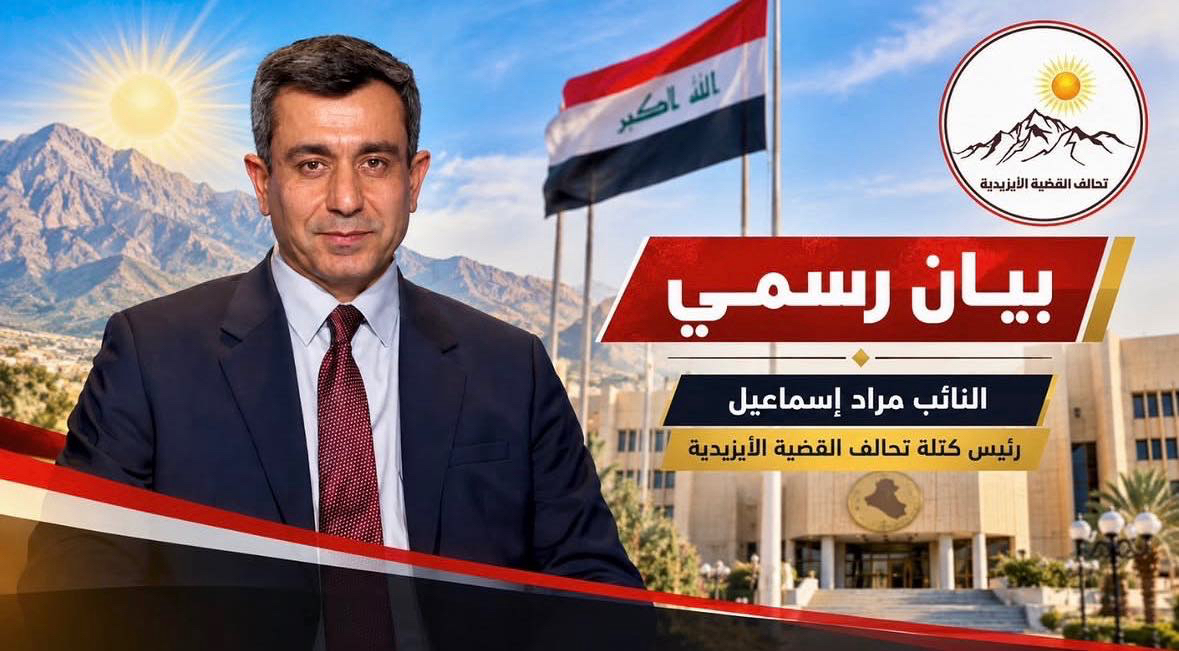
Ezidi MP Murad Ismael has called on Iraqi Prime Minister Ali al-Zaidi to provide meaningful representation for the Ezidi people across state institutions after no Ezidi was included in the country’s new ministerial formation.
Ismael, who heads the parliamentary Ezidi Cause Alliance bloc, issued the statement on 13 October 2026 as Iraq continued filling government positions and creating additional ministries. He expressed deep disappointment that the expansion of the cabinet had not resulted in any Ezidi being appointed as a minister.
The lawmaker acknowledged that the number of parliamentary seats held by his bloc does not automatically entitle it to control a ministry. He argued, however, that ministerial representation should not be determined solely by the strength of parliamentary blocs.
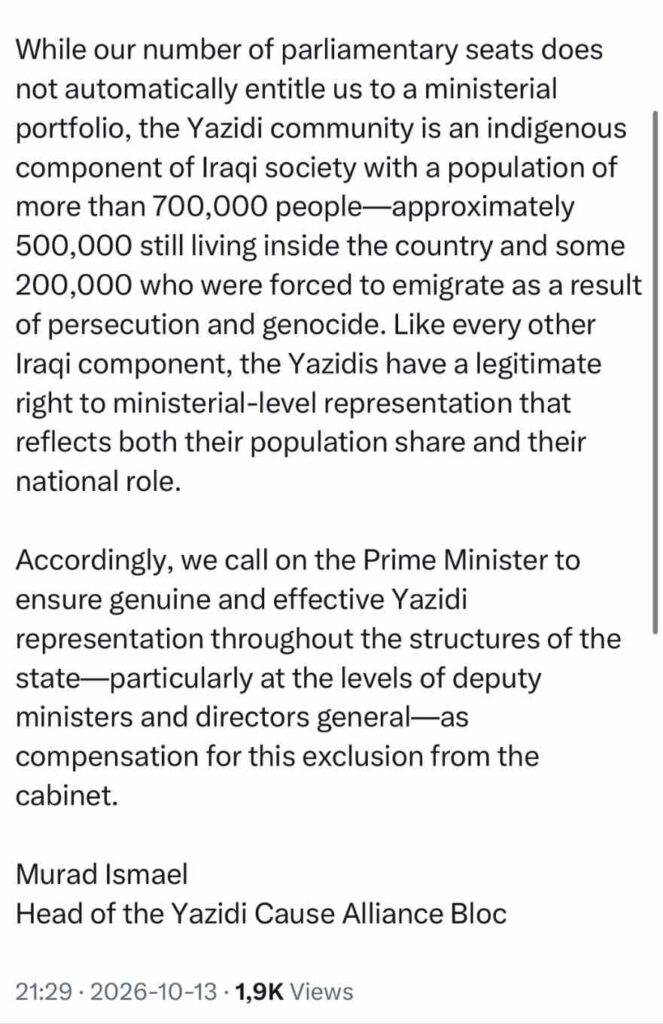
Ismael described the Ezidis as an ancient and integral people of Iraq whose population and national role should be reflected within the country’s executive institutions. According to the figures presented in his statement, the Ezidi population exceeds 700,000, with approximately 500,000 living in Iraq and around 200,000 having left the country following persecution and genocide.
He maintained that the Ezidi people should receive representation comparable to that granted to other peoples and groups within Iraq’s political system. In his view, the absence of an Ezidi minister leaves a substantial part of the country’s population without a direct voice at the highest level of government.
Since no Ezidi was appointed to the cabinet, Ismael called on the prime minister to ensure Ezidi participation elsewhere within the state. His proposal specifically seeks appointments for Ezidis as deputy ministers and directors-general, positions that carry responsibility for implementing government policy and managing major public institutions.
Such appointments would not be equivalent to holding a ministerial portfolio. They could nevertheless give qualified Ezidis greater access to decision-making and allow them to participate directly in the administration of departments whose policies affect the Ezidi people.
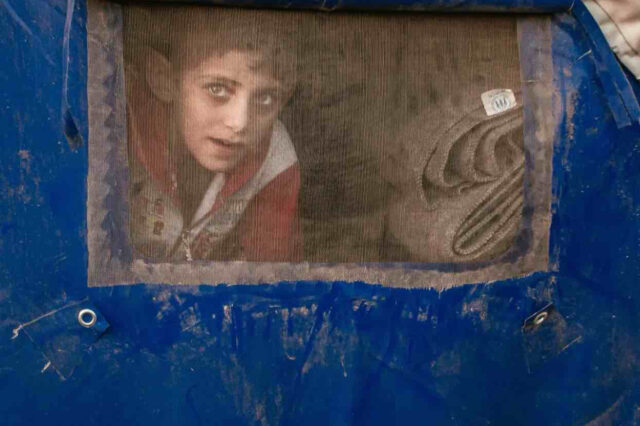
Representation is particularly consequential for matters including the reconstruction of Sinjar, the safe return of displaced families, compensation for survivors, the search for missing Ezidis, public employment and the protection of Ezidi identity and Sharfadin. Decisions in these areas continue to be made while Ezidis remain underrepresented within the institutions responsible for carrying them out.
The statement did not identify particular ministries or government departments in which Ezidi officials should be appointed, nor did it put forward the names of proposed candidates. It instead called for representation at multiple levels of the state to compensate for the complete absence of an Ezidi minister.
Ismael’s intervention places responsibility on the prime minister and Iraq’s political leadership to determine whether senior appointments will be used to address that exclusion. The issue is not only the allocation of individual positions, but whether the Ezidi people are able to participate meaningfully in decisions that directly shape their security, rights and future in Iraq.