Nearly 12 years after the 2014 Ezidi Genocide, hundreds of thousands of Ezidis remain displaced, thousands are still listed as abducted or missing, and fewer than 10% of those affected have received compensation, according to MP Murad Ismail.
The crisis in Sinjar has become an existential issue for the Ezidi people, according to Murad Ismail, head of a parliamentary bloc focused on Ezidi issues.
Speaking to Sumerian television, Ismail said that nearly half of the Ezidi people remain displaced almost 12 years after the 2014 Ezidi Genocide. He estimated the number of displaced Ezidis at between 250,000 and 300,000 people and said that around 2,700 Ezidis remain listed as abducted or missing.
He added that tens of thousands of other residents from Sinjar are also displaced.
Return blocked by security, politics and lack of funding
According to Ismail, the return of displaced people is being blocked by a combination of security, administrative and political problems, as well as a lack of funding and compensation.
He held the federal authorities in Baghdad, the authorities in Erbil and political forces responsible for the continuing crisis. Sinjar, he said, has become an arena for political competition, while its residents have been kept away from meaningful participation in decisions about the future of their own district.
Criticism of the Sinjar Agreement
Ismail criticised the way the Sinjar Agreement was drafted, saying it was concluded between Baghdad and Erbil without sufficient involvement from the people of Sinjar.
He said he supports some parts of the agreement, including bringing armed forces under the authority of the Iraqi Ministries of Defence and Interior. He also called for an independent district administrator to be chosen by the Ezidi people and other residents of Sinjar.
However, he stressed that no political arrangement or administrative solution should be imposed on the people of the district.
“The current stage requires a political settlement in Sinjar,” Ismail said, calling for the participation of Baghdad, Erbil and the people of the region. He said such a settlement must address local administration, the return of displaced people, compensation and the future of forces formed after 2014.
Less than 10% have received compensation
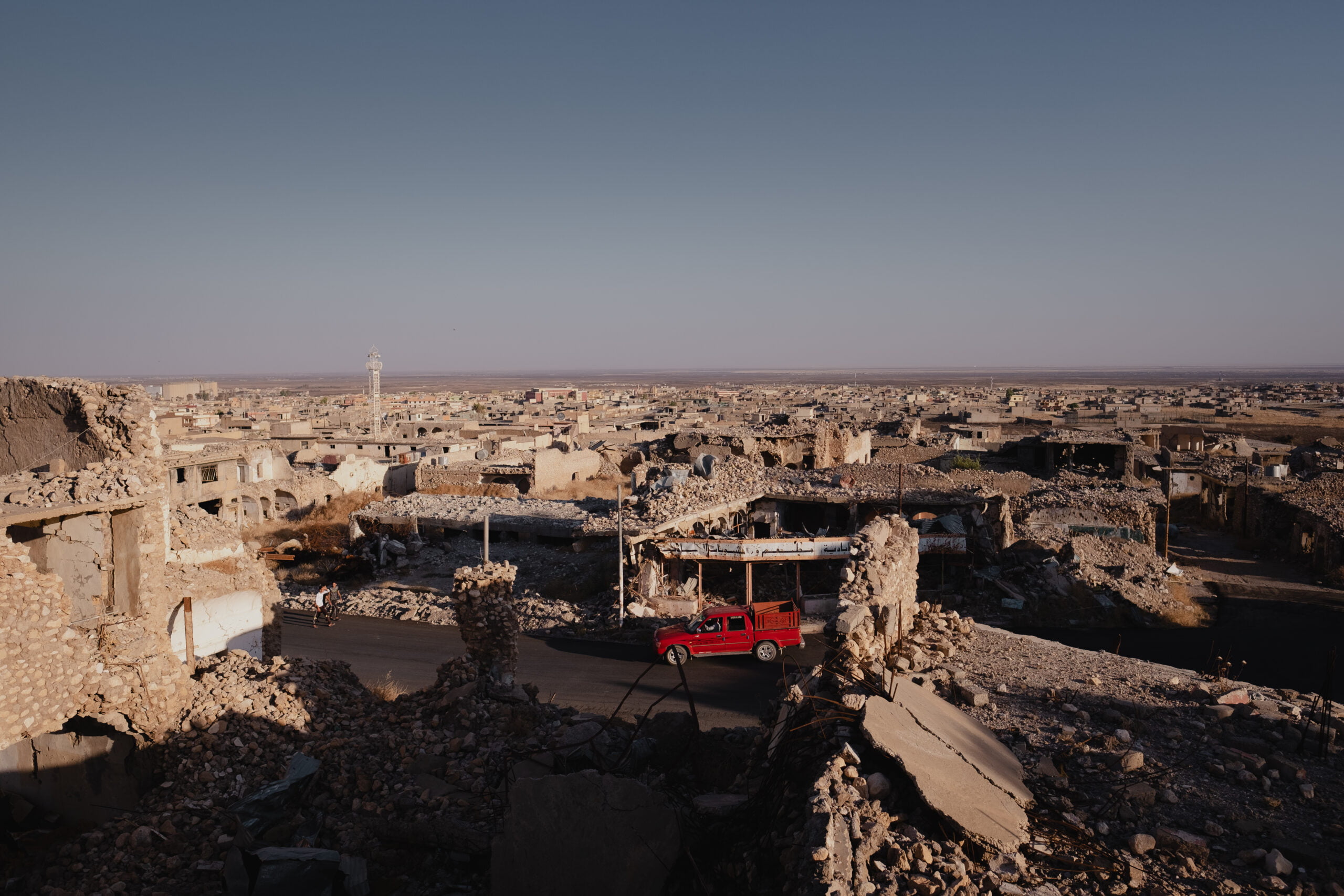
Ismail estimated that Sinjar needs around two billion US dollars for reconstruction, the return of displaced people and the restoration of normal life.
He said that funding allocated to Sinjar since 2014 has been very limited and has not included strategic projects proportionate to the scale of destruction.
According to Ismail, fewer than 10% of Ezidis affected by the genocide have received compensation. He criticised what he described as unequal reconstruction and funding distribution within Nineveh Governorate.
He said this does not mean that reconstruction in Mosul should be reduced. Rather, he called for fair treatment and justice for all areas of Nineveh.
“No longer possible to delay”
Ismail said that resolving the crisis in Sinjar and addressing the needs of the Ezidi people can no longer be postponed.
He said the first steps must include restoring the authority of the Iraqi state and the rule of law in Sinjar, ending political competition over the district, returning displaced people, rebuilding destroyed areas and intensifying efforts to locate abducted and missing Ezidis.
For the Ezidi people, he said, Sinjar is no longer only a political or administrative question. It is an existential one.