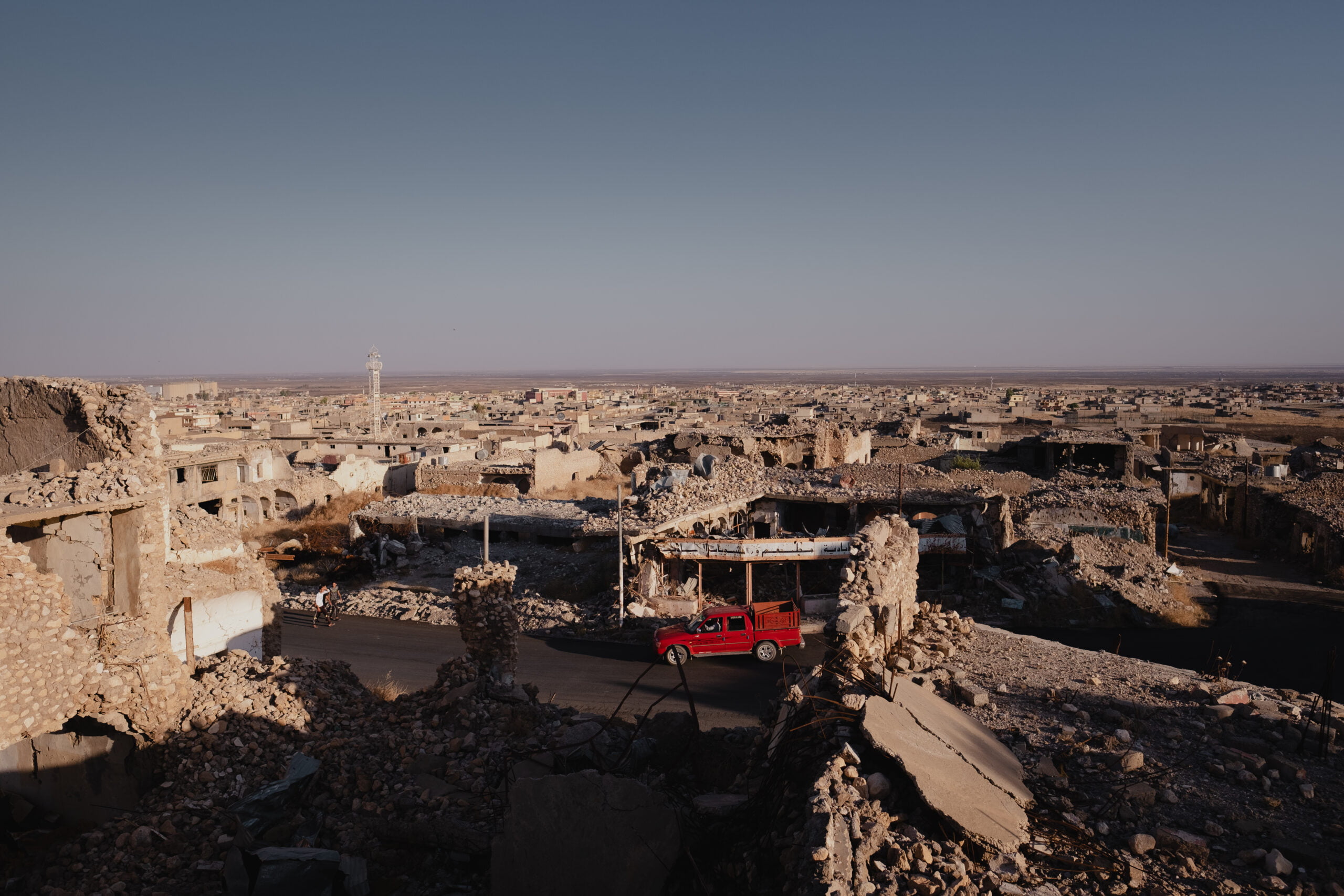

As the world approaches another anniversary of the Ezidi Genocide, thousands of Ezidi families still do not know where their loved ones are. Mothers continue searching for daughters abducted into sexual slavery. Fathers still wait for news of missing sons. Thousands of people remain unaccounted for after isis attempted to destroy the Ezidi people in 2014.
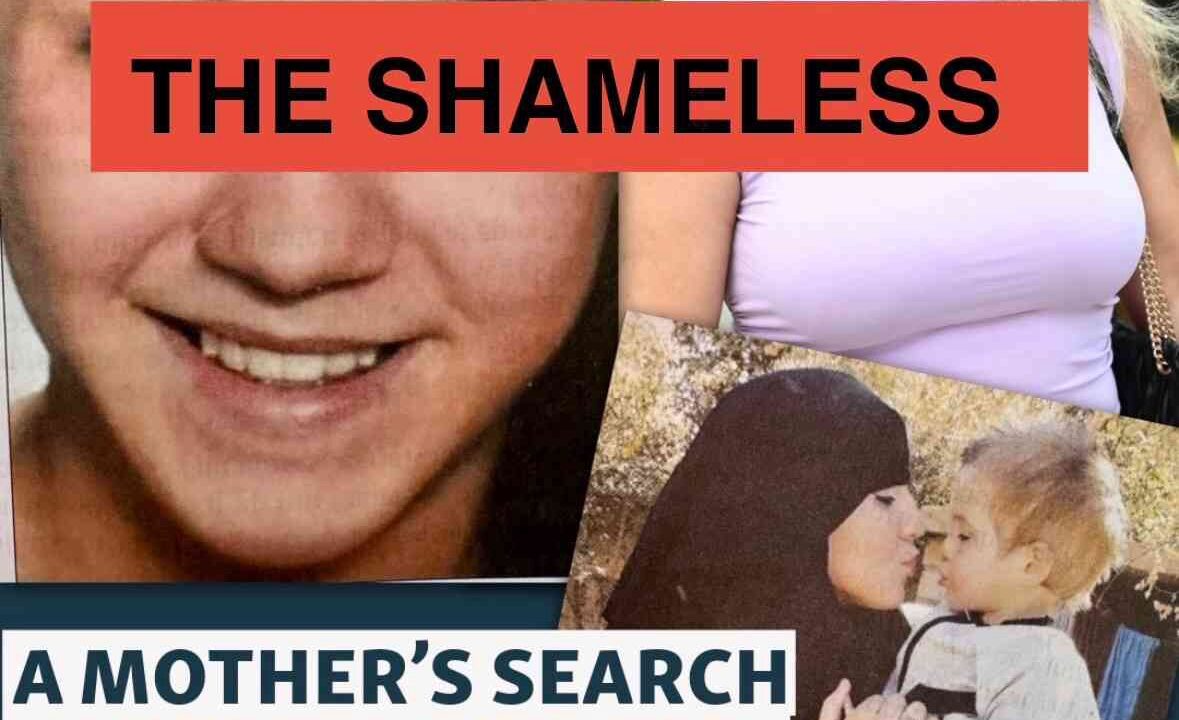
Against this backdrop, Radio Free Europe/Radio Liberty (RFE/RL) chose to publish a lengthy feature portraying the mother of an isis member searching for her daughter.
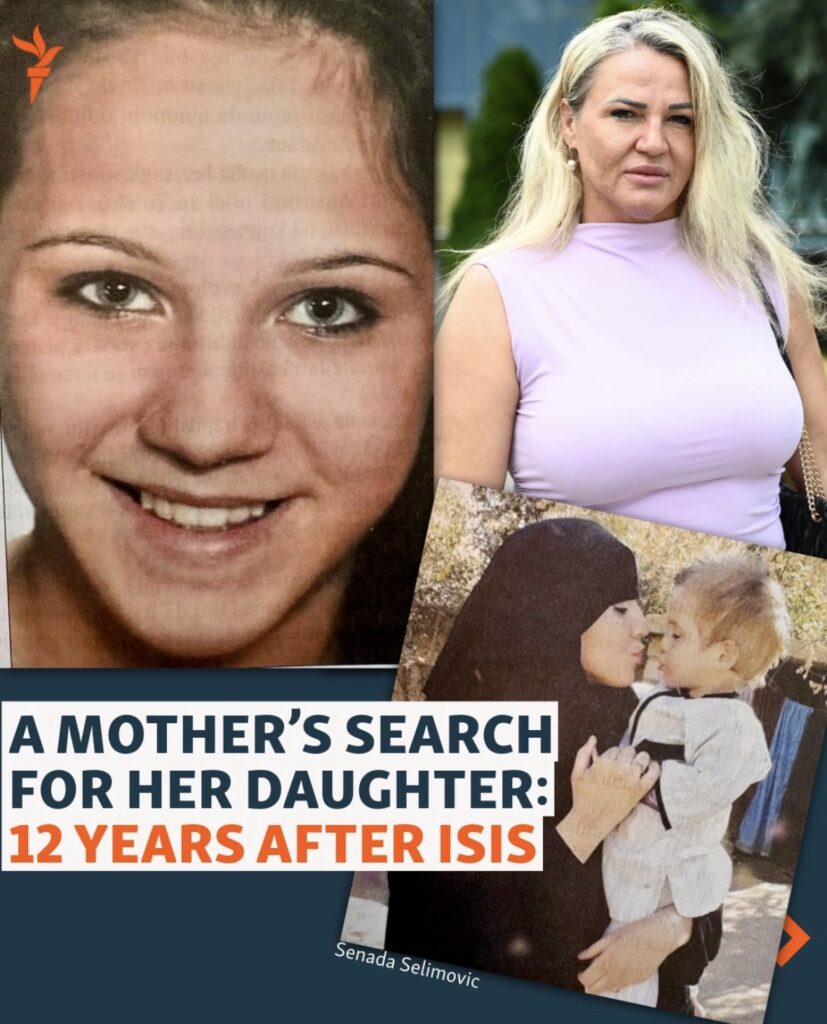
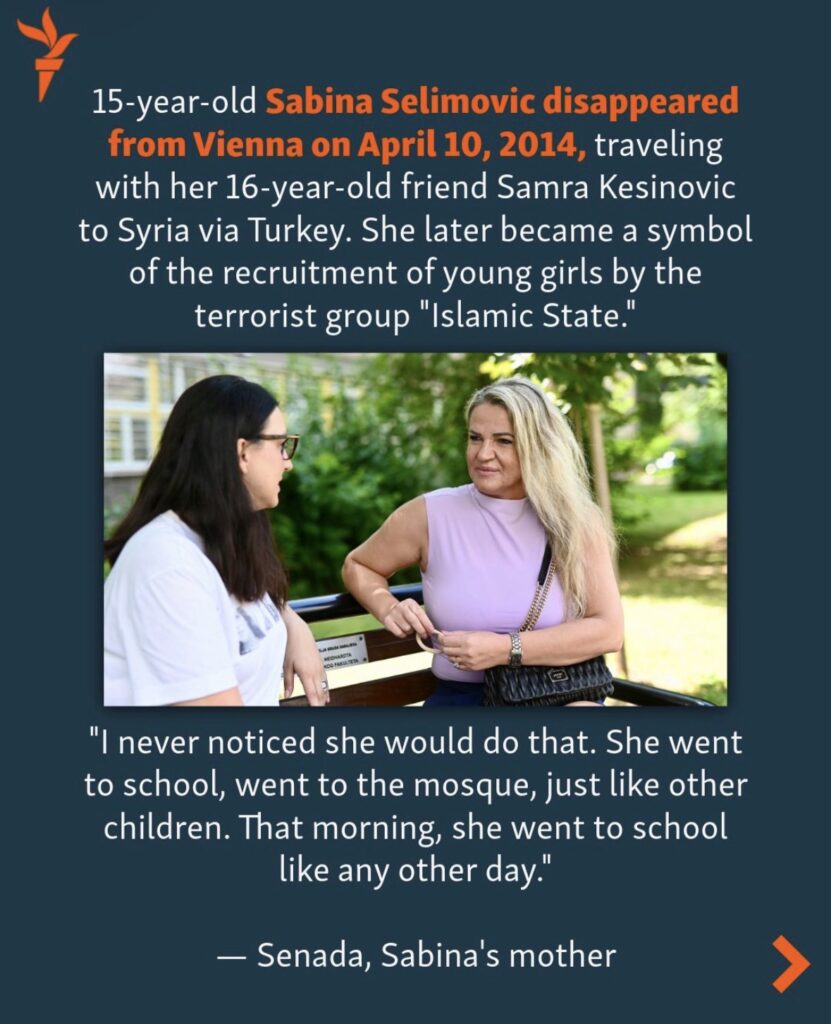
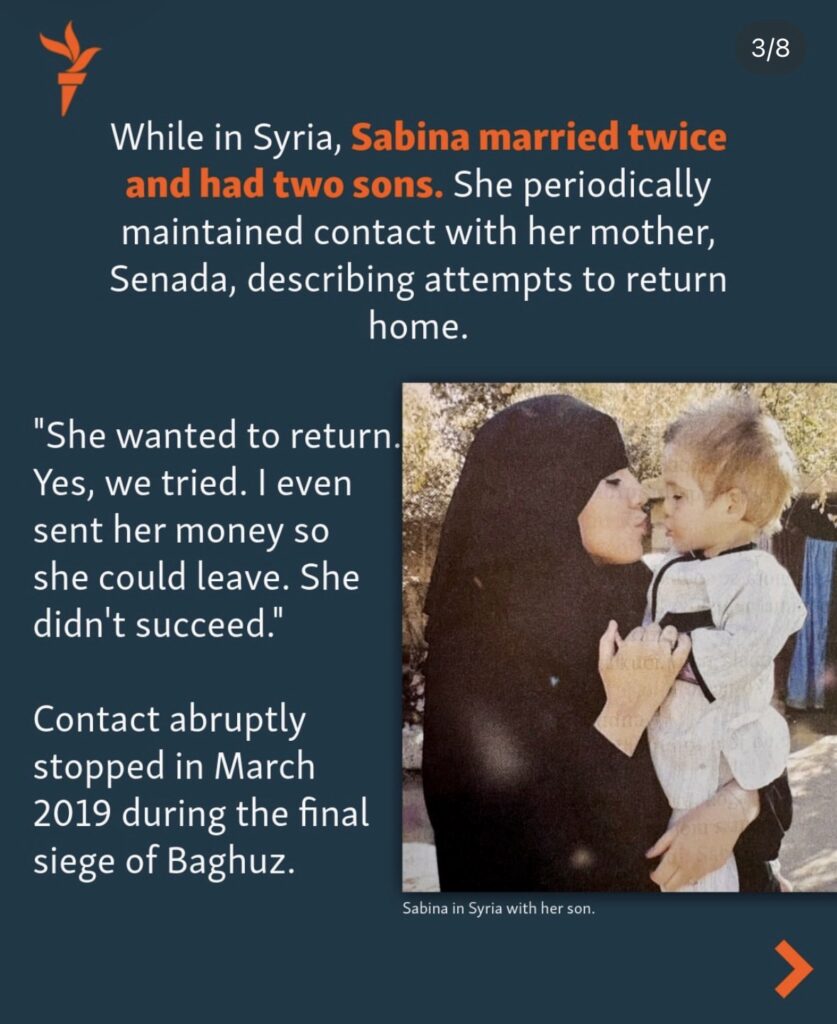
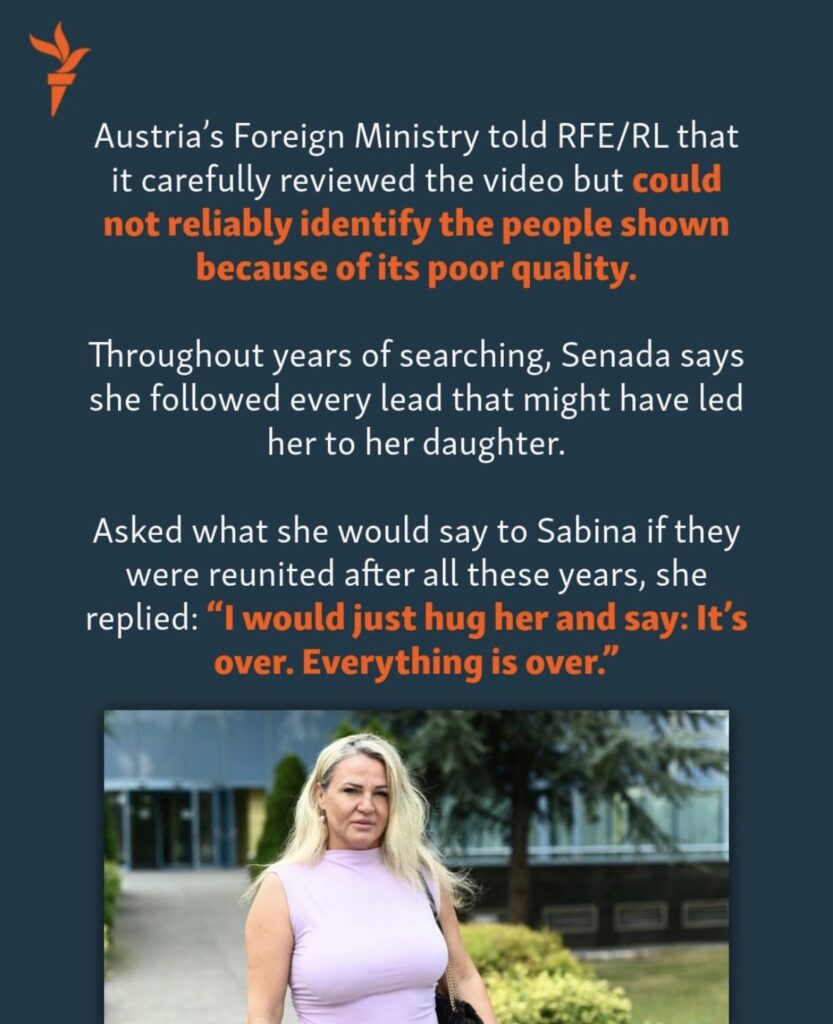
“It’s over”? Nothing is over. Your daughter joined the terrorist organisation that committed genocide. Thousands of Ezidis are still missing. It will be over when she is persecuted for her crimes.
The story focuses on Sabina Selimovic, an Austrian citizen of Bosnian heritage who voluntarily travelled from Vienna to Syria in 2014 to join isis. According to the report, she married two isis members, had two children while living inside the so-called islamic state and remained there for years as isis carried out genocide, slavery, executions and systematic persecution across Iraq and Syria.
Yet the emotional centre of the article is not the victims of isis. It is the mother of an isis member. This is precisely what is wrong with much of today’s reporting on the terrorist group isis.
The suffering of those who willingly joined one of the world’s most brutal terrorist organisations is increasingly presented as a human-interest story, while the people they helped terrorise are reduced to background context.
The article repeatedly invites readers to sympathise with a mother who has spent years searching for her “poor daughter” daughter. Every parent naturally wants to know what happened to their child. That is understandable. But where is this same urgency for the thousands of Ezidi mothers who are still searching for daughters kidnapped by isis?
Where are the front-page features about the fathers still waiting for the remains of their sons? Where are the interviews with the children who watched isis murder their families? Those people never chose this.
Terrorist, isis-lover, Sabina Selimovic did. She chose to join the organisation that committed genocide against the Ezidi people and countless other victims.
RFE/RL reports that Sabina wanted to leave isis but there is no evidence for that. Where is thw proof that Sabina contacted Austrian authorities, the police, an embassy or any other institution responsible for assisting Austrian citizens abroad. Instead, it describes requests for money from her mother while leaving the obvious questions unanswered.
If returning home was truly the priority, why is there no documented attempt to seek official assistance? Why are journalists not asking these questions?
Instead of examining these inconsistencies, the report presents the claim uncritically and shifts the reader’s sympathy towards an ISIS member rather than the victims of the organisation she voluntarily joined.
The article also leaves readers with the impression that “Sabina became another casualty of isis”. That framing ignores an uncomfortable reality. isis was not simply a place people found themselves in. It was a terrorist organisation built by individuals who voluntarily travelled to join it, pledged allegiance to it and helped sustain it.
Every person who voluntarily became part of ISIS strengthened the organisation responsible for genocide, sexual slavery, mass executions and crimes against humanity.
Media organisations should be extremely careful not to blur the line between perpetrators and victims.
The most disturbing part of this story is not that a mother continues searching for her daughter. It is that international media organisations repeatedly devote extensive coverage to the families of isis members while thousands of Ezidi families remain invisible despite searching for loved ones for over a decade.
One family searches for a daughter who voluntarily joined isis.
Thousands of Ezidi families search for relatives who were murdered, enslaved or disappeared in the 2014 Ezidi genocide.
Journalism should report on isis members when there is a genuine public interest. It should investigate recruitment, radicalisation and accountability. But it should never present those who voluntarily joined a genocidal terrorist organisation in a way that overshadows the people whose lives they helped destroy.
The fact that isis-member Sabina Selimovic’s mother is shameless and doesn’t even consider what her public appearance might inflict up upon the victims of her daughters action is of no surprise go us. However, we are surprised and disappointed that the media outlet RFE/RL is this unprofessional, unethical and pro-terrorist joiners, that they represent the story of an isis-member as “a poor mother looking for her innocent and victimised child”. Is it because this Isis members are holders of European passports? Is that why so many Media outlets seem to sympathise with terrorists?
The world does not suffer from a lack of stories about isis members.
It suffers from a lack of attention to the victims they left behind.
The families who deserve the world’s sympathy are those who never had a choice, the ones who were subjected to genocide. Not some brats who joined isis because they were going through adolescence and because Europe failed to integrate basic human values into muslims.