Ezidi survivors, survivor organisations and international legal experts are preparing to launch a truth commission dedicated to the genocide committed by ISIS against the Ezidis.
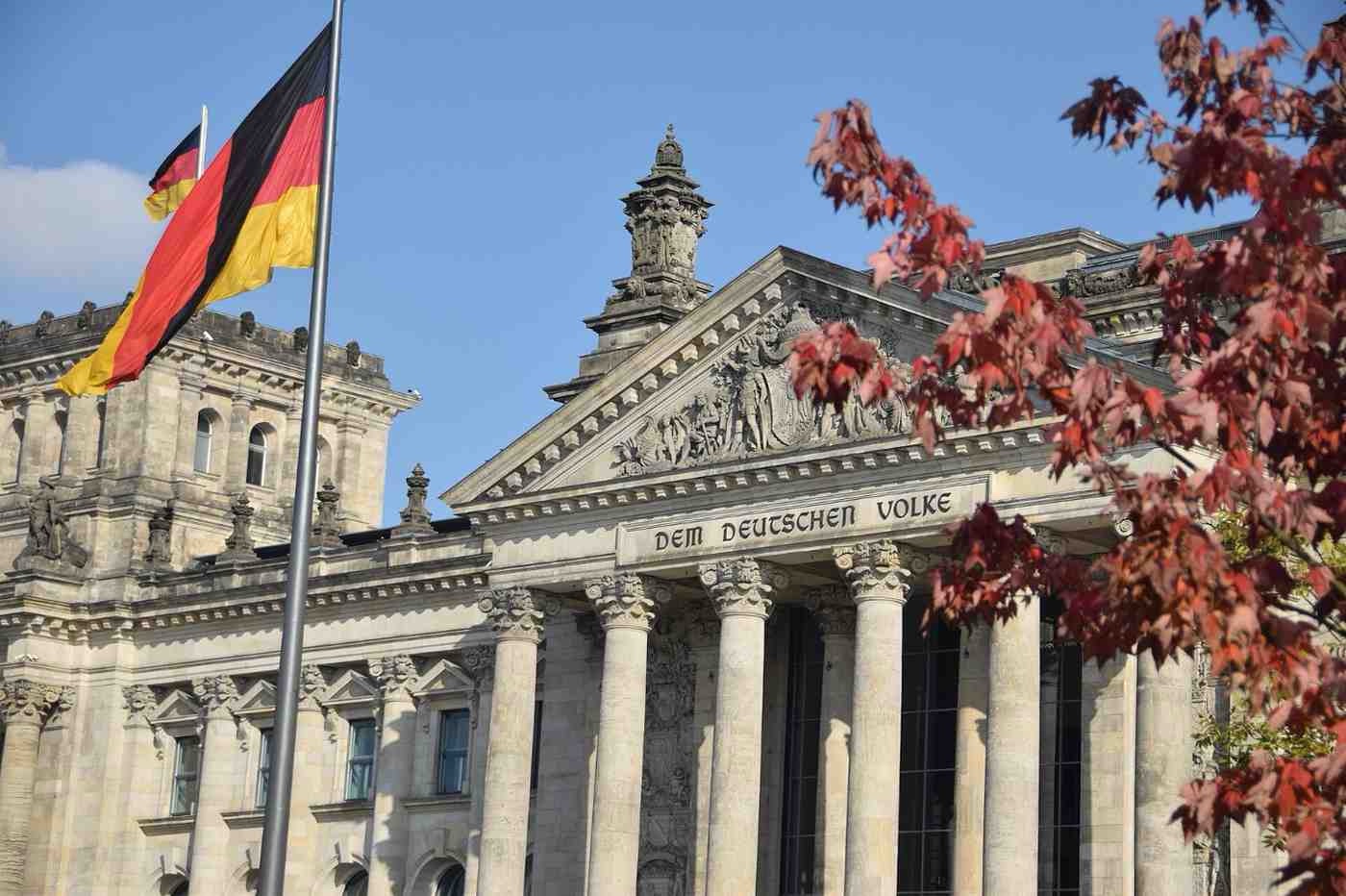
The commission is scheduled to convene at Germany’s Bundestag from 16 to 18 November 2026. It is being described as the first survivor-based truth commission focused specifically on the Ezidi genocide.
The initiative comes more than twelve years after ISIS launched its genocidal campaign against the Ezidis in August 2014. Although several governments and international bodies have recognised the crimes as genocide, survivors and advocates continue to warn that recognition has not been followed by sufficient justice, accountability or redress.
Over the course of three days, more than 30 survivors, legal scholars and human rights specialists are expected to give testimony and expert evidence. The hearings will address ISIS crimes committed between 2014 and 2017, as well as the failure of the international system to deliver comprehensive accountability for those crimes.
The commission is expected to include testimony from women and girls who were subjected to sexual slavery, as well as men who were abducted as children and forced into ISIS indoctrination programmes.
ISIS attacked Şengal in August 2014, killing, abducting and displacing thousands of Ezidis. Men were separated and executed or forced to convert, while women and girls were abducted, sold, raped and subjected to forced marriage and forced conversion.
More than 6,000 Ezidi women and children were taken captive by ISIS. Nearly 2,800 Ezidis remain missing today, according to Ezidi organisations.
Investigators have found that the sexual violence committed against Ezidi women and girls was not incidental, but systematic. It was used as a deliberate weapon of war and genocide.
The genocide has been formally recognised by the United Nations and by several states, including the United States, the United Kingdom, Germany, France and Iraq. Germany’s Bundestag officially recognised the genocide against the Ezidis in January 2023.
However, legal accountability remains limited. While many ISIS members have been prosecuted for terrorism-related offences, convictions specifically addressing genocide against the Ezidis remain rare. For many survivors, this has created a painful gap between symbolic recognition and actual justice.
The commission will be chaired by Baroness Helena Kennedy, a British human rights lawyer. The international panel is also expected to include commissioners from Europe, Africa and Asia, including Judge Navi Pillay, the former United Nations High Commissioner for Human Rights.
Germany was chosen as the location partly because it is home to the world’s largest Ezidi diaspora. Many Ezidis in Germany arrived after surviving or fleeing ISIS atrocities in Iraq.
The truth commission will not function as a court and will not itself prosecute ISIS members. Its purpose is to document survivor testimony, examine the international failure to provide justice, and produce recommendations for governments and international institutions.
The initiative also follows the closure of the United Nations Investigative Team to Promote Accountability for Crimes Committed by ISIS, known as UNITAD, which ended its work in 2024 after years of collecting evidence of ISIS crimes in Iraq.
The commission is expected to publish a report in 2027. The report will include recommendations on how states and international bodies can respond more effectively to the genocide, support survivors, and pursue accountability.